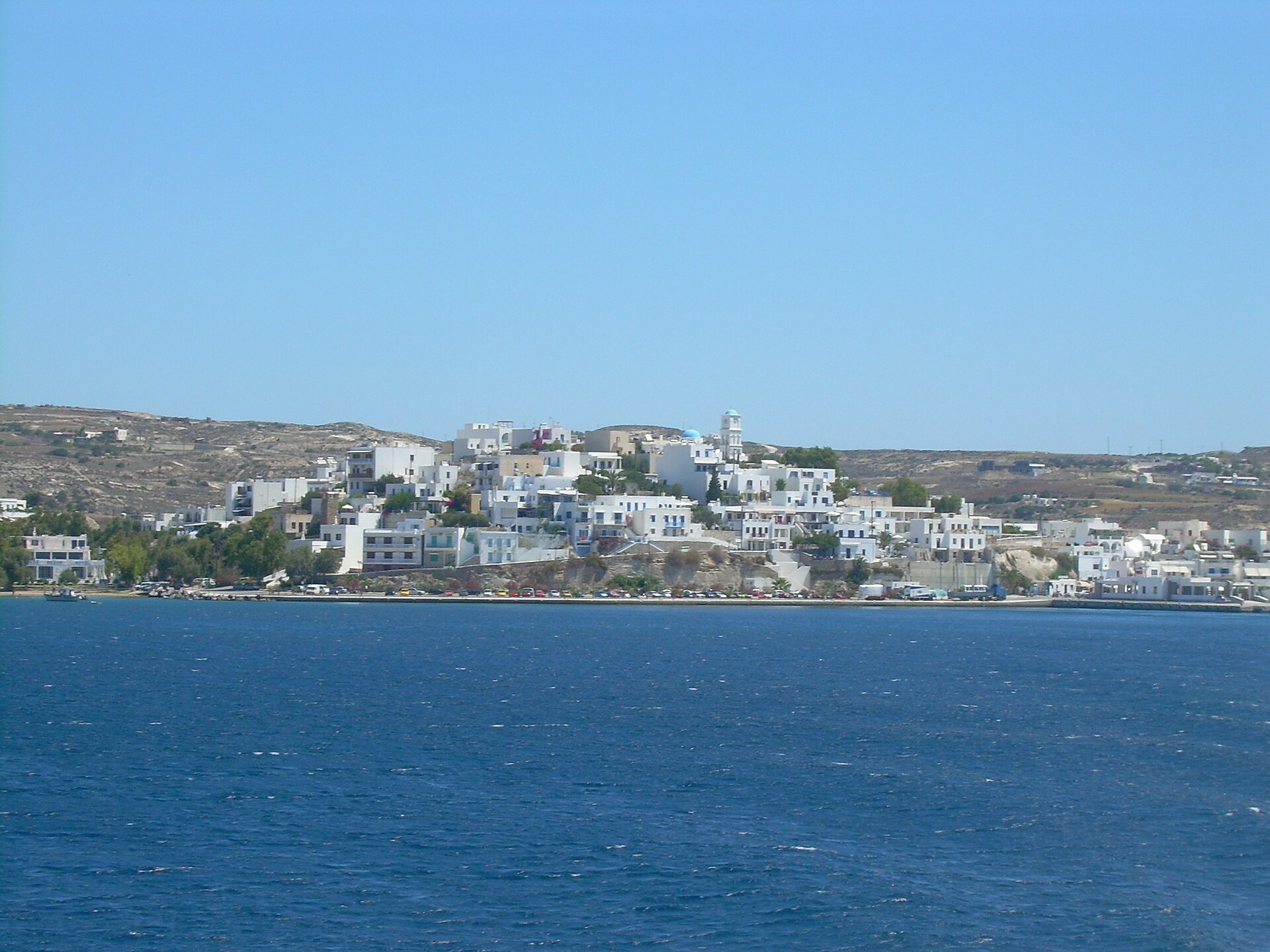
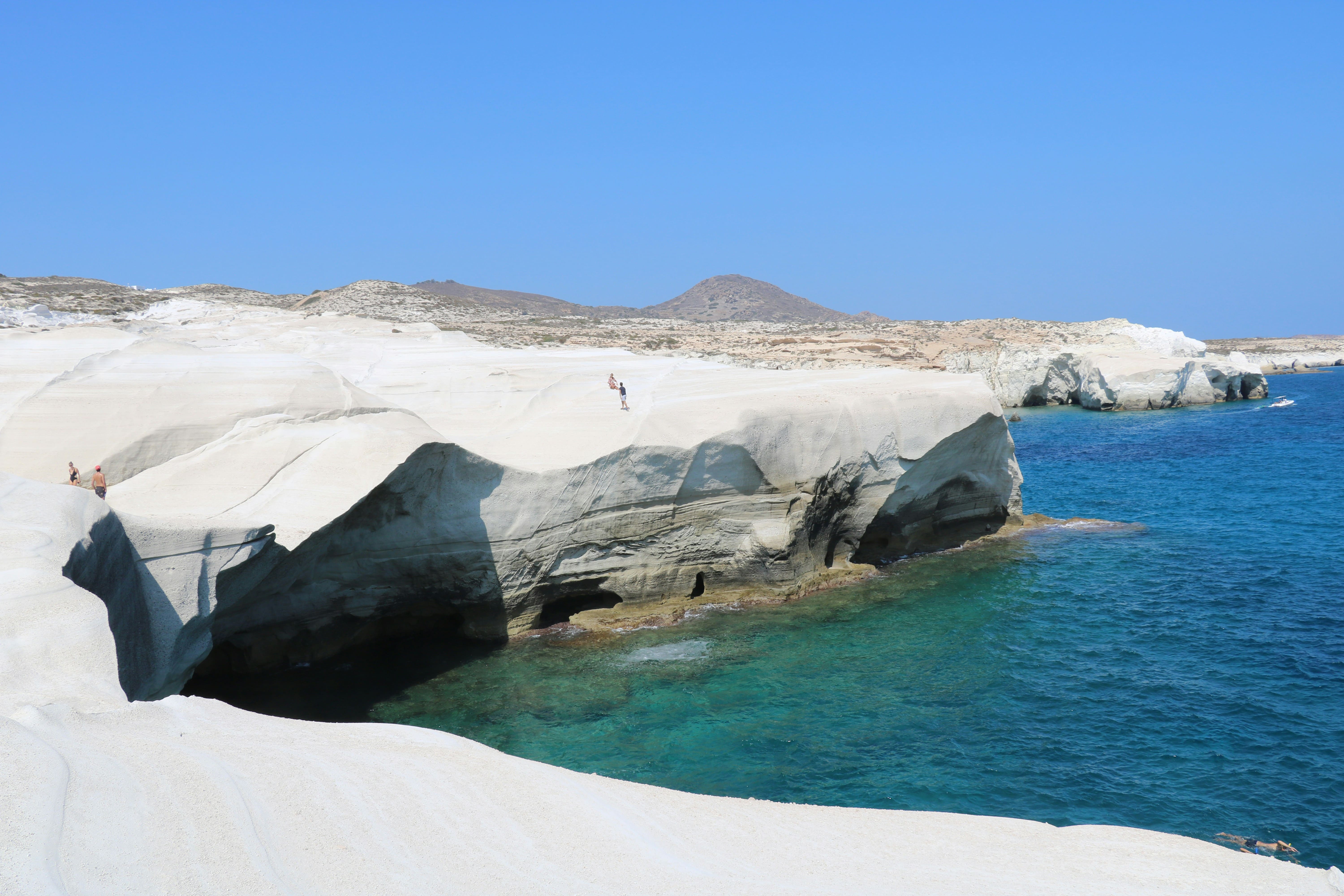
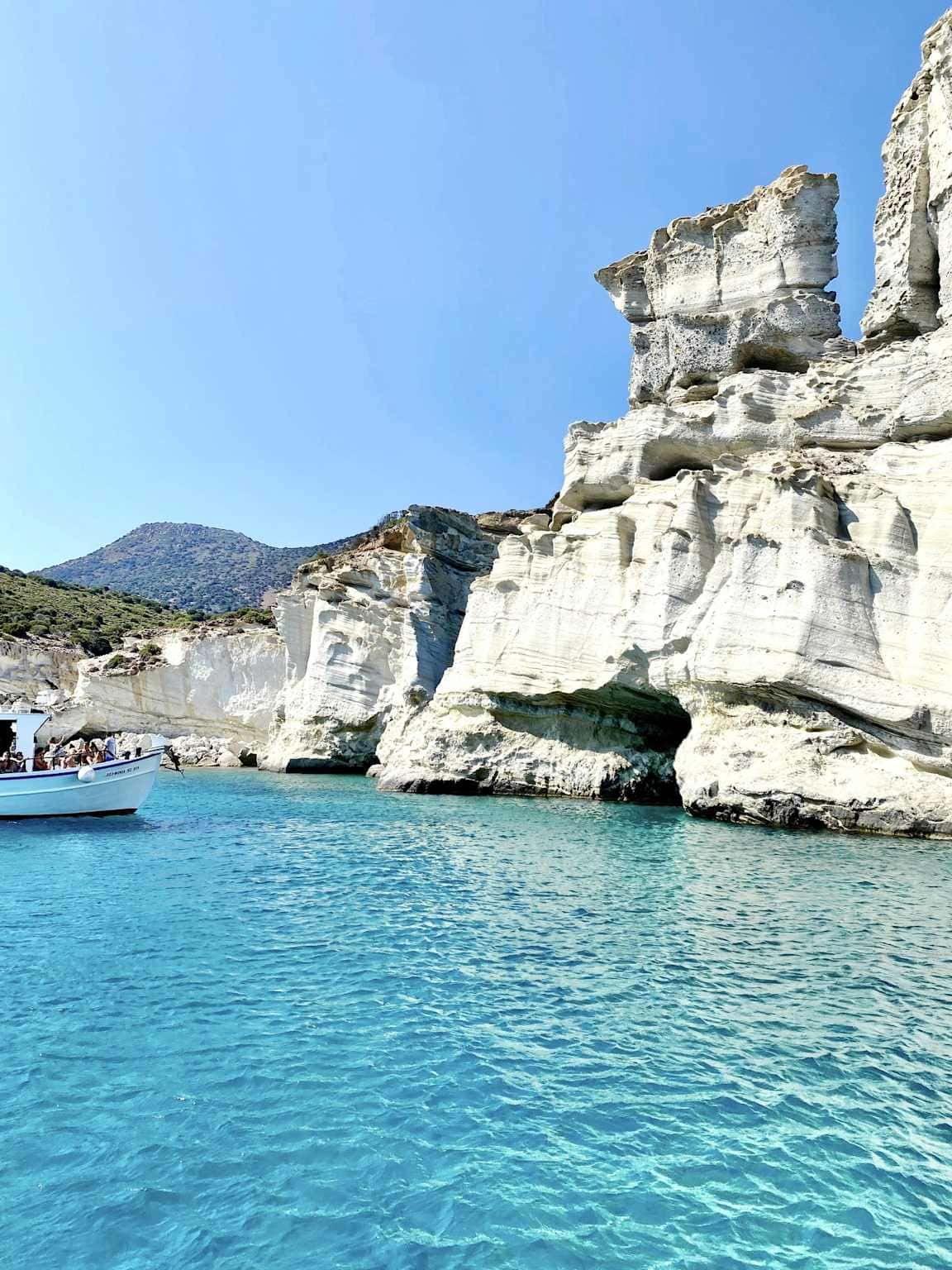
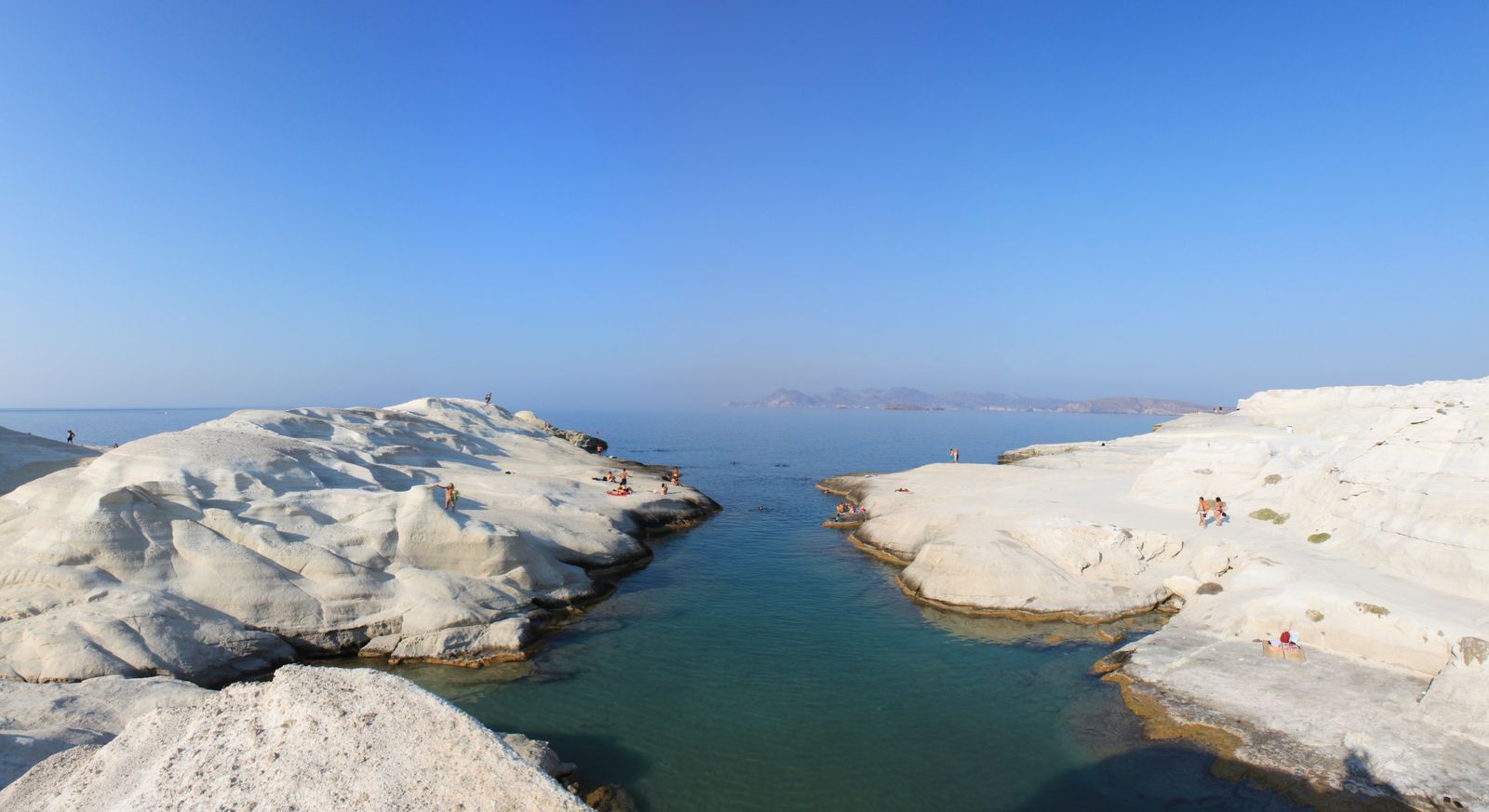
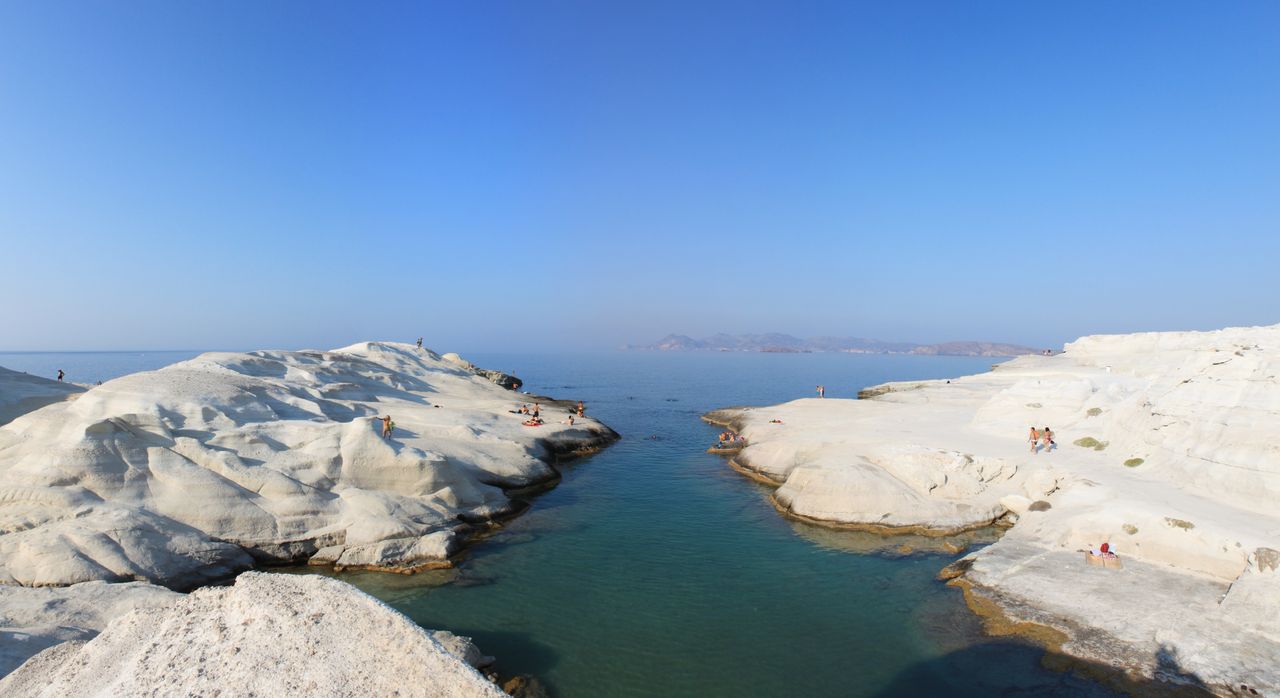
Milos, Greece is a volcanic island in the southwestern Cyclades, famous for its unique coastal landscapes like the white moonscape of Sarakiniko and the Kleftiko sea caves. You can reach the island by a 45-minute flight from Athens or a 3-hour high-speed ferry from Piraeus. See our Athens to Milos ferry routes for 2026 schedules (2.5h high-speed, 4–5h conventional) and domestic flights from ATH.
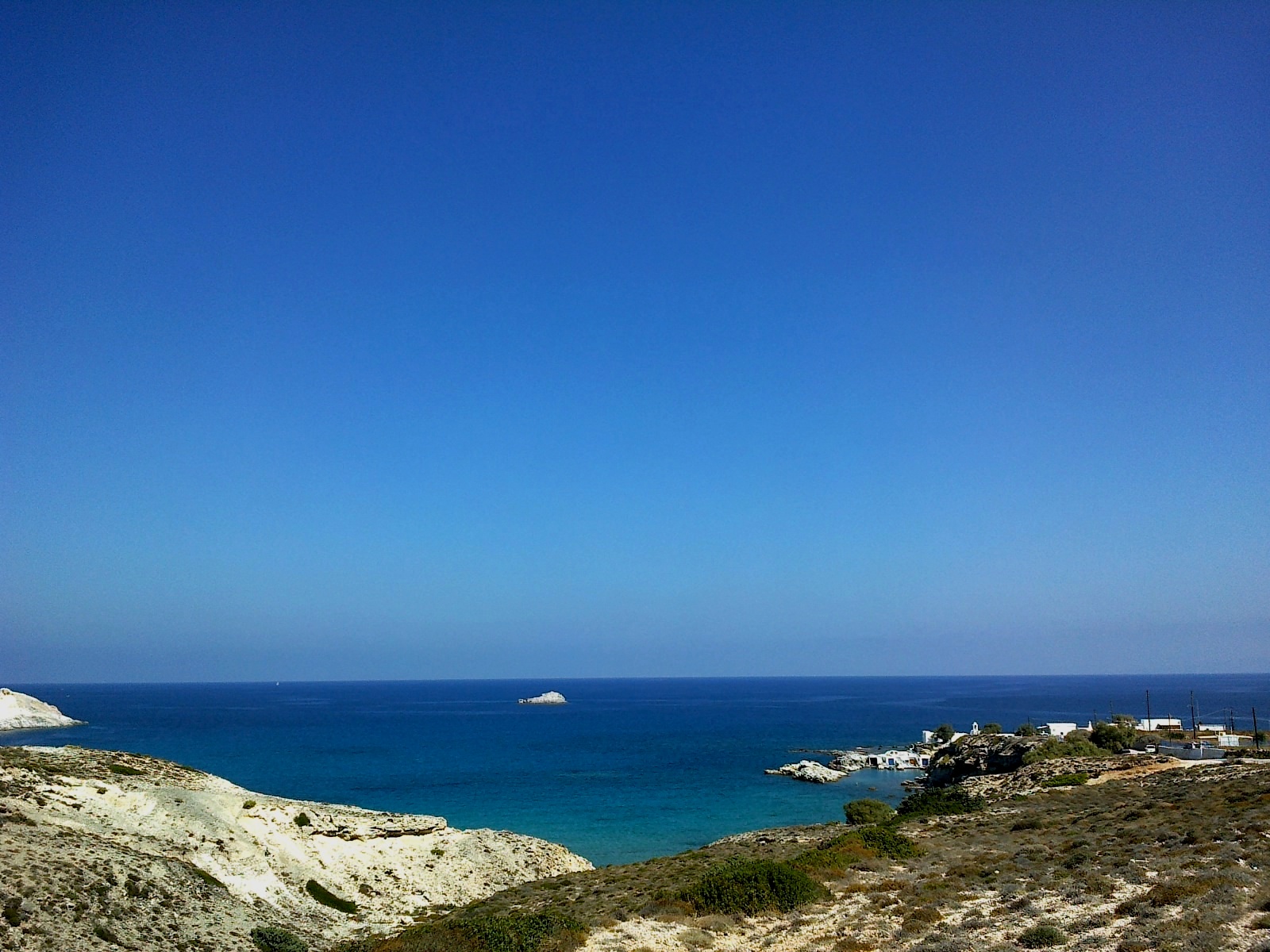
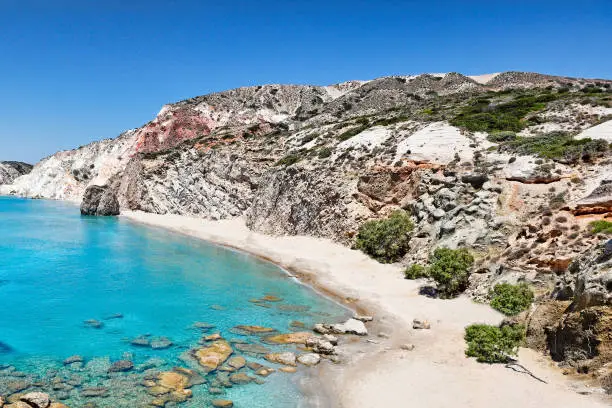
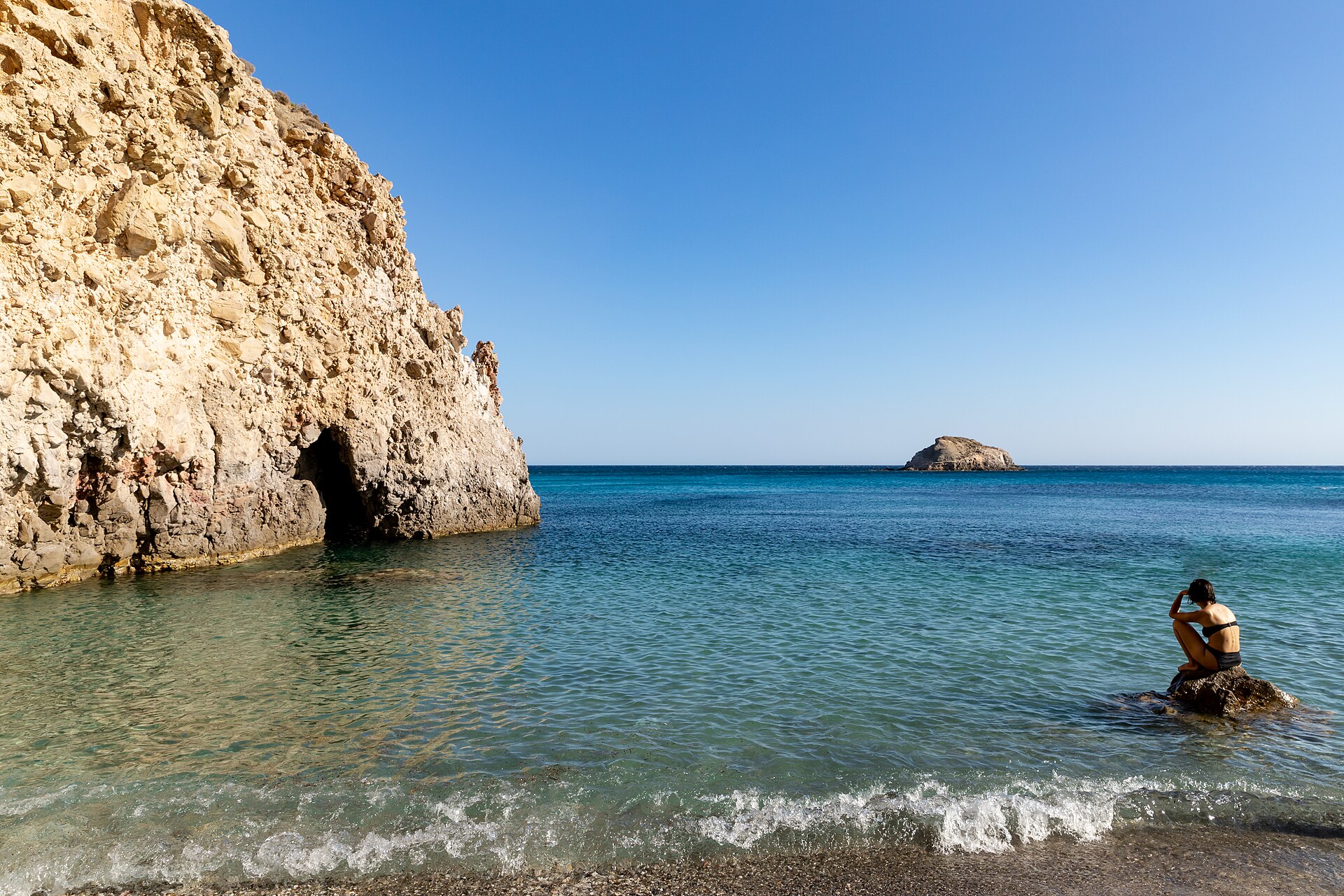
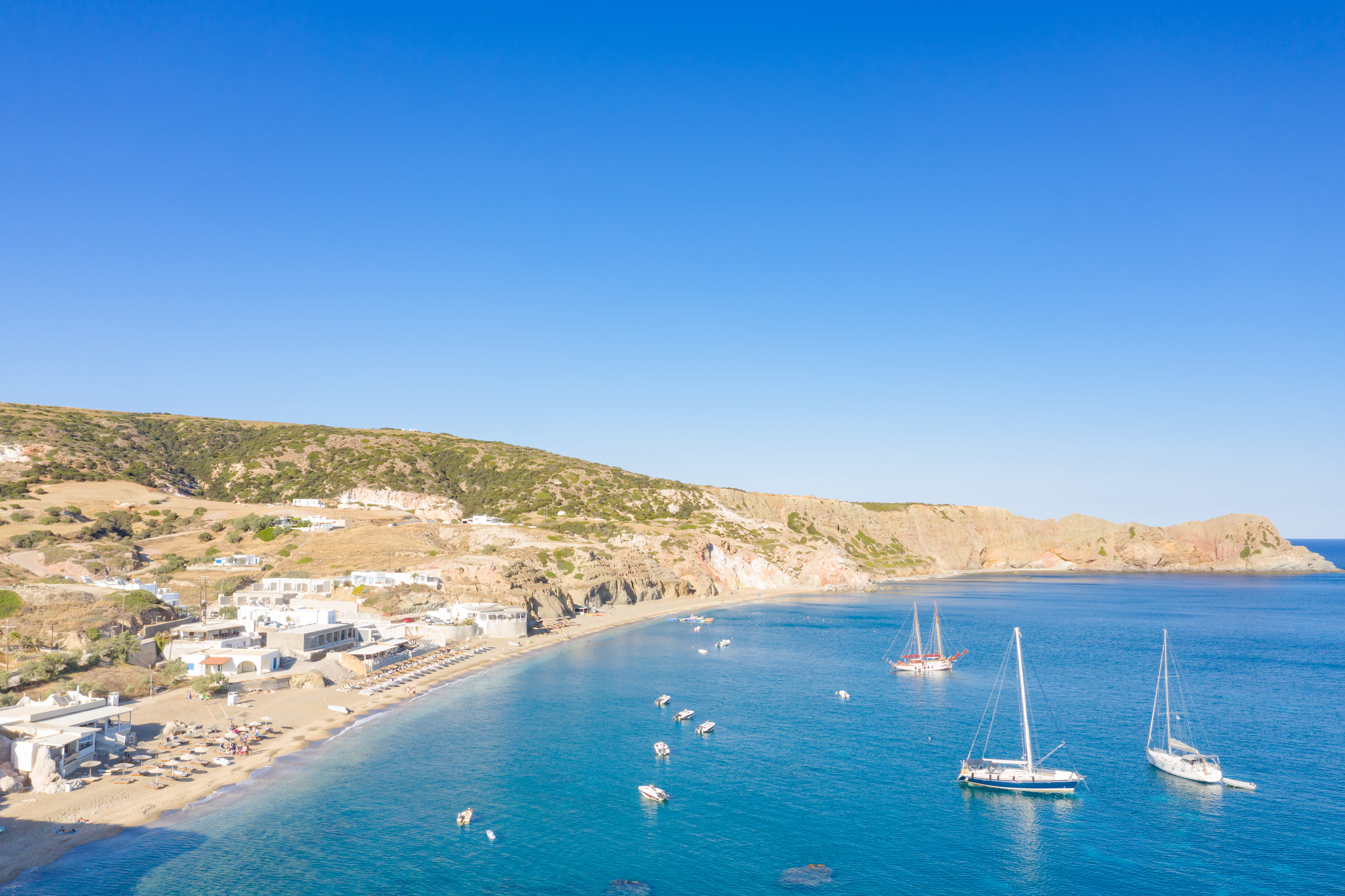
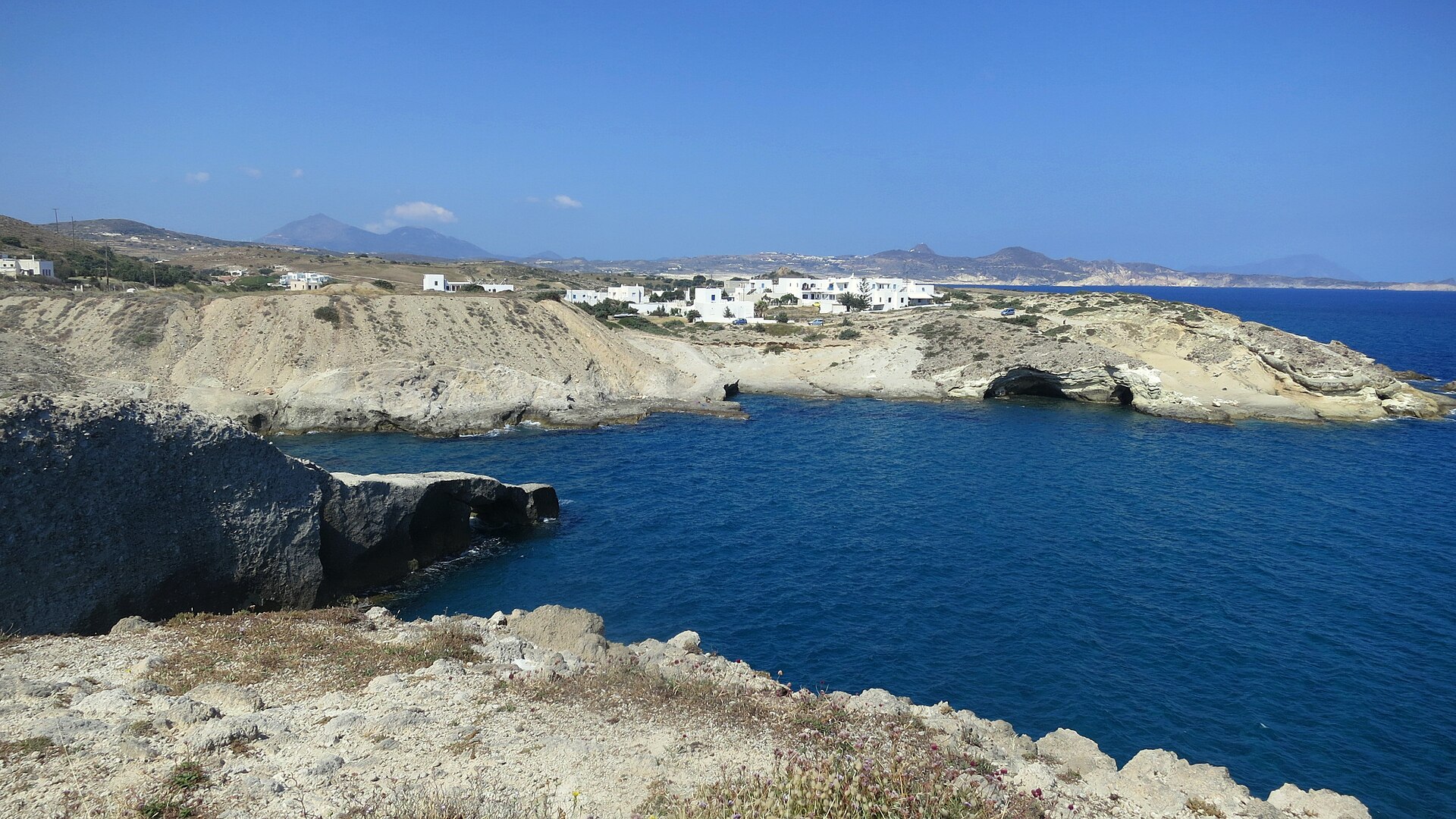
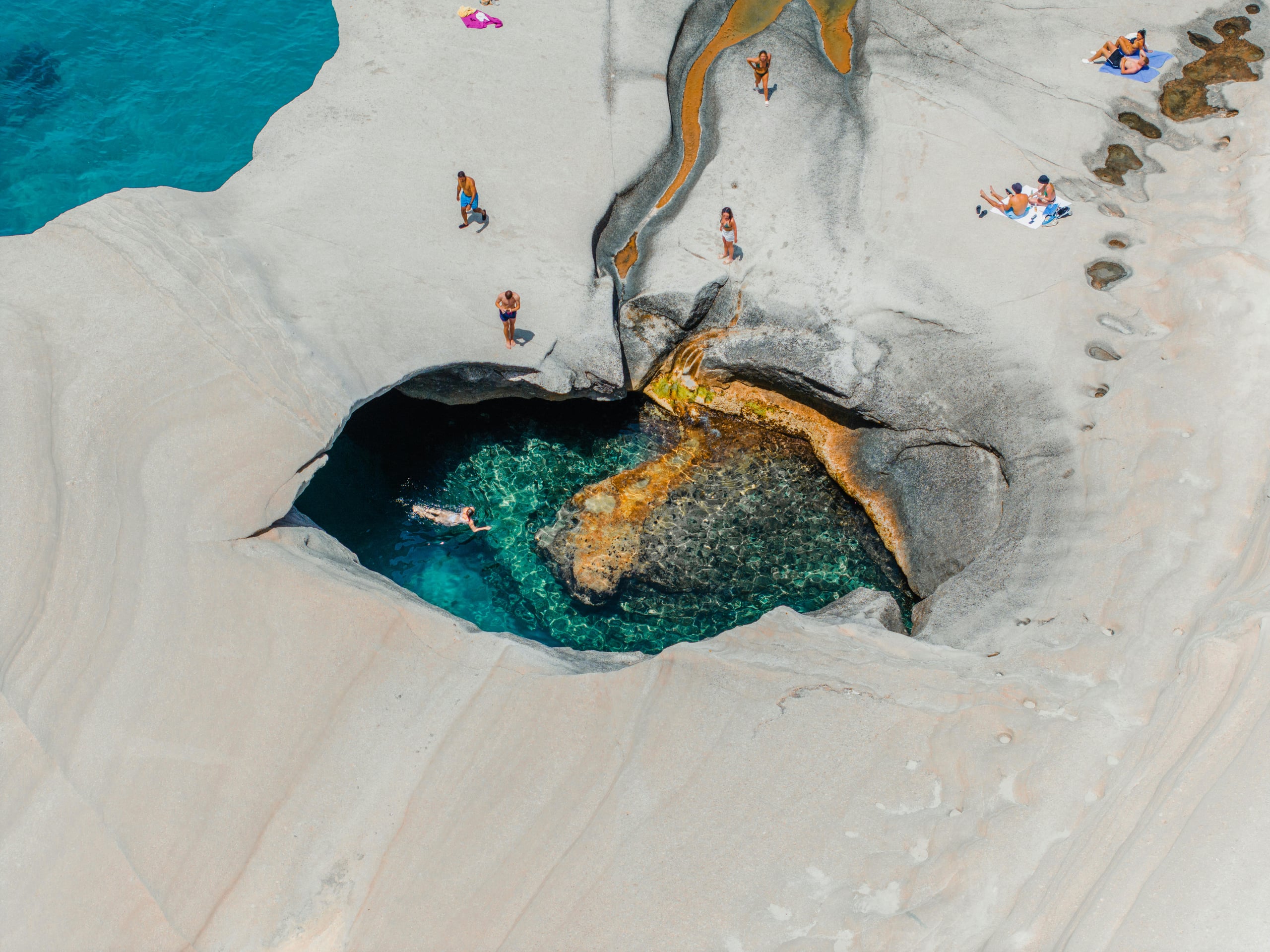
Milos is a showcase of geological wonders. Formed by volcanic activity, this horseshoe-shaped island in the southwestern Aegean Sea has a coast so varied that every cove looks like a different world. The white volcanic cliffs of Sarakiniko rise from turquoise water like a bleached moonscape, while the emerald sea caves of Kleftiko offer natural swimming pools. With over 80 sandy beaches, it's an easy place to explore, and you can easily find a quiet spot of your own.
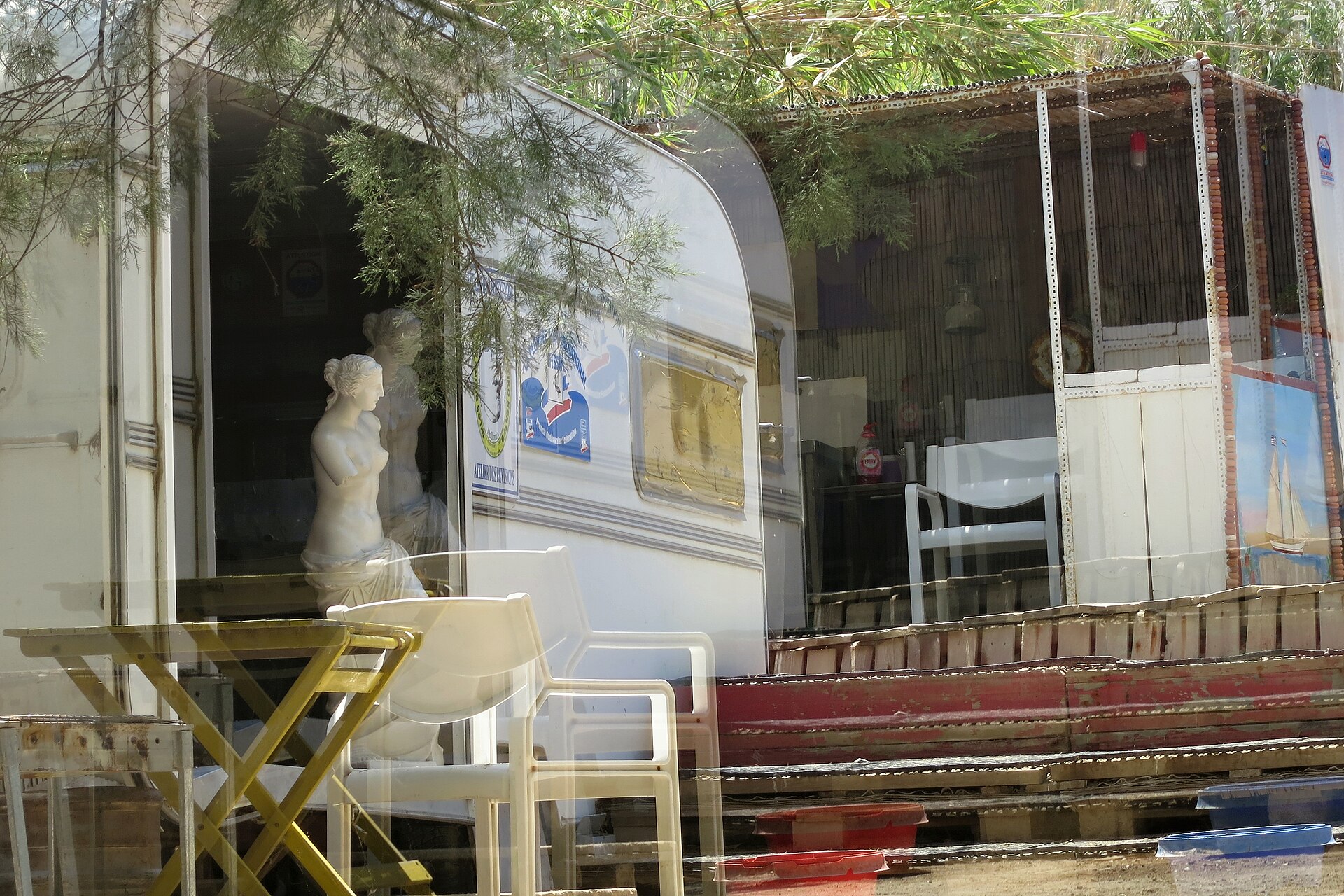
The island is also rich in history. This is where a farmer discovered the Venus de Milo in 1820, the famous ancient Greek statue now displayed in the Louvre Museum in Paris. You can visit early Christian catacombs dug into the soft volcanic stone, or sit in the ancient Roman theater overlooking the water. Milos was a major trading hub since the Bronze Age, known for its valuable obsidian and mineral mines.
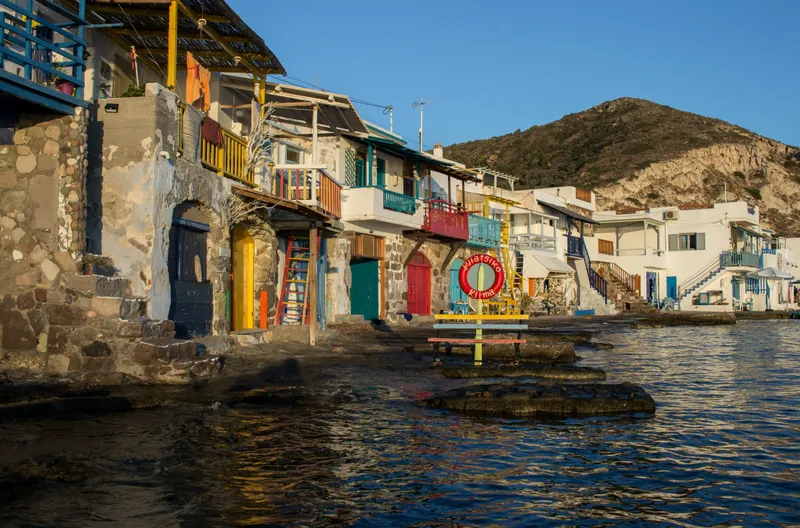
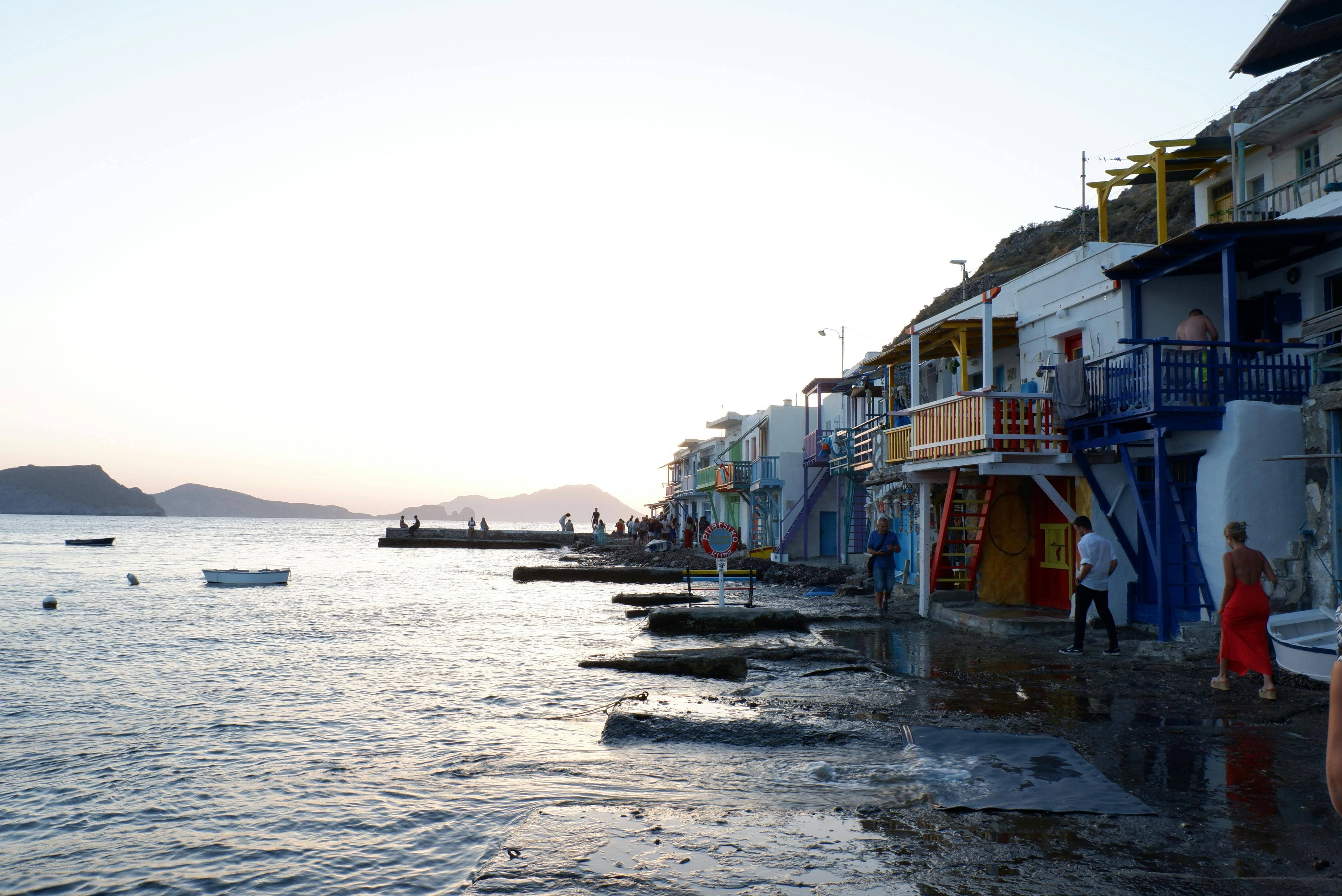
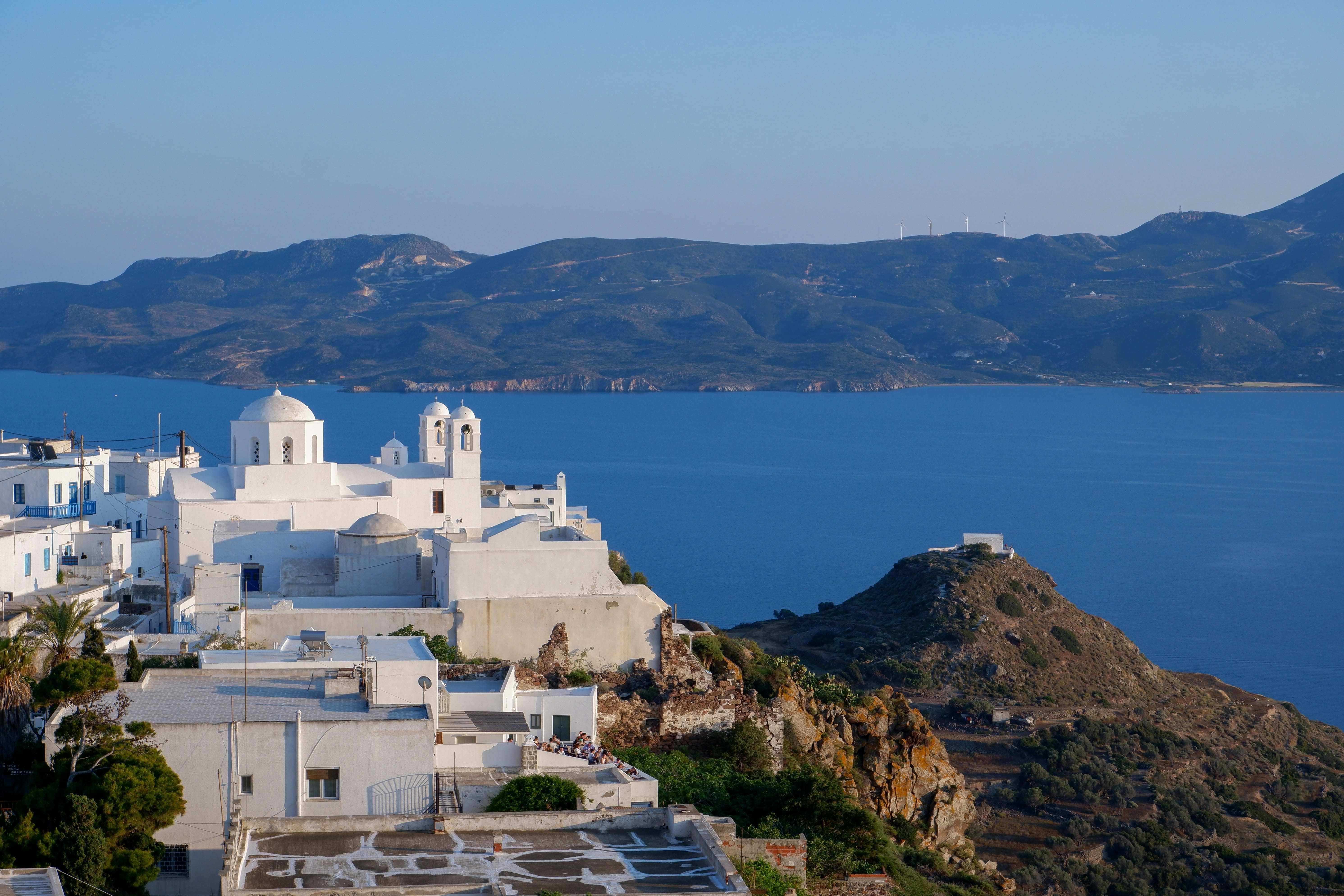
The traditional fishing harbors here are incredibly colorful. Villages like Klima and Mandrakia are lined with syrmata, which are old boat garages carved into the water-edge rock. These garages have brightly painted doors in every shade, with tiny apartments built right above them. You'll find excellent tavernas in Adamas and Plaka, hilltop views for sunset, and warm mineral springs along the coast.


 Area 01