Volcanic moonscapes, kaleidoscopic fishing villages, and over 80 beaches on the most geologically dazzling island in Greece
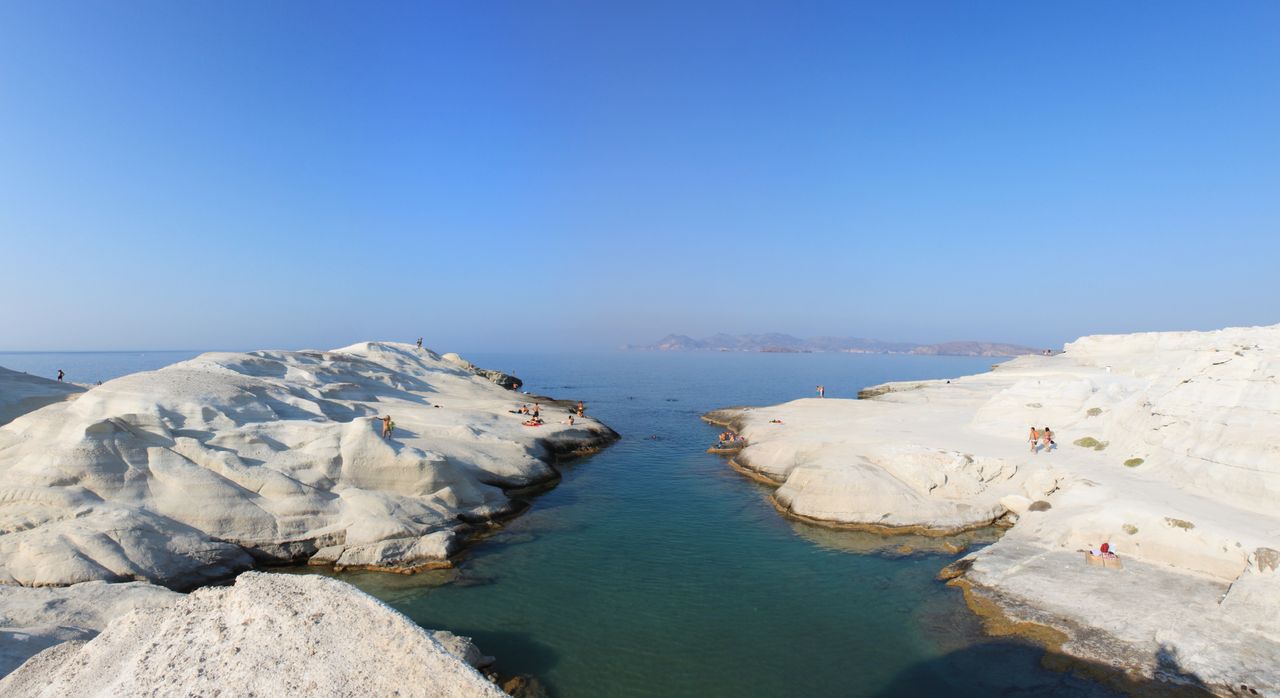
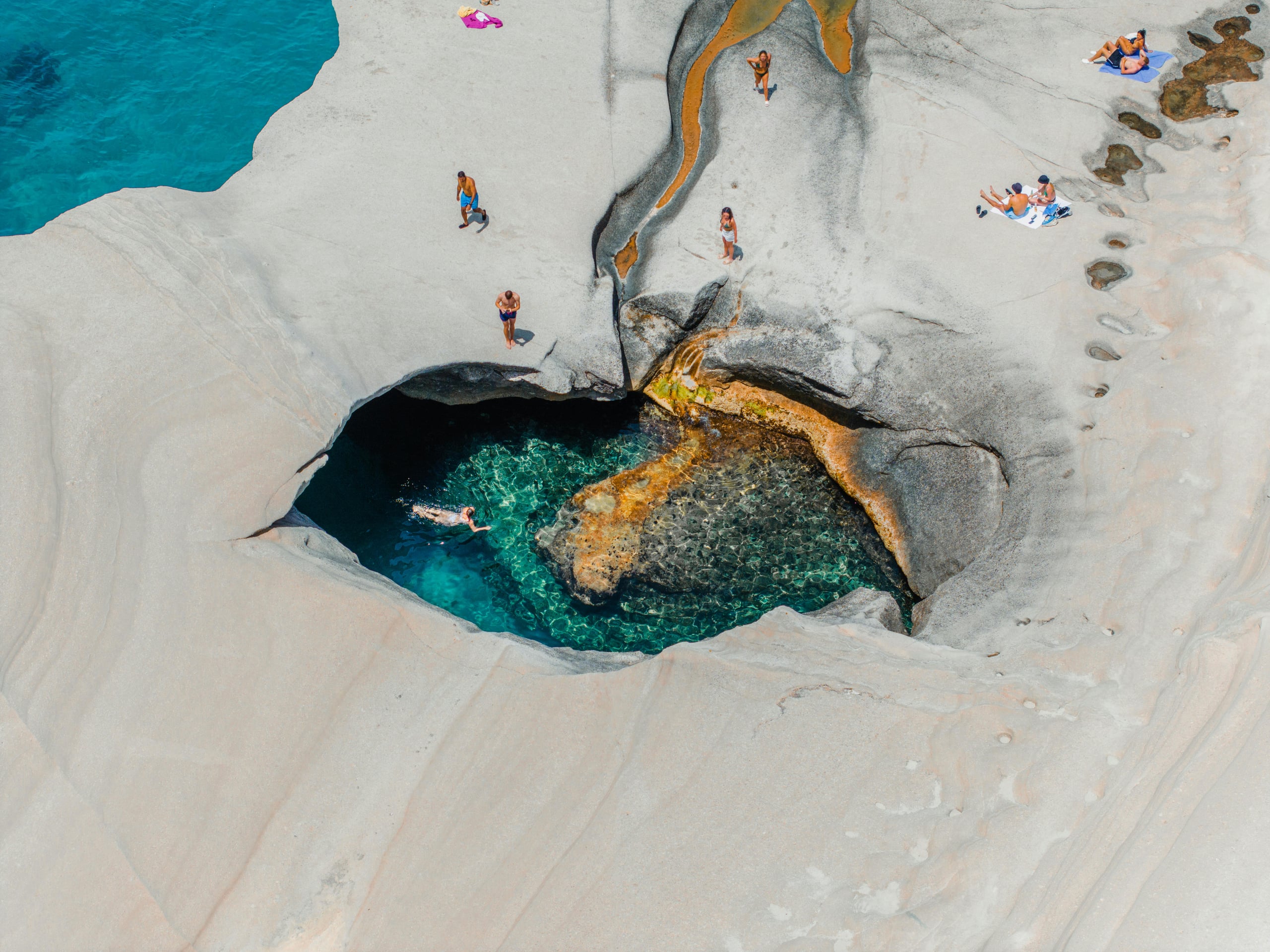
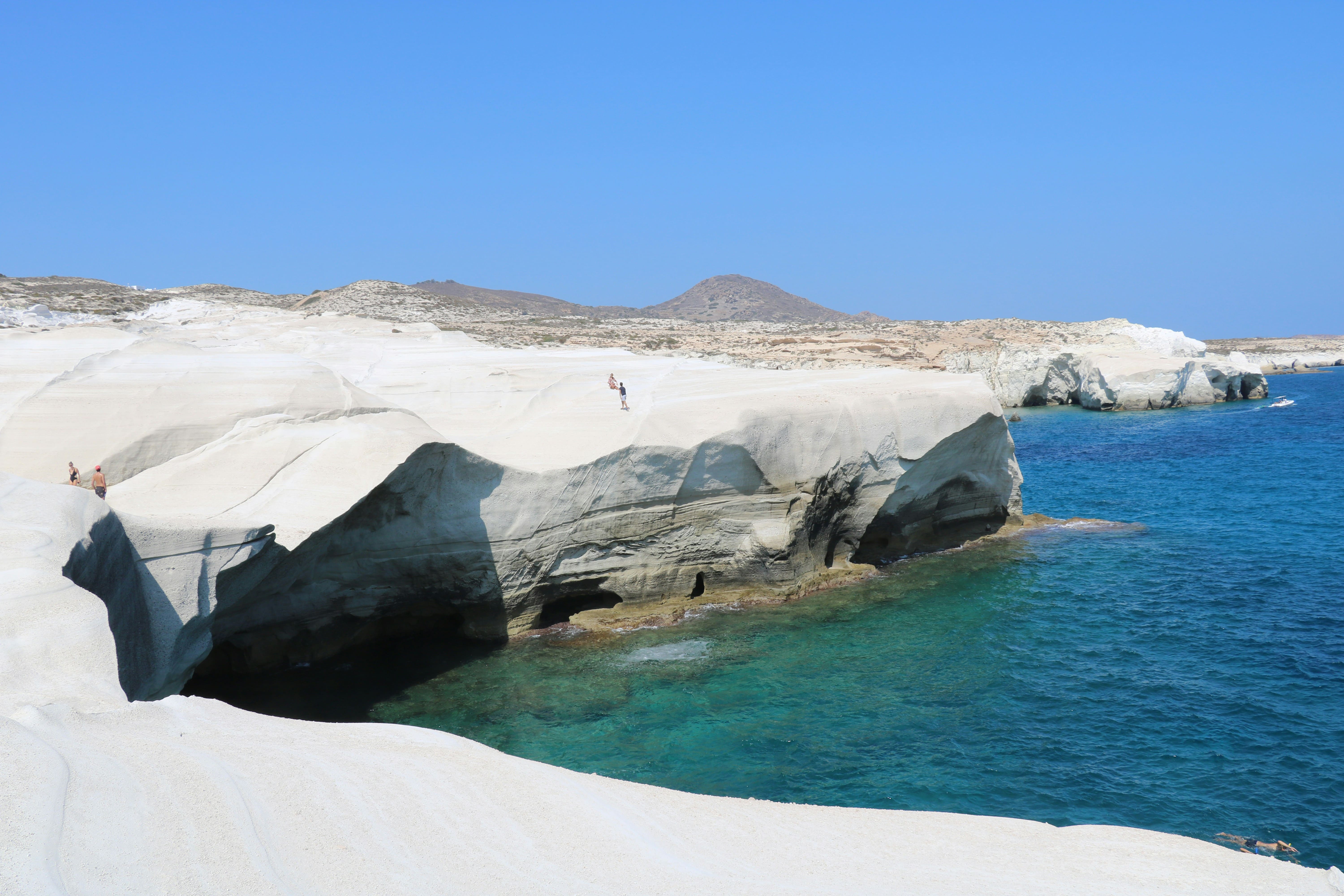
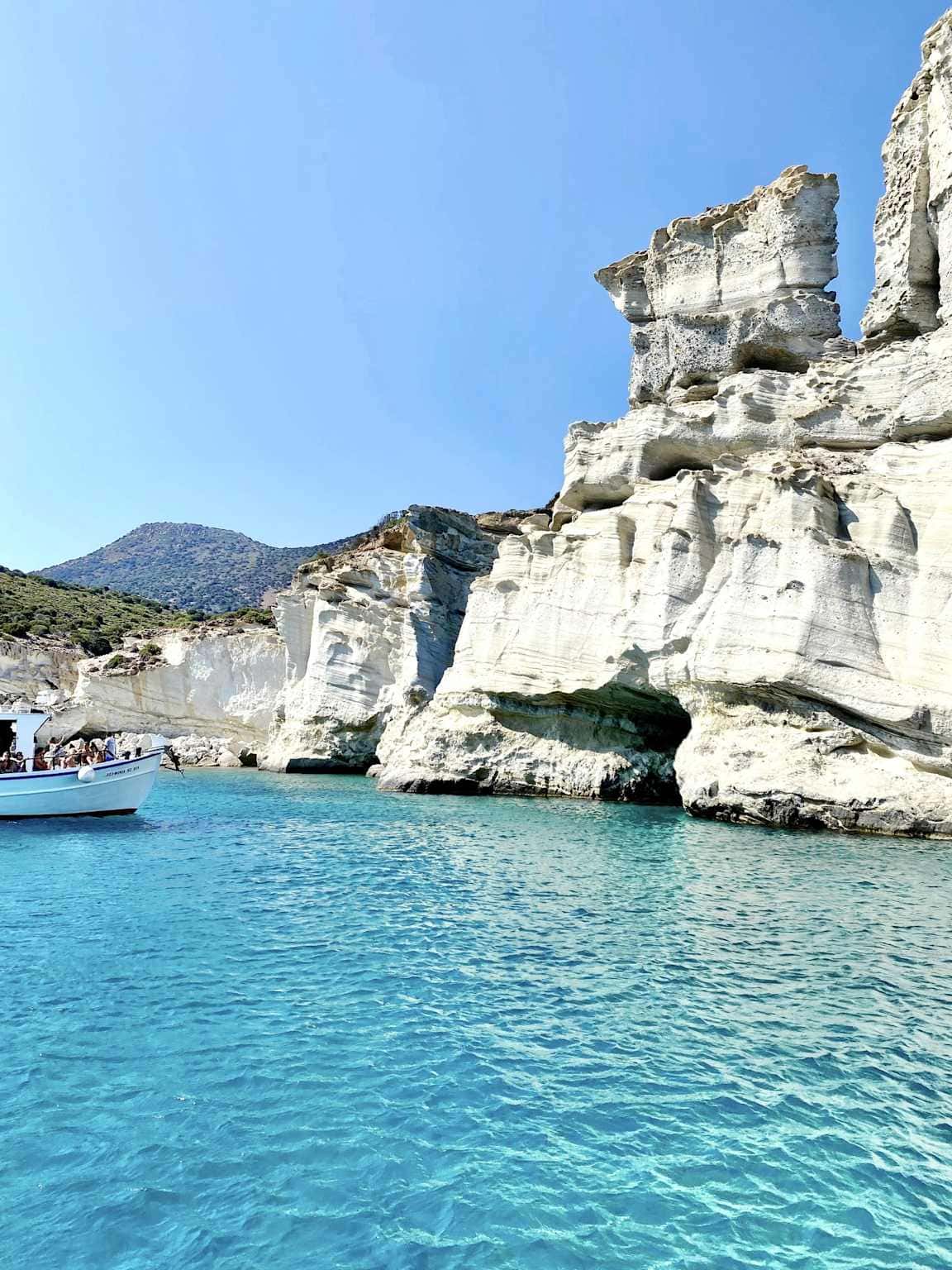
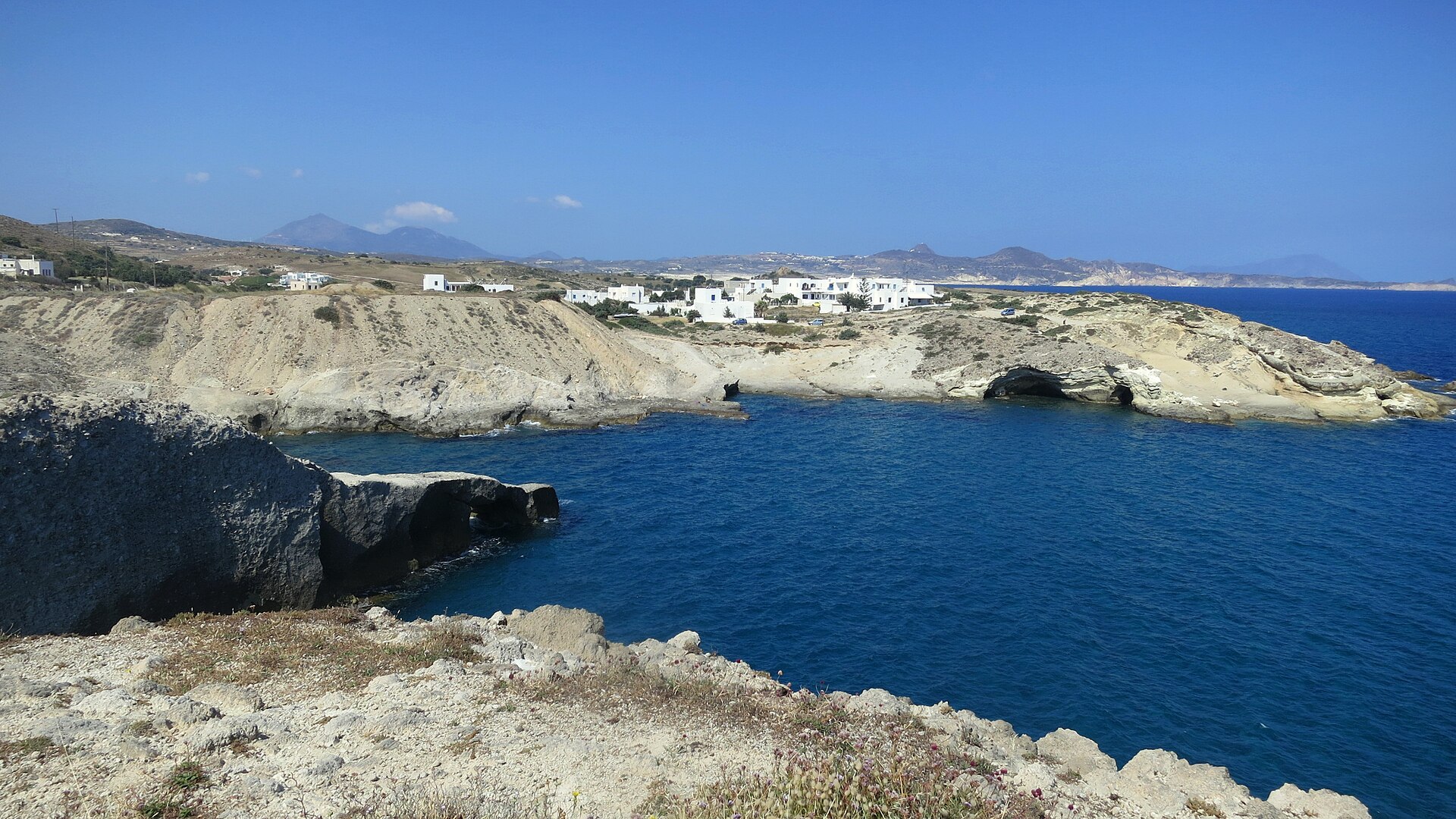
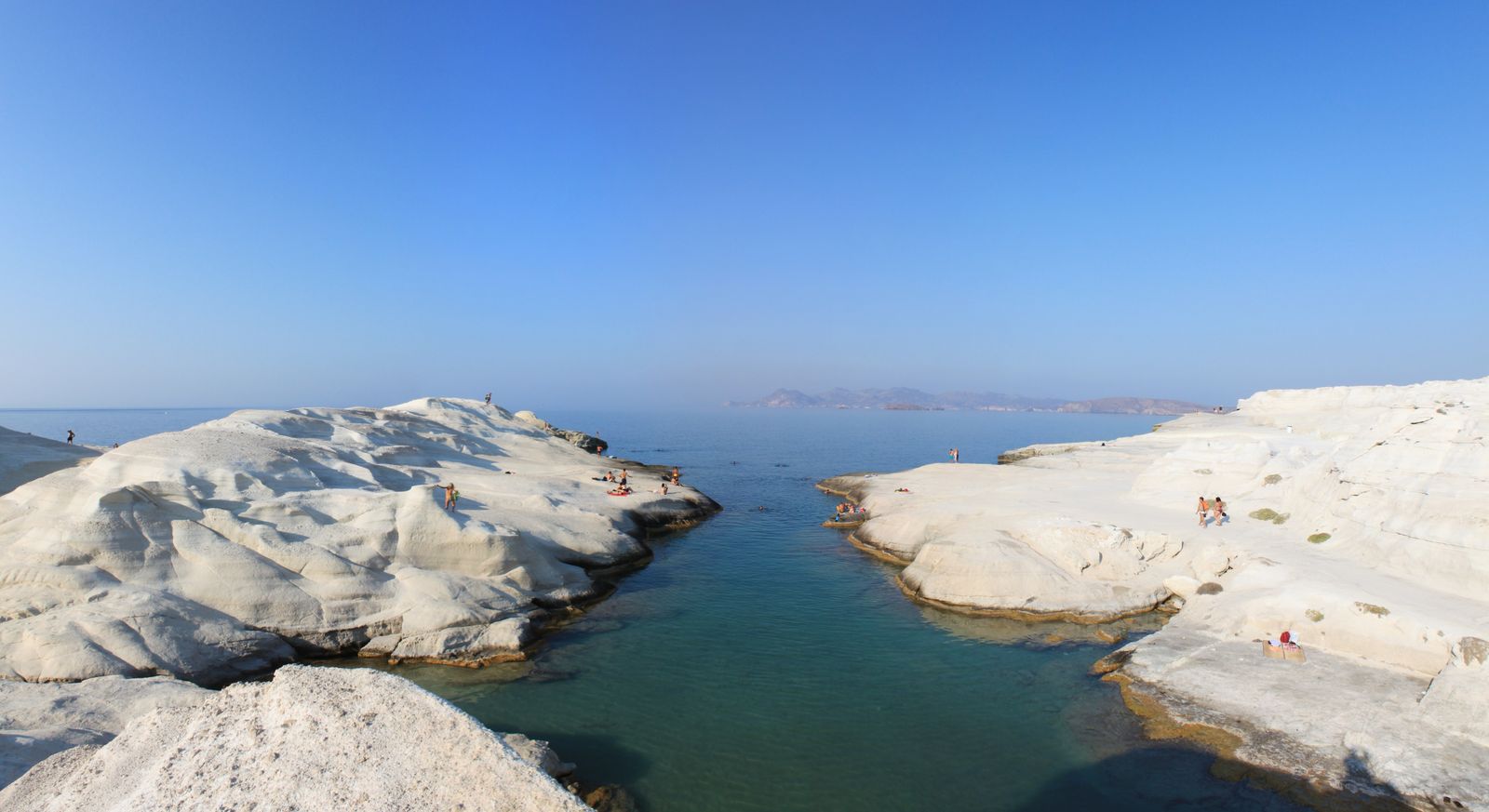
Milos is nature's gallery of geological extremes. Born from volcanic fire, this horseshoe-shaped island in the southwestern Cyclades boasts a coastline so varied and dramatic that each beach looks like it belongs on a different planet. The lunar white cliffs of Sarakiniko rise from turquoise shallows like a bleached moonscape, the sea caves of Kleftiko glow emerald green in the afternoon light, and the multi-colored rocks at Firiplaka shift from rust red to sulfur yellow to chalk white in a single sweep of the eye. With over 80 distinct beaches — more than any other Cycladic island — Milos is a place where you could spend a month and discover a new cove every day.
But Milos is more than geology. The island gave the world the Venus de Milo, the iconic armless statue of Aphrodite now housed in the Louvre, discovered by a farmer in 1820. Early Christian catacombs carved into the hillside above Klima are among the most important in Greece, and the ancient theater overlooking the sea hosted audiences 2,300 years ago. The volcanic soil supports a distinctive local cuisine, and the mineral wealth that has been mined since antiquity — obsidian, sulfur, bentonite, perlite — gives the landscape its extraordinary palette of colors.
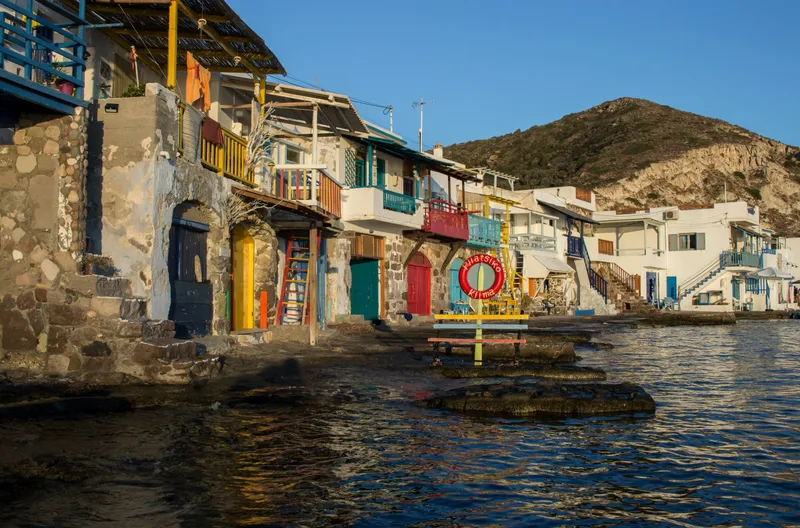
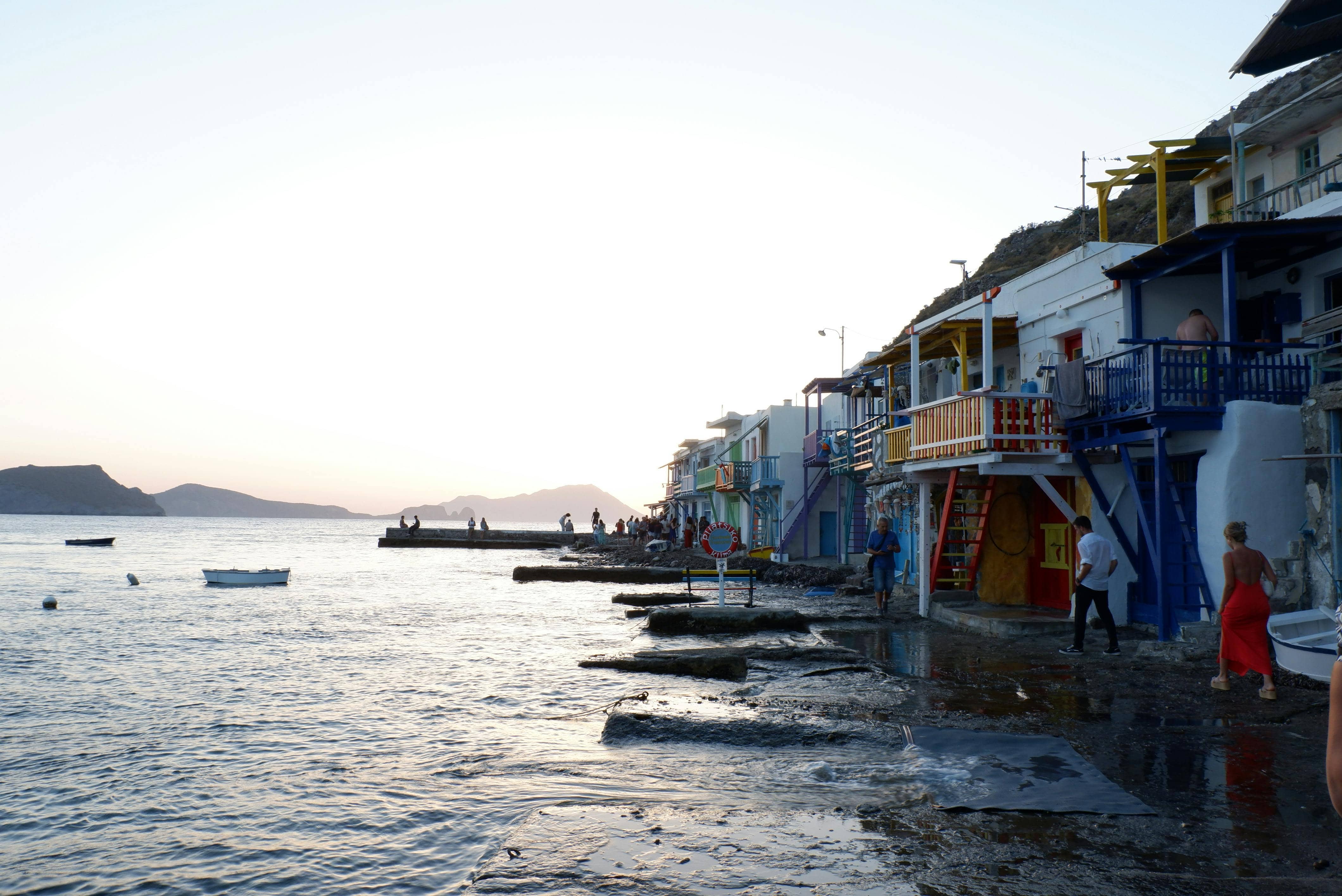
The fishing villages of Milos are as enchanting as its geology. Klima, Mandrakia, and Firopotamos are collections of colorful syrmata — traditional boat garages carved into the waterline rock, with brightly painted doors in every shade of the rainbow and living quarters above. These tiny settlements, strung along the shore like candy-colored building blocks, are among the most photographed scenes in the Greek islands. Add to this the excellent restaurants in Adamas and Plaka, the hilltop sunset views, and the warm mineral-rich waters at natural hot springs, and you have an island that rewards every type of traveler.
Milos paints with fire and water — every cliff a canvas, every cove a different shade of wonder.
Milos was one of the most important islands in the prehistoric Aegean thanks to its vast deposits of obsidian — the volcanic glass that served as the Stone Age's sharpest cutting material. Milos obsidian has been found across the eastern Mediterranean, proving the island was a major trading center as early as 8000 BC, making it one of the earliest "global" trade commodities.
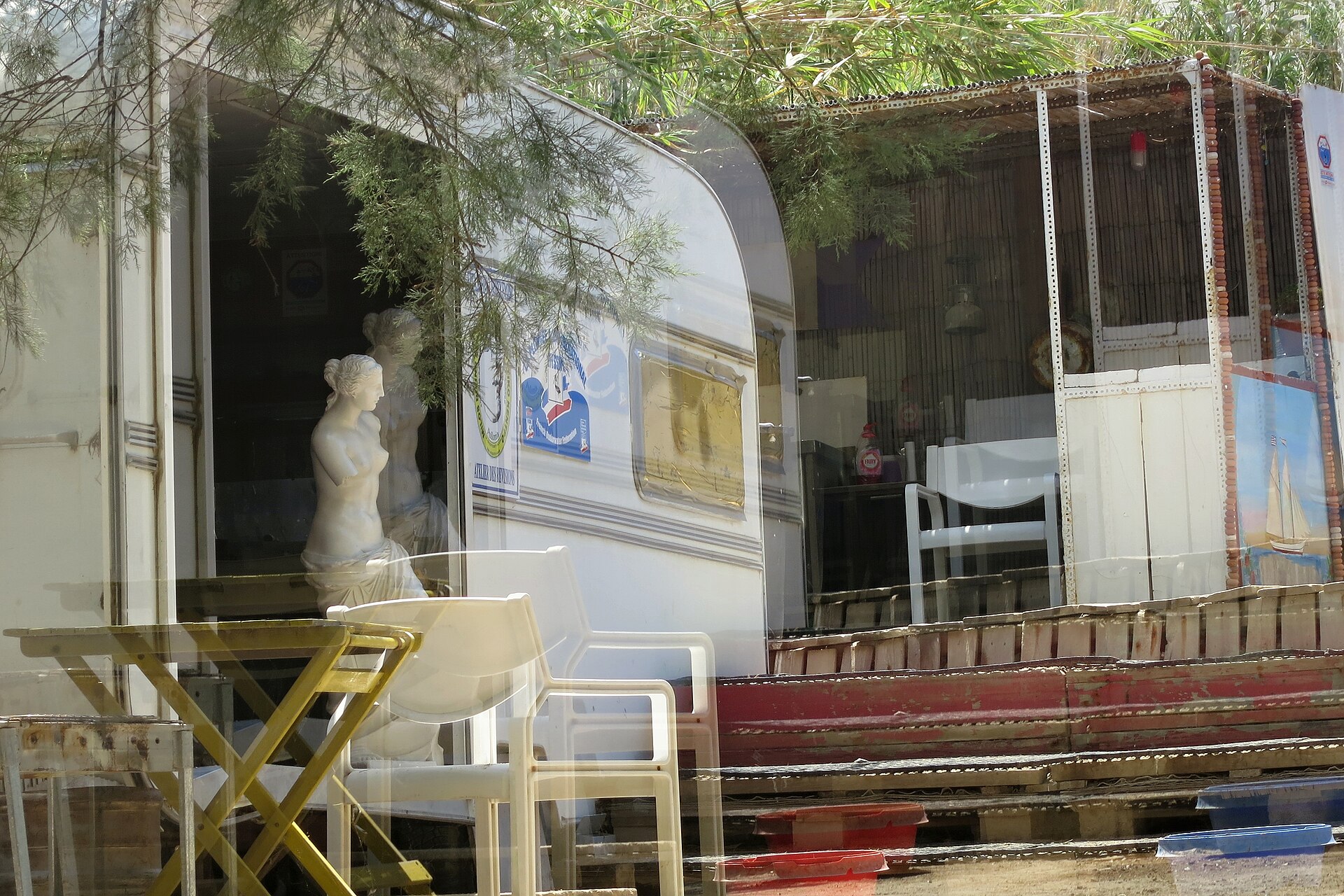
In 1820, a local farmer discovered a marble statue in a field near the ancient theater above Klima. The statue, depicting Aphrodite (Venus), was acquired by France and became the Louvre's most celebrated antiquity. A replica stands in Plaka, but the original's mysterious missing arms have fueled debate and fascination for over 200 years.
The Catacombs of Milos, carved into the soft volcanic rock near Klima around the 1st-3rd centuries AD, are one of the most significant early Christian monuments in Greece and among only three such sites in the world (alongside Rome and the Holy Land). Over 2,000 Christians were buried here in an underground network of corridors and burial niches.
Milos has been mined for its mineral wealth for thousands of years — obsidian, sulfur, kaolin, bentonite, and perlite. Mining continues today and is actually the island's largest industry alongside tourism. The mineral extraction has created otherworldly landscapes of colored cliffs and exposed geological strata that define the island's unique visual character.
Explore the heart of Milos

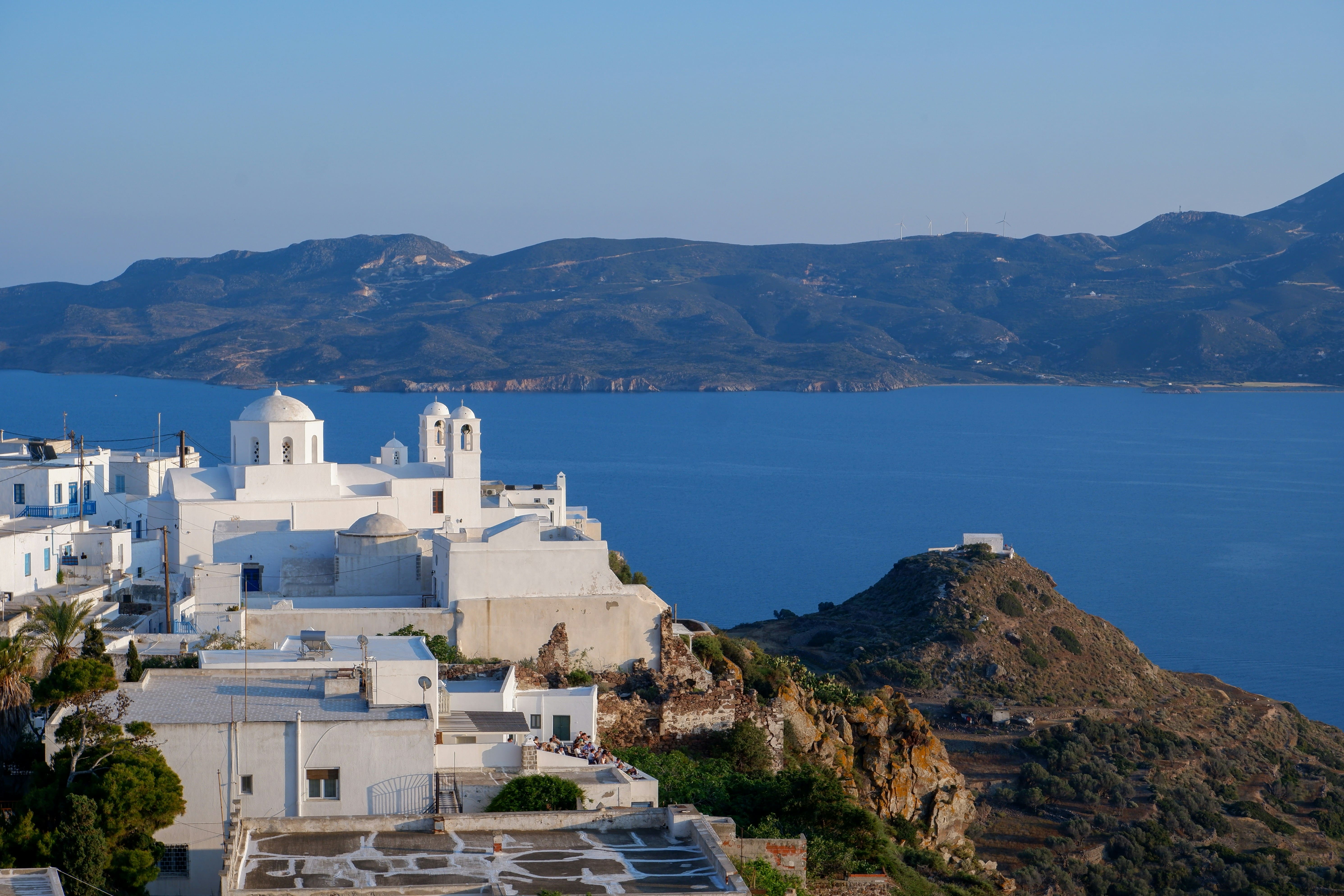
The tiny capital of Milos sits atop a hill above Adamas, a maze of whitewashed lanes, blue-shuttered houses, and flower-draped archways that feels like the quintessential Cycladic village. At the summit, the ruins of a Venetian castle offer one of the finest sunset panoramas in the Aegean — a 360-degree sweep from the caldera to the open sea. Small museums, traditional tavernas, and artisan shops complete the picture.
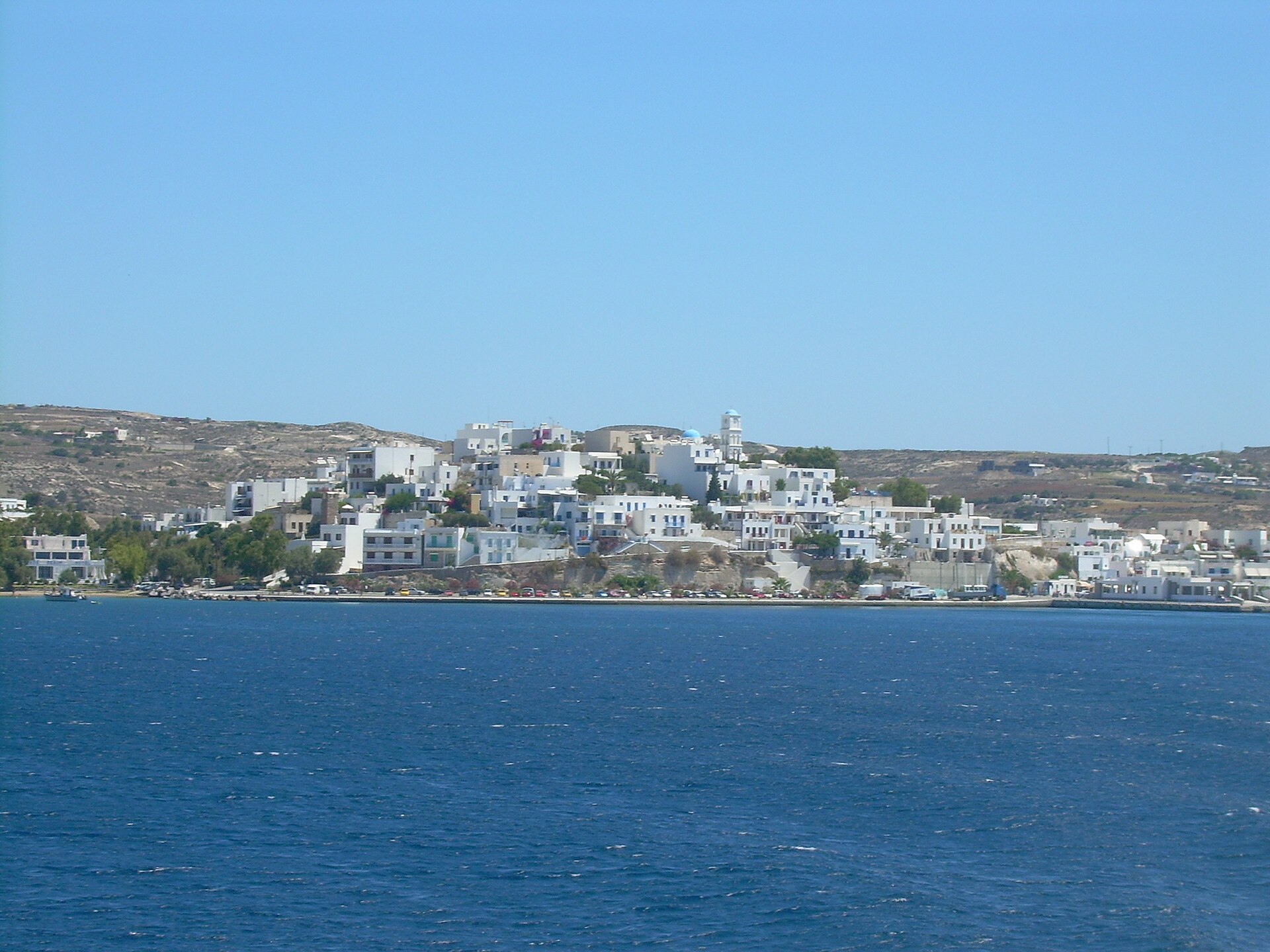
The main port and commercial center of Milos, Adamas wraps around a deep natural harbor formed by the island's volcanic caldera. The waterfront promenade buzzes with restaurants, cafés, bars, and travel agencies, and the town has the best selection of shops and services. The Mining Museum and Ecclesiastical Museum are worth visiting, and the harbor is the departure point for boat trips to Kleftiko and around the island.

A tiny fishing settlement along the northeast coast, Klima is famous for its syrmata — traditional boathouses carved into the rock at sea level with brightly painted doors in every color of the rainbow. The village stretches along the waterfront in a single photogenic row, backed by the hillside where the ancient city once stood and the Venus de Milo was found.
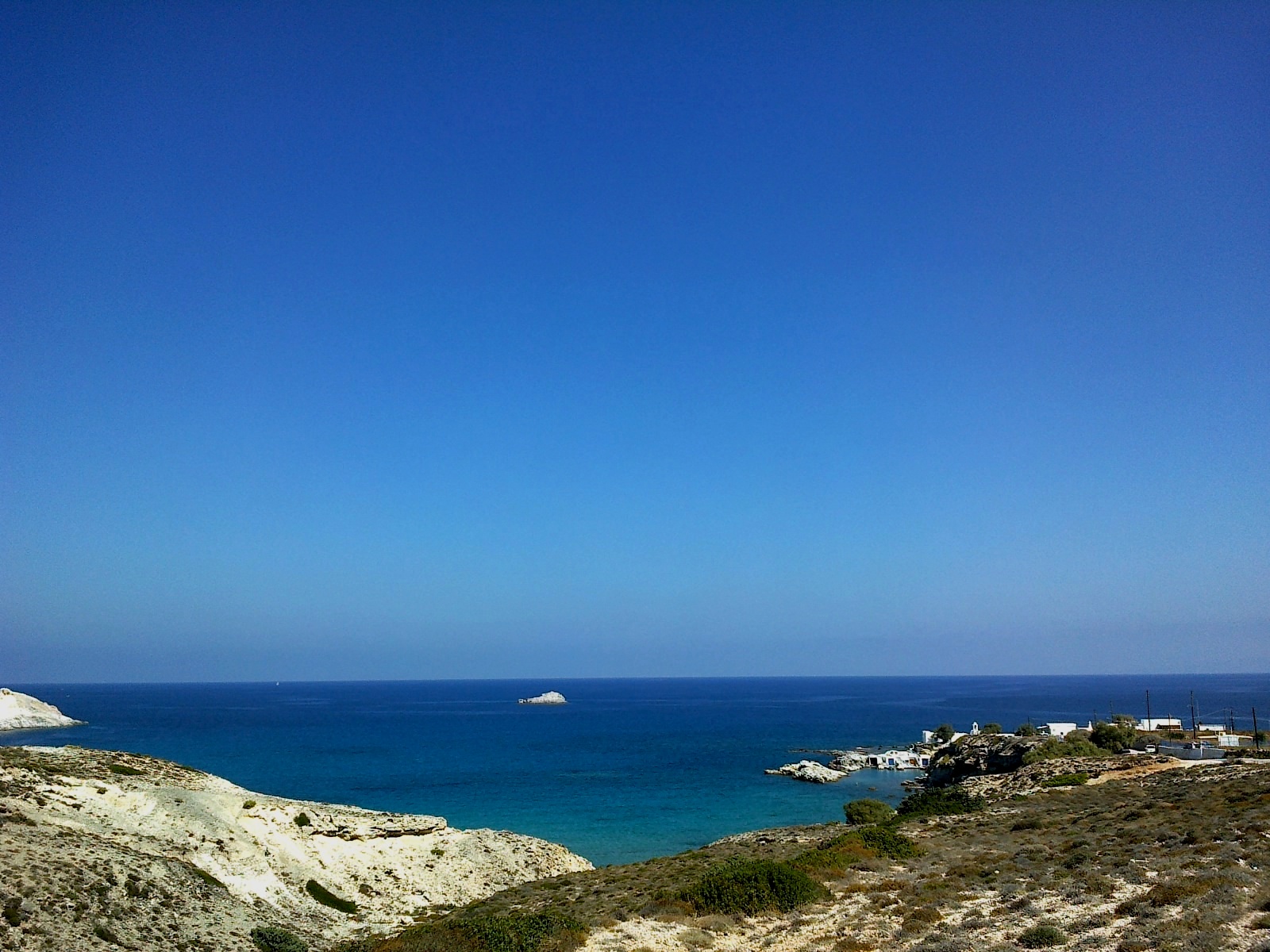
One of the smallest and most charming fishing hamlets on Milos, Mandrakia is a handful of syrmata houses wrapped around a miniature harbor with a white chapel perched on the rocks. The village has a single excellent taverna and swimming in the crystal-clear harbor makes you feel like you've discovered somewhere genuinely secret.
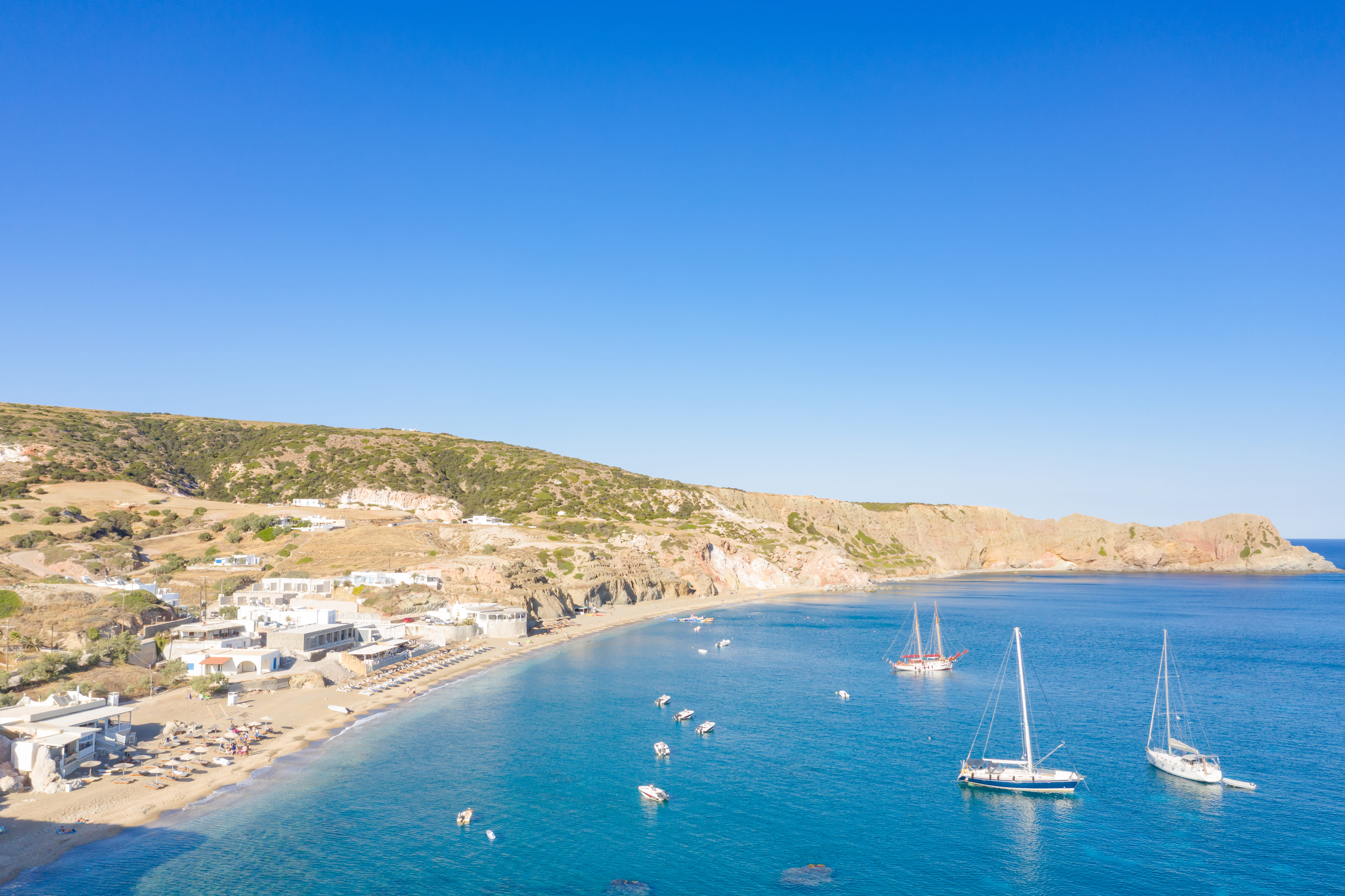
A growing resort village on the northeast tip of Milos, Pollonia combines a small sandy beach with excellent seafood tavernas and a working fishing harbor. It's the departure point for ferries to Kimolos and has a more relaxed, family-oriented atmosphere than Adamas, with views across to the neighboring island.
The best shores of Milos

Wind-and-wave-sculpted white volcanic rock formations rising from turquoise water — a surreal, moon-like landscape that is one of the most photographed beaches in Greece

A legendary complex of sea caves, arches, and towering white rock pillars on the southwest coast — accessible only by boat, this former pirate hideout is Milos's crown jewel

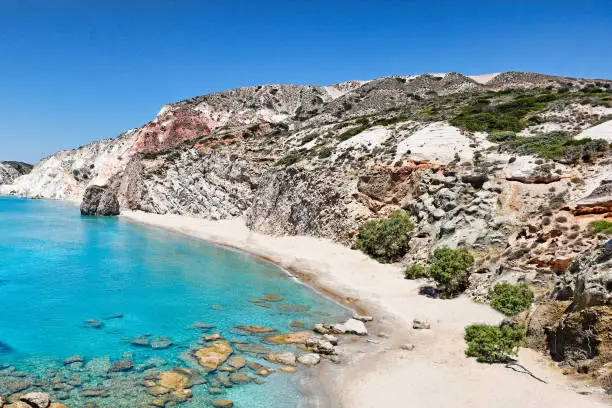
A beautiful sandy beach backed by spectacular multi-colored volcanic cliffs in bands of white, red, orange, and grey — the geology is as stunning as the swimming
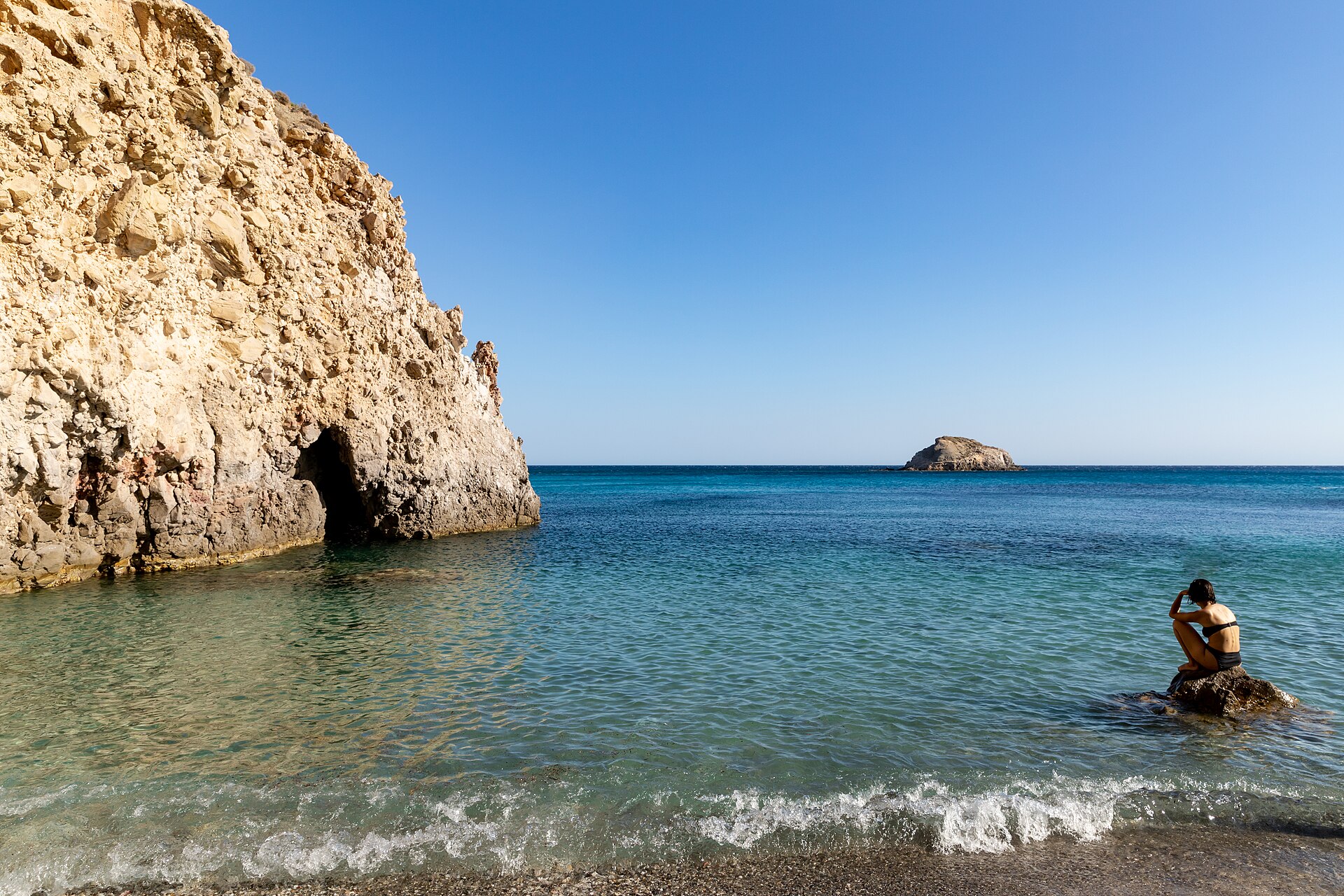
A tiny turquoise cove accessed by climbing down a near-vertical ladder through a narrow gap in the cliffs — the effort rewards you with water so clear the sandy bottom glows

A colorful beach where volcanic activity heats the sand and sea — you can literally feel warm spots on the beach, and a taverna here cooks food buried in the hot volcanic sand
A narrow sea cave inlet carved between towering cliffs, forming a natural swimming pool of glowing turquoise water accessible by a steep path
Volcanic soil, mineral-rich waters, and centuries of fishing tradition create a distinctive island cuisine with surprises at every meal
Delicate fried pastry parcels filled with xinomizithra cheese and fresh mint — a beloved Miloan specialty found at every taverna and bakery
At Paleochori beach, a taverna cooks lamb, pork, and vegetables buried in the volcanically heated sand — a unique geothermal cooking method found nowhere else in Greece
A traditional Milos dessert pie filled with watermelon, mizithra cheese, and cinnamon — a surprising sweet-savory combination unique to the island
Tenderized and chargrilled over coals at waterfront tavernas — paired with ouzo, it's the quintessential Milos appetizer, best enjoyed in Pollonia or Adamas
A tangy, crumbly white cheese made from goat's and sheep's milk — used in pitarakia, salads, and as a simple meze with olive oil and oregano
Wild sea fennel (kritamo) foraged from the volcanic cliffs, pickled in vinegar and served as a tangy, crunchy accompaniment to grilled fish
From sunrise to sunset in Milos
Arrive at Sarakiniko before the crowds to experience the lunar rock formations in the magical golden light of sunrise. The white volcanic cliffs glow amber, the sea is glass-calm, and you can swim in the turquoise cove in total solitude.
1.5 hoursBoard a sailing boat or catamaran for the essential Milos experience — a full circumnavigation of the island's dramatic coastline, with stops at Kleftiko's pirate caves, Tsigrado, Gerakas, and secluded bays only accessible by sea. Lunch and snorkeling gear included on most trips.
7-8 hoursExplore the early Christian catacombs, one of only three such sites in the world, where over 2,000 people were buried in rock-carved chambers. Then walk up to the ancient theater above Klima for sweeping views across the bay.
2 hoursPaddle along the volcanic north coast by sea kayak, gliding past Sarakiniko, Papafragas, and Firopotamos. The perspective from the water reveals sea caves, arches, and rock formations invisible from land, and you can swim into hidden coves between paddle strokes.
4 hoursSpend the late morning snorkeling along the multi-colored volcanic cliffs of Firiplaka. The underwater world is as colorful as the cliffs above — look for octopus, sea bream, and sponges among the volcanic rock formations.
3 hoursHead to Mandrakia or Pollonia for a slow taverna lunch at the water's edge. Fresh-caught fish grilled simply with olive oil and lemon, pitarakia cheese pies, and a cold Mythos beer — Milos dining at its most authentic.
2 hoursClimb to the ruins of the Venetian castle at the summit of Plaka for arguably the finest sunset in the Cyclades. The 360-degree view encompasses the caldera, Kimolos, Sifnos, and the volcanic coastline, all bathed in molten gold as the sun disappears.
1 hourAfter sunset, wander down through Plaka's quiet, lantern-lit lanes. Stop for wine and meze at a tiny plateia bar, explore the folk museum, and enjoy the peaceful atmosphere of this hilltop capital after the day-trippers have left.
2 hoursFind the perfect time for your Milos trip
Ferry routes and travel connections
Curated tours and activities
Sail to the legendary Kleftiko sea caves and around the south coast, with swimming, snorkeling, BBQ lunch on board, and multiple hidden beach stops.
Guided kayak tour past Sarakiniko, Papafragas, and Firopotamos with swimming stops in sea caves and hidden coves.
Guided tour of the island's volcanic geology — visit obsidian flows, sulfur mines, colored cliffs, and understand 3 million years of volcanic history.
Insider tips for your Milos trip
Everything you need to know about Milos
Our AI travel assistant knows everything about Milos

From the lunar cliffs of Sarakiniko to the emerald caves of Kleftiko, from rainbow fishing villages to geothermal beaches — Milos is the Cyclades' most extraordinary natural wonder.