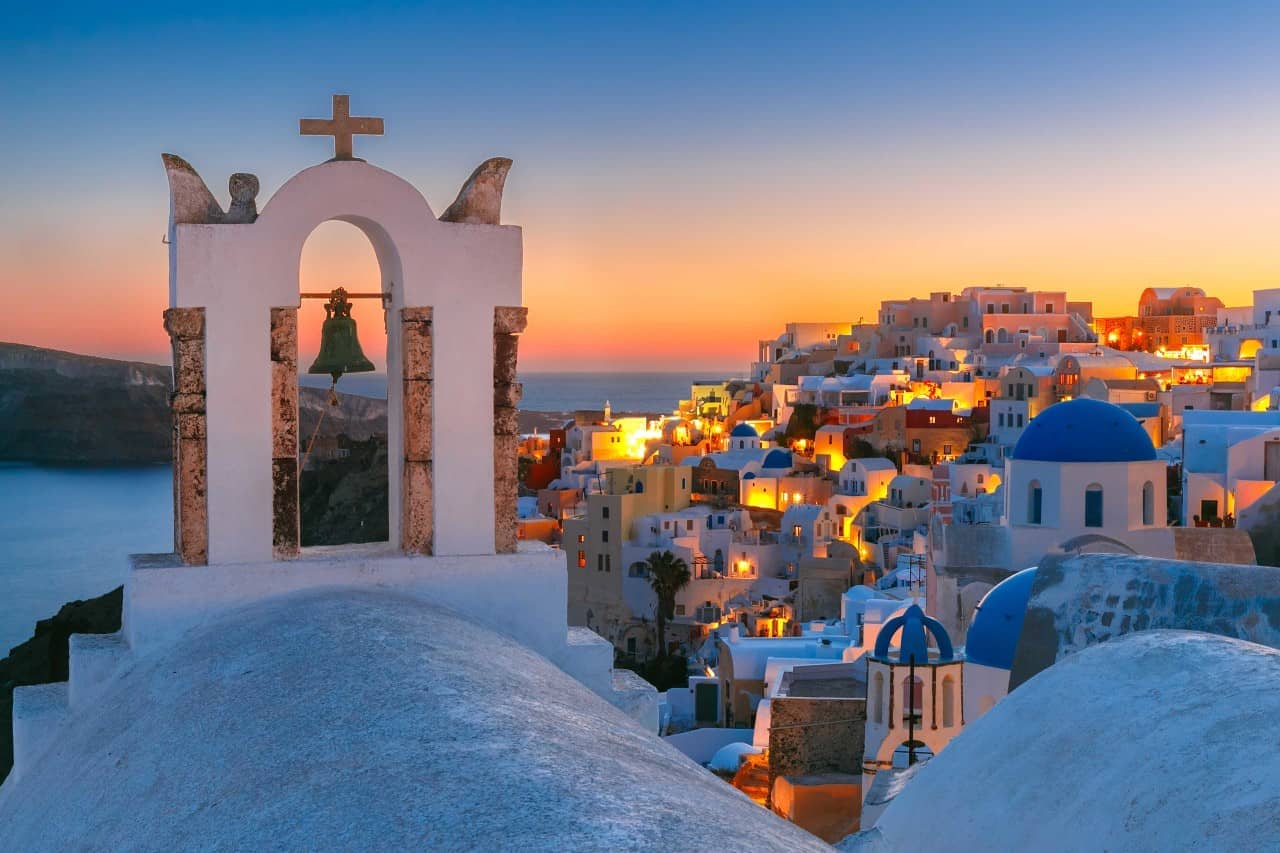
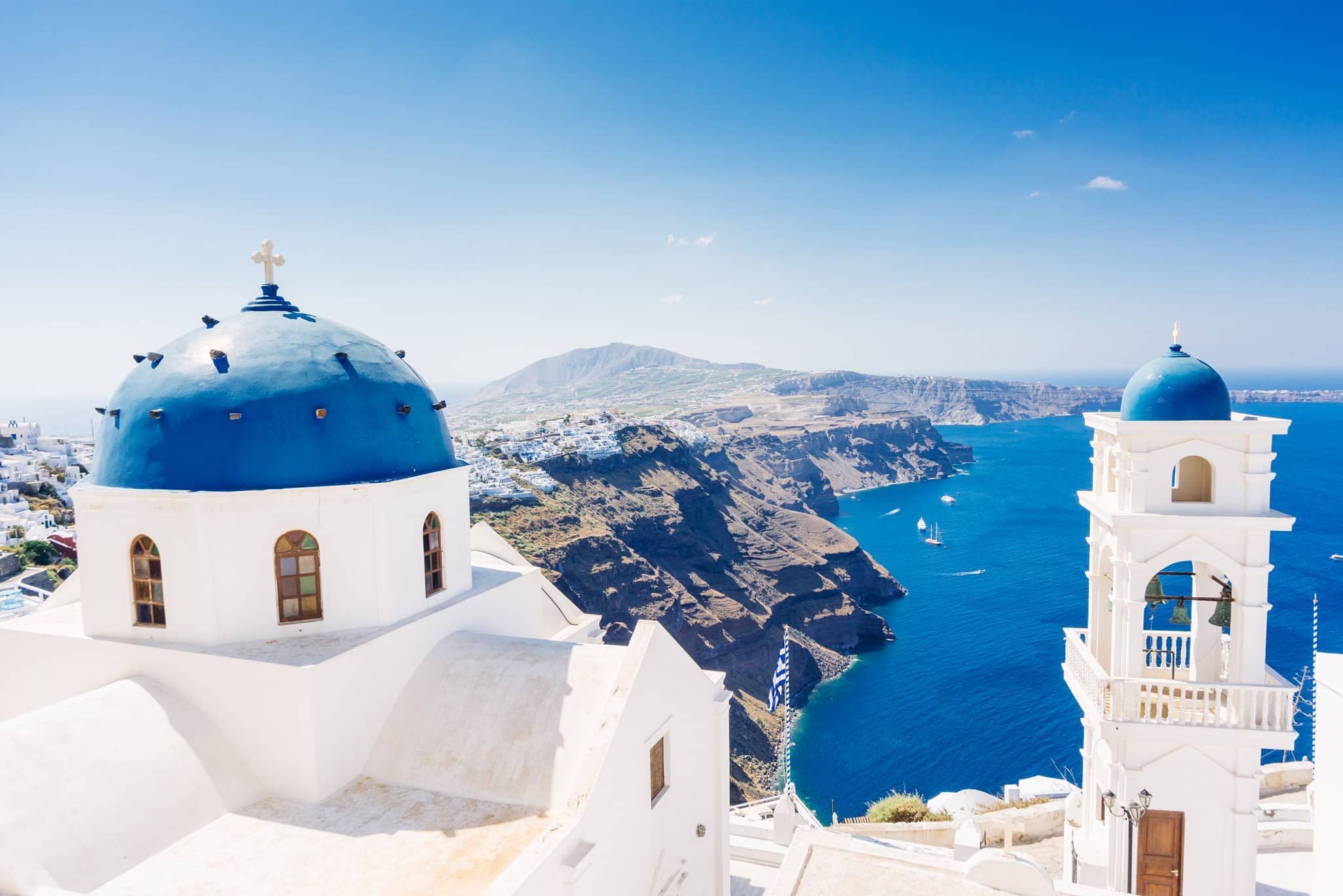
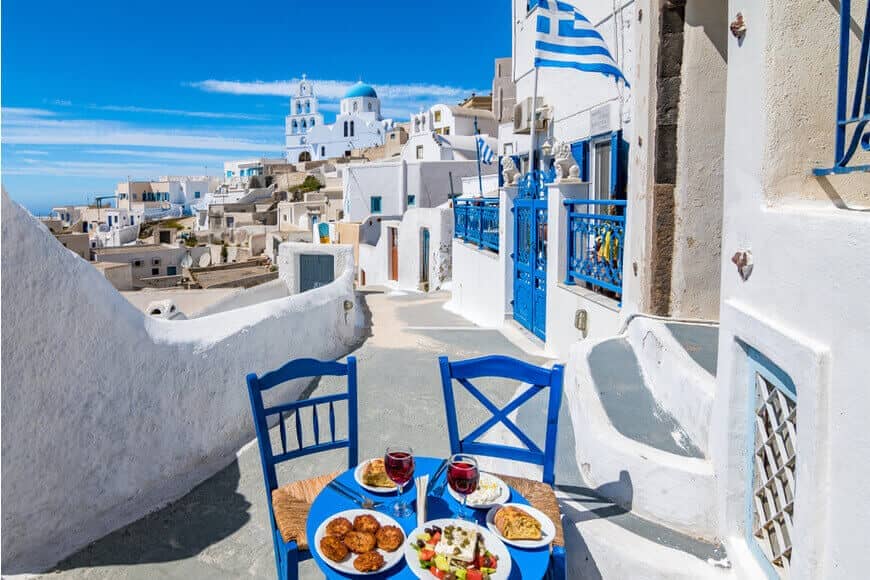
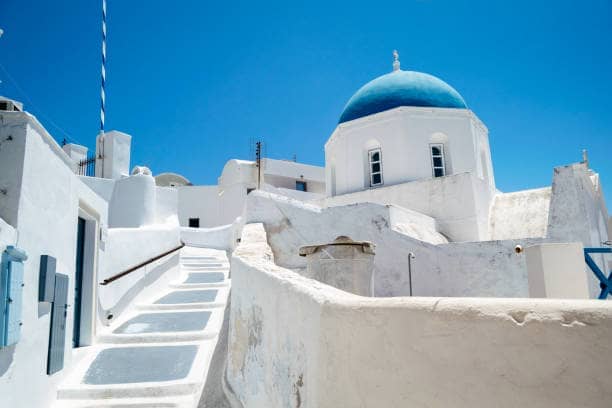
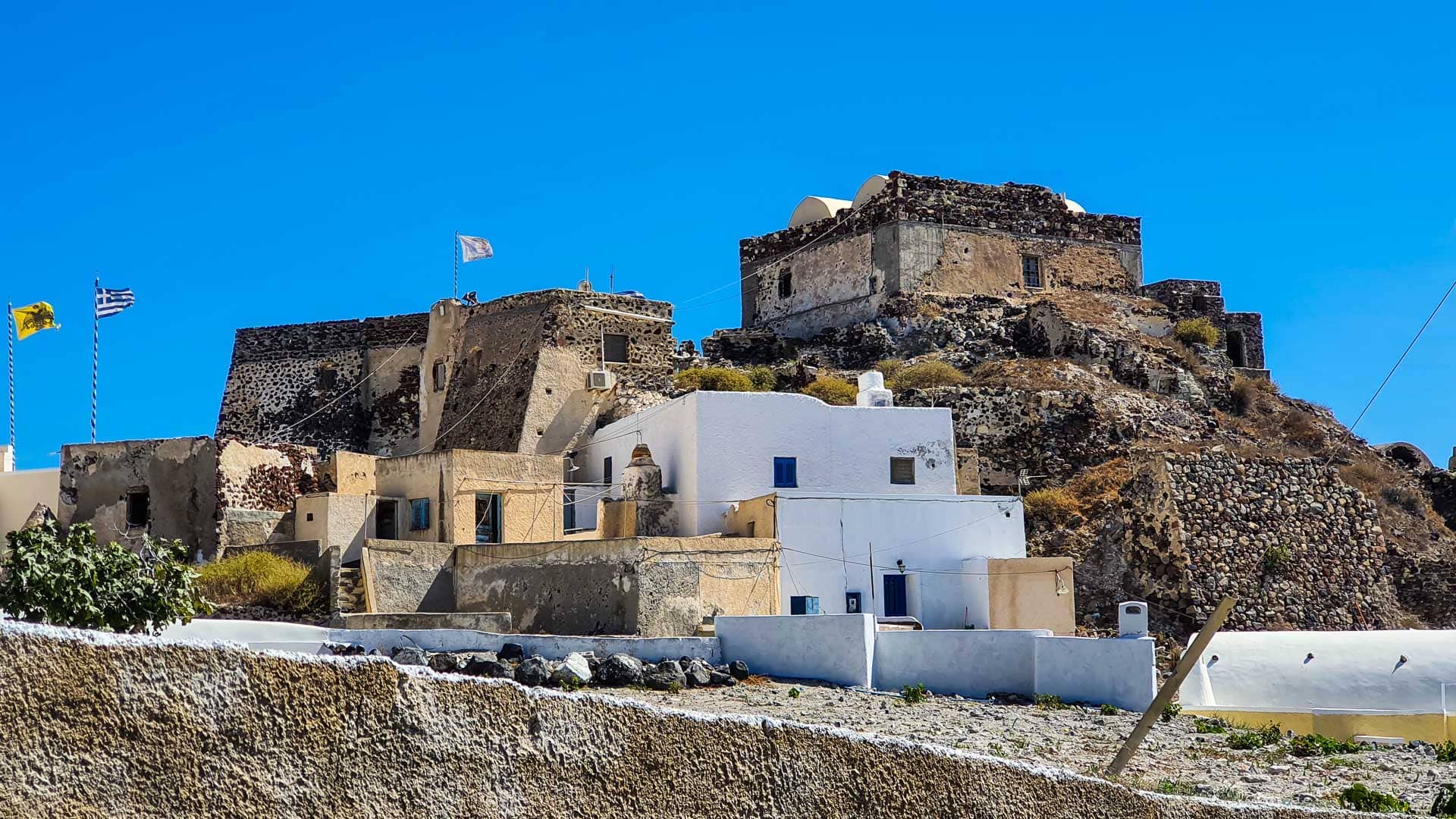
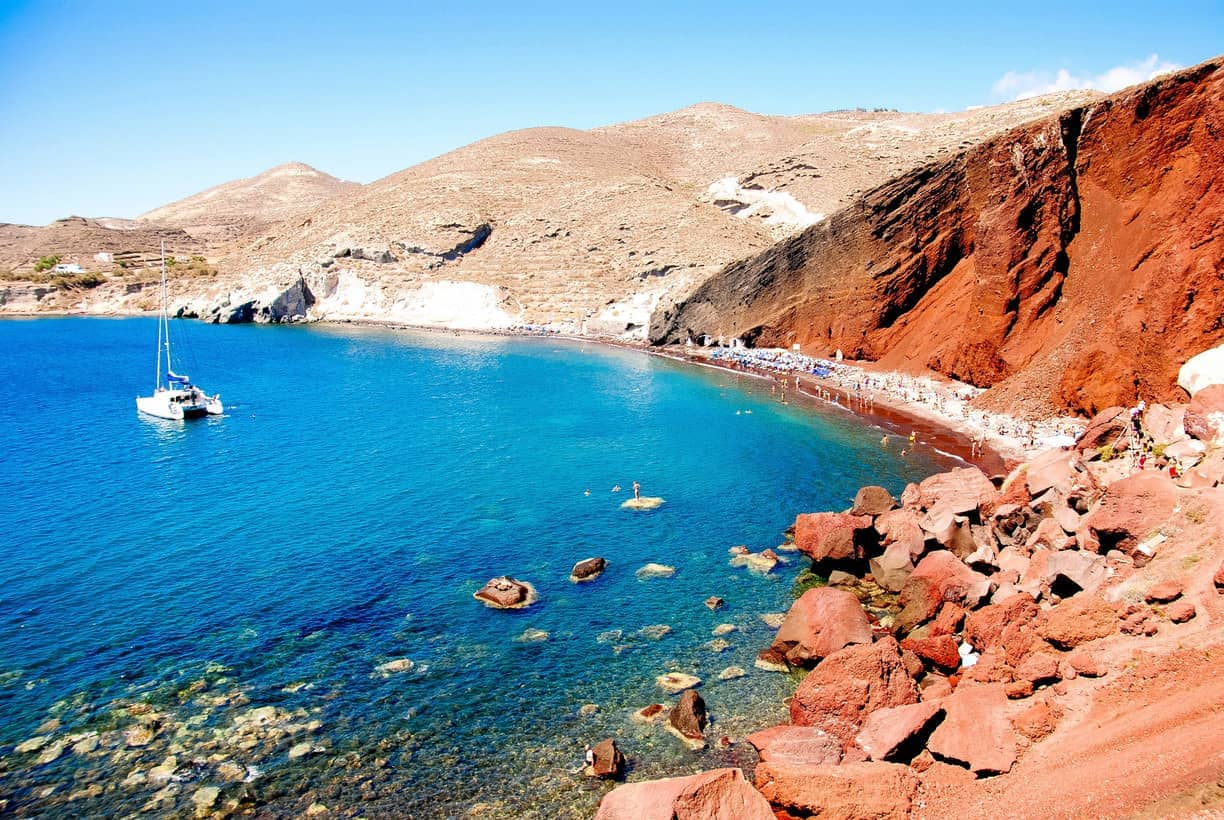
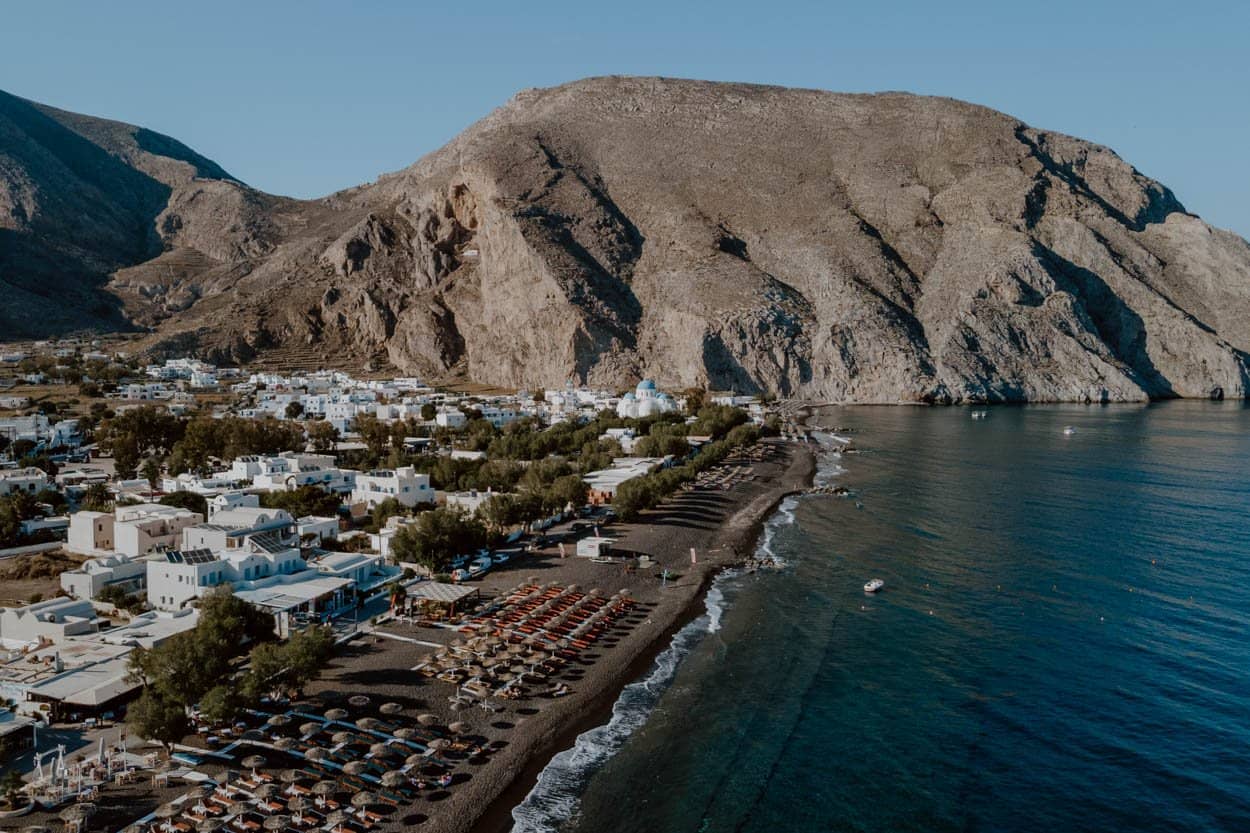
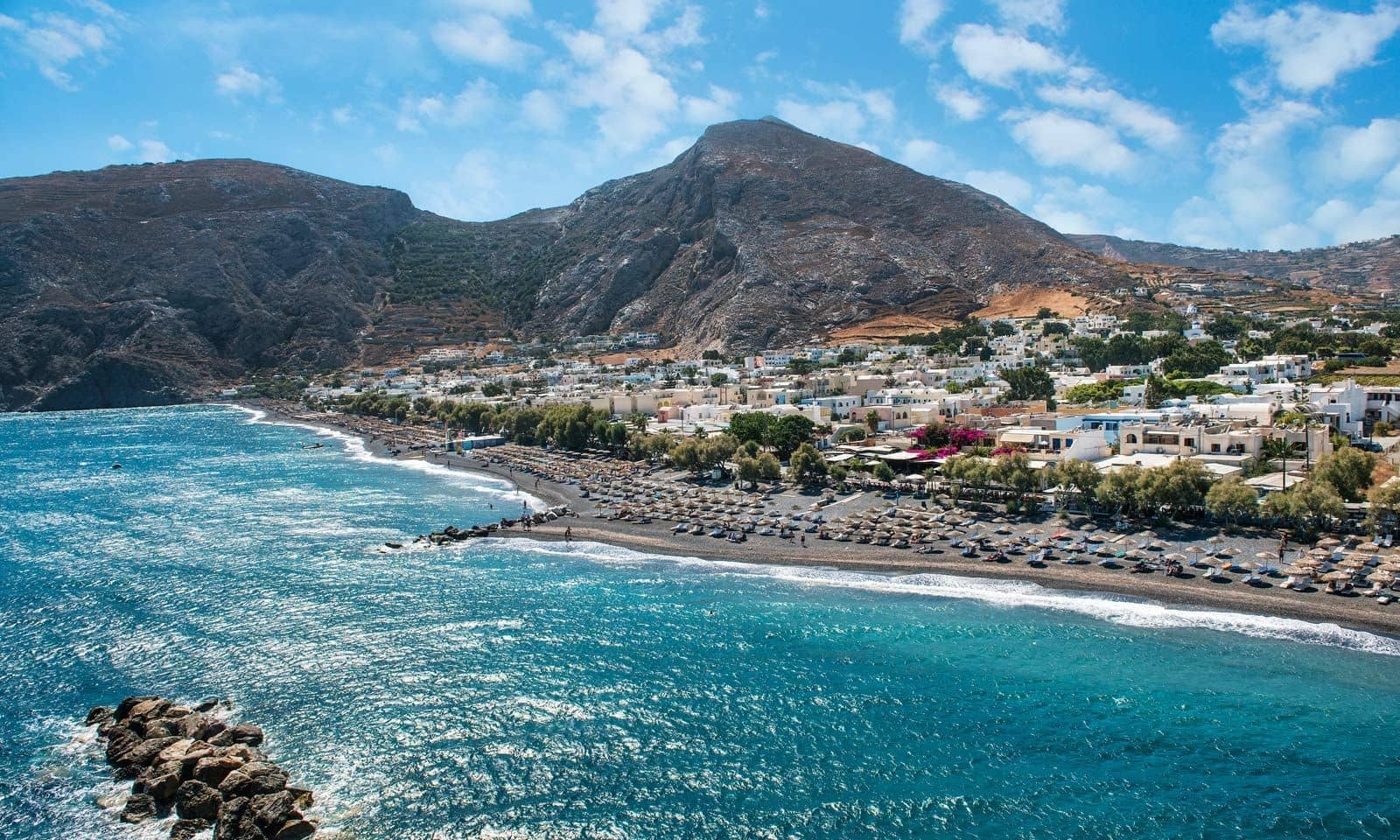
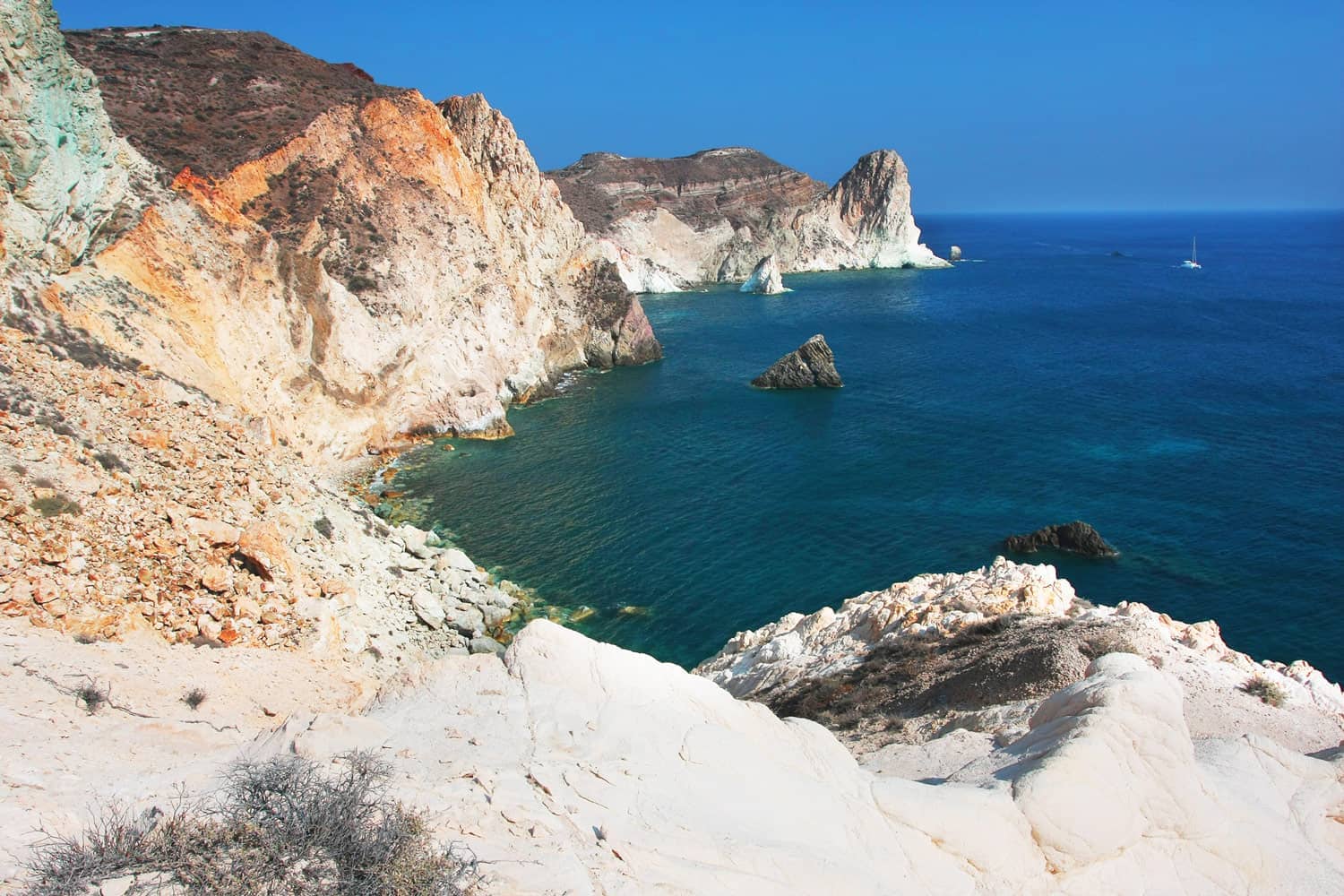
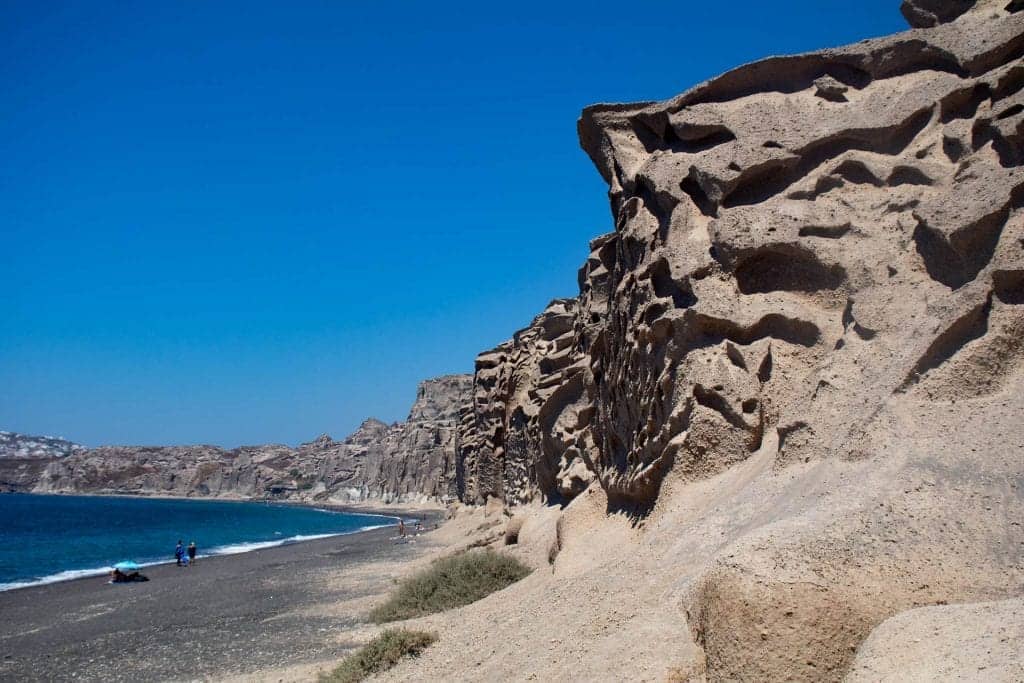
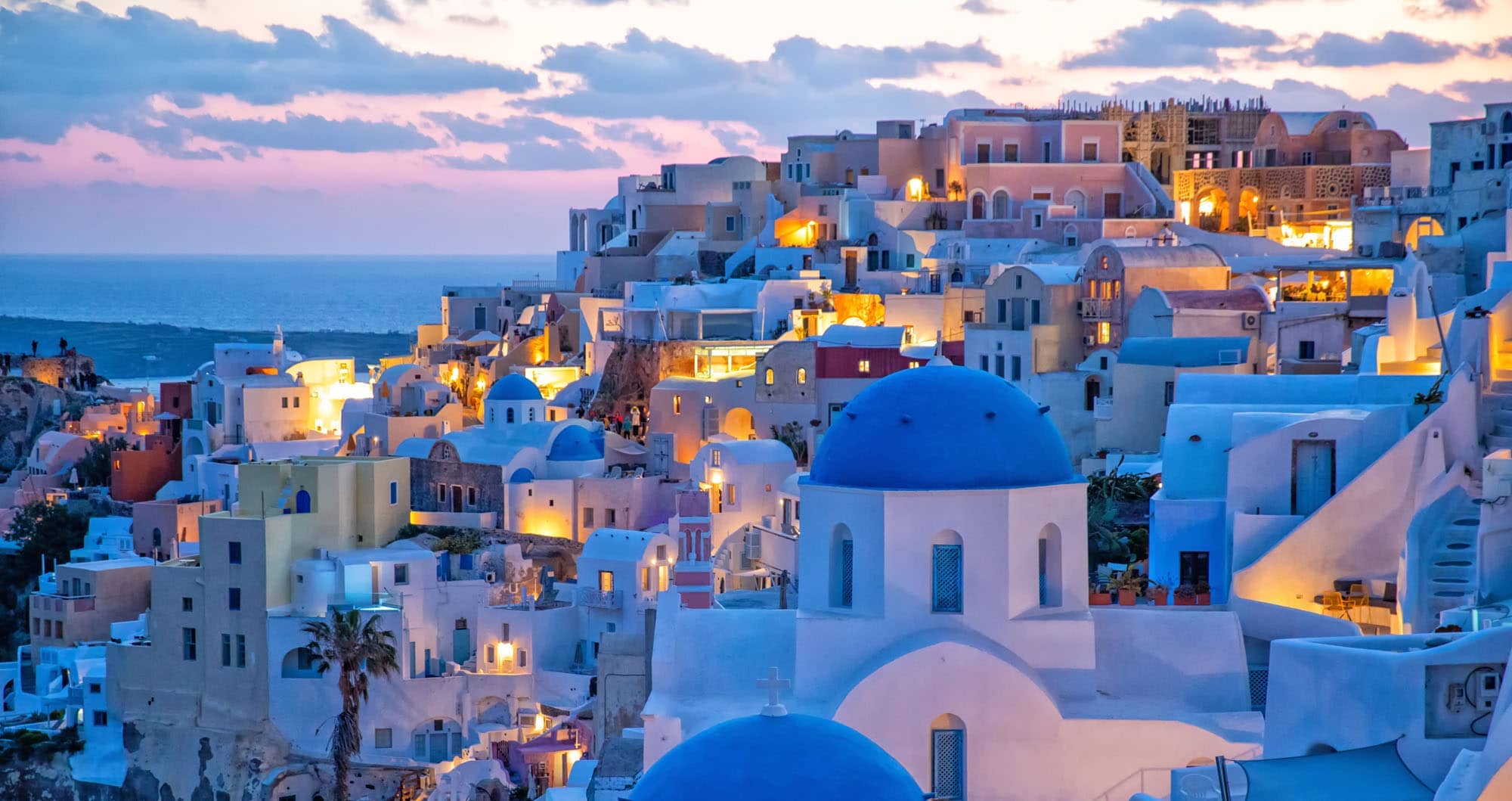
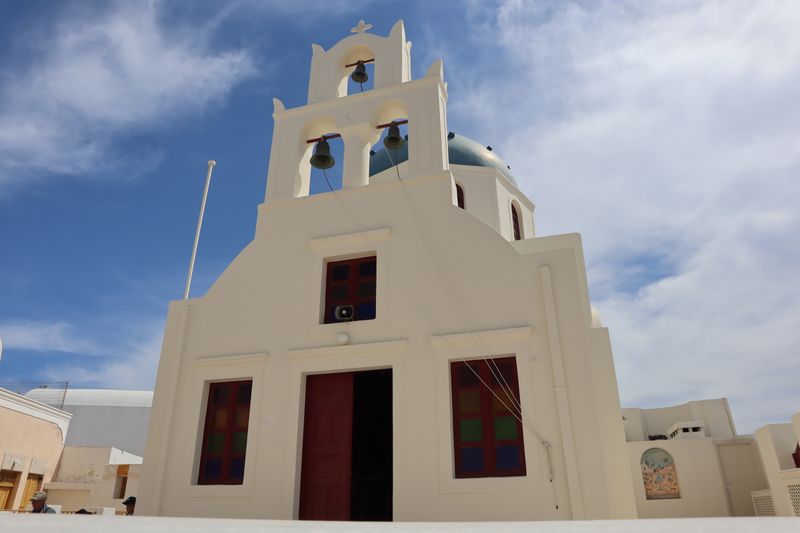
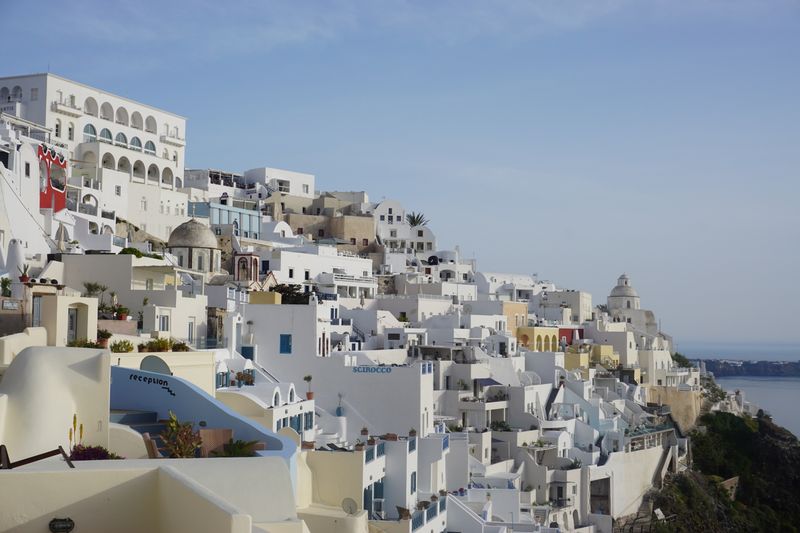
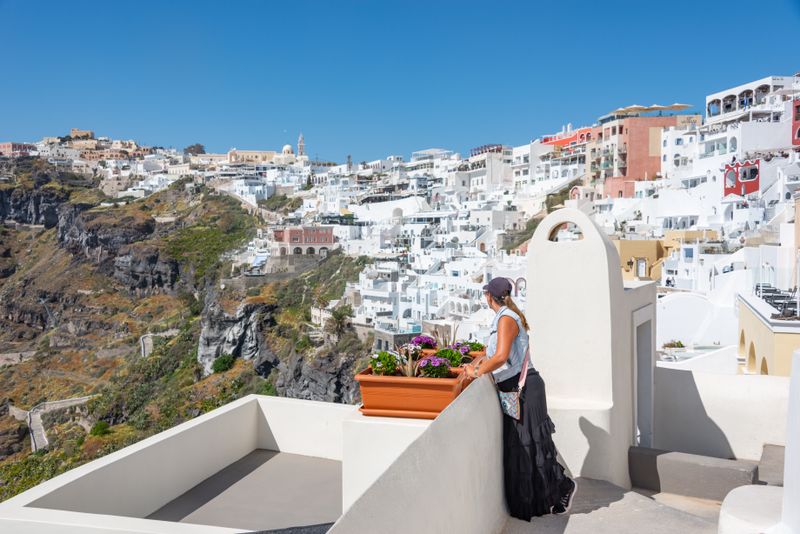
Santorini is a volcanic island in the southern Cyclades, known for Oia and Fira above the caldera, the archaeological site of Akrotiri and dark volcanic beaches. It lies in the southern Aegean, north of Crete. Arrive by air at Santorini Airport (JTR) or by passenger ferry at Athinios; flight and sailing times depend on the service you book. Compare Athens to Santorini ferry duration and prices for the exact sailing, vessel, fare and arrival time on your travel date.
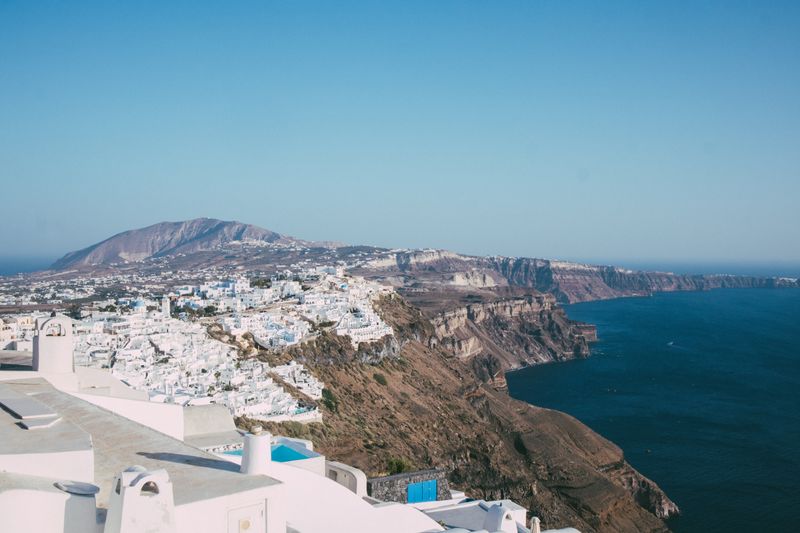
Santorini’s caldera is the result of repeated volcanic eruptions and collapses, rather than one simple crater. The Late Bronze Age eruption, roughly 3,600 years ago, formed the youngest major caldera and buried the settlement at Akrotiri. Today, the main island’s curved western coast carries villages high above the sea, while the Kameni volcanic islands sit inside the caldera.
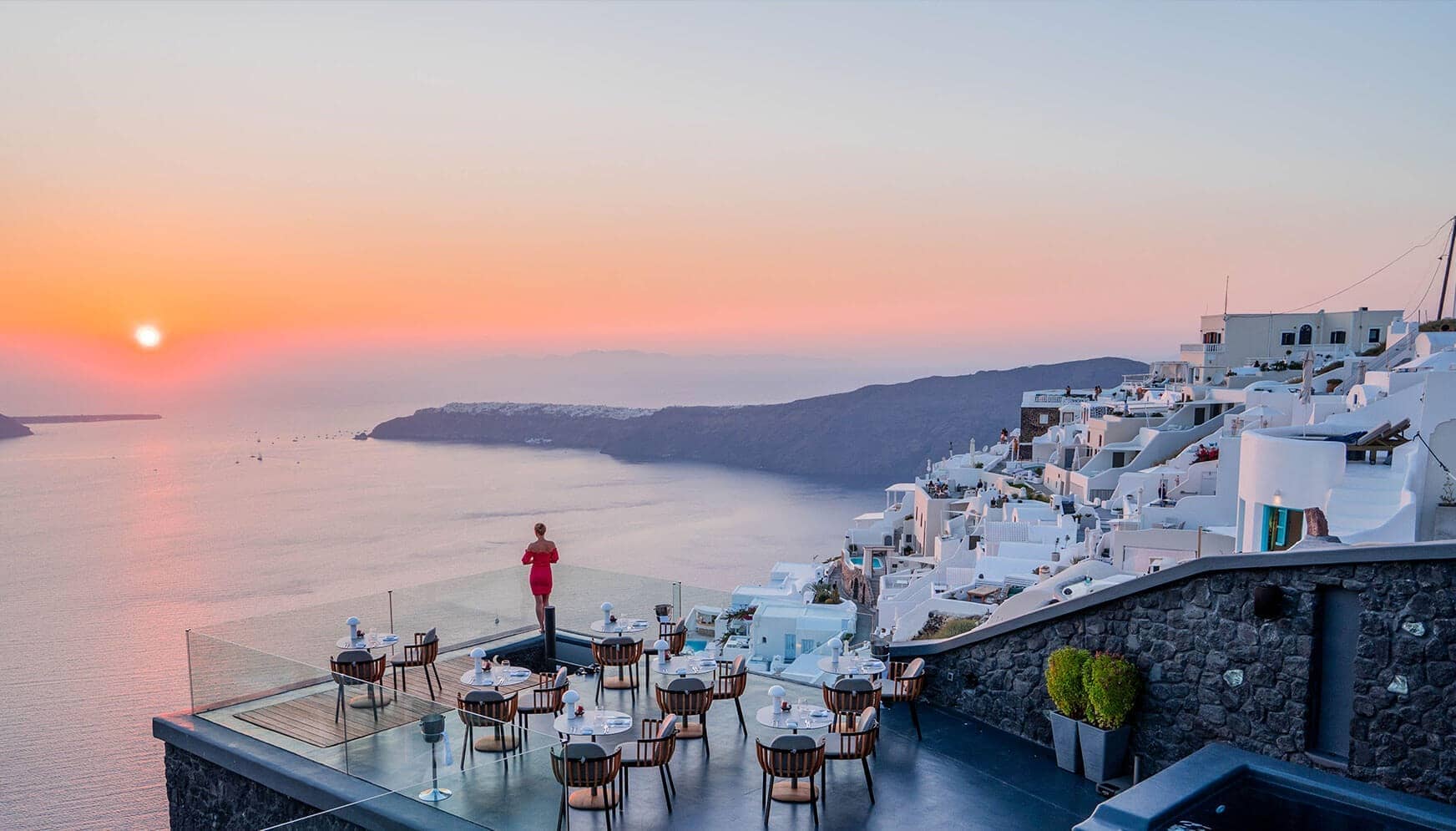
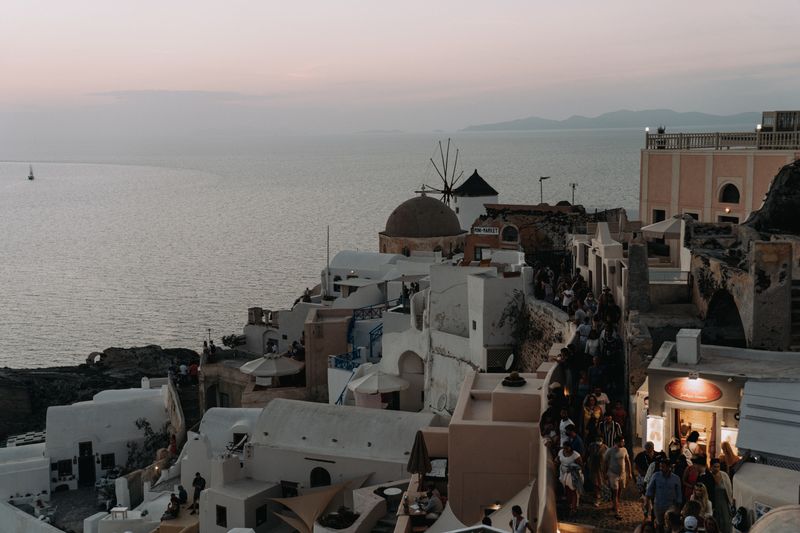
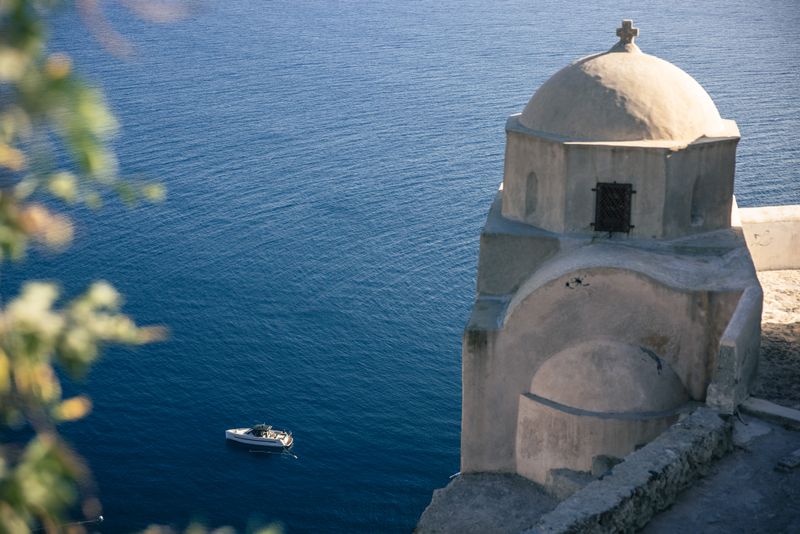
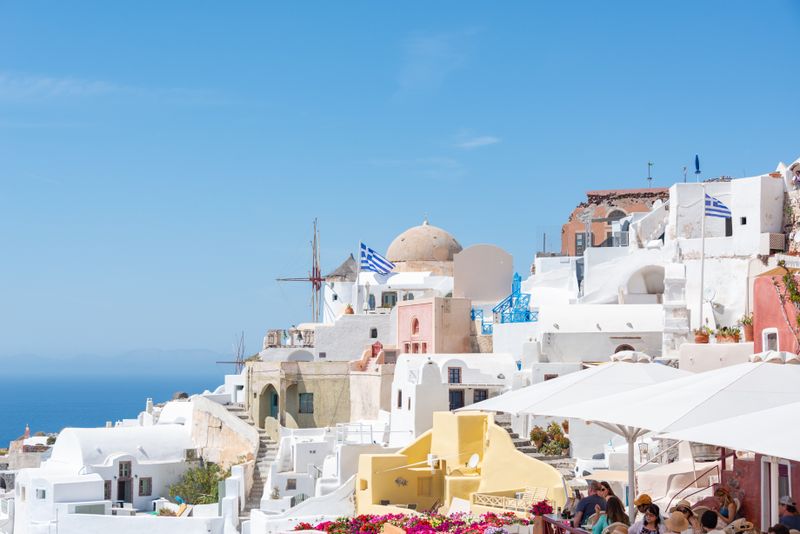
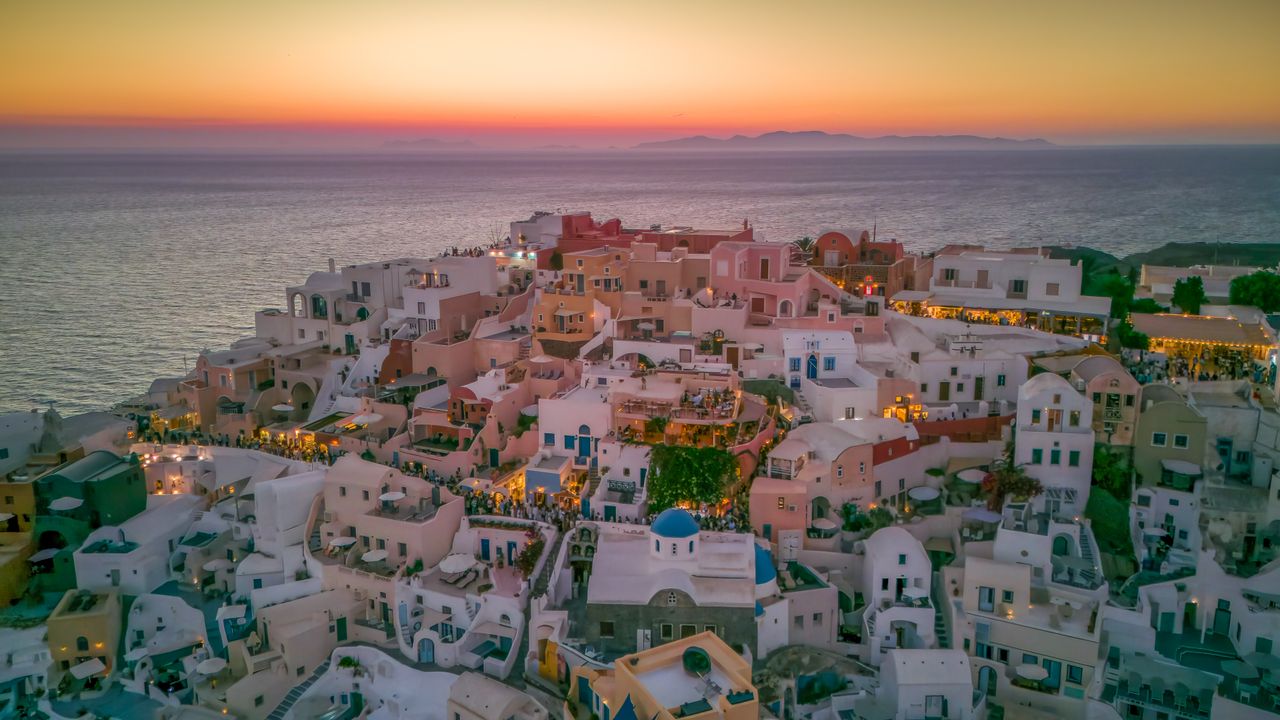
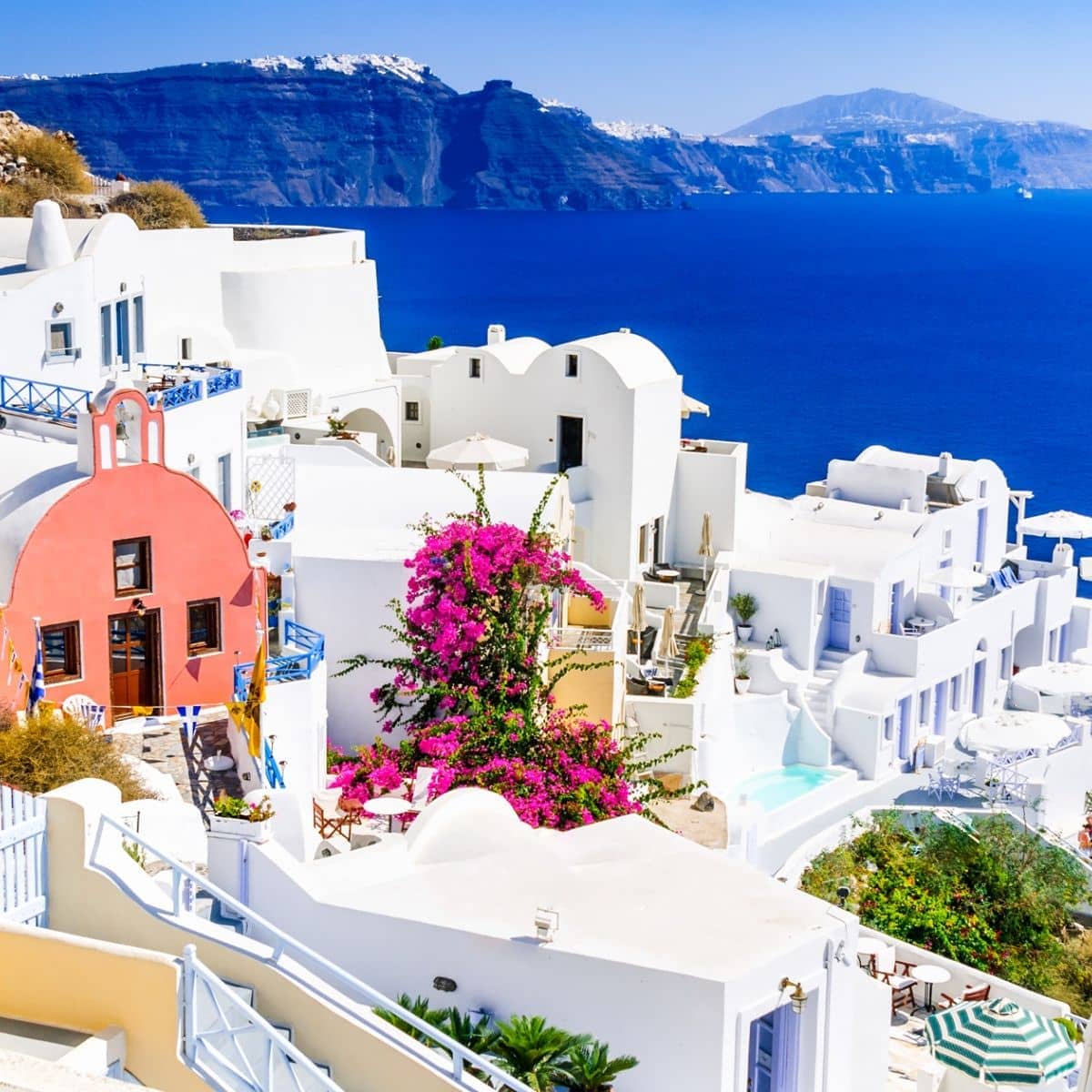
Oia and Fira combine cave houses, churches and narrow paths with caldera views. Oia’s castle ruins are a popular sunset viewpoint, but the sun’s position changes through the year, so a view towards Thirasia does not guarantee the same sunset composition each evening. Away from the viewpoints, allow time for Akrotiri’s preserved streets and wall-painting displays, or a tasting of Assyrtiko from the island’s volcanic vineyards.
The caldera-facing west coast is the place for cliffside hotels, terraces and views of the volcanic islands. Kamari, Perissa and Perivolos offer a different stay on the eastern and southeastern beach coast. Inland, Pyrgos and Megalochori add castle lanes, wine cellars and village squares. Group visits by area: a caldera walk, a south-island archaeology day and a beach day involve different transport plans.


 Area 01