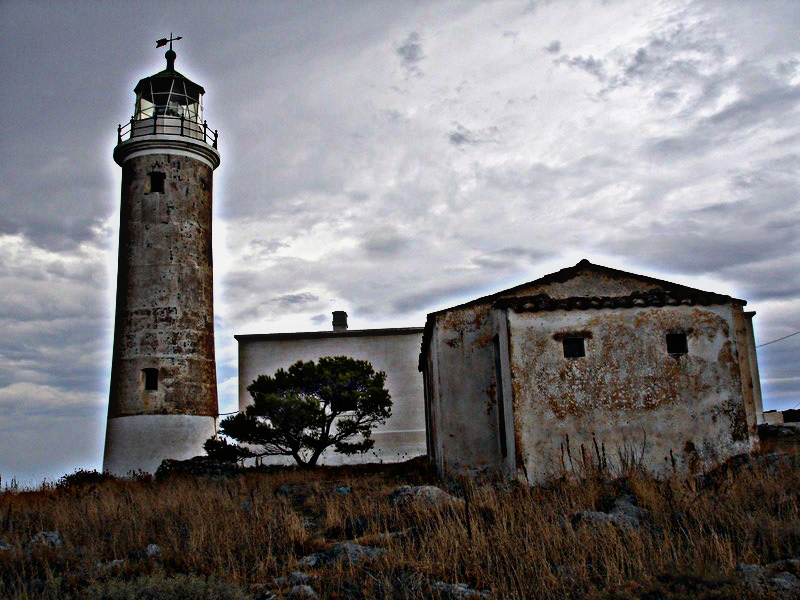
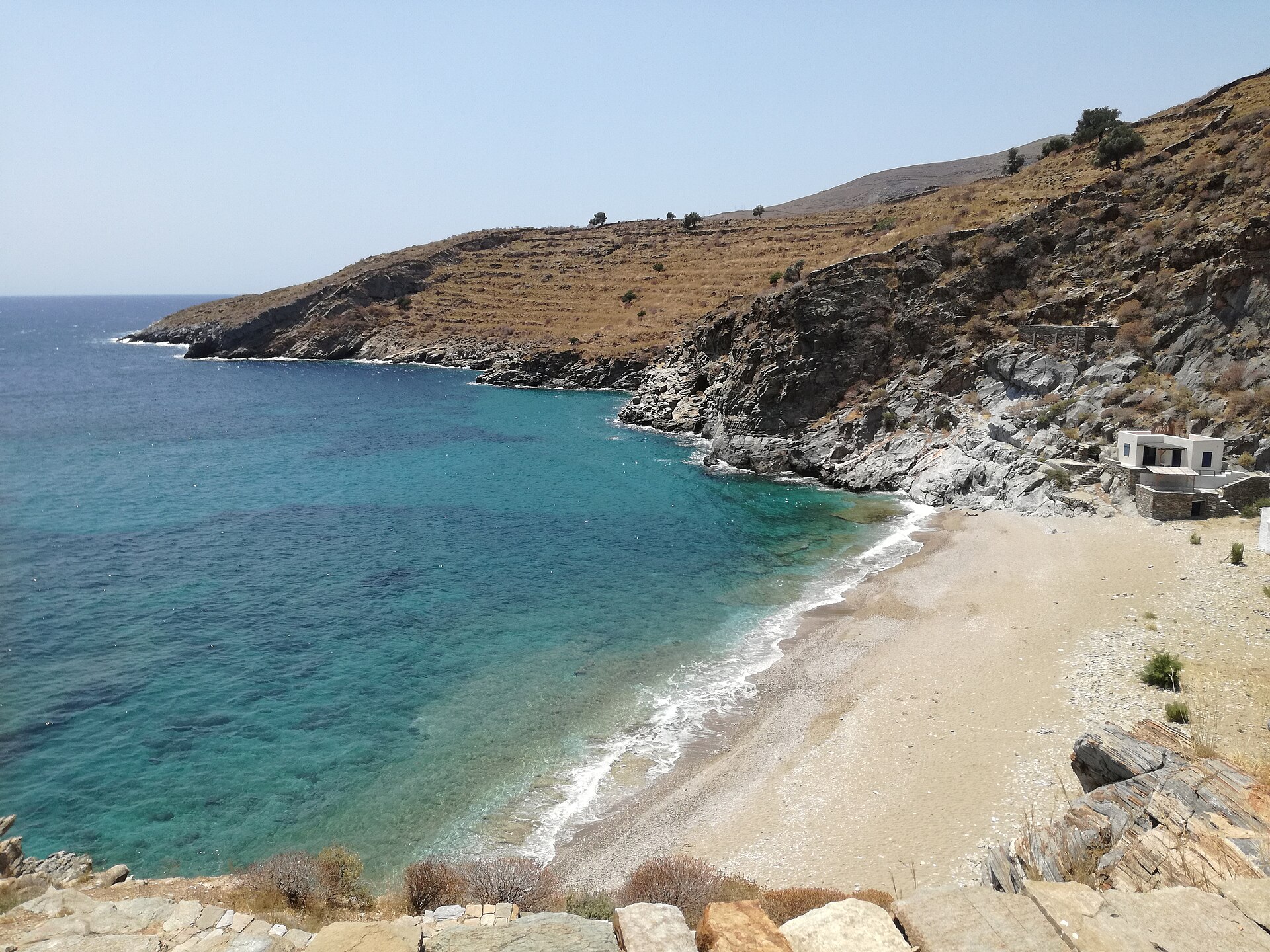
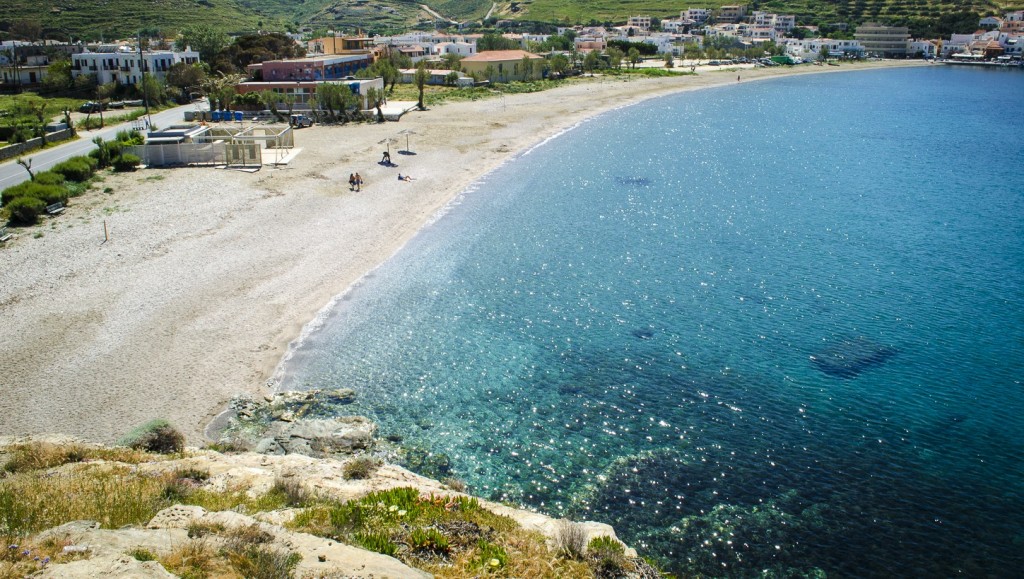
Ancient lion sculptures, oak-forested valleys, and a yachting village with cosmopolitan flair — the closest Cycladic island to Athens and the first surprise of the archipelago
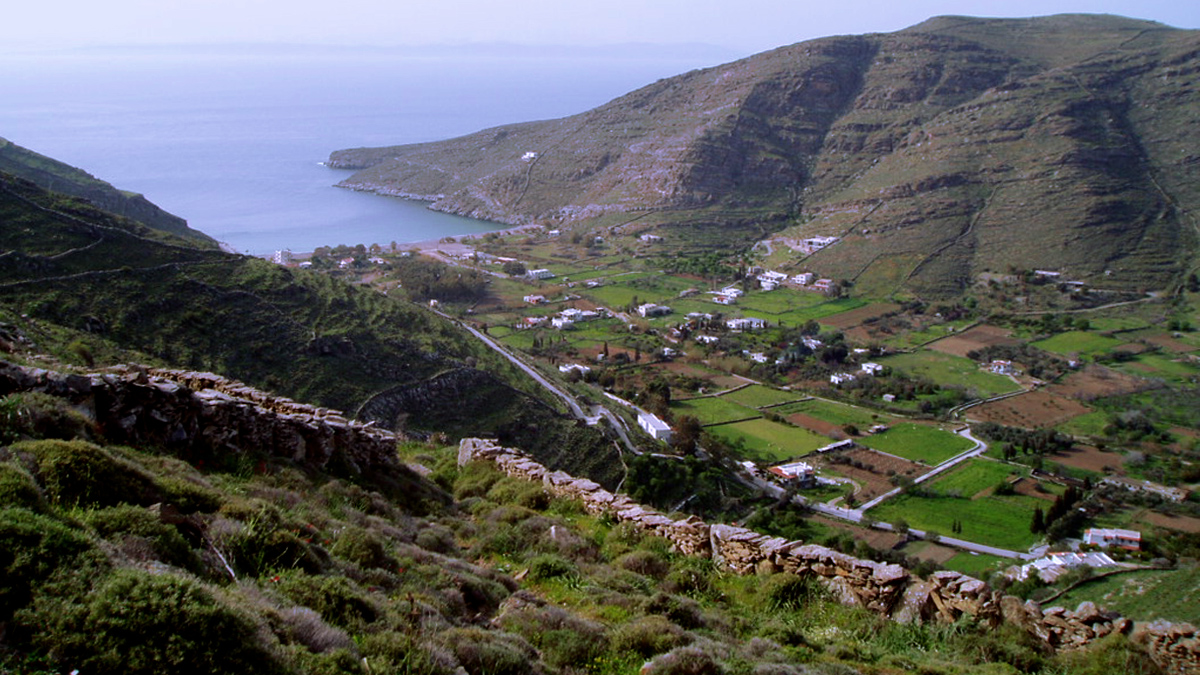
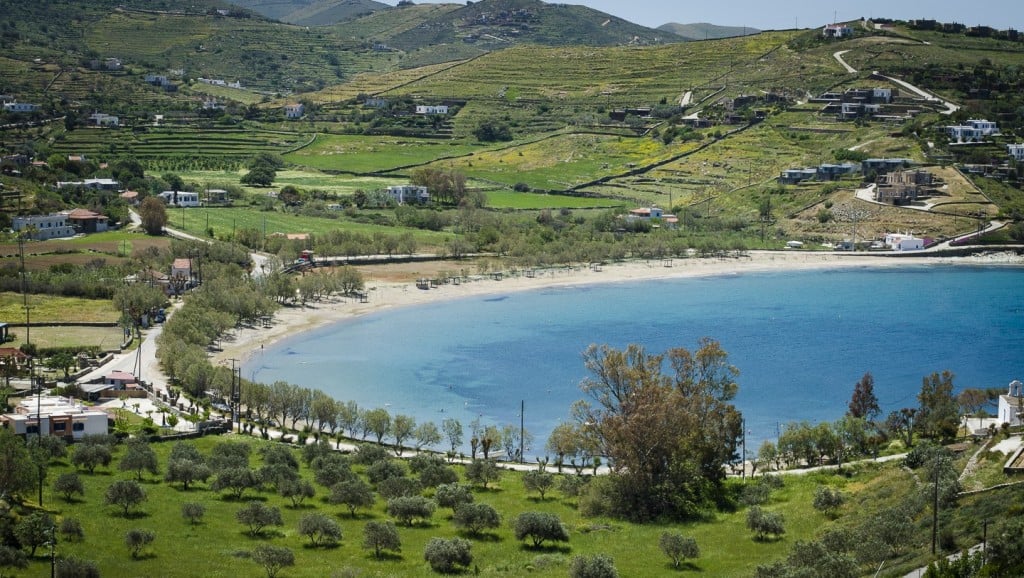
Kea shatters every assumption about what a Cycladic island should look like. Just an hour from the port of Lavrio — making it the closest Cycladic island to Athens — Kea trades the expected arid whitewashed landscapes for oak-forested valleys, terraced hillsides bursting with wildflowers, and stone-walled paths that wind through a surprisingly green interior. This is the Cycladic island that Athenians have kept largely to themselves: a weekend escape where the food is outstanding, the hiking world-class, and the beaches blissfully uncrowded.
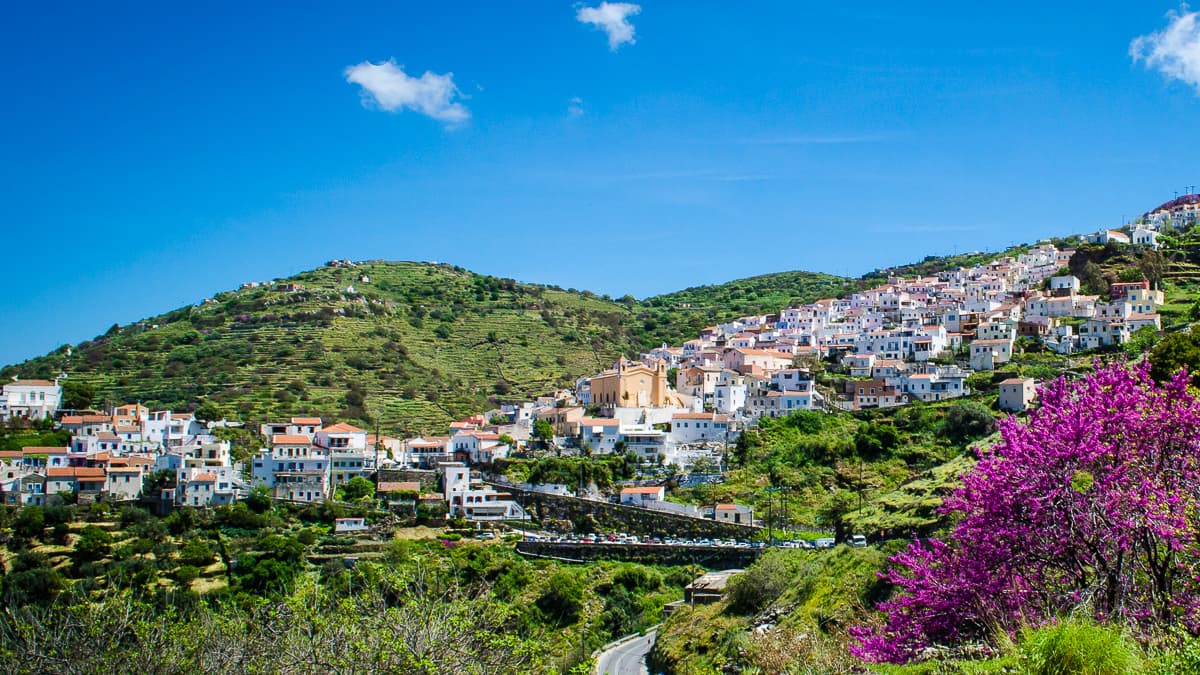
The island's crown jewel is the ancient Lion of Kea, a 6th-century BC sculpture carved directly into a rocky hillside above the main village of Ioulida. This enigmatic, smiling lion — nearly six meters long and carved in situ from natural bedrock — has watched over the island for over 2,500 years and remains one of the most remarkable ancient sculptures in Greece. Nearby, the hilltop Chora of Ioulida tumbles down a mountainside in a cascade of tile-roofed houses, offering a character distinctly different from the typical Cycladic blue-and-white palette.
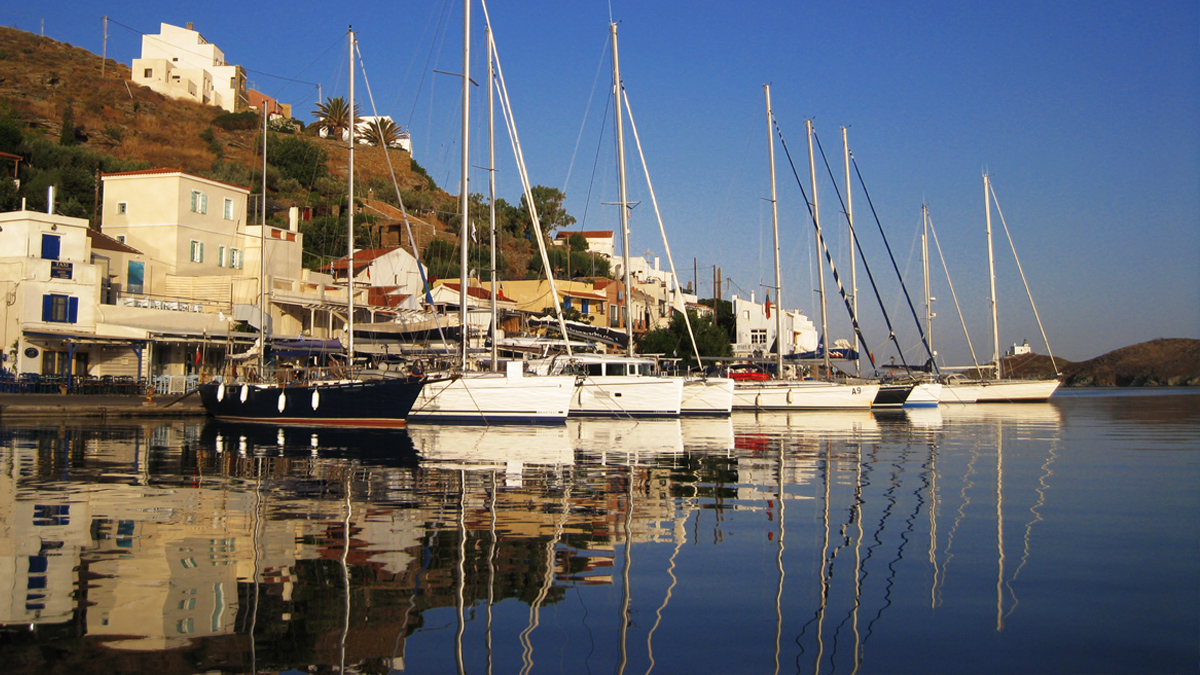
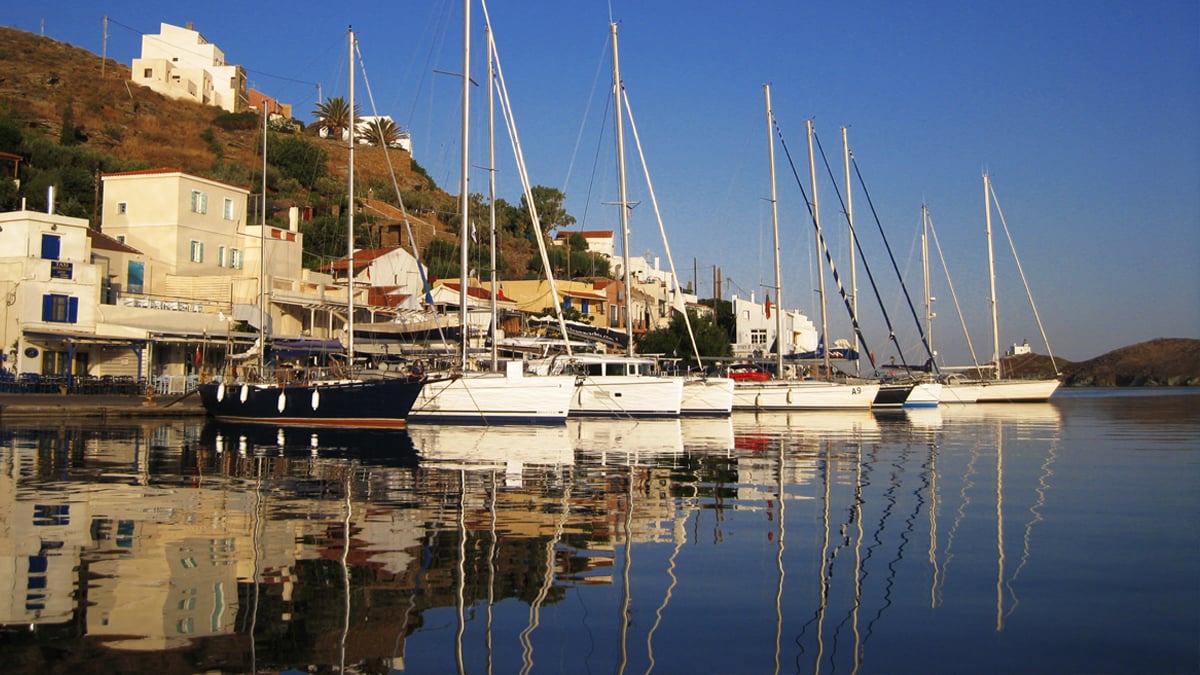
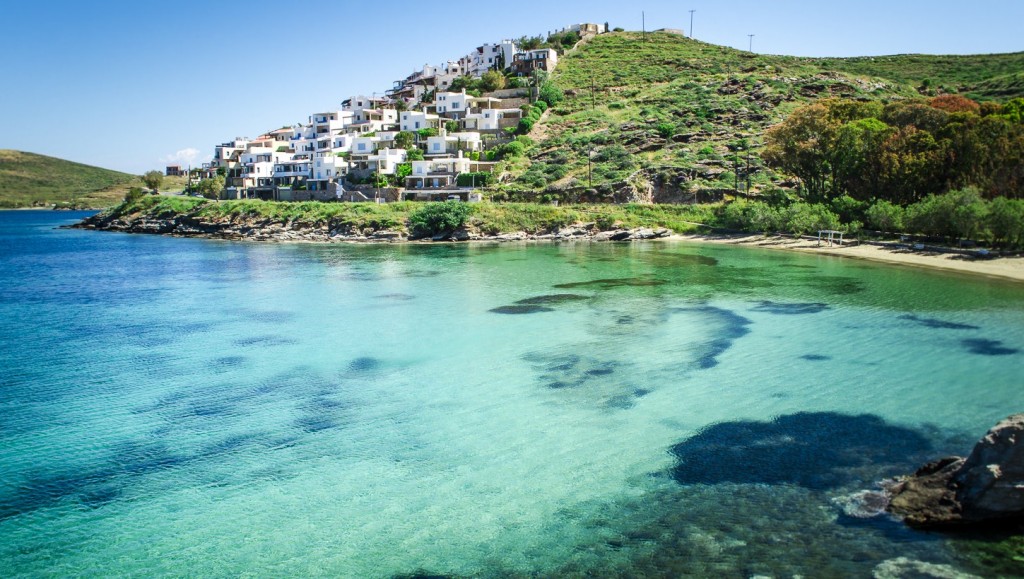
Kea's other persona emerges at Vourkari, a glamorous little harbor village where sleek yachts moor alongside fishing boats and excellent waterfront restaurants serve some of the best food in the Cyclades. The contrast between Vourkari's cosmopolitan dining scene and the wild, path-laced interior captures Kea's dual nature: sophisticated enough for well-traveled foodies, yet rugged enough for hikers who want to disappear into oak forests and ancient ruins for days on end.
Kea is where Athens exhales and the Cyclades begin — an island that defies expectations from the very first step.
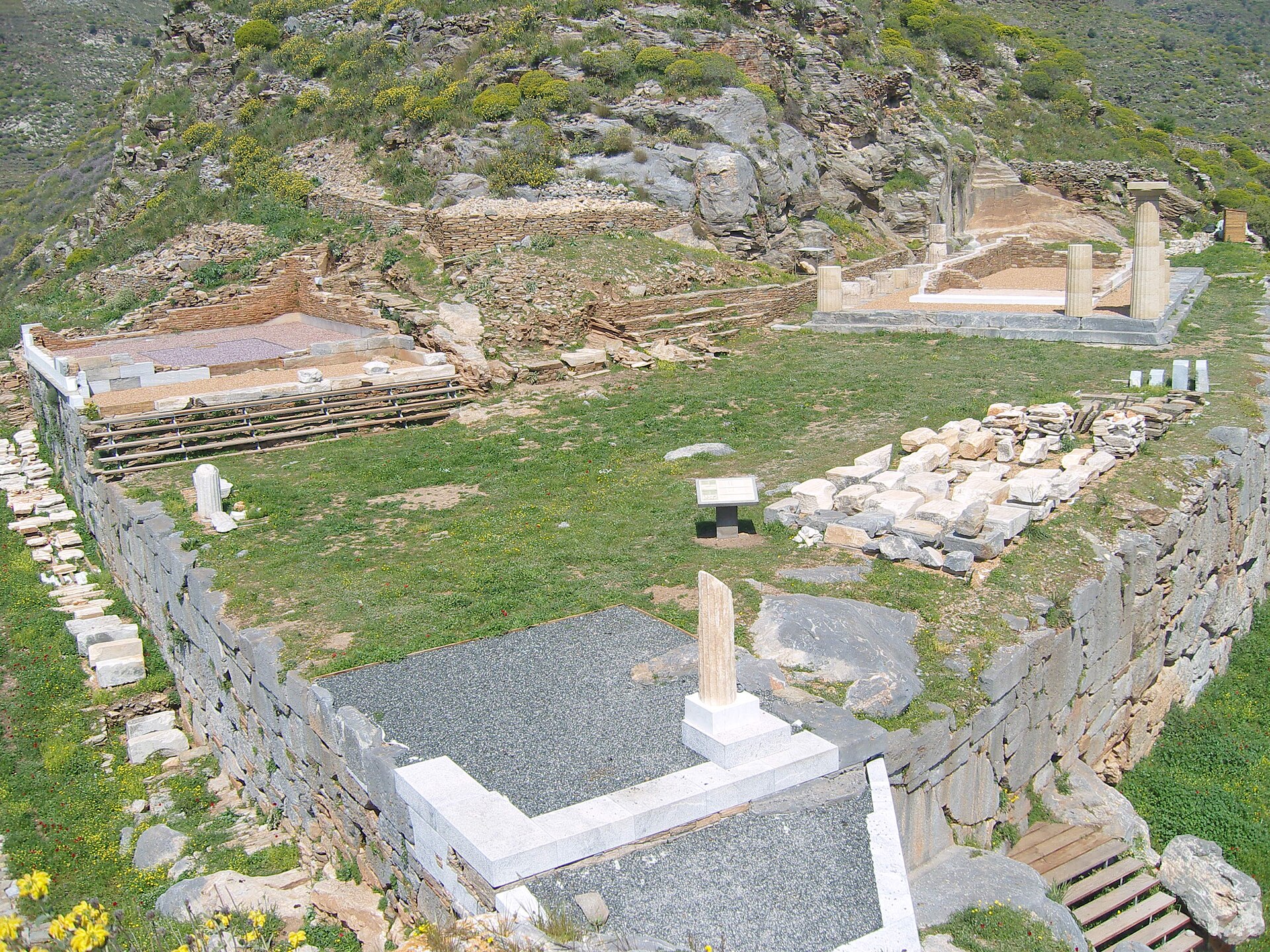
In antiquity, tiny Kea supported not one but four independent city-states — Ioulis, Karthaia, Korissia, and Poiessa. This extraordinary concentration of civilization produced poets (Simonides and Bacchylides), athletes, and the remarkable Lion sculpture. The ruins of Karthaia on the southeast coast, accessible only on foot, include a temple of Apollo and a temple of Athena overlooking the sea.
Carved into the bedrock above Ioulida around 600 BC, the Lion of Kea is one of the oldest and largest monumental sculptures in Greece. Nearly six meters long, the smiling lion is believed to be connected to a myth about nymphs fleeing the island. Its serene expression and extraordinary preservation make it one of the most haunting ancient artworks in the Aegean.
Like most Cycladic islands, Kea passed through Venetian and Ottoman hands. The Venetians built the castle of Ioulida using ancient stones from the city-state's acropolis, and Ottoman-era tower houses dot the countryside. Throughout these periods, Kea's oak forests — unusual for the Cyclades — sustained a thriving acorn-based economy and distinctive local cuisine.
Kea's proximity to Athens (just one hour from Lavrio) has made it a cherished weekend retreat for Athenians, particularly the sailing community. Vourkari harbor became a yachting destination, and the island developed a quietly sophisticated food scene. Yet Kea has never pursued mass tourism, preserving its character for those willing to look beyond the more famous islands.
Explore the heart of Kea

Kea's capital tumbles down a mountainside in a cascade of tile-roofed houses, winding stone lanes, and tiny squares — looking more like a Peloponnese hill village than a typical Cycladic Chora. The village is car-free in its center, with excellent tavernas, the Archaeological Museum, and a short walk to the ancient Lion sculpture just outside town.

A tiny harbor village that punches far above its weight in the dining department, Vourkari is where sleek yachts moor alongside traditional fishing boats and waterfront restaurants serve some of the finest food in the Cyclades. The atmosphere is cosmopolitan but never pretentious — linen-shirted sailors mixing with hiking-booted trail walkers.

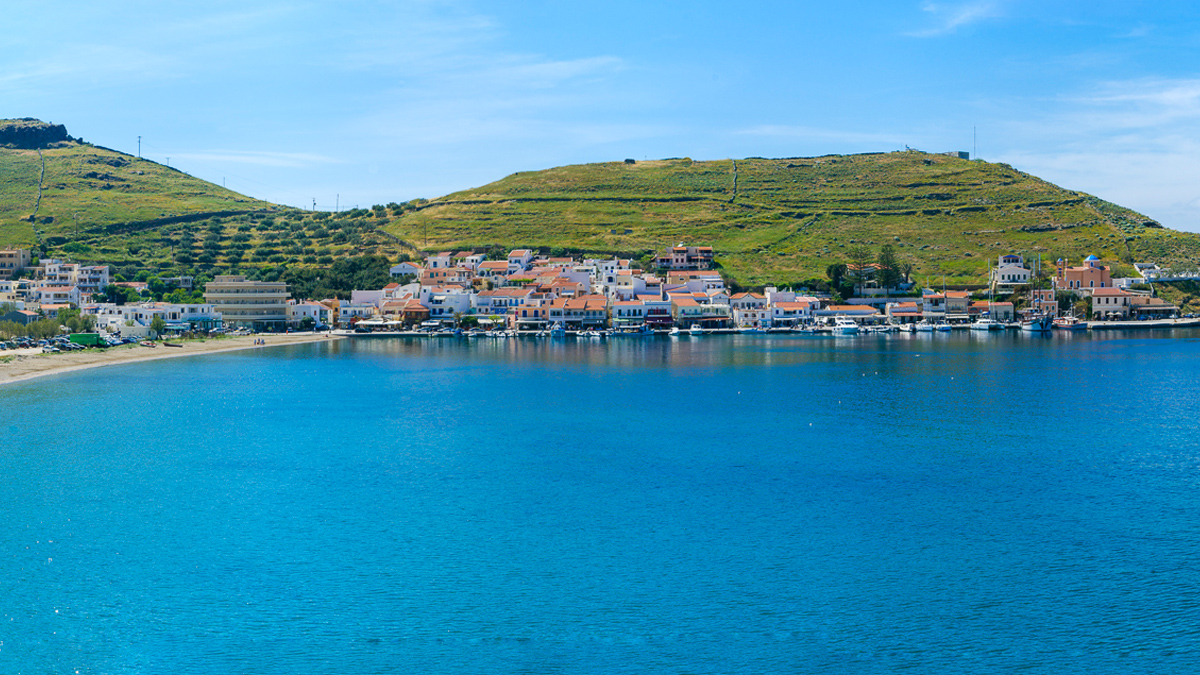
Kea's main port sits in a broad bay on the northwest coast. Korissia has a sandy beach right at the harbor, several good tavernas, and a convenience that makes it a practical base. The ancient city-state of Korissia once stood here, and archaeological finds are displayed in the small local collection.

On the west coast, Pisses is a small settlement centered around a long, beautiful sandy beach — one of the best on the island. The relaxed, slightly remote atmosphere and excellent swimming make it a favorite for families and beach lovers who want to combine coast and country.
On the remote southeast coast, accessible only by a spectacular hiking trail, the ruins of the ancient city-state of Karthaia lie on a headland between two beaches. The remains of a Temple of Apollo, a Temple of Athena, and city walls overlook the sea — one of the most atmospheric archaeological sites in the Cyclades.
The best shores of Kea

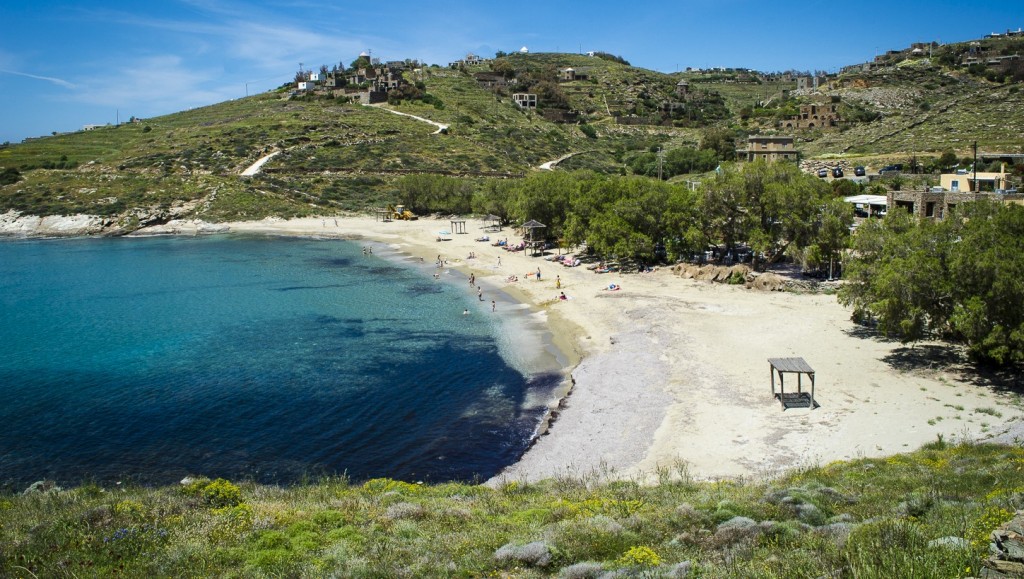
A series of small sandy coves on the southwest coast with calm, turquoise water and a handful of upscale villas and a beach bar — Kea's most sheltered and glamorous swimming area

A long, wide sandy beach on the west coast — one of the finest on Kea, with reliable swimming conditions and a relaxed atmosphere

A sandy beach near Vourkari with a beach bar and easy access — the most convenient good beach for visitors staying near the port area
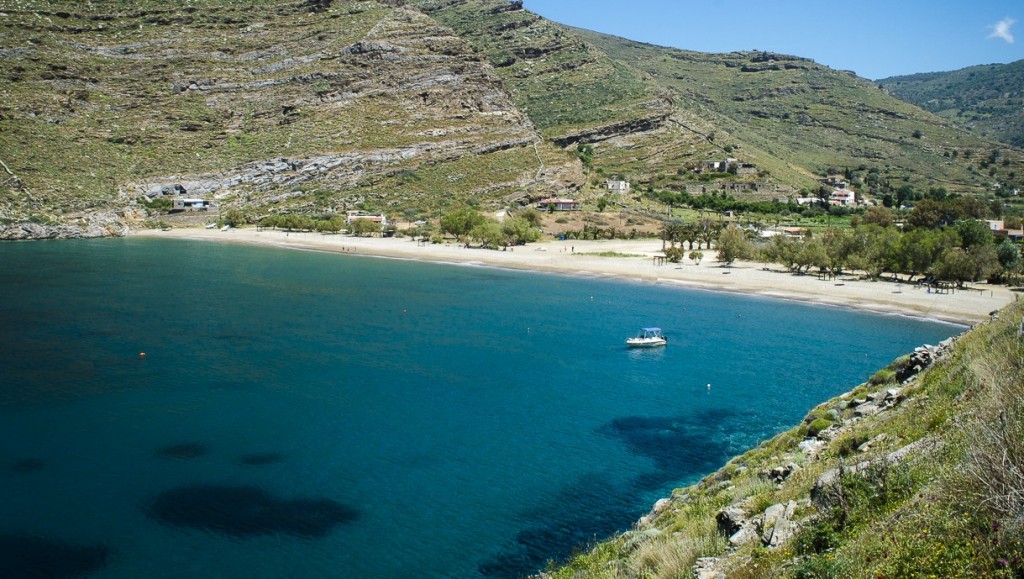
A dramatic sandy beach on the eastern coast surrounded by rugged terrain — remote, uncrowded, and spectacularly beautiful for those willing to make the drive
Two pristine beaches flanking the ancient ruins of Karthaia — accessible only by hiking trail, making them among the most rewarding and unspoiled swimming spots in the Cyclades

A sandy beach right at the main port — the most accessible beach on Kea, perfect for a swim before or after your ferry journey
A surprisingly sophisticated food scene where Athenian culinary ambition meets Cycladic tradition and forest-forged flavors
A traditional Kean breakfast of cured pork sautéed with eggs — hearty, flavorful, and a reflection of the island's pastoral heritage. Once a farmer's fuel, now a beloved local specialty.
Kea's version of the Cycladic air-cured pork loin — seasoned and dried in the island's cool mountain air, thinly sliced and served as a refined meze or appetizer
Kea's oak forests historically supported pigs raised on acorns, producing meat with a distinctive, slightly sweet flavor. This heritage continues in dishes featuring local pork, from slow roasts to cured meats.
Thyme and wildflower honey from Kea's diverse flora — richly aromatic and a key ingredient in desserts, cheese pairings, and the island's traditional sweet preserves
Vourkari's waterfront restaurants serve fresh catch prepared with cosmopolitan flair — sashimi-grade tuna, grilled sea bass, and creative fish dishes that rival mainland Athens
Soft, tangy whey cheese produced by the island's remaining shepherds — served on barley rusks with tomatoes and olive oil for the perfect Cycladic snack
From sunrise to sunset in Kea
Walk from Ioulida along a gentle footpath to the ancient Lion sculpture carved into the bedrock around 600 BC. Nearly six meters long with an enigmatic smile, the Lion gazes over the valley in solitary majesty — best visited in the soft light of early morning.
45 minSet out on the island's premier hike — a spectacular trail through oak forest and scrubland to the ancient ruins of Karthaia on the southeast coast. The temples of Apollo and Athena overlook two pristine beaches where you can swim before the return climb.
4-5 hours (round trip)Wander through the car-free lanes of Kea's unusual capital. Unlike typical Cycladic Choras, Ioulida features tile-roofed stone houses, winding staircases, and tiny squares — more reminiscent of a Peloponnese hill town. Visit the Archaeological Museum for Early Cycladic figurines and finds from the four city-states.
1.5 hoursKea has over 80 km of mapped trails winding through oak forests, past ancient watchtowers, along terraced hillsides, and between traditional villages. Choose from routes linking Ioulida to Pisses, the coastal path to Koundouros, or the monastery trail through the island's forested heart.
4-6 hoursHead to the sheltered coves of Koundouros on the southwest coast for a wind-free beach day. The series of small sandy bays with turquoise water and calm conditions make this Kea's most reliable swimming destination, regardless of the meltemi.
4 hoursTake a table at one of Vourkari's acclaimed waterfront restaurants for a leisurely lunch. The harbor's yacht-filled setting and the quality of the cuisine — fresh fish, creative Greek dishes, excellent wine lists — make this one of the finest lunch experiences in the Cyclades.
2 hoursExplore the excavated remains of the Minoan-era settlement at Agia Irini, near Vourkari. The site, dating back to 2000 BC, revealed remarkable terracotta sculptures now in the Athens Archaeological Museum, and offers a window into the island's deep Bronze Age past.
1 hourReturn to Ioulida for dinner at a village taverna as the sun sets over the western hills. The evening views from the upper village, the honest traditional food, and the quiet mountain atmosphere create a perfect counterpoint to Vourkari's cosmopolitan waterfront.
3 hoursFind the perfect time for your Kea trip
Ferry routes and travel connections
Curated tours and activities
Guided hike to the ancient city-state of Karthaia with archaeological commentary, temple visits, and swimming at pristine beaches.
Visit Vourkari, Ioulida, and local producers for a culinary journey through the island's pork, cheese, honey, and wine traditions.
Guided walk from Ioulida to the ancient Lion sculpture, with stories of the island's four city-states and mythological heritage.
Insider tips for your Kea trip
Everything you need to know about Kea
Our AI travel assistant knows everything about Kea
From the ancient smile of the Lion to the oak-shaded trails of Karthaia, from Vourkari's yacht-lined waterfront to the hilltop lanes of Ioulida — Kea is the Cycladic island that begins where expectations end.