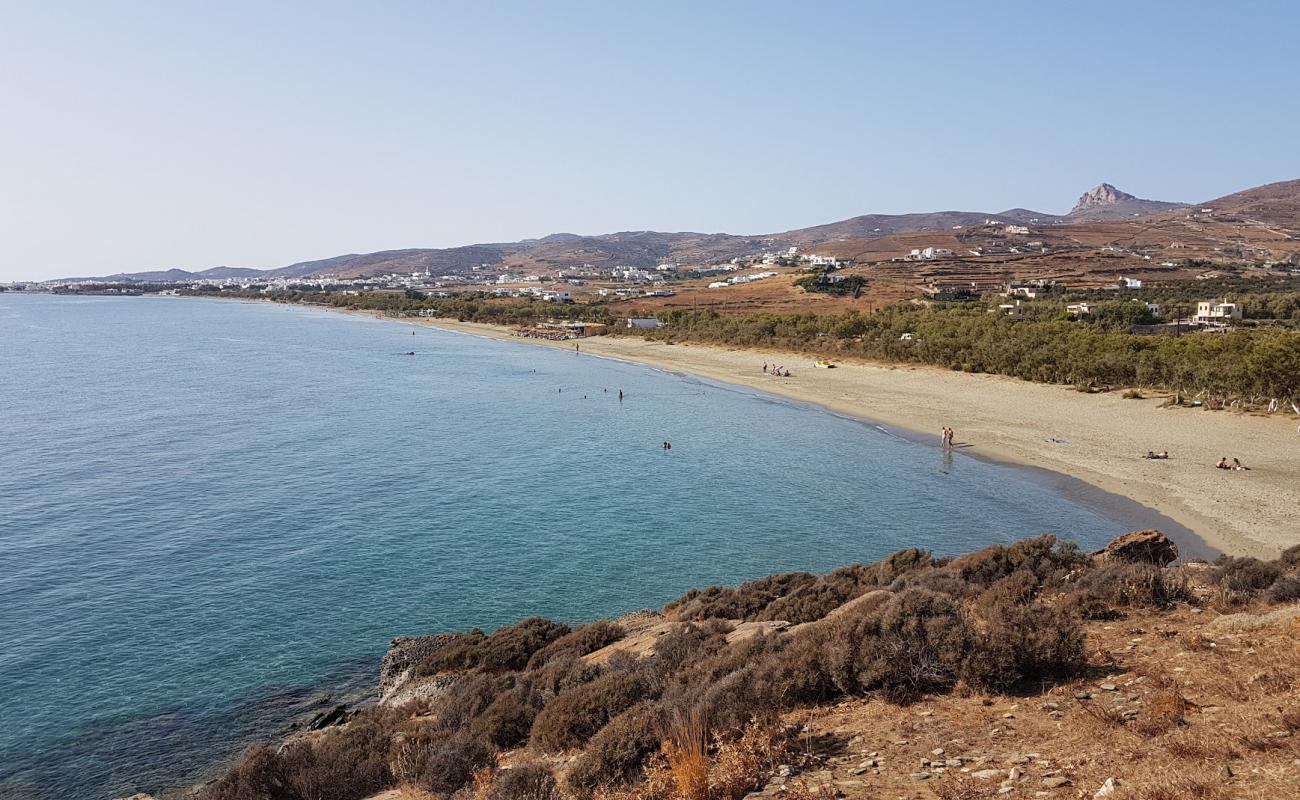
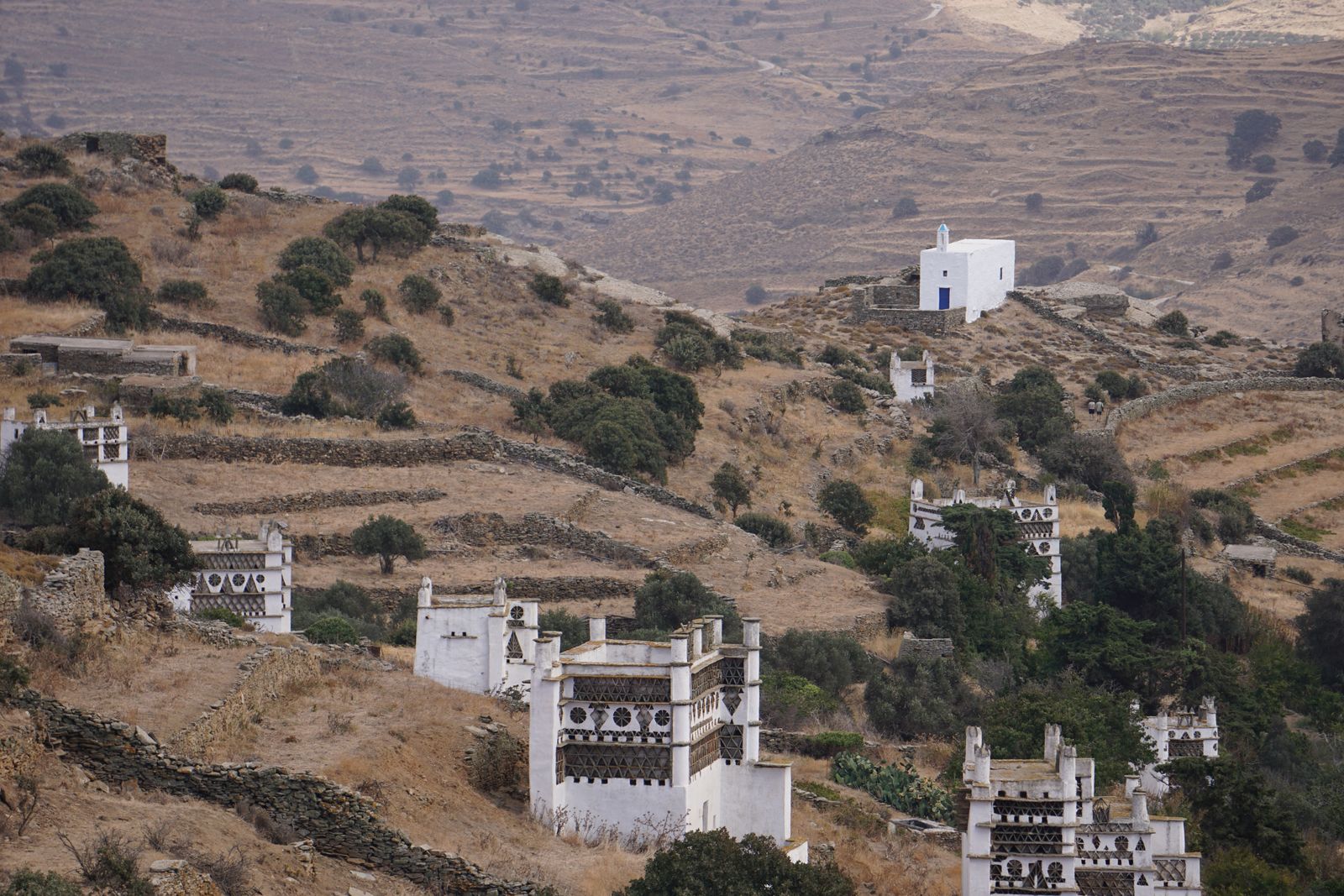
Tinos is a sacred Cyclades island and major Greek pilgrimage site, home to the Church of Panagia Evangelistria and over 1,000 ornate marble-carved dovecotes. It's about 3 hours from Athens by ferry and combines deep religious tradition with excellent beaches and some of the best food in the Cyclades. Athens to Tinos from Piraeus or Rafina.
Every August 15, tens of thousands of Greek Orthodox pilgrims arrive at Tinos port and crawl on their knees up the broad marble avenue to the Church of Panagia Evangelistria, one of the holiest sites in their faith. But the pilgrimage is only one layer of an island that's got staggering cultural depth. More than 1,000 ornate dovecotes dot the landscape, and in the marble-carving villages of the interior, artisans still practise a craft whose roots go back to the workshops that decorated Delos.
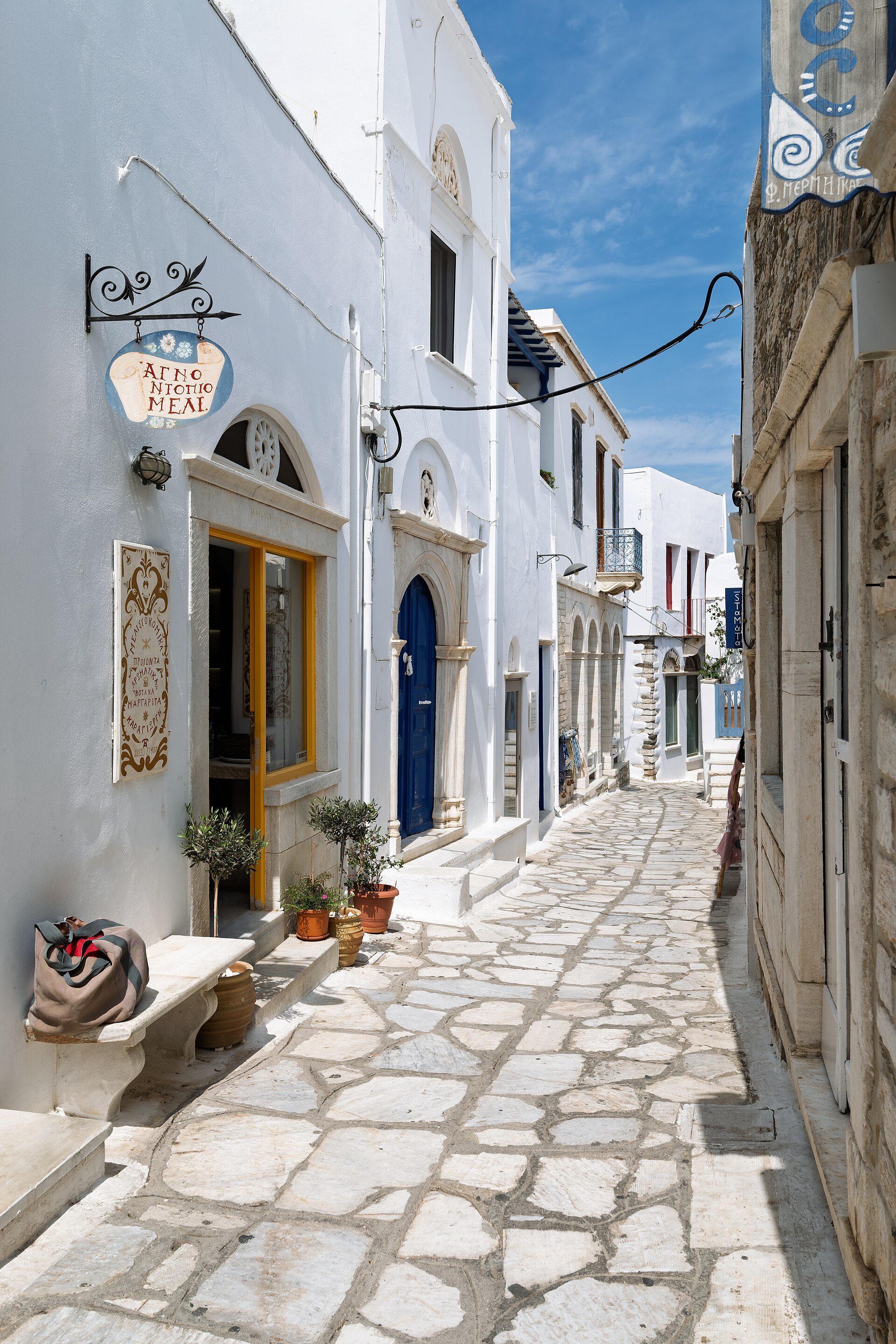
Pyrgos, high in Tinos's mountainous north, is the marble capital of Greece. This is the village that produced Yannoulis Chalepas (1851–1938), widely considered the greatest modern Greek sculptor, whose "Sleeping Female Figure" in Athens' First Cemetery became a landmark of Neoclassical art. The School of Fine Arts, founded in 1955, still trains sculptors here. Walk through Pyrgos and you'll see marble fountains, carved lintels, and ornate door frames on nearly every building.
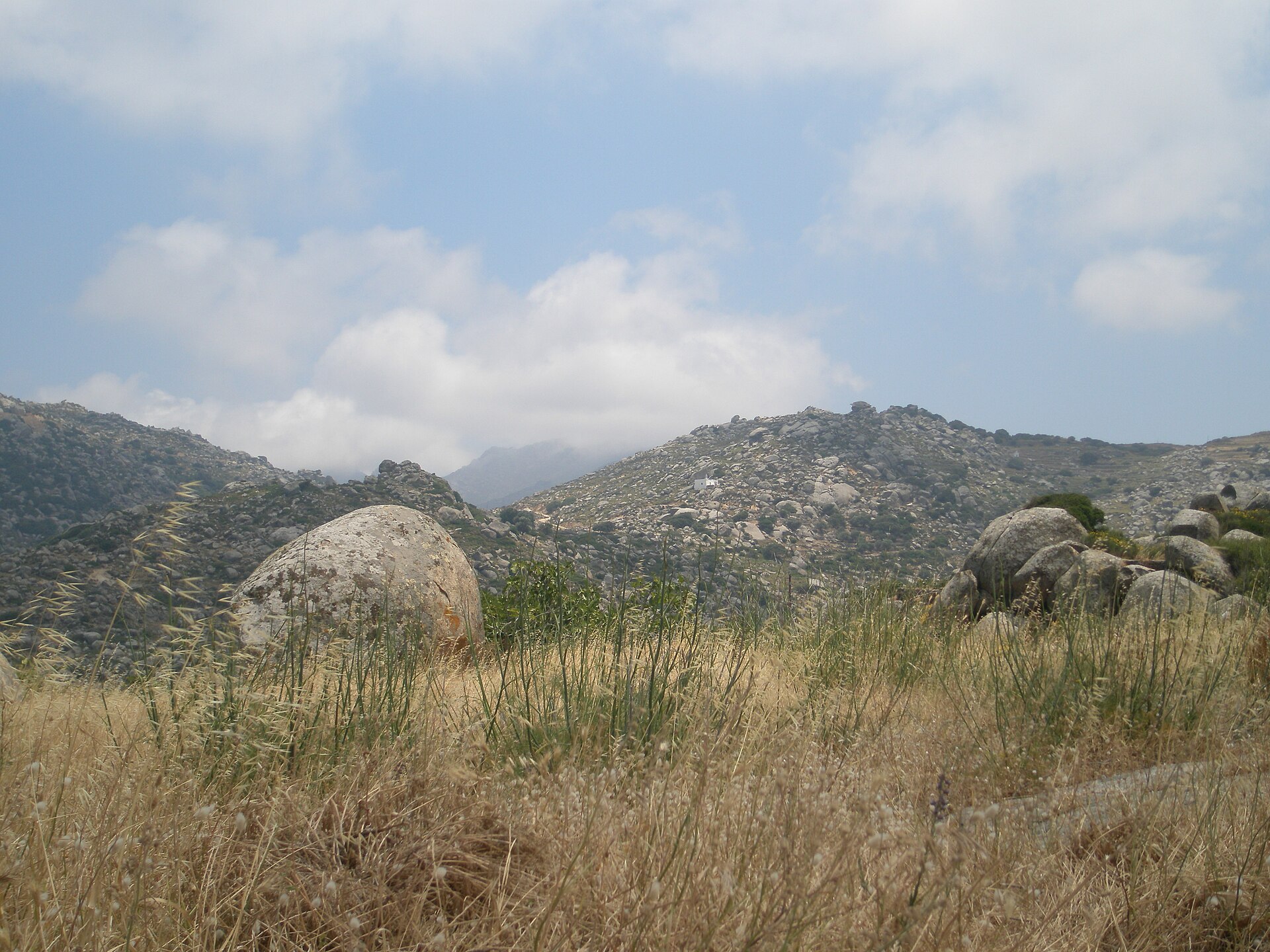
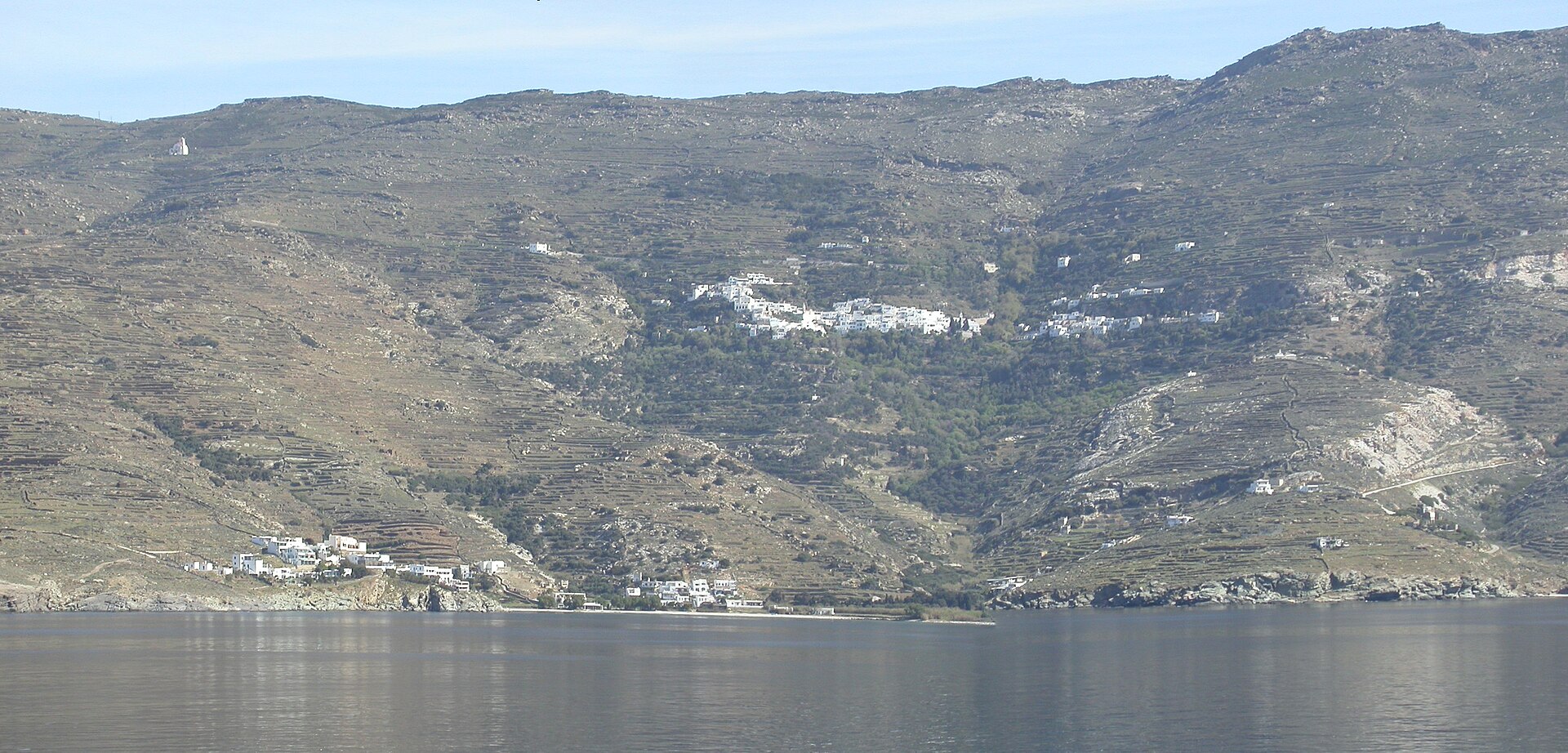
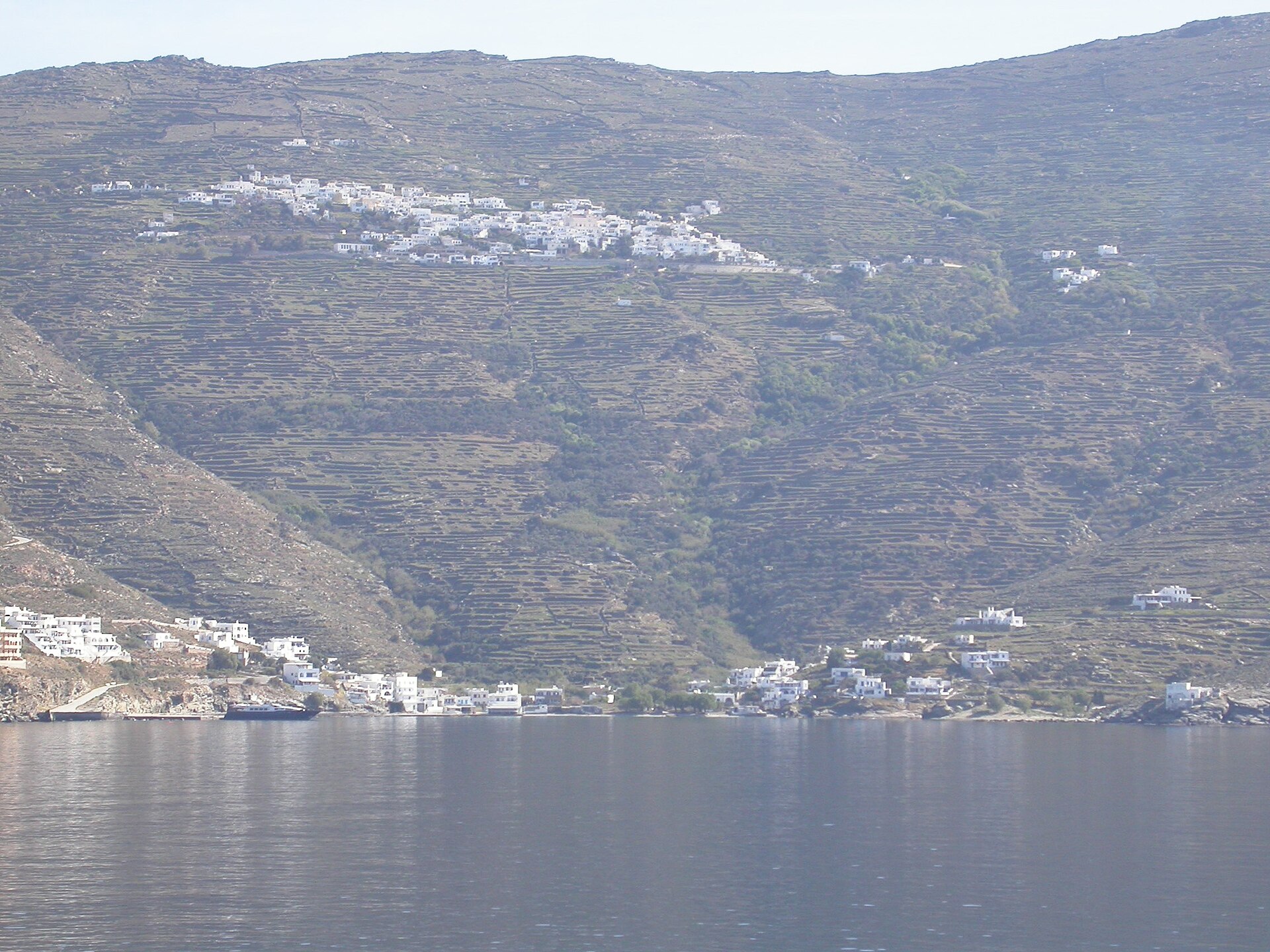
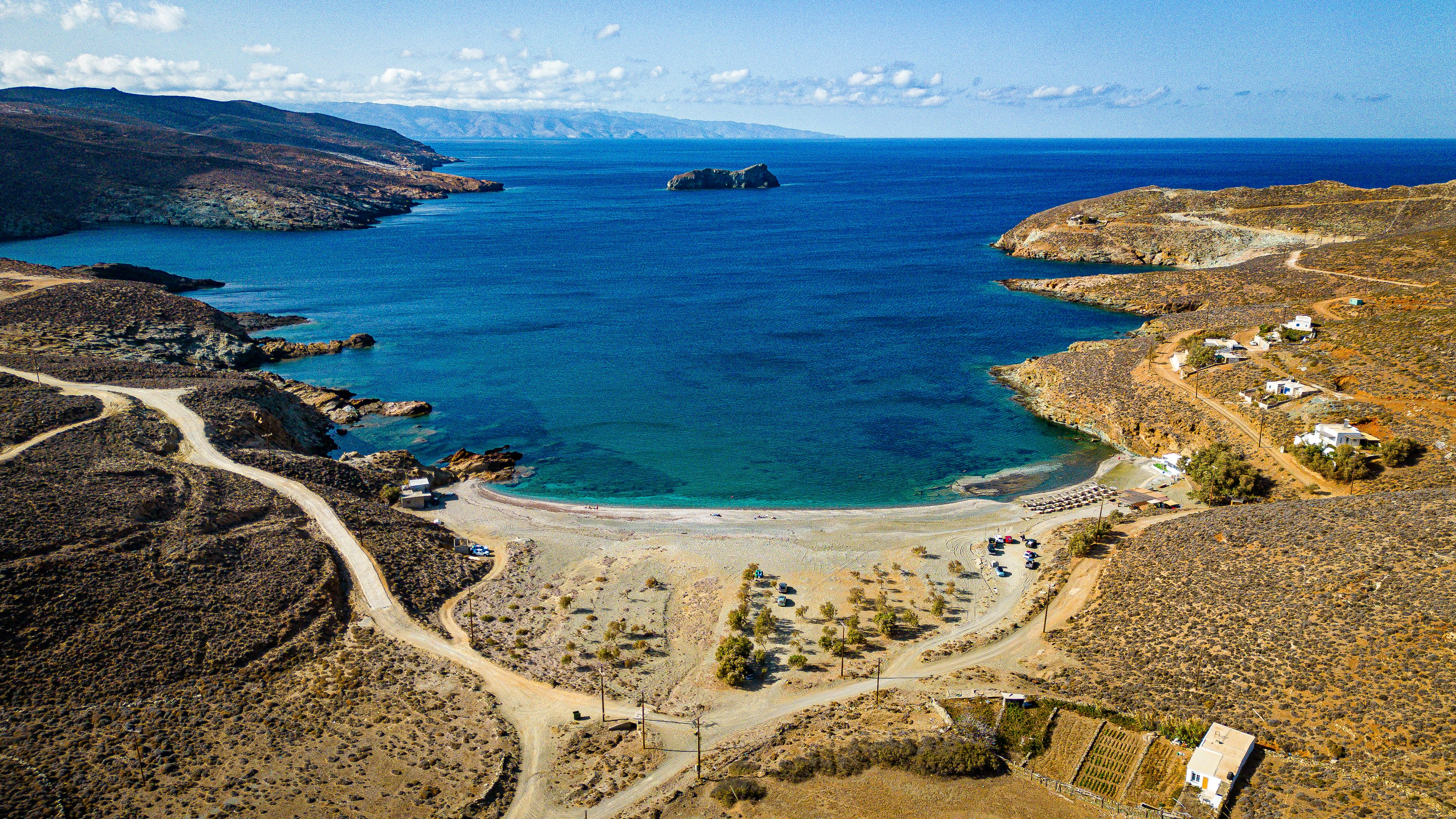
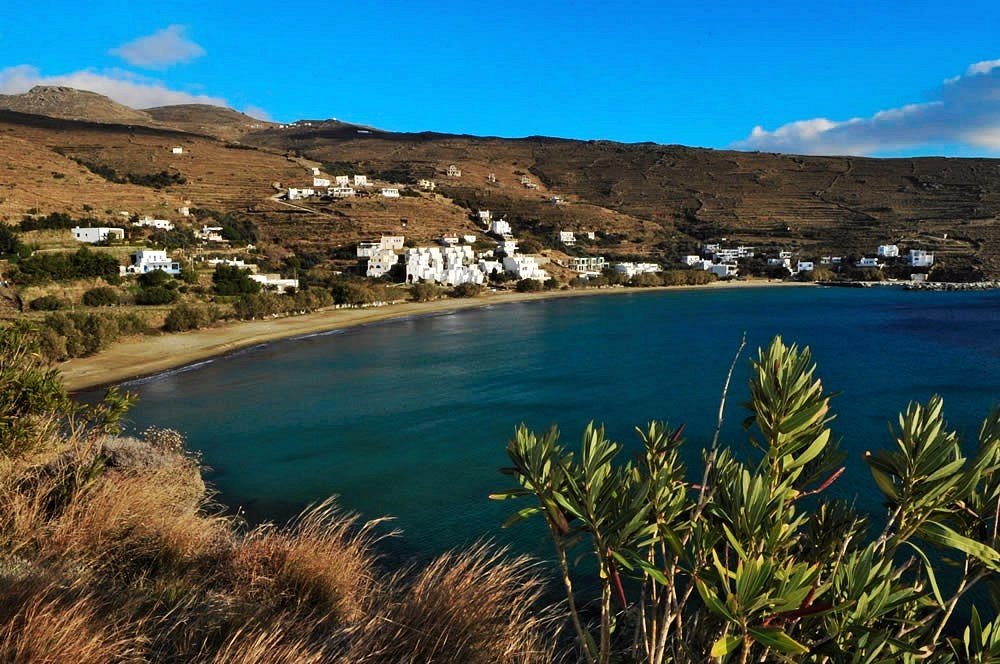
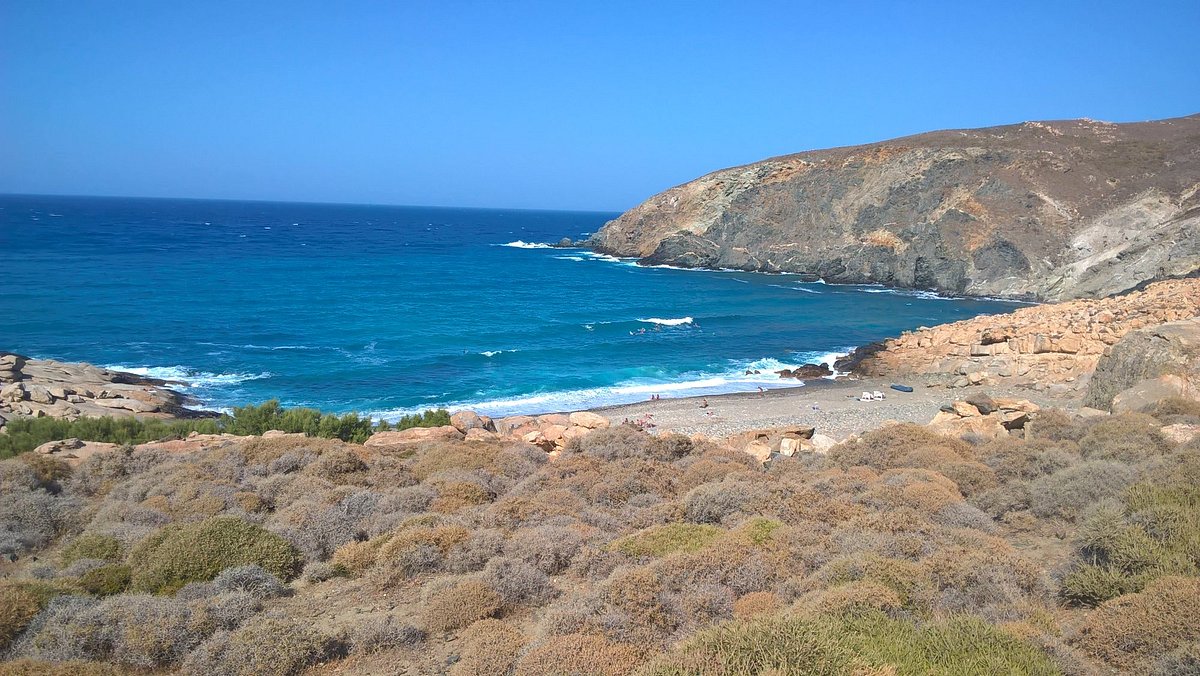
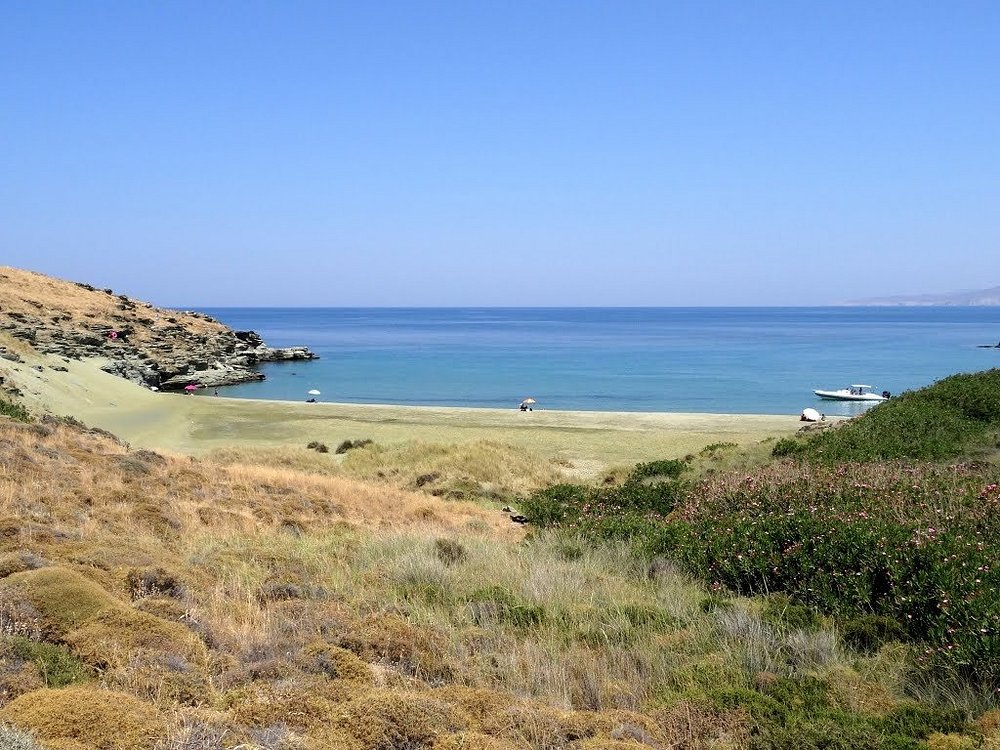
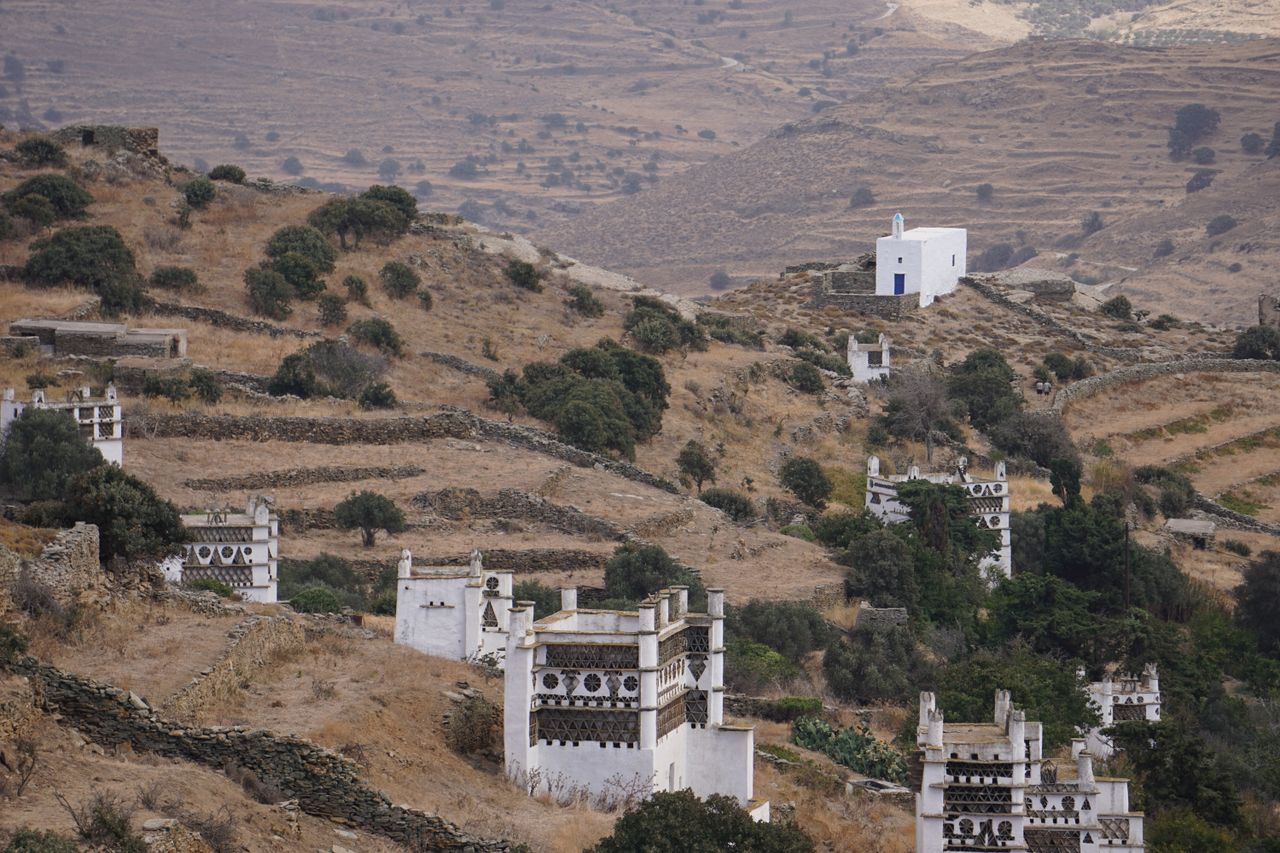
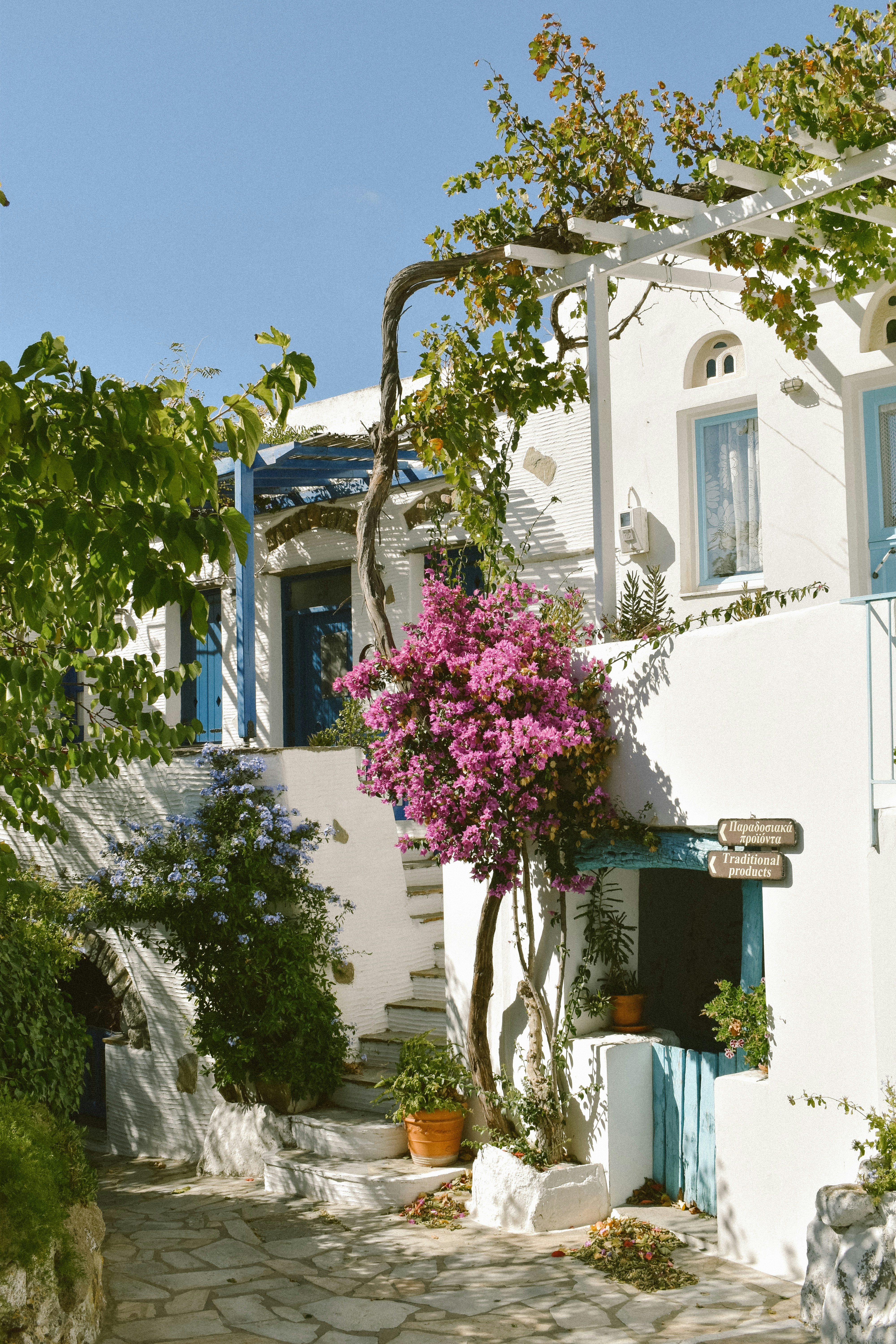
Beyond the pilgrimage and the marble, Tinos has over 40 traditional villages across its mountainous interior, and you'll find many of them are barely touched by tourism. Each has its own character, its own festivals, and its own cooking. The island produces exceptional artisan cheeses, wild capers, and local wines. Its beaches range from organized sandy stretches to wild, wind-blasted coves. And the dovecotes (elaborate stone towers with geometric sunburst patterns, built during Venetian rule under the Duchy of Naxos) stand as monuments to an era when pigeon farming was both livelihood and art form.


 Area 01