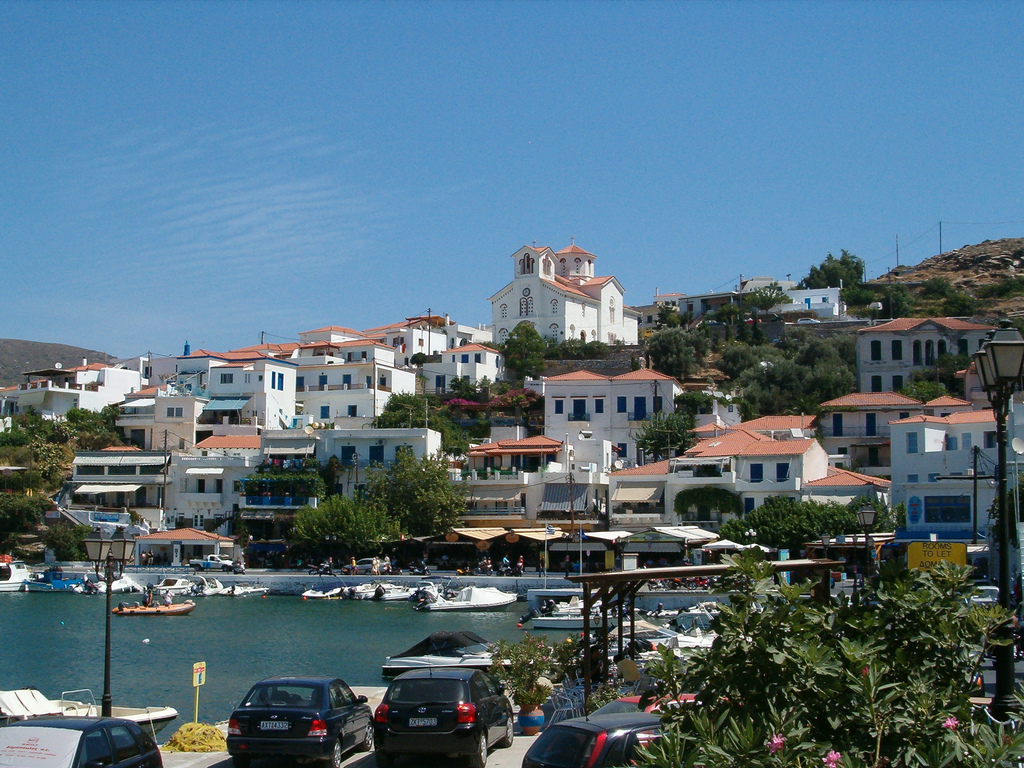
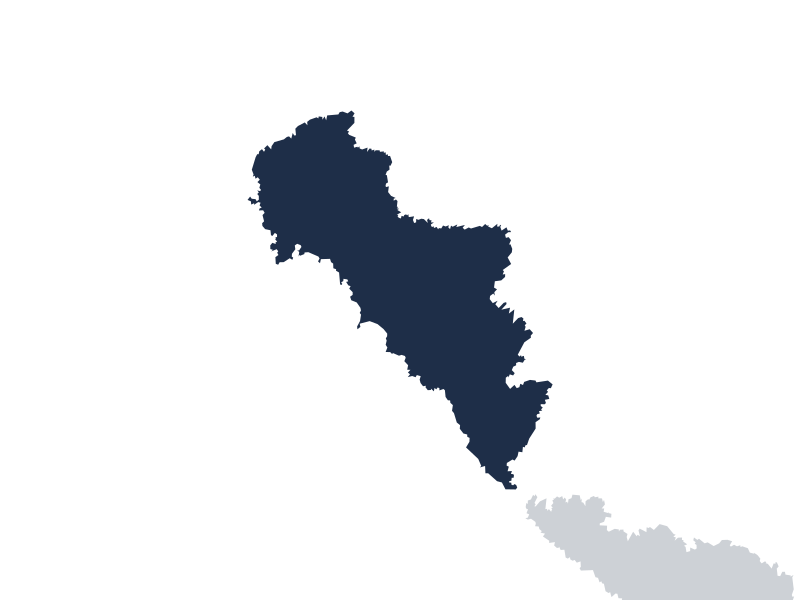
Andros is the northernmost and second-largest Cyclades island, known for its green valleys, waterfalls, and a contemporary art museum that could hold its own in any European capital. It's just 2 hours by ferry from Rafina port near Athens and far quieter than the southern islands.
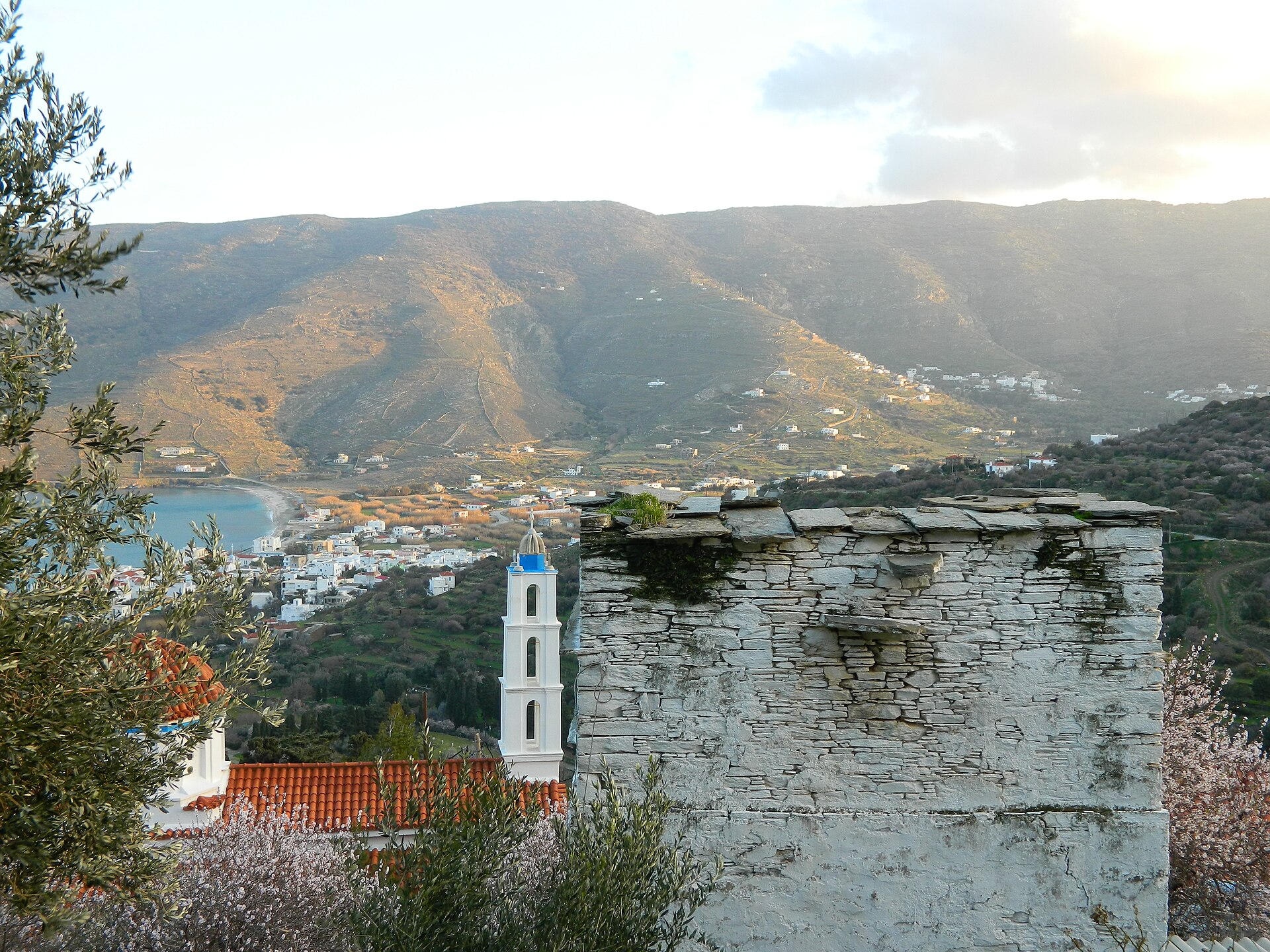
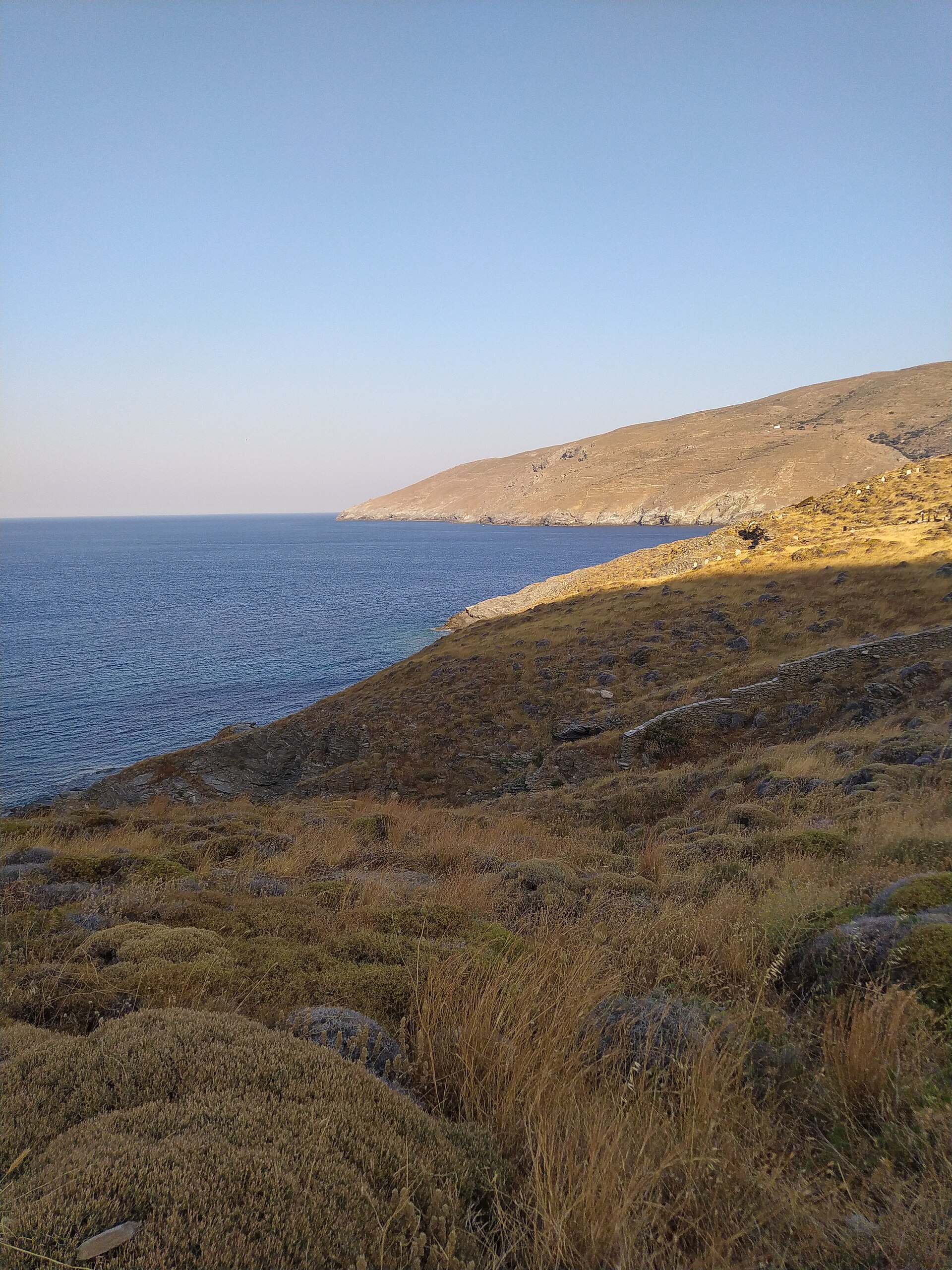
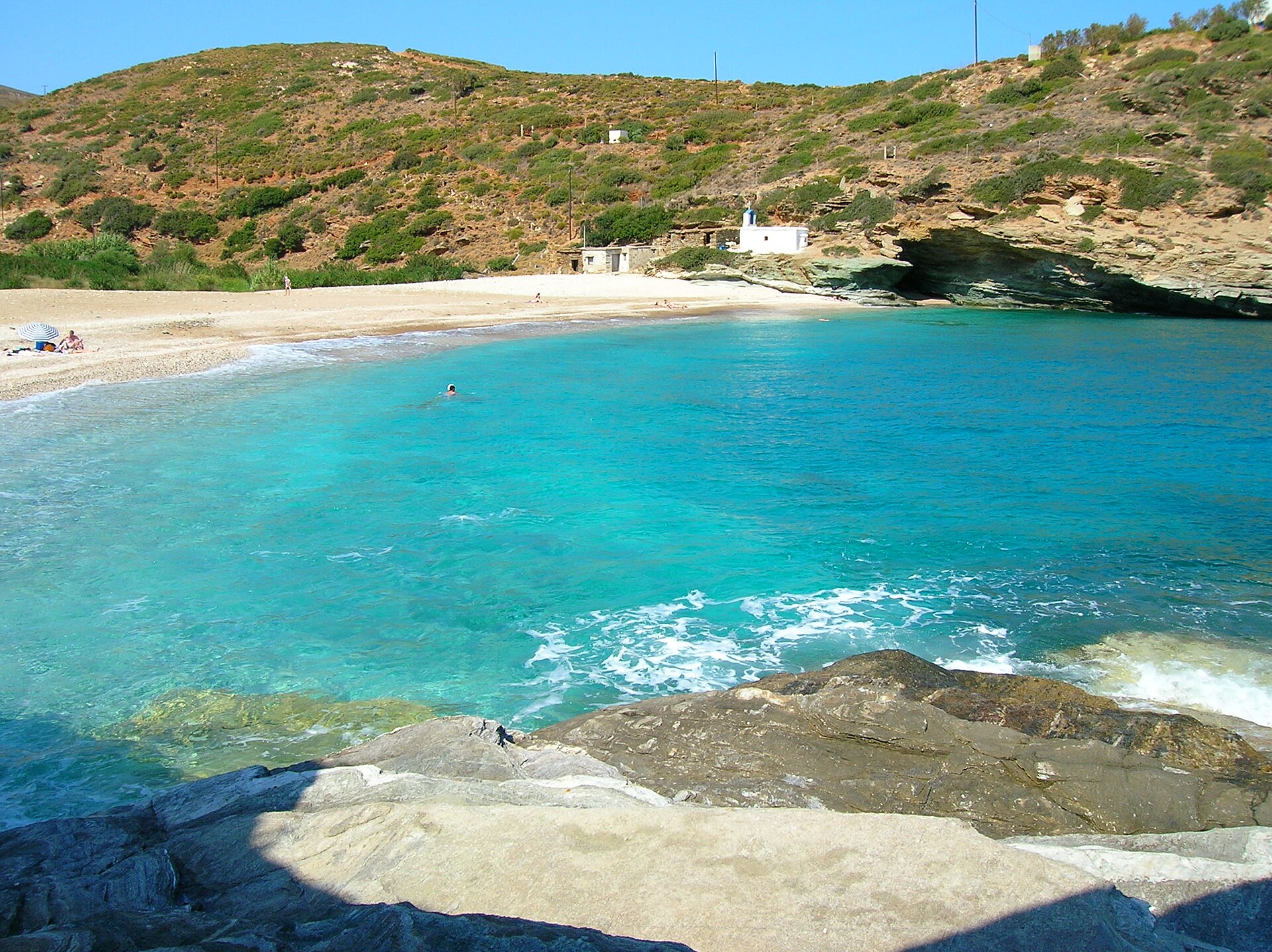
Andros doesn't look like the rest of the Cyclades. Where other islands are arid and wind-scraped, Andros is green. Natural springs feed waterfalls, carve through forested ravines, and sustain terraced orchards of citrus and walnut trees. It's the northernmost and second-largest Cycladic island, and almost certainly the most surprising.
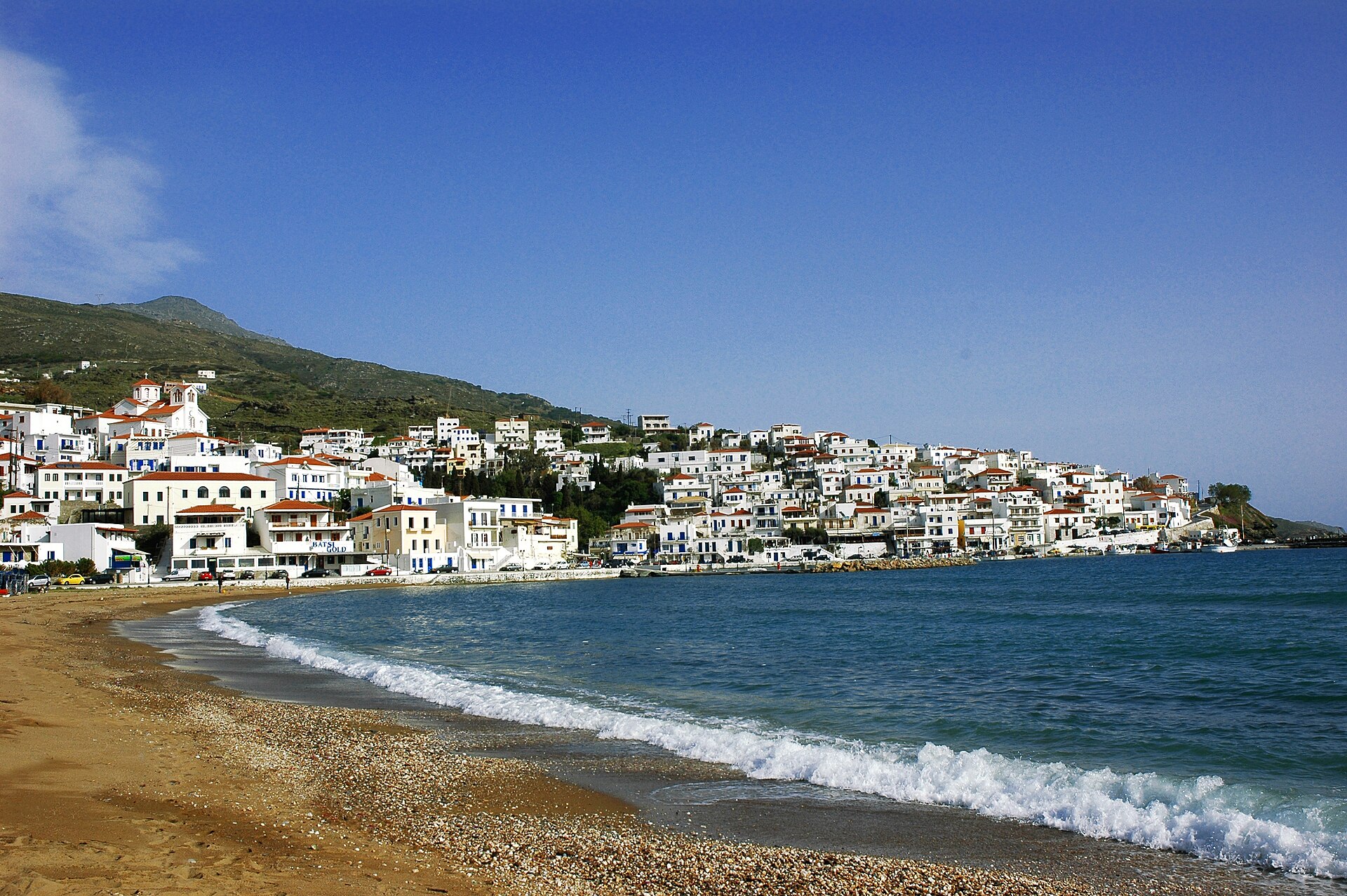
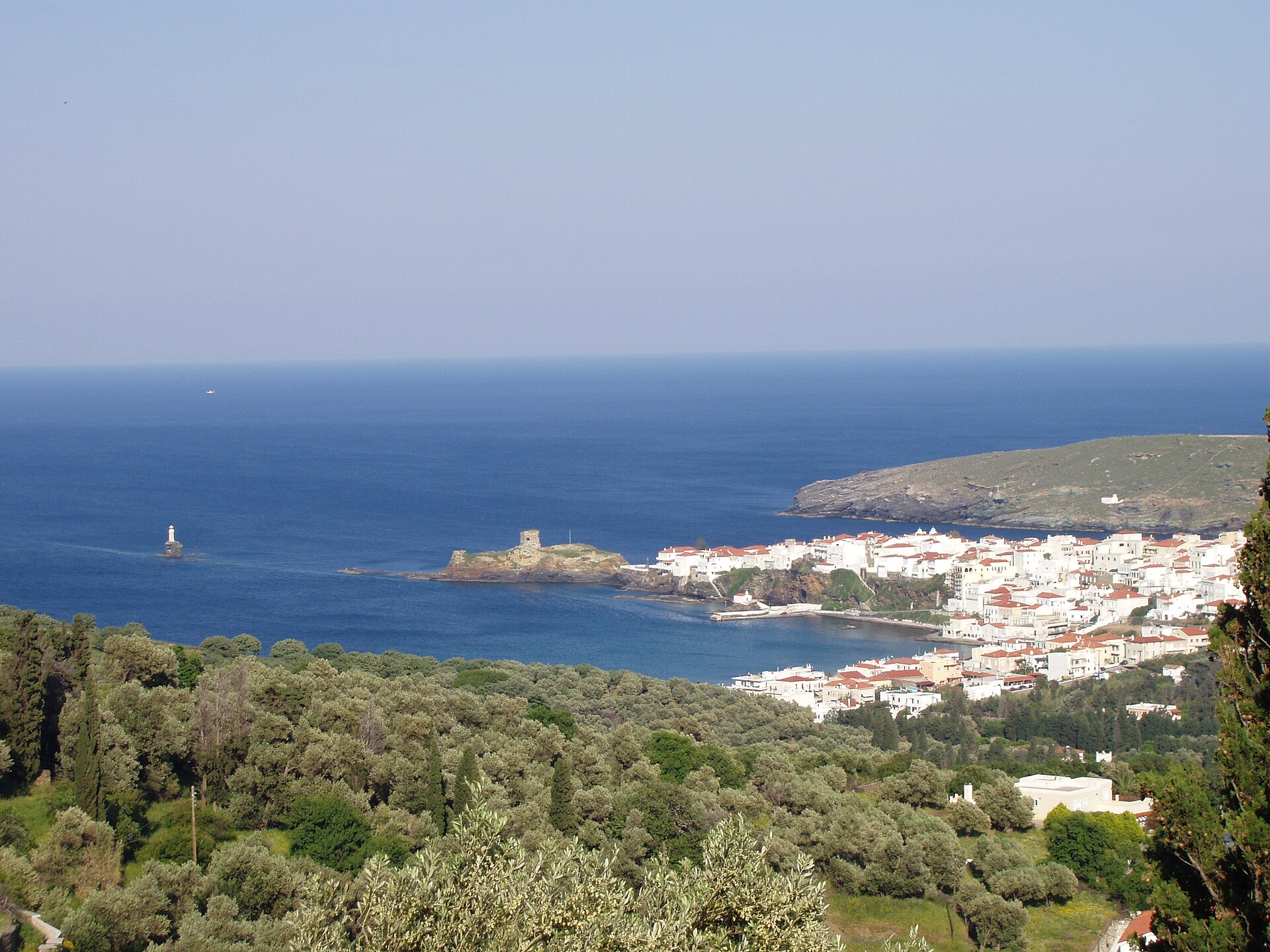
The neoclassical capital, Andros Town (Chora), juts out on a narrow peninsula between two beaches. Elegant mansions and marble-paved streets reflect centuries of seafaring wealth: shipping dynasties like the Embiricos, Goulandris, and Chandris families built their homes here. The Goulandris Museum of Contemporary Art, founded by Basil and Elise Goulandris in 1979, rivals galleries in Athens. The Maritime Museum next door tells the island's other story.
Then there's the interior. Over 300 kilometres of ancient stone paths, collectively called the Andros Route, connect mountain villages, Byzantine monasteries, Venetian towers, and hidden waterfalls. This is the premier hiking destination in the Cyclades. The walk between beaches is often better than the beaches themselves.


 Area 01