Volcanic cliffs, legendary sunsets, and a caldera that takes your breath away — the island that defines Greece
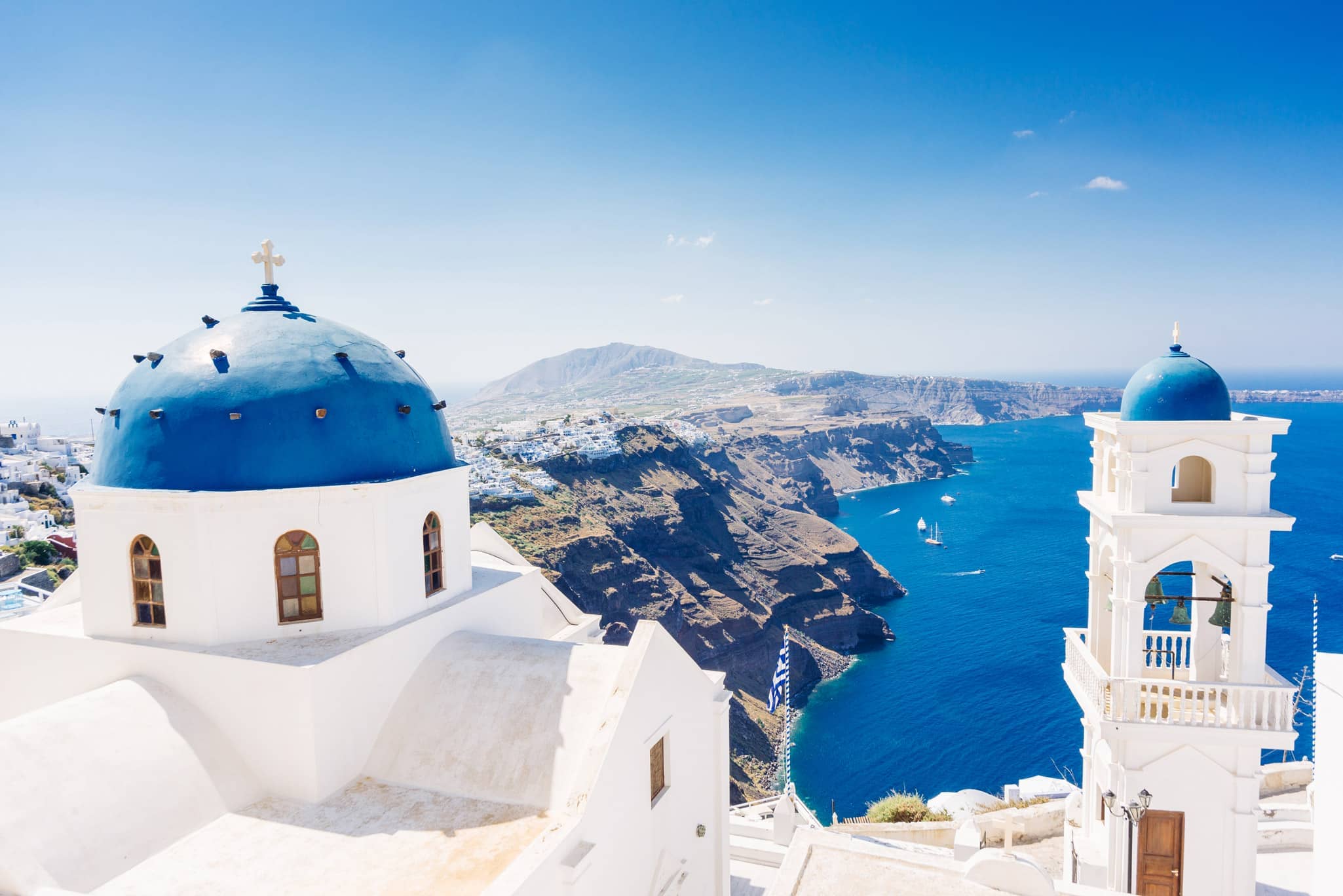
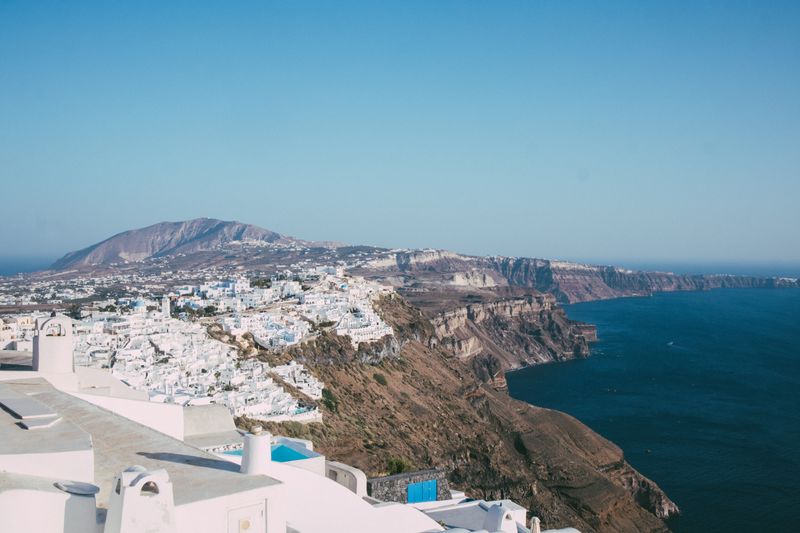
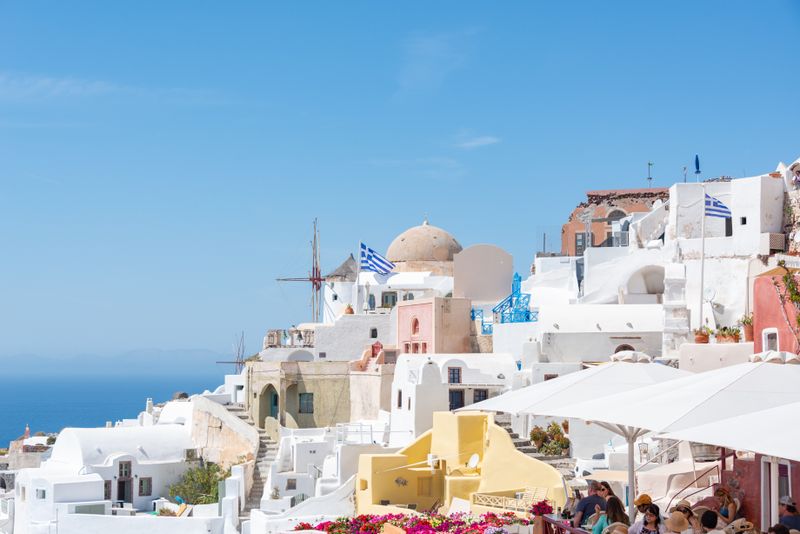
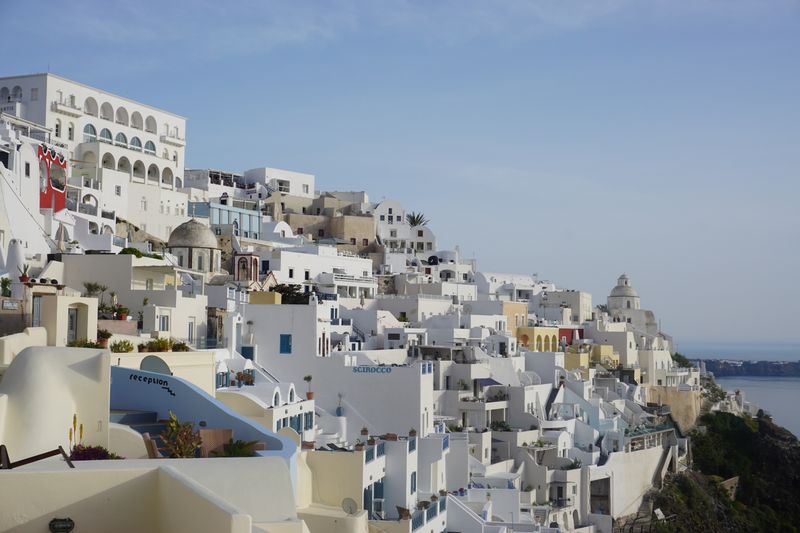
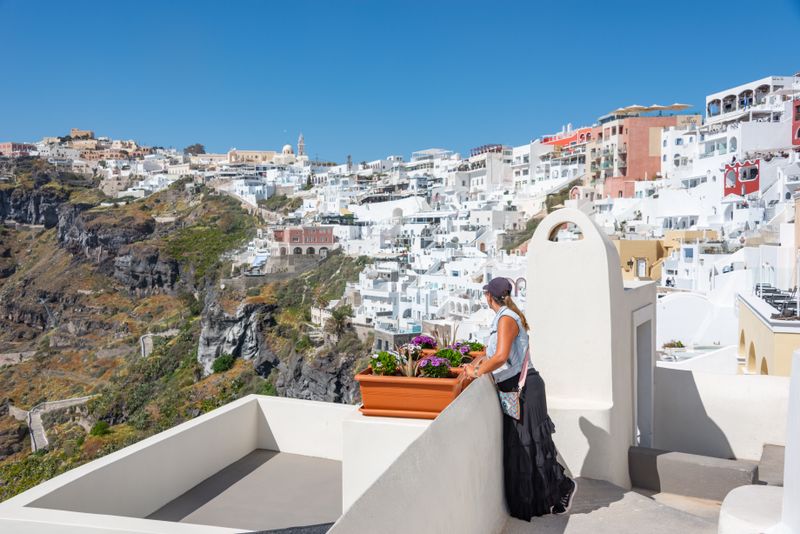
Santorini is not just an island — it's a geological masterpiece carved by one of the most powerful volcanic eruptions in recorded history. The crescent-shaped caldera, formed around 1600 BC when the ancient Minoan volcano collapsed, creates a dramatic amphitheater of rust-red cliffs topped with villages that spill like white frosting down toward the deep blue sea. No photograph truly captures the scale of standing on the caldera rim as the Aegean stretches infinitely below.
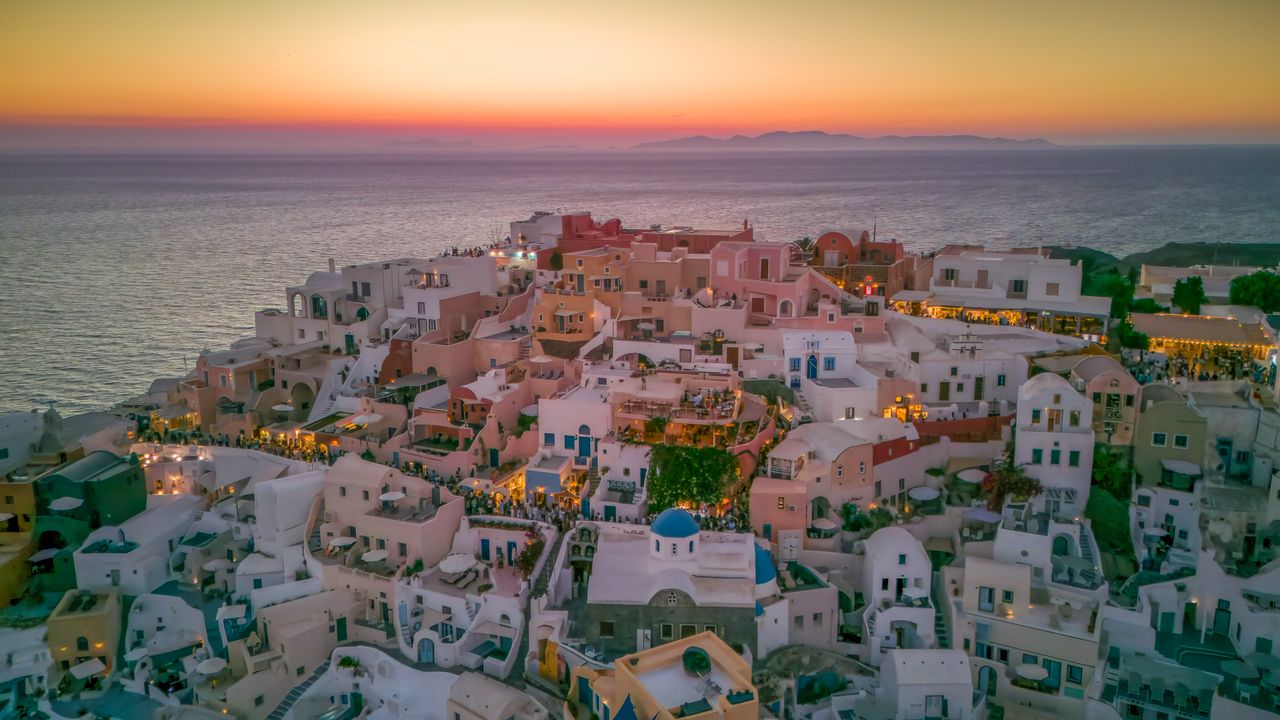
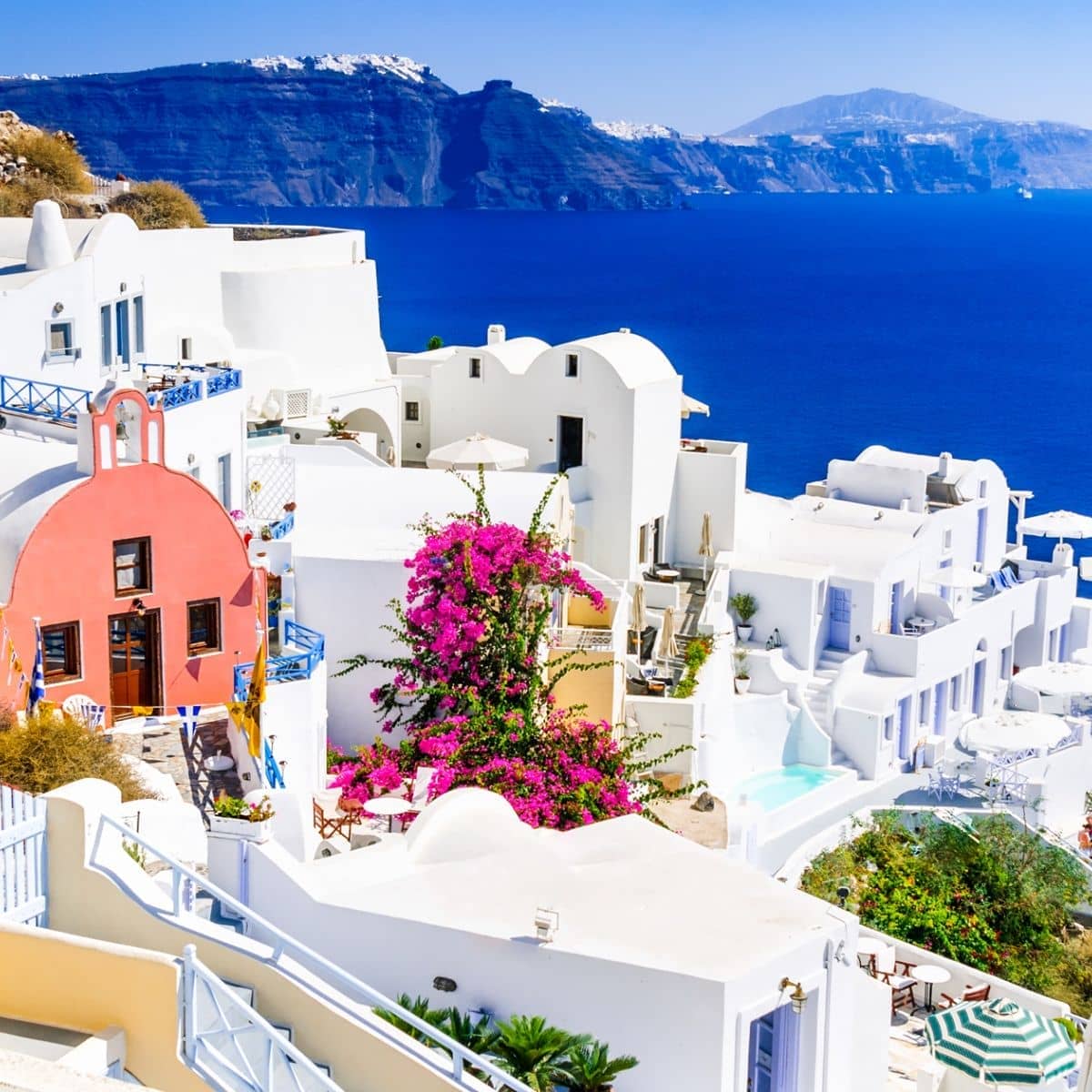
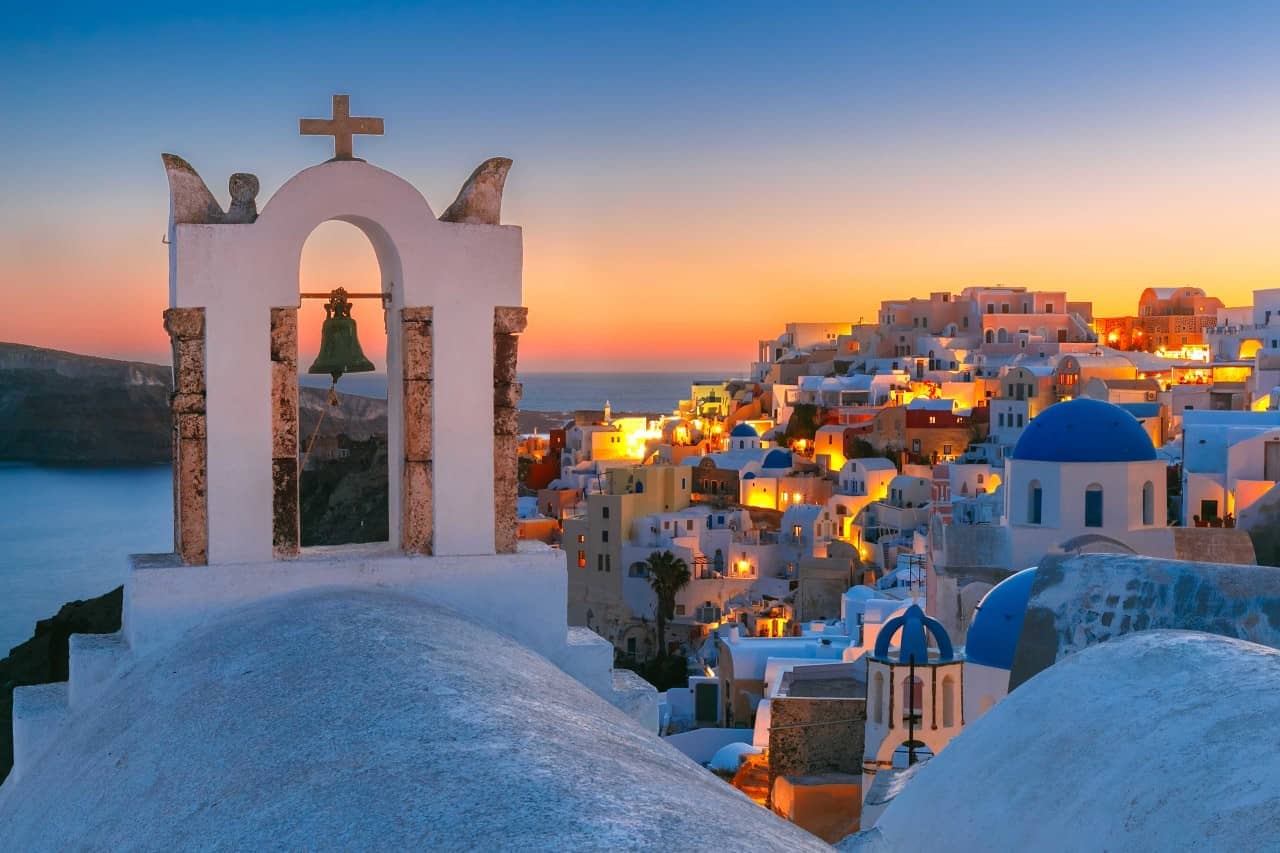
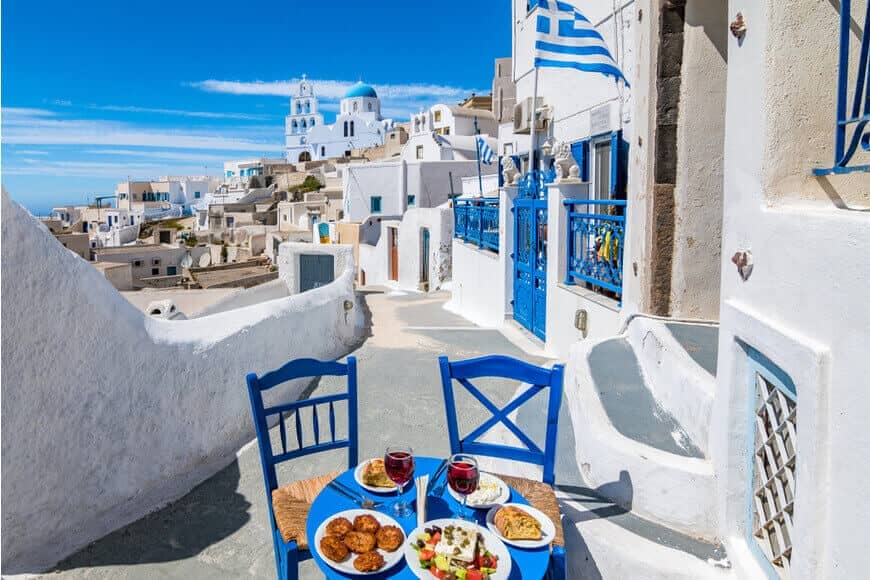
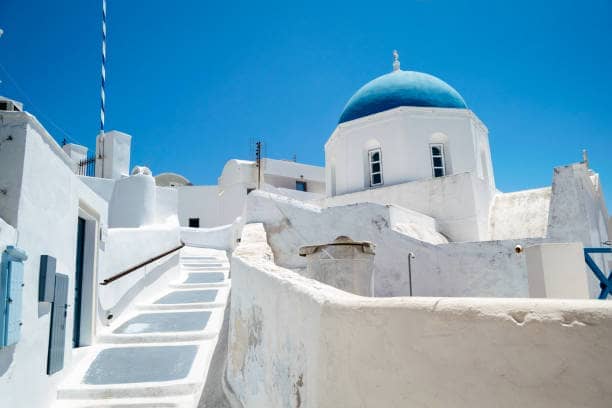
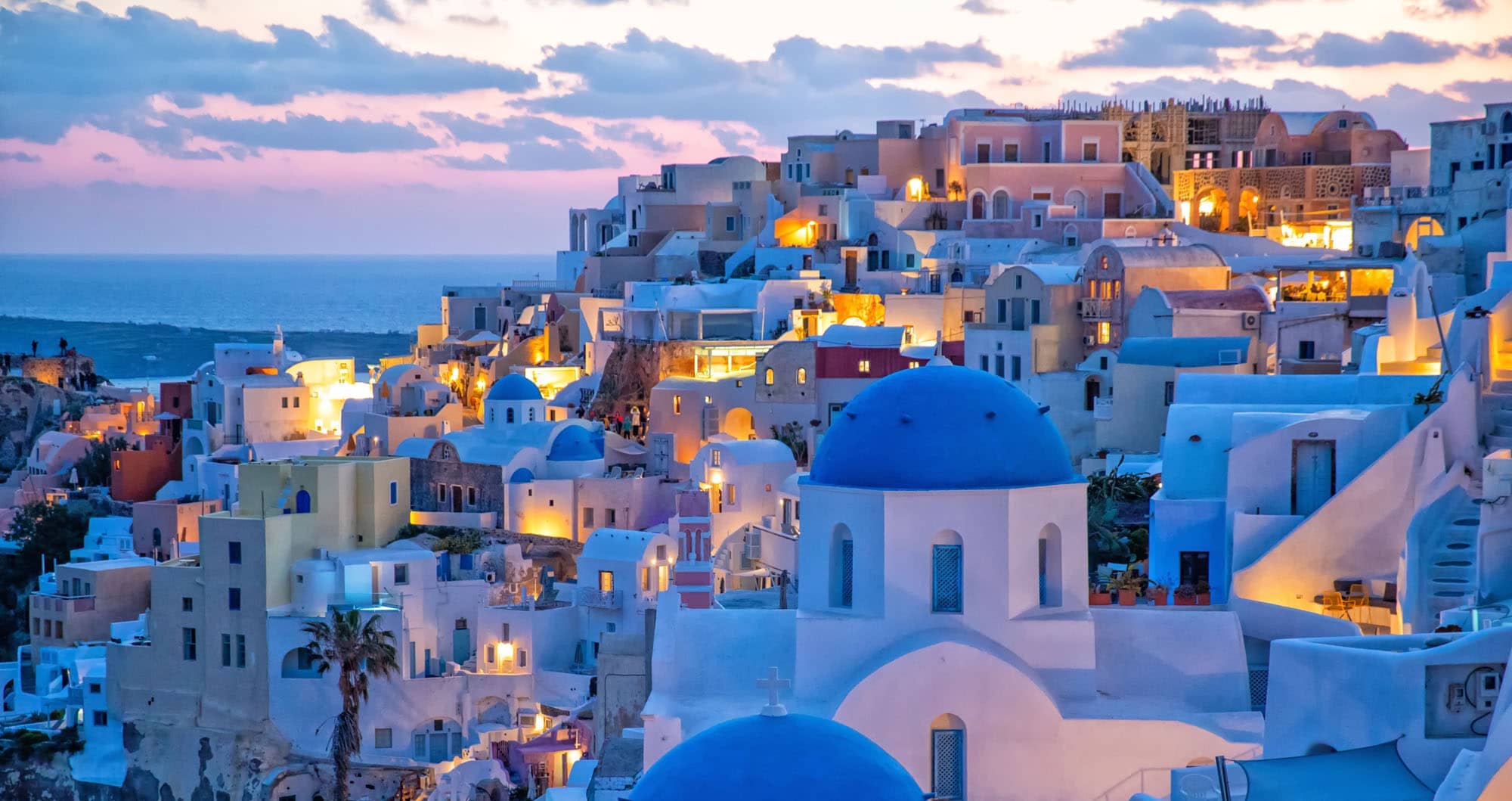
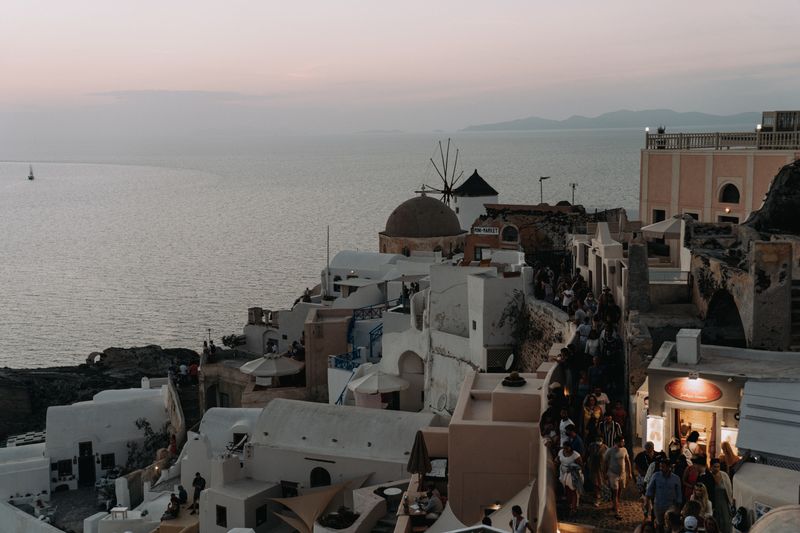
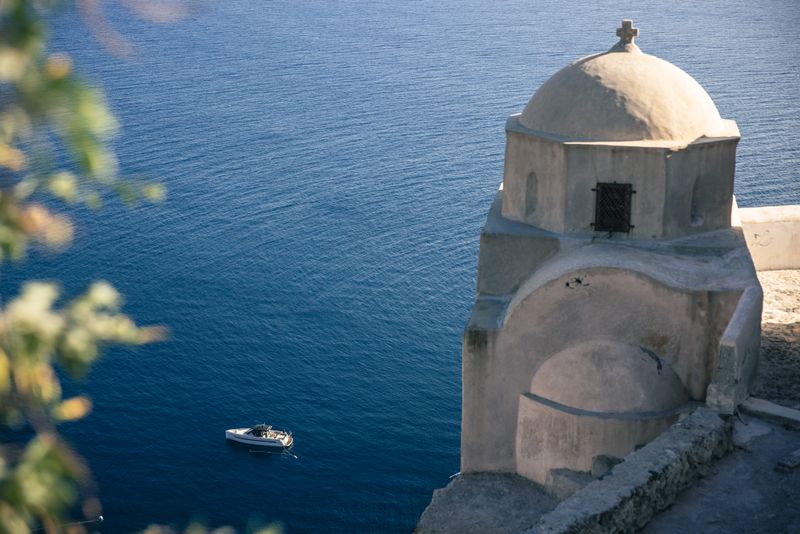
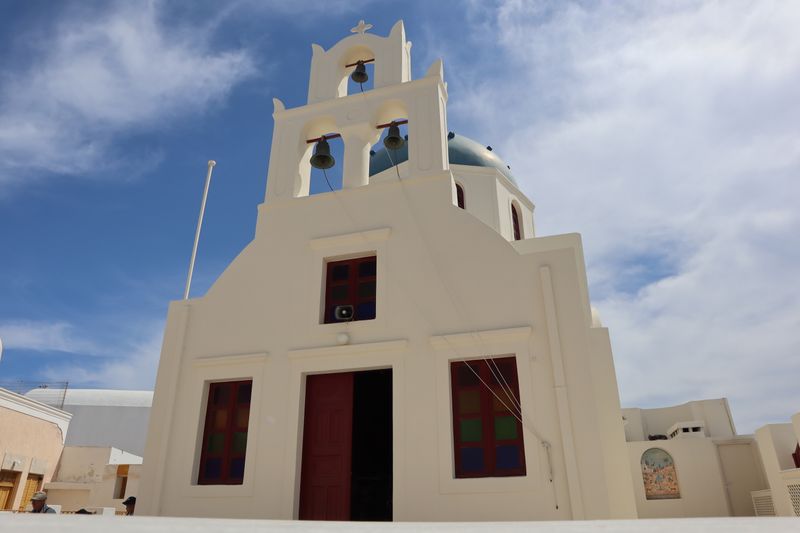
Oia and Fira, the island's twin jewels, are villages of cave houses, blue-domed churches, and winding marble paths that seem to exist outside of time. Oia's sunsets have become the stuff of legend — every evening, hundreds gather at the castle ruins to watch the sky ignite in shades of amber, coral, and violet as the sun sinks behind Thirassia. But Santorini is far more than its postcard moments. Beneath the surface lies a fascinating world of ancient ruins, volcanic hot springs, and vineyards producing some of Greece's most distinctive wines.
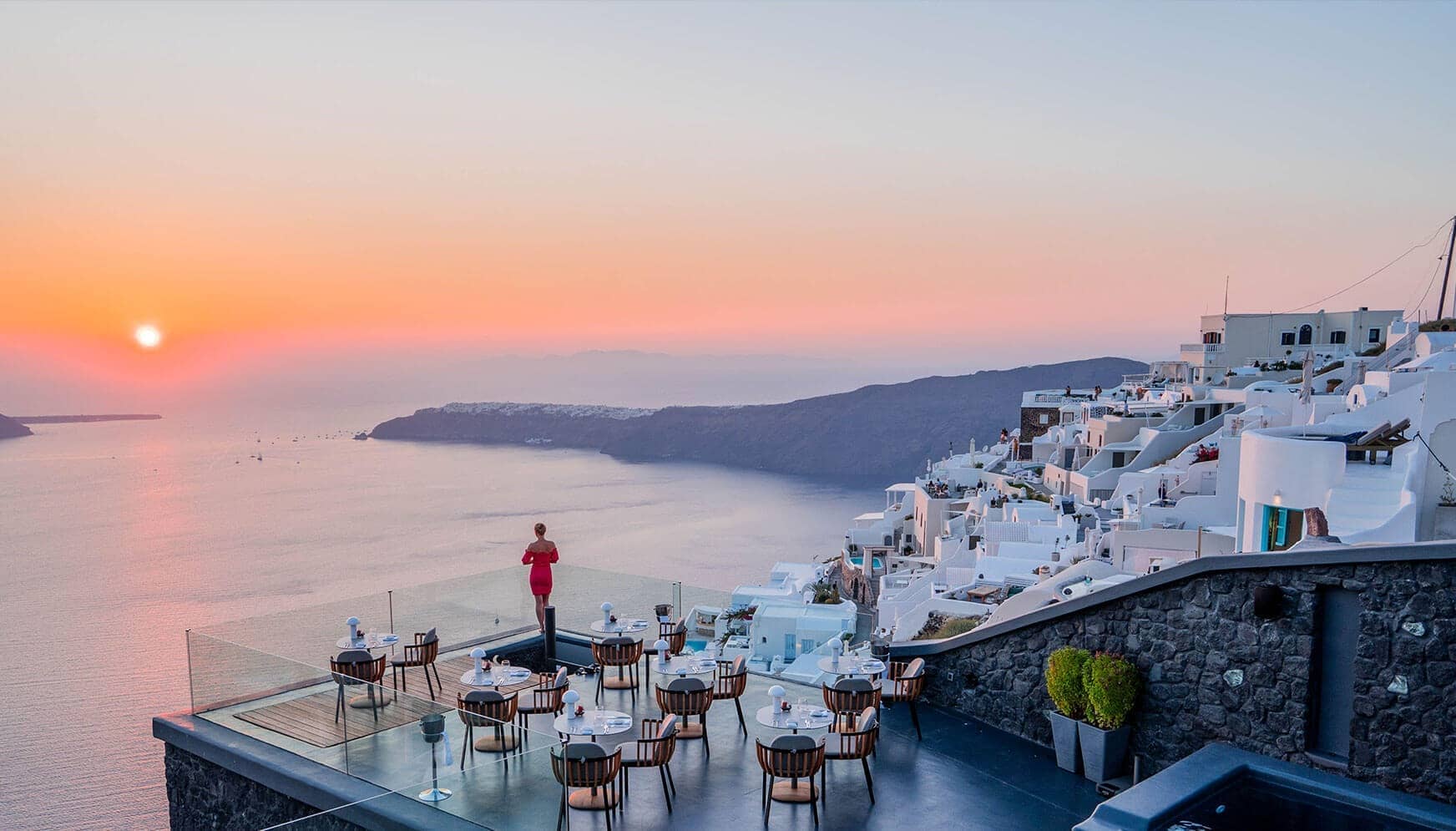
The island's dual personality is part of its charm. The caldera-facing west coast is all drama and sophistication — infinity pools, candlelit cliff-edge restaurants, and luxury cave suites carved from volcanic rock. The east coast reveals a different Santorini: black and red sand beaches born from lava flows, traditional farming villages where donkeys still outnumber cars, and archaeological sites that rewrote Mediterranean history. Whether you're clinking Assyrtiko glasses at a cliffside winery or hiking the caldera trail from Fira to Oia, Santorini delivers an experience that lingers long after you leave.
Santorini doesn't just show you beauty — it permanently recalibrates what you thought beauty could be.
Around 1600 BC, one of the largest volcanic eruptions in human history obliterated the center of the ancient island of Thera, creating today's caldera. The eruption buried the thriving Minoan settlement of Akrotiri under meters of ash, preserving it in extraordinary detail, and may have inspired Plato's legend of Atlantis.
Excavations at Akrotiri since 1967 have revealed a sophisticated Bronze Age city with multi-story buildings, indoor plumbing, stunning frescoes, and advanced urban planning. The site demonstrates that Santorini hosted one of the most advanced civilizations of the ancient world, over 1,000 years before Classical Athens.
The island was known as Thera in antiquity. The name Santorini came from the Crusaders in the 13th century, derived from Santa Irene. Under Venetian rule, the island's wine trade flourished, and the distinctive cave houses were carved into the volcanic cliffside — a tradition that continues in today's luxury hotels.
A devastating earthquake in 1956 caused massive damage and population decline. But from the 1970s onward, Santorini reinvented itself as a global tourism icon. The ruins became romantic cave hotels, the volcanic terroir gained international acclaim for its wines, and Oia's sunset became arguably the most famous view in Greece.
Explore the heart of Santorini

Perched on the northern tip of the caldera, Oia is a masterpiece of Cycladic architecture — blue-domed churches, cave houses stacked along the cliff, and narrow marble lanes lined with galleries and boutiques. The village is best known for its legendary sunsets viewed from the castle ruins, but its real charm lies in the quieter morning hours when golden light bathes the pastel-washed facades and the only sound is church bells.

Santorini's bustling capital clings to the caldera rim with a dramatic clifftop promenade offering endless views to the volcano and Thirassia. Fira combines cosmopolitan energy with traditional charm — sophisticated restaurants, vibrant bars, world-class museums, and narrow lanes where bougainvillea cascades over white walls. The cable car and donkey path connect the town to the old port below.

The highest point on the caldera rim, Imerovigli earns its nickname "The Balcony of the Aegean" with unobstructed views that stretch across the entire caldera. Quieter and more exclusive than Fira or Oia, it's home to some of the island's finest cave hotels and the dramatic Skaros Rock — a Venetian fortress ruin perched on a dramatic headland.

Rising from the island's interior, Pyrgos is a perfectly preserved medieval village built concentrically around a Venetian castle. Free from the caldera's tourist intensity, it offers an authentic glimpse of traditional Santorini life, with panoramic 360-degree views from the castle summit, tiny churches around every corner, and a growing scene of excellent restaurants.

A beautifully preserved village in the wine country of central Santorini, Megalochori is all vaulted canavas (wine cellars), neoclassical mansions, and a bell tower-dominated central square. This is where Santorini's viticulture heritage is most visible, with several wineries within walking distance and a tranquil atmosphere that feels worlds away from Fira.
The best shores of Santorini

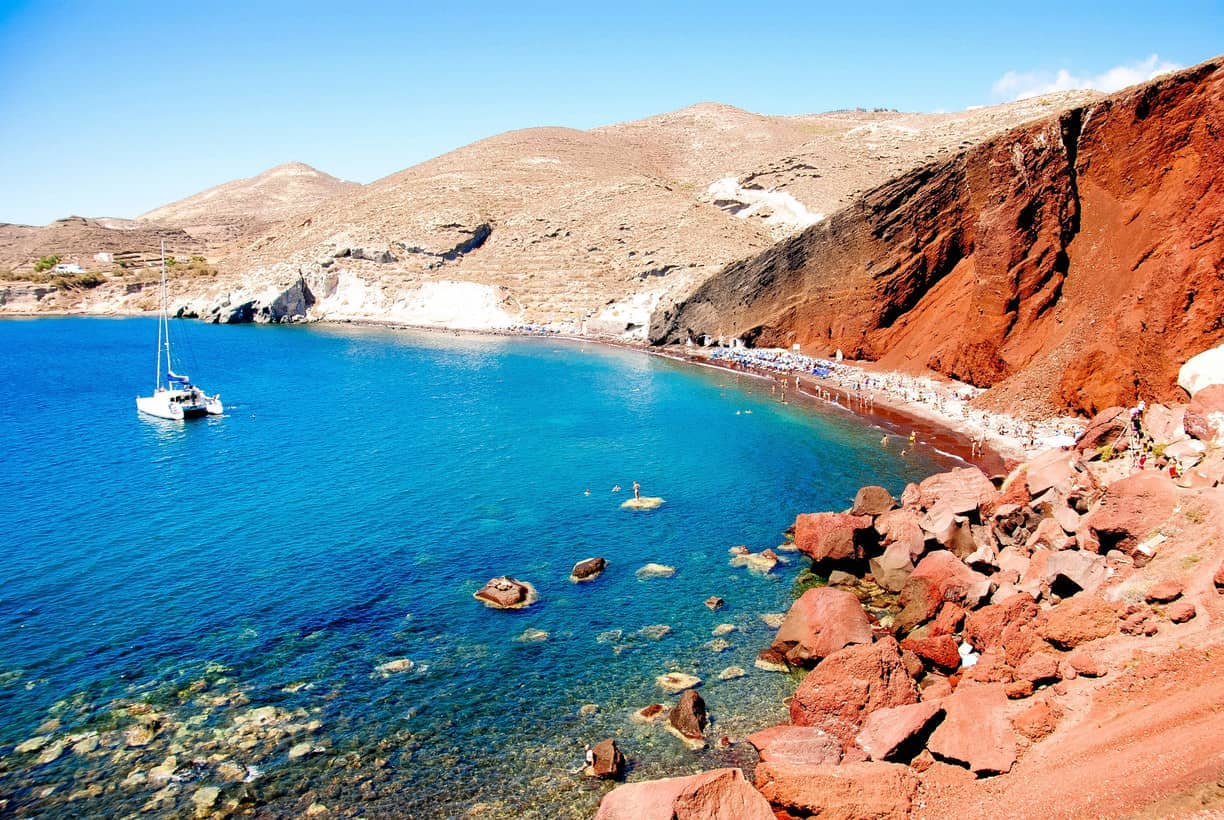
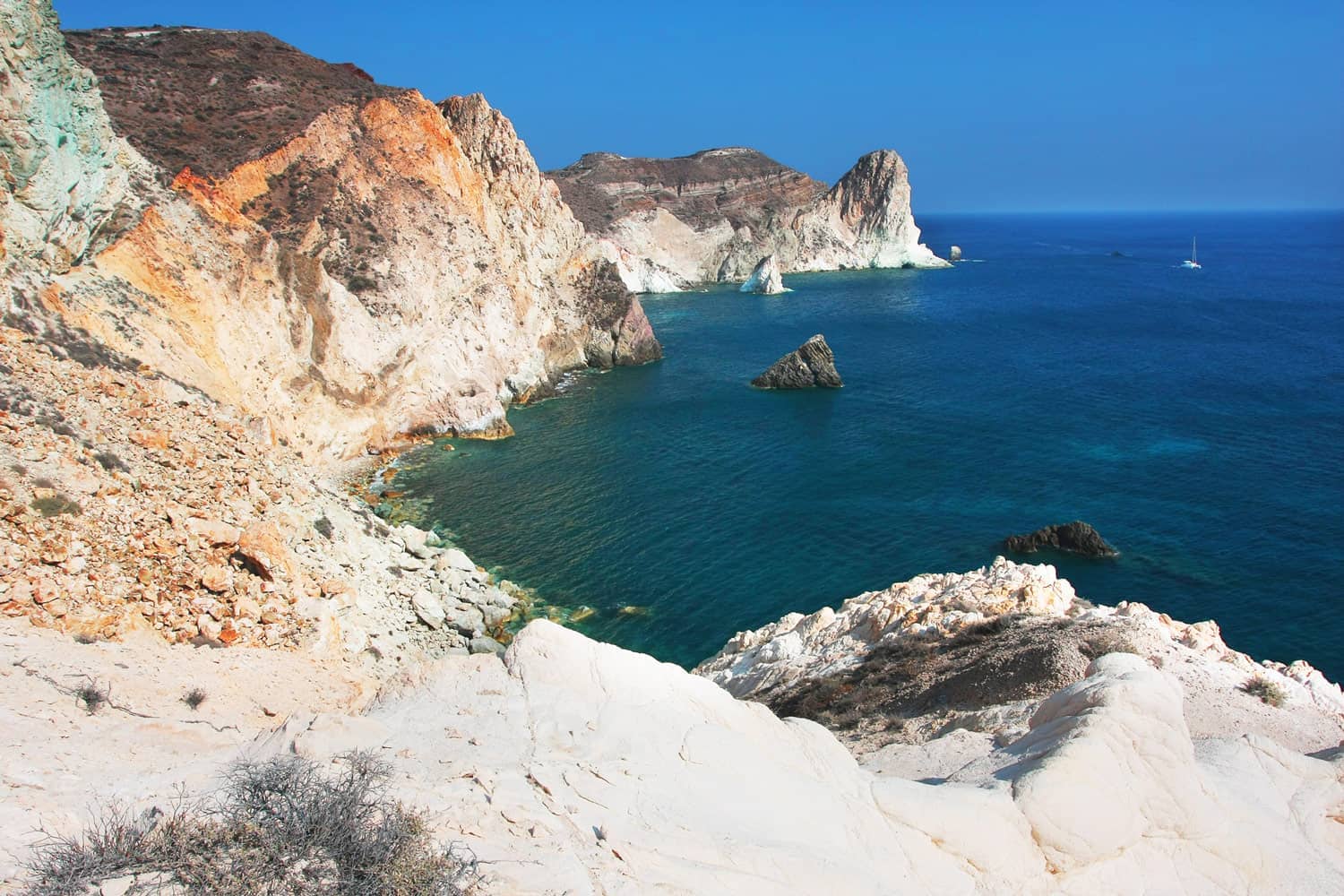
A striking cove framed by towering crimson volcanic cliffs — one of the most photographed beaches in Greece and a geological wonder

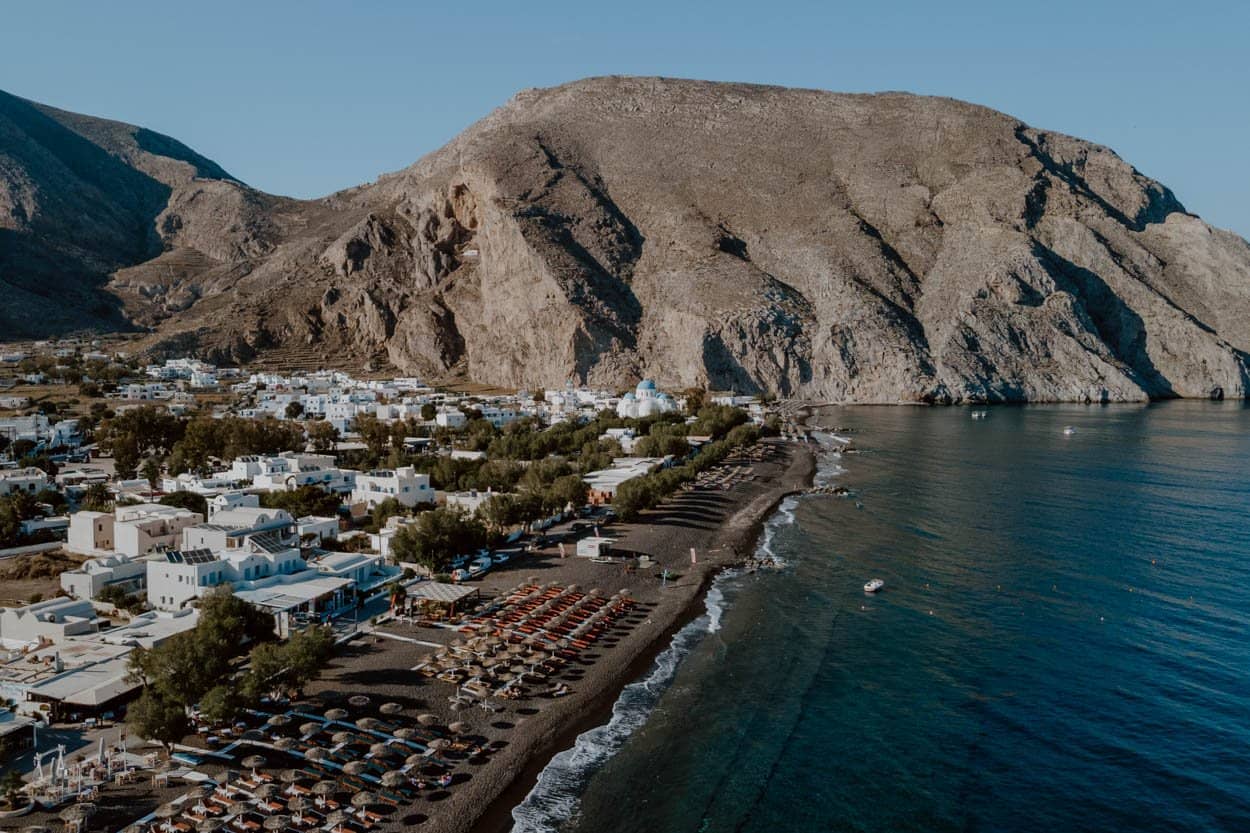
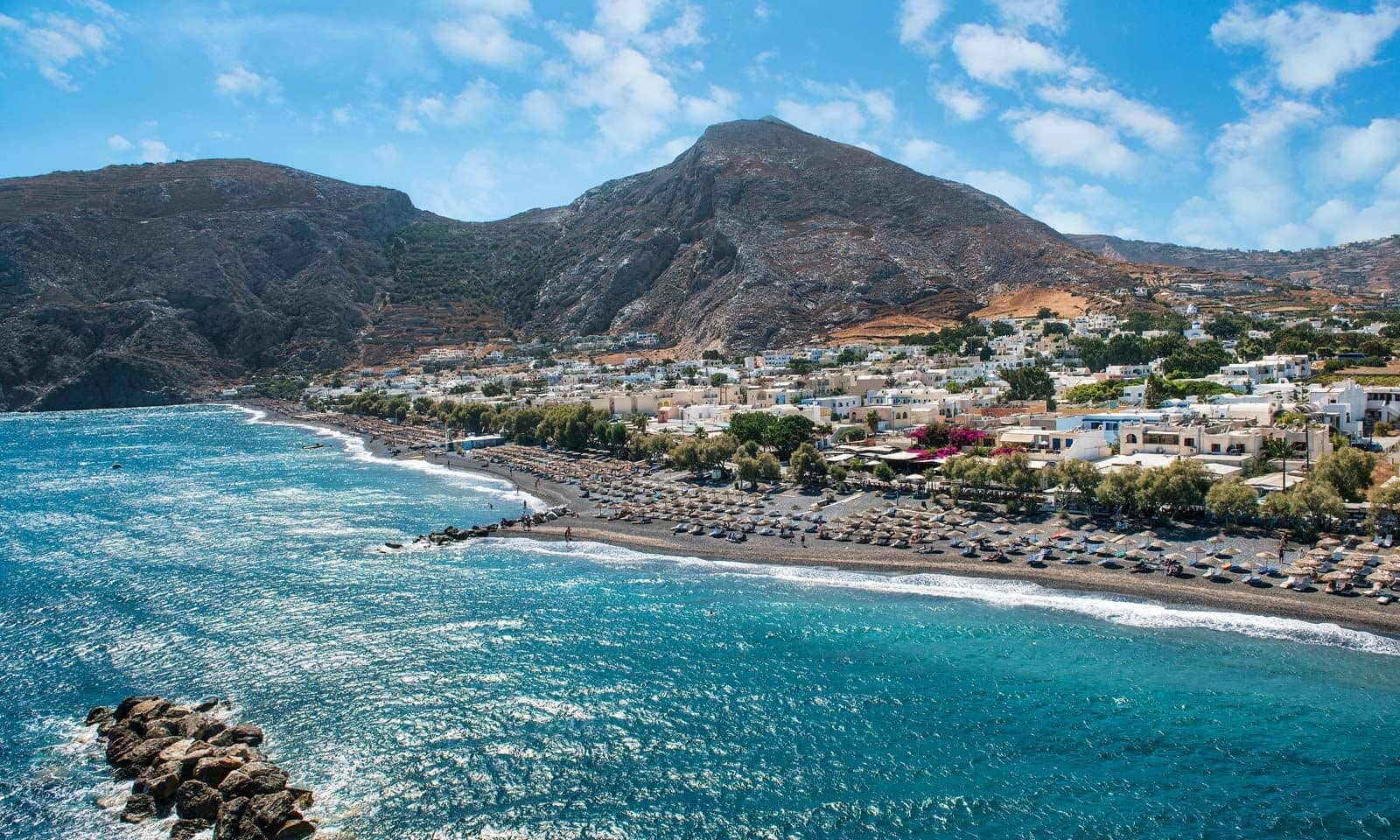
A long stretch of jet-black volcanic sand backed by the dramatic Mesa Vouno headland, with beach bars, tavernas, and a buzzing summer atmosphere

An organized black-sand beach with a long seafront promenade of restaurants, shops, and an open-air cinema — the most developed beach on the island

A tiny cove beneath ghostly white pumice cliffs, accessible only by boat from Red Beach — a hidden gem with otherworldly beauty

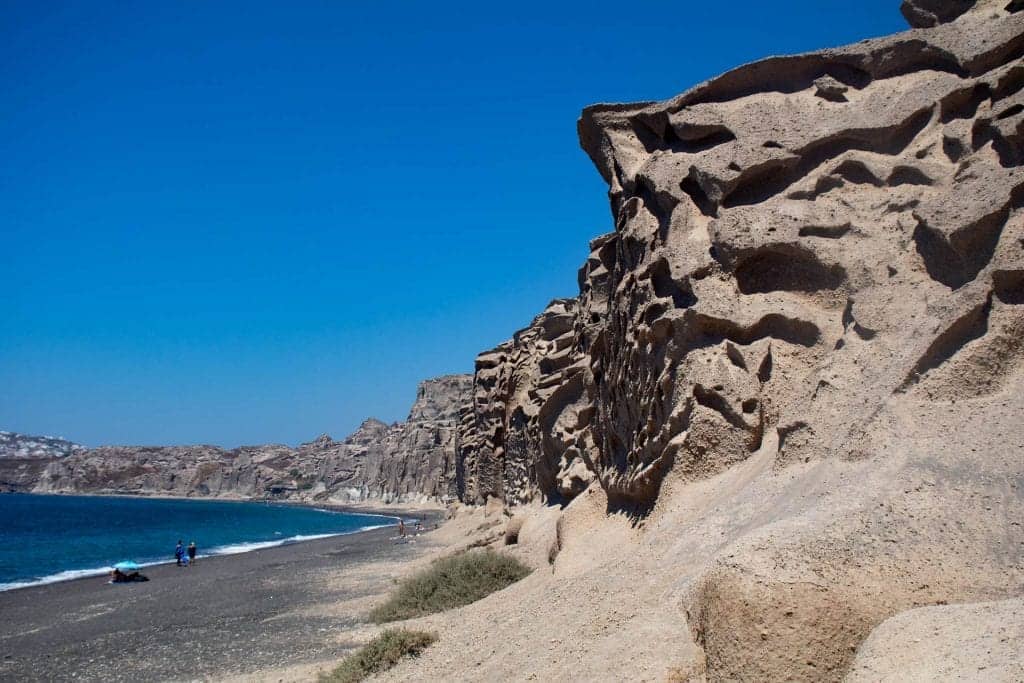
Sculpted grey-white pumice cliffs resembling a lunar landscape create a surreal backdrop to this quiet, artsy beach near the south coast

The tiny fishing port below Oia's cliffs, with swimming off the rocks and legendary seafood tavernas at the water's edge

Volcanic soil, Aegean winds, and centuries of tradition produce a cuisine unlike anywhere else in Greece
A velvety purée of yellow split peas grown in volcanic soil, drizzled with olive oil, capers, and raw onion — the island's signature dish and a PDO-protected delicacy
Crispy fritters made from intensely sweet Santorini cherry tomatoes, herbs, and onion — bursting with concentrated sun-ripened flavor
A unique Santorini variety with creamy, almost sweet flesh, grilled or baked with local olive oil and herbs
A tangy, creamy fresh goat cheese unique to Santorini, traditionally served as a meze with bread and local capers
The island's world-famous white wine, grown in unique basket-shaped "kouloura" vines close to the ground — crisp, mineral-driven, and volcanic
A luscious sweet dessert wine made from sun-dried Assyrtiko and Aidani grapes — amber-hued, complex, and centuries old in tradition
From sunrise to sunset in Santorini
Hike to the dramatic Venetian fortress ruin at Skaros Rock before the crowds arrive. The headland juts into the caldera with breathtaking views of the volcano, and at dawn, the cliffs glow in shades of rose and gold.
1.5 hoursWalk through the streets of a 3,600-year-old Minoan city preserved under volcanic ash. Multi-story buildings, frescoes, drainage systems, and pottery reveal a civilization of astonishing sophistication — often called the "Pompeii of the Aegean."
2 hoursVisit two or three of Santorini's acclaimed wineries for tastings of Assyrtiko, Nykteri, and Vinsanto wines. Learn about the unique kouloura vine training and volcanic terroir that make Santorini wines unlike any other in the world.
3-4 hoursWalk the spectacular 10 km cliffside trail connecting Fira to Oia along the caldera rim. The path passes through Firostefani, Imerovigli, and Skaros Rock, offering continuously jaw-dropping views of the volcano, the sea, and the villages clinging to the cliffs.
4-5 hoursSail across the caldera to Nea Kameni, the active volcanic island, and hike to the steaming crater rim. Then swim in the warm sulfur-rich hot springs at Palea Kameni — a surreal experience with the caldera cliffs towering above you.
5 hoursSettle into a cliffside restaurant along the Fira caldera promenade for a long Mediterranean lunch. Savor fava, tomatokeftedes, and grilled octopus while gazing at the volcano floating in the deep blue caldera below.
2 hoursBoard a catamaran for an evening cruise along the caldera, passing beneath the cliffs of Oia, stopping at Red Beach and White Beach for swimming, and anchoring for dinner as the Santorini sunset paints the sky.
5 hoursJoin the nightly pilgrimage to the Byzantine castle ruins in Oia for the most celebrated sunset in the Mediterranean. Arrive early to secure a spot as the sun descends behind Thirassia and the sky erupts in color.
1 hourFind the perfect time for your Santorini trip
Ferry routes and travel connections
Curated tours and activities
Sail the caldera with stops at the volcano, hot springs, Red Beach, and White Beach, including BBQ lunch and sunset on board.
Visit three acclaimed Santorini wineries, tasting Assyrtiko and Vinsanto wines with cheese and local meze pairings.
Guided archaeological tour of the Minoan city of Akrotiri followed by the Museum of Prehistoric Thera in Fira.
Insider tips for your Santorini trip
Everything you need to know about Santorini
Our AI travel assistant knows everything about Santorini

From the fiery caldera sunsets to volcanic vineyards, from ancient Akrotiri to the blue-domed churches of Oia — Santorini is waiting to take your breath away.