Everything you need to know for your 2026 Santorini trip. From iconic Oia sunsets to hidden gems, volcanic beaches, best restaurants, and insider tips from locals.
Santorini: Your Ultimate Guide to the Jewel of the Cyclades

Santorini, an island forged by ancient volcanic eruptions, stands as a beacon of beauty in the Aegean Sea. Famous for its breathtaking caldera views, iconic whitewashed villages clinging to cliffs, stunning sunsets, and unique volcanic beaches, this Cycladic gem offers an unforgettable experience. Whether you're seeking romance, adventure, or simply a tranquil escape, Santorini promises memories that will last a lifetime.
Ready to dive deeper into what makes this island so special? For comprehensive details, explore our dedicated Santorini Island Guide and discover more about the stunning Cyclades islands.
Table of Contents
- Planning Your Unforgettable Trip to Santorini
- Getting to Santorini: Sun, Sea, and Sky
- Getting Around Santorini
- Discovering Santorini's Magic
- Best Time to Visit Santorini
- Unforgettable Santorini Experiences
- Savoring Santorini: Local Flavors
- Shopping: Treasures to Take Home
- Accommodation & Budgeting
- The Iconic Santorini Blue
- Frequently Asked Questions
Planning Your Unforgettable Trip to Santorini
Embarking on a journey to this enchanting Greek island is an exciting prospect. Here's what you need to know to plan your travel.
Getting to Santorini: Sun, Sea, and Sky
Nestled in the Cyclades island group, Santorini is accessible by both air and sea, offering picturesque arrivals.

By Air: Soaring into Paradise
Santorini (Thira) National Airport (JTR) is situated on the island's eastern side. It serves as a gateway, connecting Santorini with Athens and numerous other European cities such as Paris and Amsterdam.
Flight Options:
- From Athens: 45-minute flights, year-round service with Aegean Airlines and Olympic Air
- International: Direct flights from major European cities during summer season
- Budget Airlines: Seasonal connections with Ryanair, easyJet, and Wizz Air
- Airport Transfer: Pre-book transfers as taxis are limited (€20-35 to most destinations)
By Sea: A Scenic Voyage
Taking a ferry is a quintessential Greek island experience and often a more relaxing option than flying. Modern ferries offer comfortable and swift journeys. For convenient booking, check our ferry tickets page for schedules and prices.
From Athens:
- Piraeus Port: Main departure point, 4-8 hours depending on ferry type
- High-Speed Ferries: 3-5 hours, more expensive but faster
- Conventional Ferries: 6-8 hours, more stable, budget-friendly, vehicle capacity

From Other Islands:
- Mykonos: 2-3 hours, excellent for island hopping
- Naxos: 1-2 hours, convenient central Cyclades connection
- Paros: 1.5-3 hours, regular daily connections
- Crete: 2-4 hours, extending your Greek island adventure
For a hassle-free connection from Athens International Airport to Piraeus port to catch your ferry, consider our reliable transfer services.
Getting Around Santorini: Exploring at Your Own Pace

Santorini's compact size means you can drive from its northern to southern tip in roughly 45 minutes. Here's how to navigate this stunning island:
Transportation Options:
- Public Buses: The most economical way to travel. Most bus routes hub through Fira, the capital. Note that services might be less frequent during the off-season.
- Rental Car: Offers comfort (hello, AC!) and safety. It's advisable to book your car rental in advance, especially if visiting during peak season.
- ATV/Quad or Motorcycle: Provides a sense of freedom and makes parking easier. However, be aware of potentially bumpy roads, traffic, sun exposure, and the challenges of narrow, cliffside roads.
- Taxis: Available across the island, but they can be quite expensive, particularly for longer journeys.
- E-bike Tours: An enjoyable and active method to discover Santorini's varied terrain.
- Hitchhiking: Generally considered safe in Santorini, though securing a ride might require some patience.
A good Santorini map can be invaluable, especially for finding those perfect photo locations.
Discovering Santorini's Magic: Villages, Vistas, and Volcanoes
The island's dramatic volcanic origins have sculpted a landscape of unparalleled beauty, giving rise to its world-renowned sights.
Iconic Villages: Whitewashed Wonders

Oia: The Crown Jewel
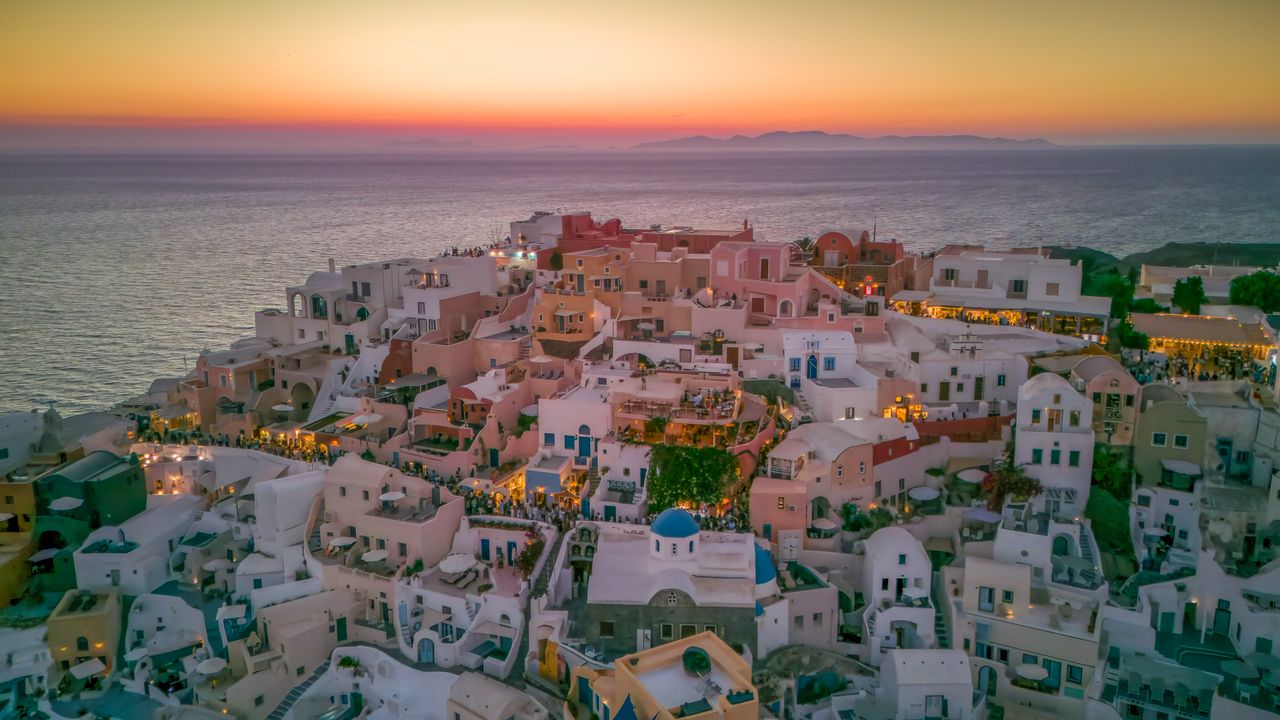
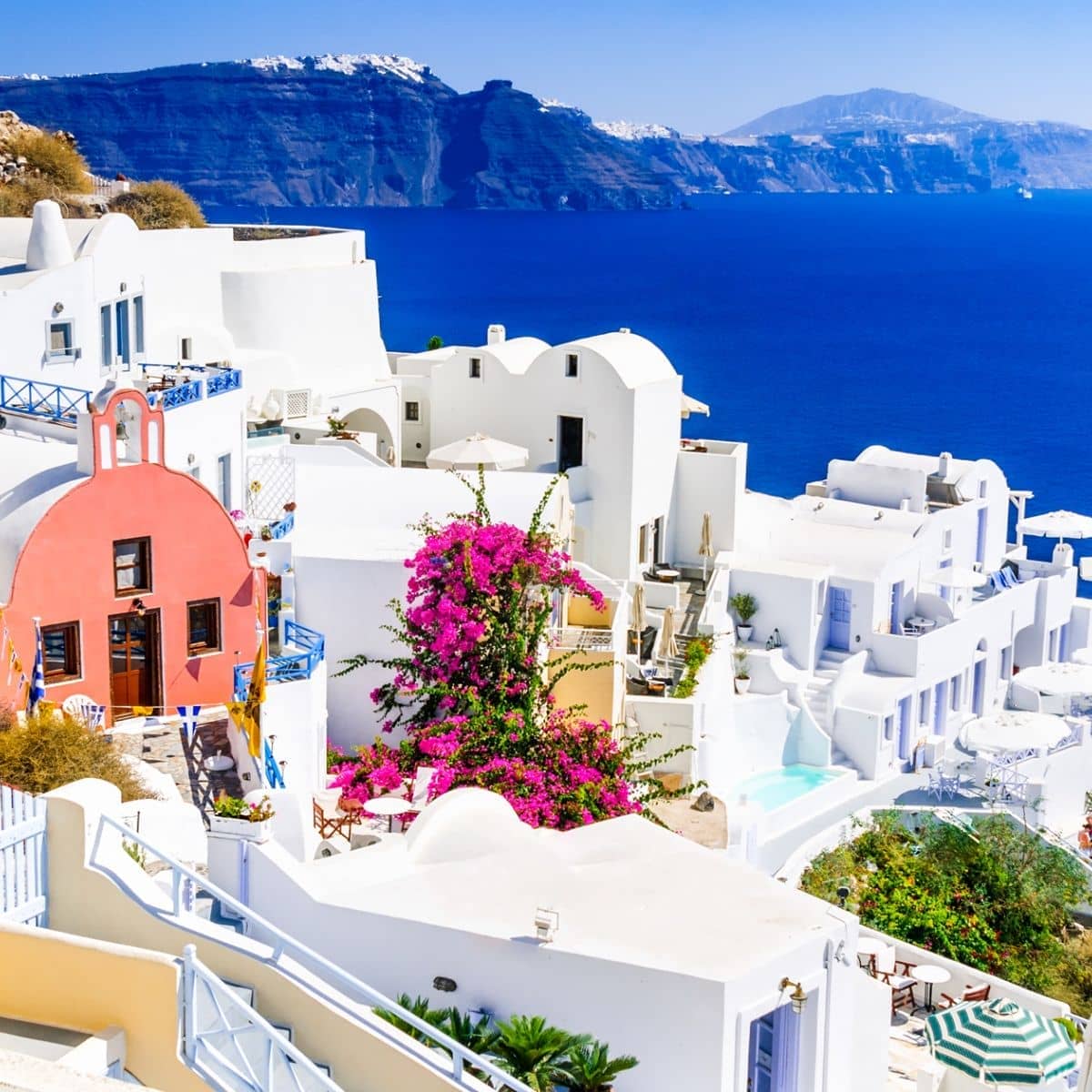
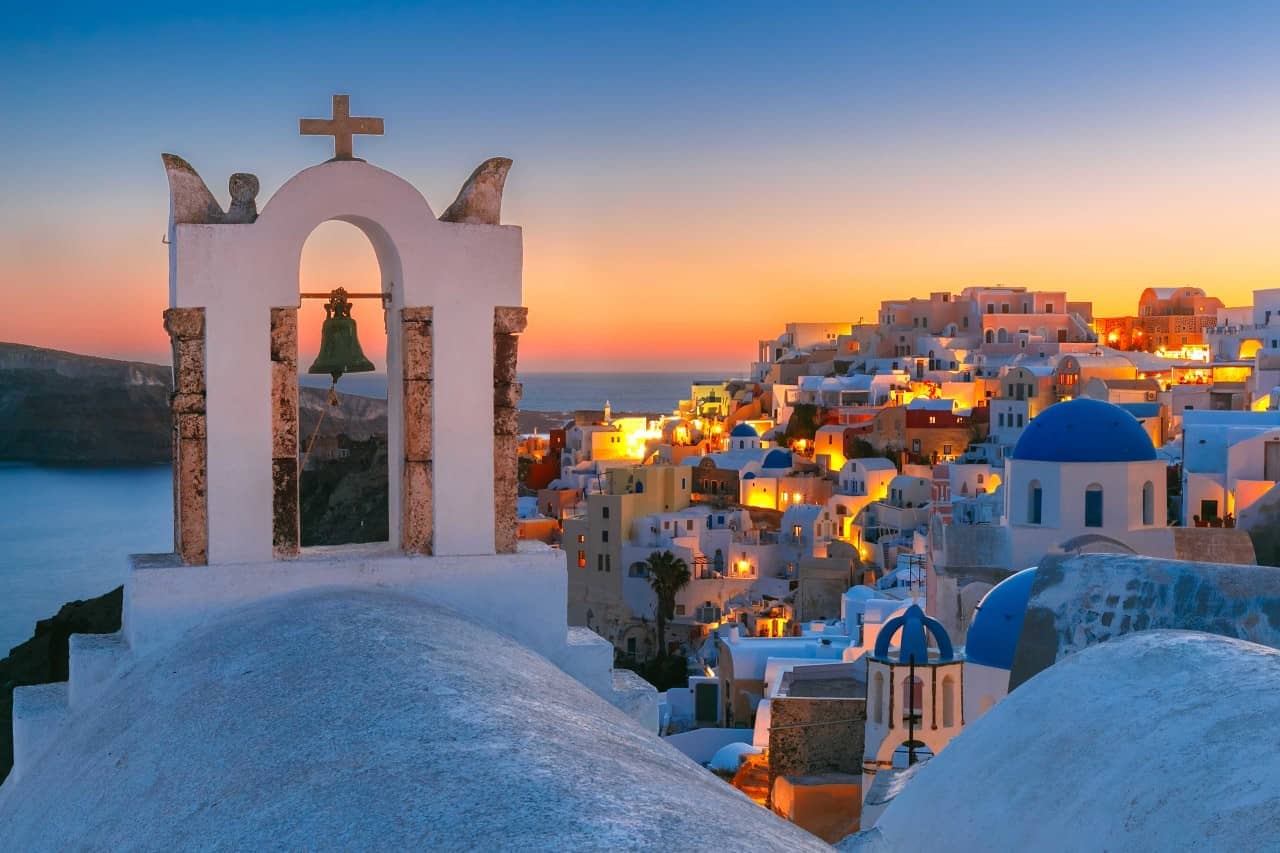
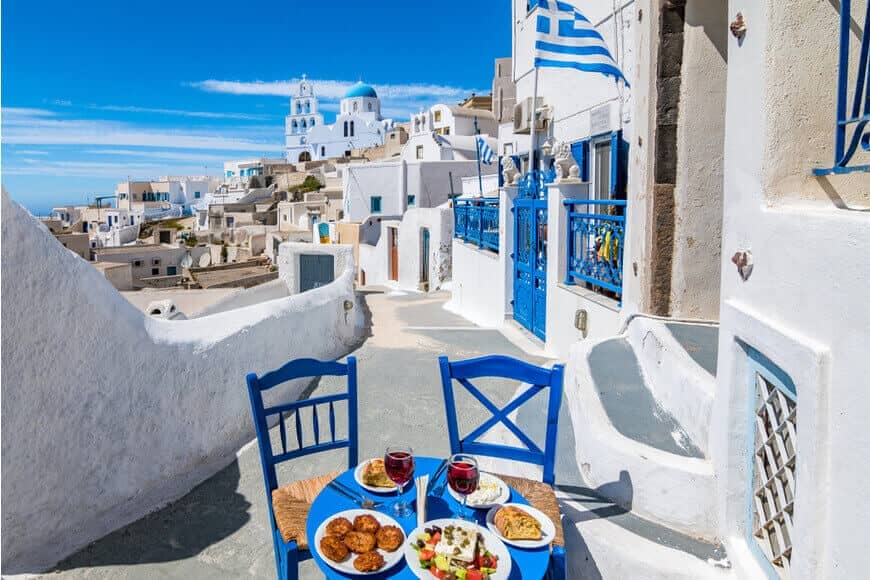
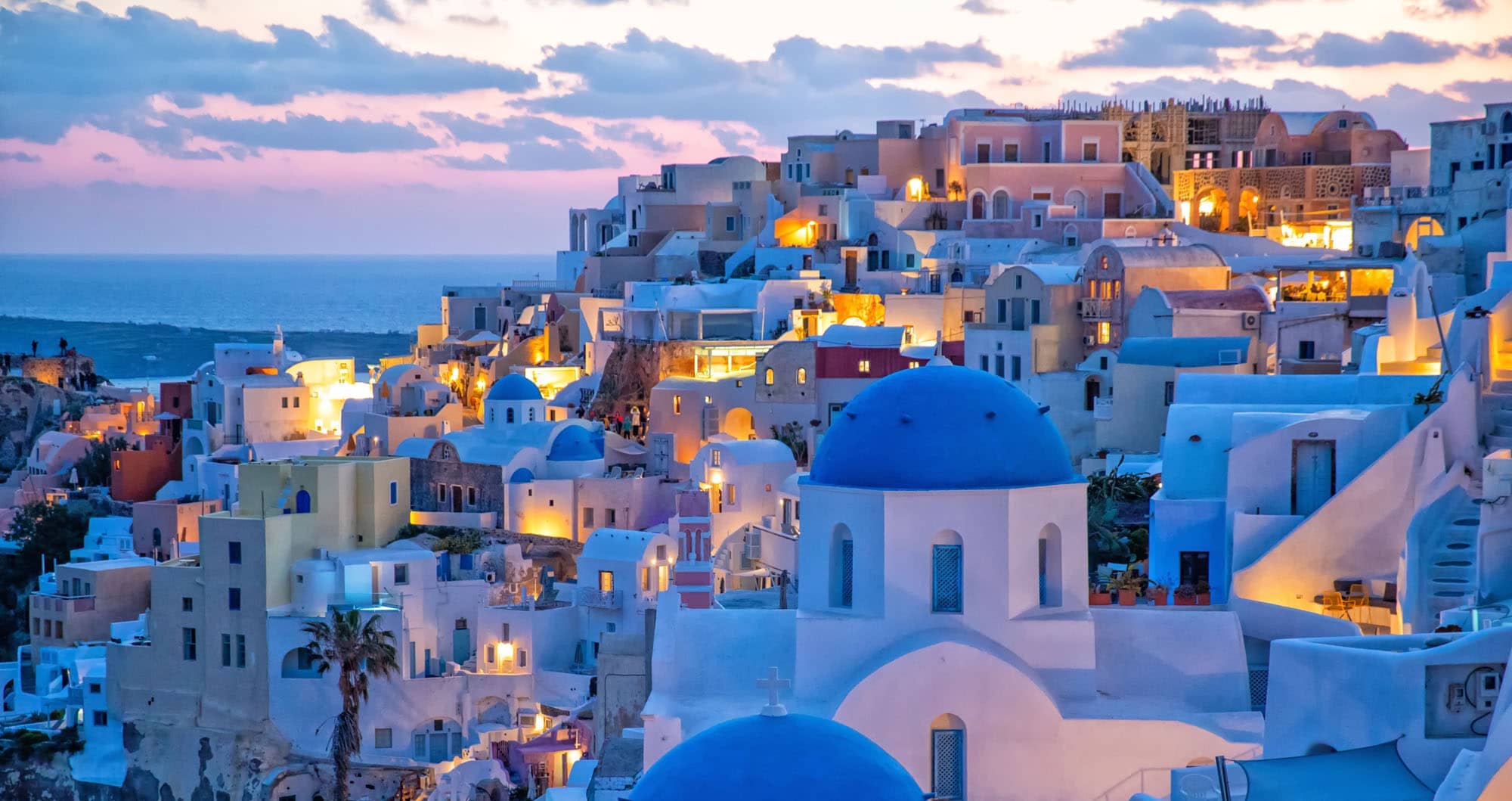
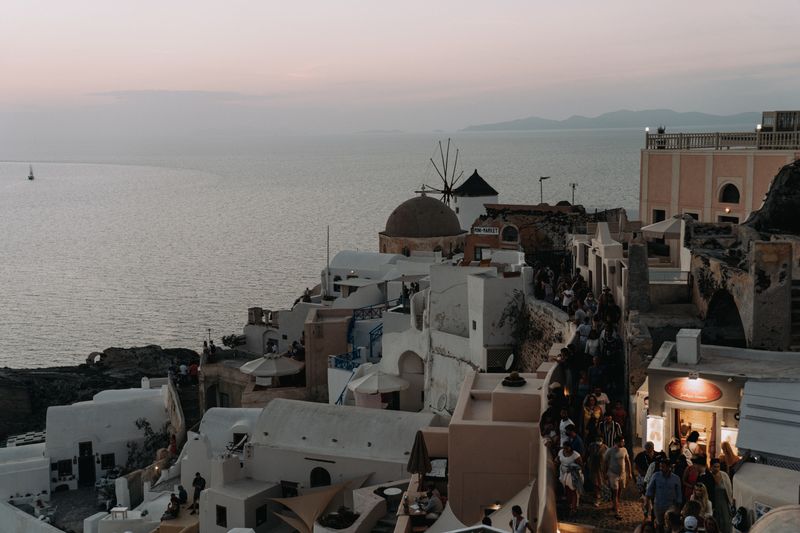
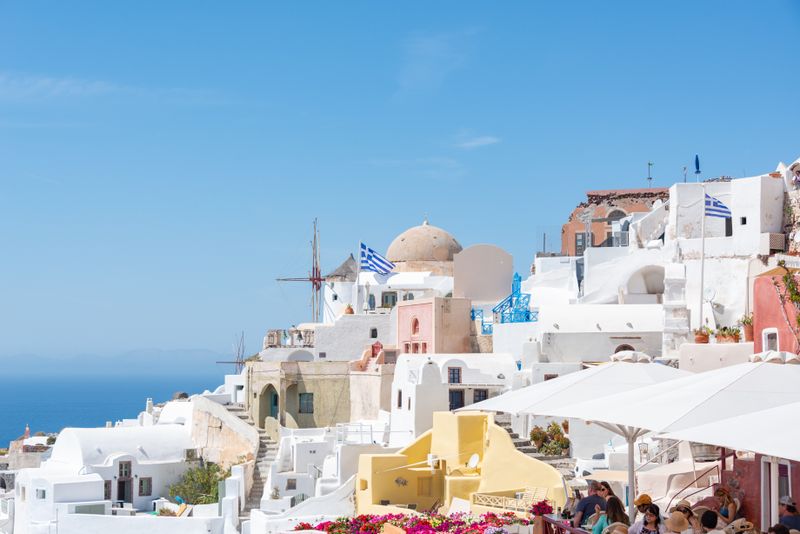
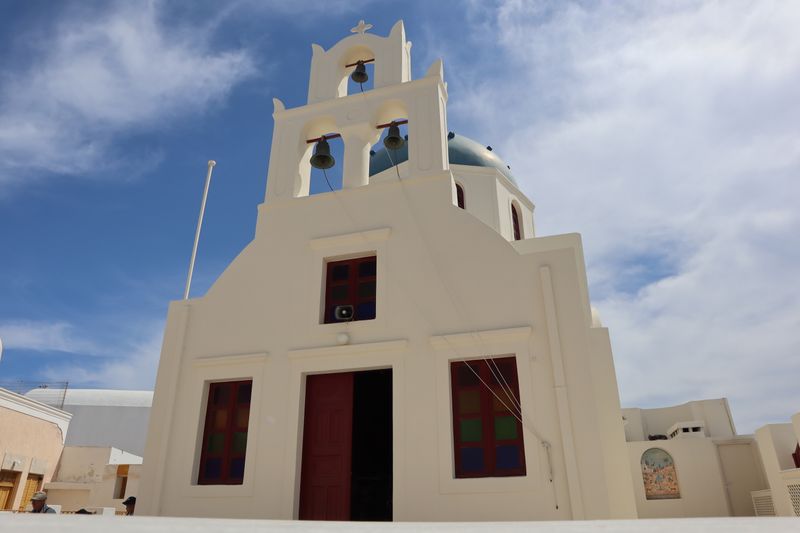
Often hailed as Santorini's most beautiful town, Oia is famed for its pristine whitewashed houses, iconic blue-domed churches (such as Agios Spiridonas and Anasteseos), charming windmills, and the unmissable Oia sunset. Lose yourself in its narrow, winding streets and discover breathtaking photo opportunities like the Three Blue Domes viewpoint and the area around the Castle of Oia (Agios Nikolaos Castle).
Insider Tips:
- Arrive early morning or during shoulder season to avoid crowds
- Book sunset dinner reservations months in advance
- Explore the quieter northern sections for authentic experiences
Fira (Thira): The Vibrant Capital
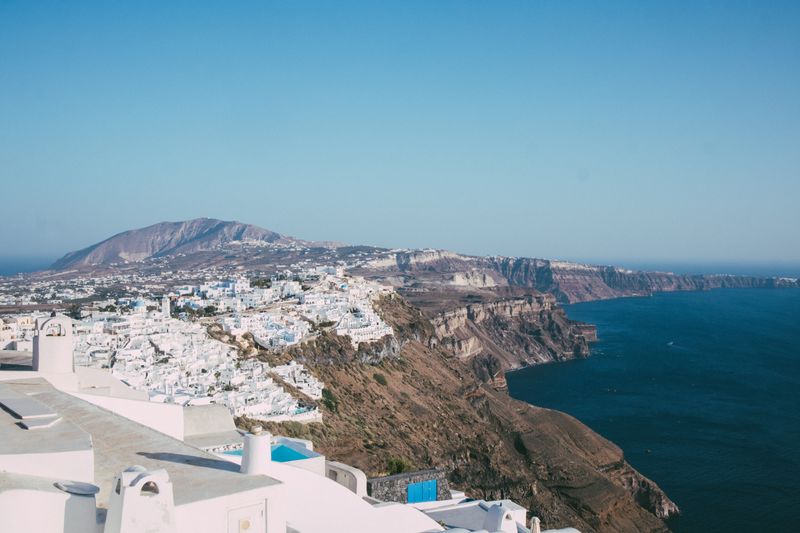
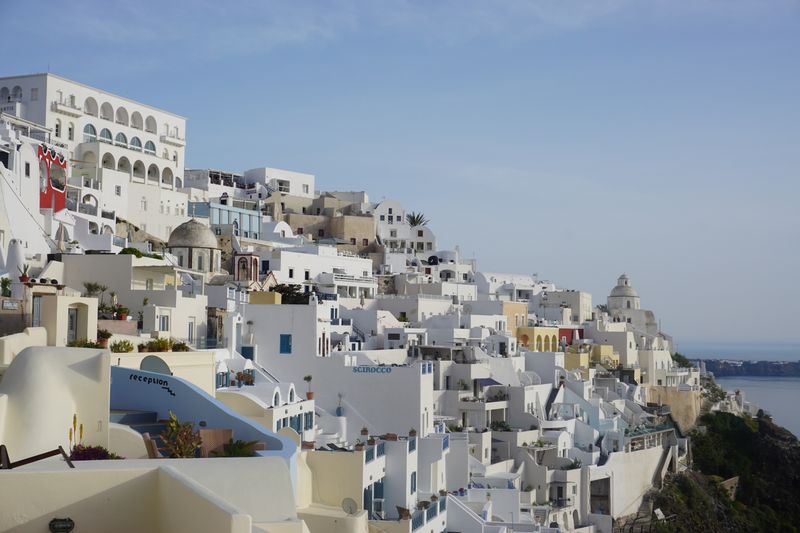
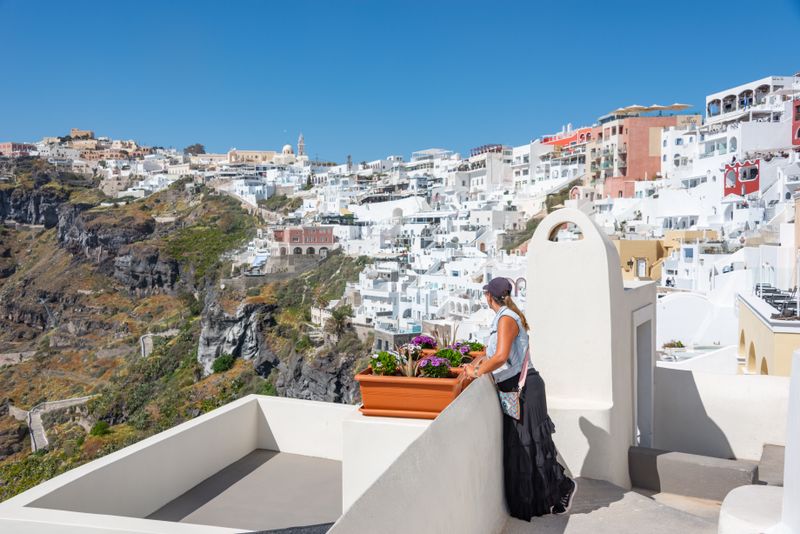
The island's vibrant capital, Fira, is a lively hub filled with restaurants, shops, and hidden chapels, all offering spectacular caldera views. From Fira, you can access the old harbor by cable car or by descending the famous steps. It's adjacent to Firostefani, home to the picturesque Three Bells of Fira viewpoint.

What to Expect:
- Central location with excellent transportation links
- Widest variety of accommodations and dining options
- Cruise ship visitors during day hours
- Vibrant nightlife scene
Imerovigli: The Balcony to the Aegean
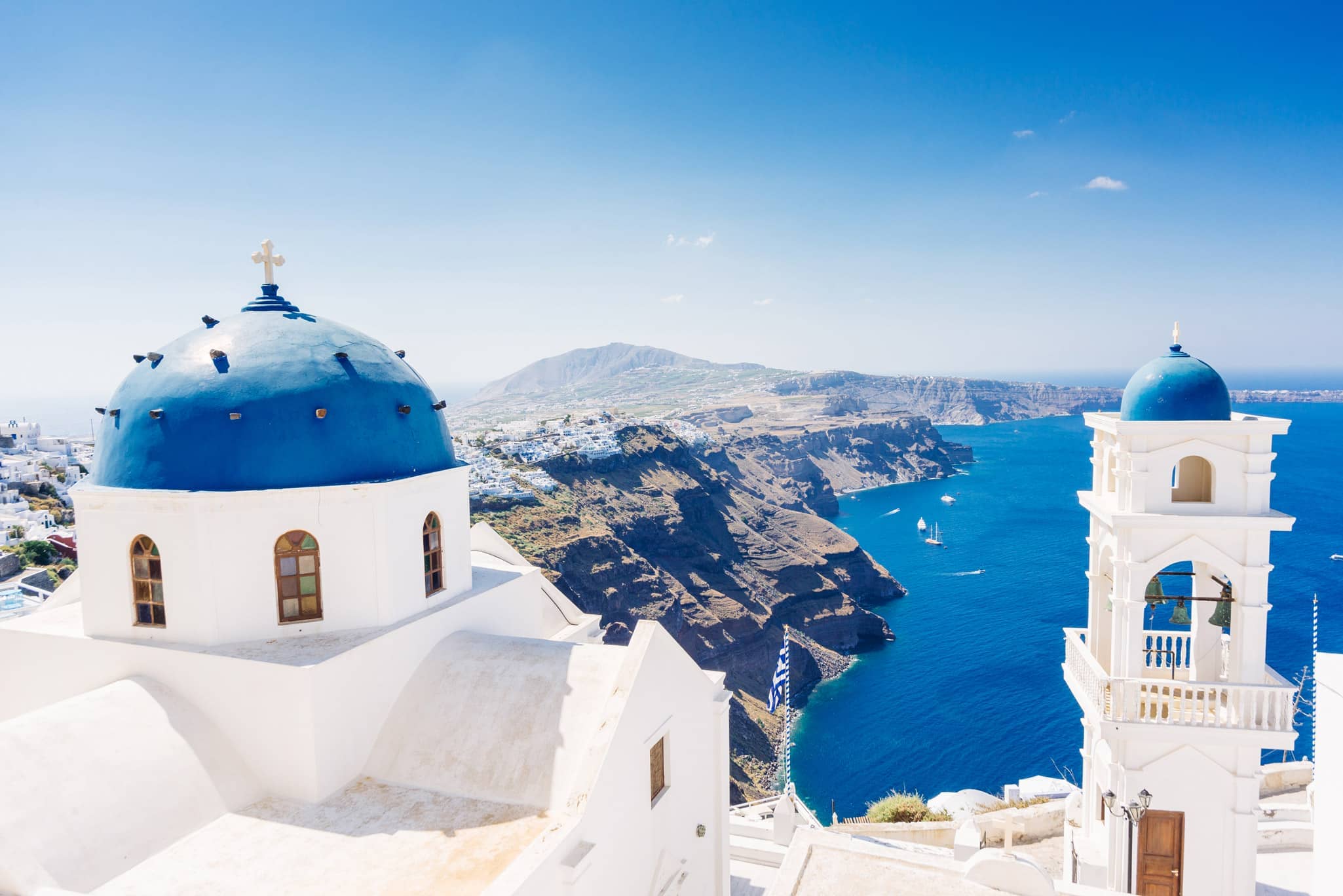
Known as the "balcony to the Aegean," Imerovigli is perched at the highest point of the cliffside. This tranquil village is less frequented than Oia but is just as impressive, offering serene views of the sea, Skaros Rock, and the beautiful blue-domed Anastasis Church. It's a favorite spot for photographers.

Pyrgos: The Historic Gem
Once the island's capital, Pyrgos is located high up and is considered one of Santorini's prettiest and best-preserved villages. It offers panoramic vistas, traditional character, labyrinthine streets, and the ruins of a Venetian castle. It provides a quieter atmosphere compared to Fira and Oia.

Akrotiri: The Ancient Wonder
Situated on the southern tip, Akrotiri village is known for its unique beaches and the significant ancient archaeological site nearby.
Unique Beaches: Volcanic Beauty
Santorini's beaches are unlike any other, characterized by their volcanic origins, featuring dark sands, colorful pebbles, and dramatic rock formations.

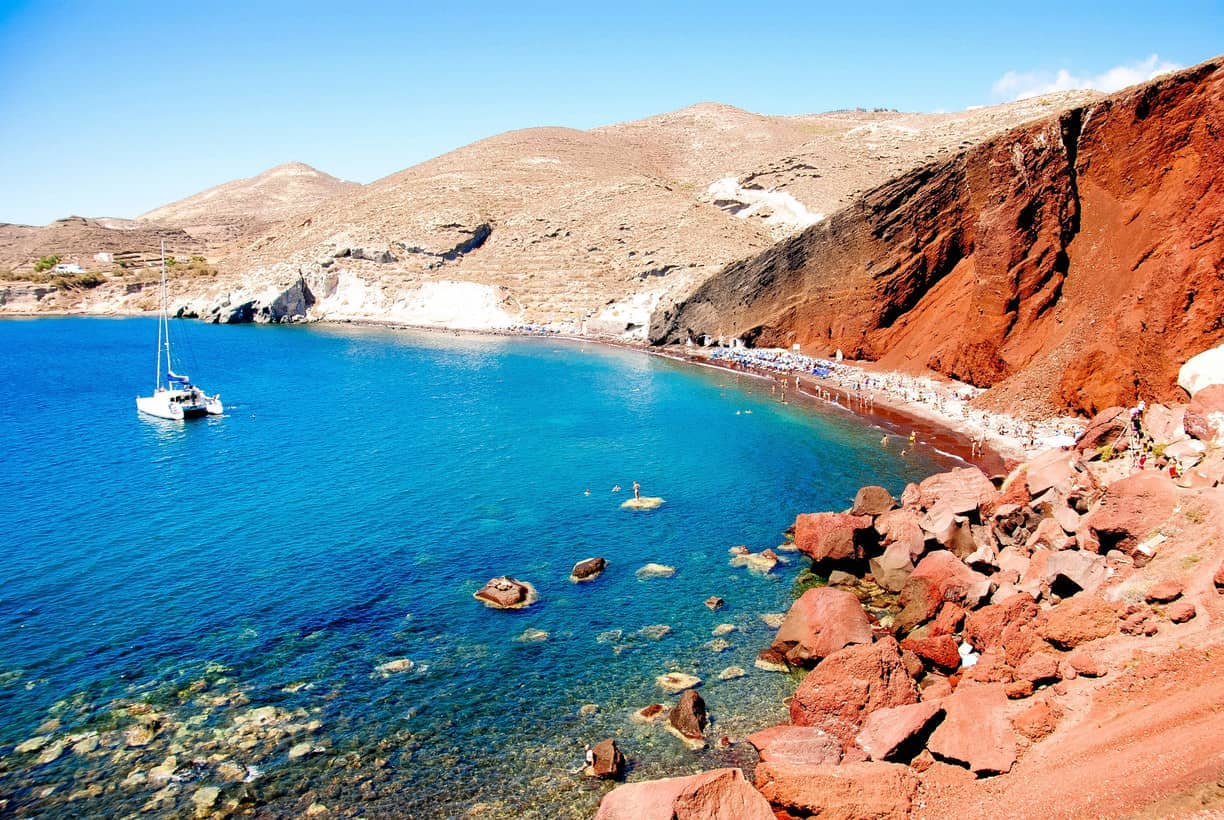
Red Beach
Famous for its striking vivid red cliffs and volcanic sand. It's more suited for photography or snorkeling than extended sunbathing and can get quite crowded. Access involves a rocky hike, and there's a risk of falling rocks; visiting by boat as part of a tour is often recommended.
Vlychada: The Moon Beach
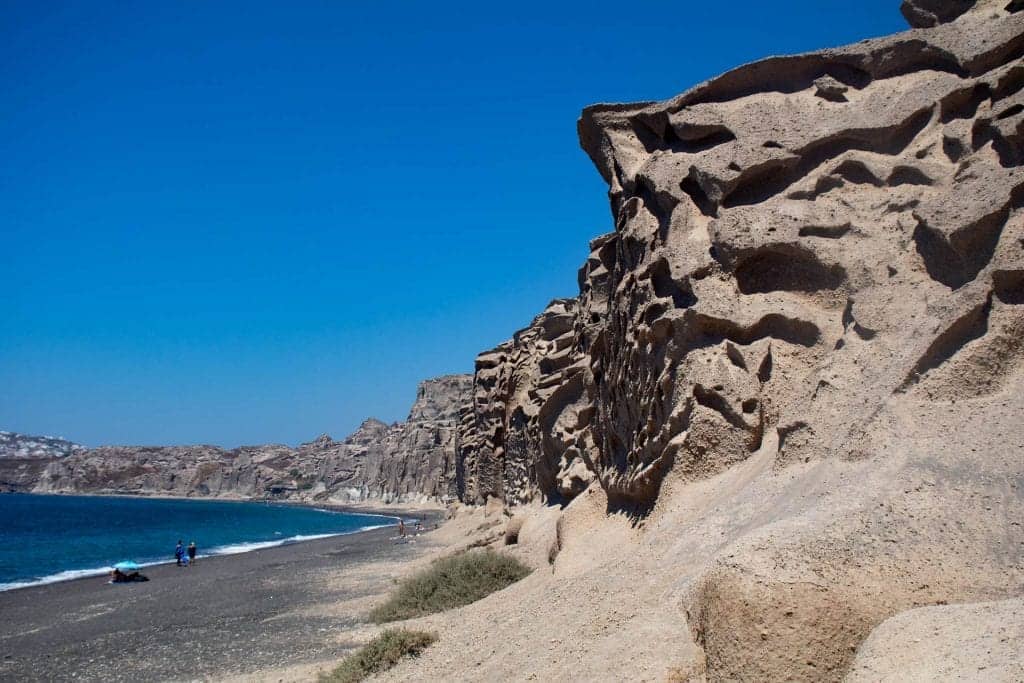
A hidden gem on the southern coast, Vlychada Beach features a mesmerizing moon-like landscape of towering, wind-sculpted cliffs and unique rock formations, offering a serene escape.

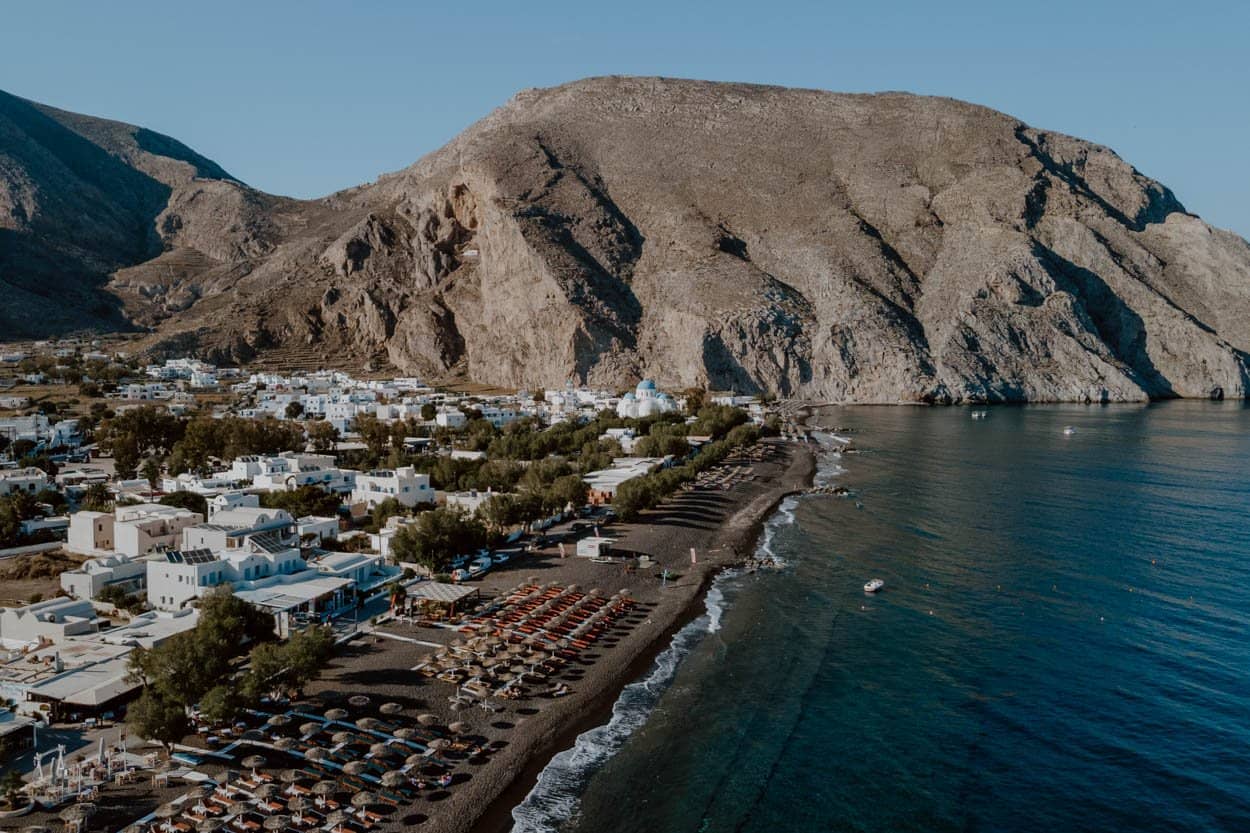
Perissa & Perivolos: The Black Sand Paradise
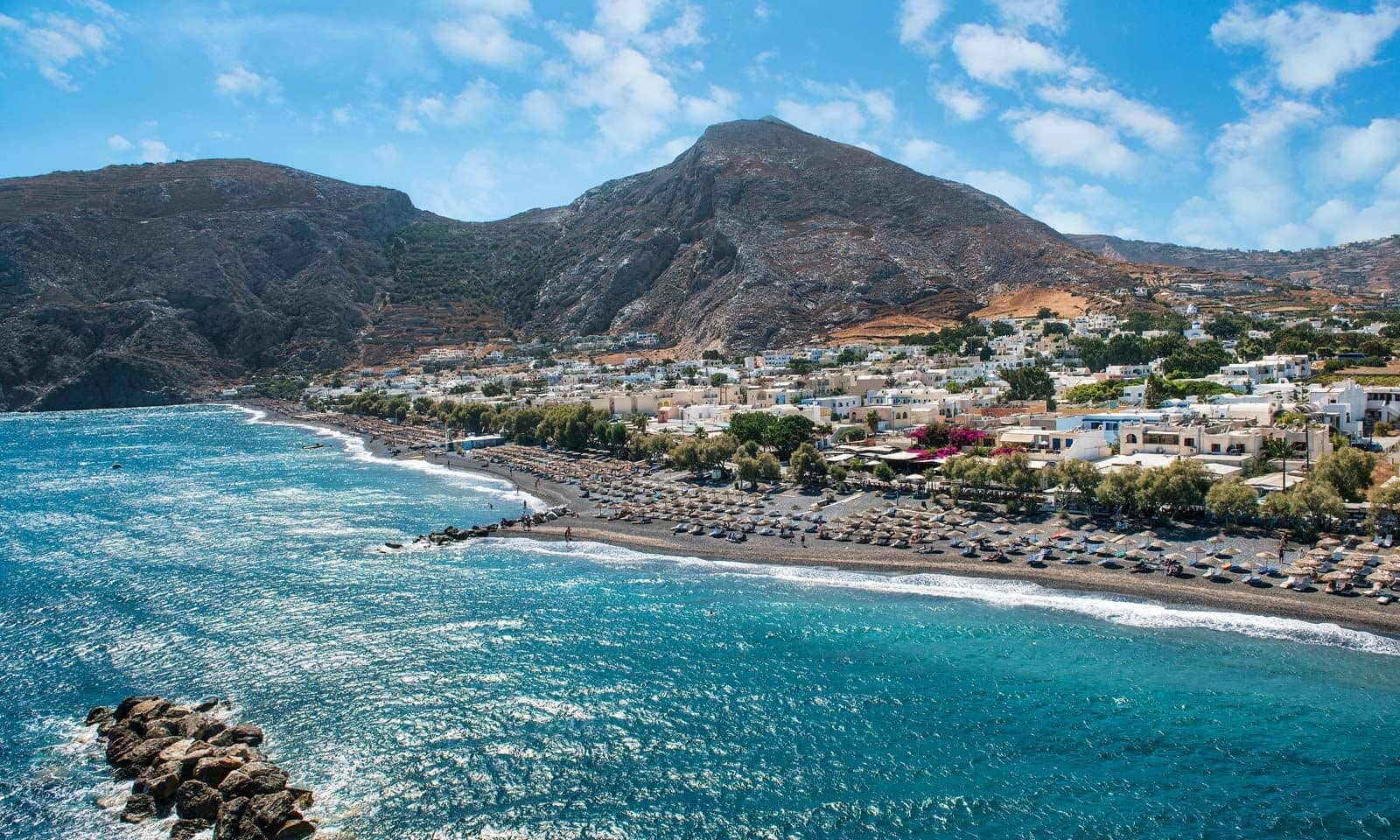
These popular black sand beaches are known for their lively atmosphere and numerous beach bars. Perivolos is essentially the slightly quieter, southern extension of Perissa beach.

Kamari: The Resort Beach
Another well-loved black sand beach and a bustling resort town on Santorini's eastern side. Kamari often offers more affordable hotel choices and excellent beach facilities.

White Beach: The Hidden Gem
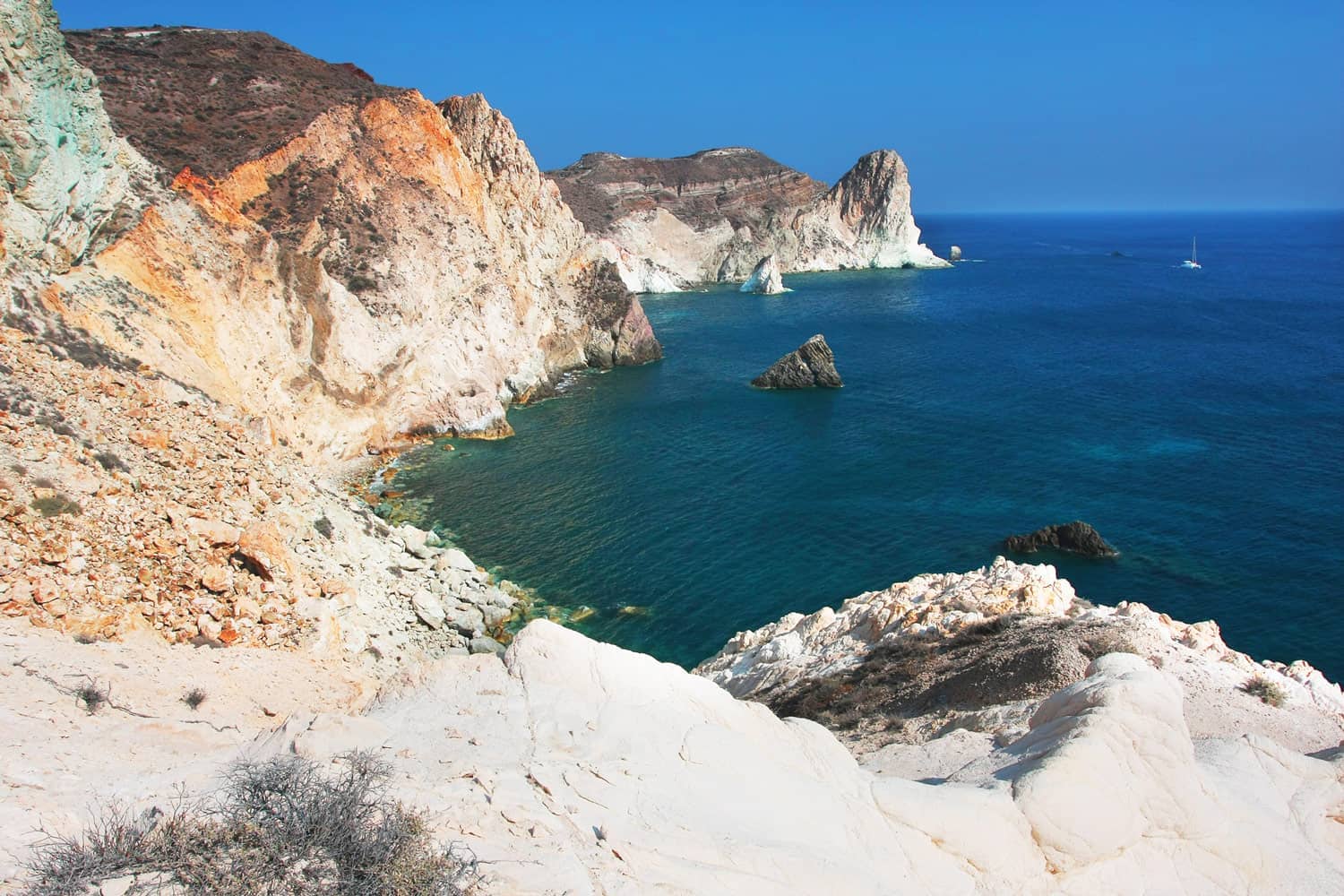
This small, picturesque beach is accessible only by boat, featuring distinctive white cliffs and a unique, secluded atmosphere.

Natural Wonders & Historical Treasures
Santorini Volcano and Hot Springs
Embark on a boat trip to the volcanic islands of Nea Kameni and Palaia Kameni. Here, you can walk to active craters and take a dip in the nearby sulfuric hot springs, which are pleasantly warm rather than intensely hot.
Skaros Rock (Imerovigli)
This prominent rock formation in Imerovigli, once the site of an old Venetian fortress, offers stunning caldera views after a rewarding short hike.
Akrotiri Lighthouse
Located on the island's southwestern tip, this historic lighthouse provides a quiet and romantic setting for breathtaking views of the coastline and unforgettable sunsets, with fewer crowds than Oia.
Ancient Akrotiri
Often referred to as the "Minoan Pompeii," this ancient city was remarkably preserved when buried in volcanic ash centuries ago. It's a fascinating archaeological site and significantly less crowded than the ruins in Athens.
Ancient Thera
Santorini's second major archaeological site, Ancient Thera, is situated on Mesa Vouno Mountain. It features ruins including a church, temples, and an ancient theater, offering a glimpse into the island's rich past.
Hidden Gems: Beyond the Postcards
Venture off the beaten path to discover Santorini's lesser-known treasures:

- Emporio: A charming traditional village with narrow, winding streets and the impressive Kasteli fortress
- Exo Gonia: This village is home to small, family-owned wineries, perfect for an authentic wine tasting experience away from the main tourist routes
- Megalochori: A picturesque village enveloped by vineyards, celebrated for its traditional architecture and the striking Bell Tower
- SantOrganics: Visit this organic farm to learn about local agriculture and produce
- Symposion Cultural Center: Immerse yourself in Greek music, mythology, and art at this unique cultural venue
Best Time to Visit Santorini: Weather and Crowds

Choosing the right time to visit Santorini depends on your preferences for weather, crowd levels, and prices:
Shoulder Season (April to mid-May & September to October)
This period offers milder weather, typically around 20-25°C (68-77°F), fewer tourists, and generally lower prices. The sea remains pleasantly warm for swimming in early fall.
Perfect For:
- Comfortable sightseeing weather
- Better photography conditions
- Easier restaurant reservations
- 20-40% lower prices than peak season
Peak Season (June to early September)
Expect hot, dry, and sunny conditions, with temperatures ranging from 25-29°C (77-84°F) and occasionally reaching up to 35°C (95°F) during heatwaves. This is when the island is most crowded, and prices are at their highest.
What to Expect:
- Perfect beach weather
- All attractions and services open
- Vibrant nightlife scene
- Maximum crowd levels, especially July-August
Spring (March-May)
Enjoy mild temperatures, beautiful blooming landscapes, and fewer crowds than in summer.
Fall (September-November)
Experience pleasant temperatures without the intensity of summer heat, fewer tourists, and often more attractive prices.
Winter (December-February)
This is the quietest and most budget-friendly time to visit. However, the weather is cooler (10-16°C or 50-61°F) and windier, with the highest chance of rain. Many tourist-oriented businesses may be closed.
For detailed weather forecasts and conditions, check our comprehensive weather guide.
Unforgettable Santorini Experiences
The Legendary Oia Sunset
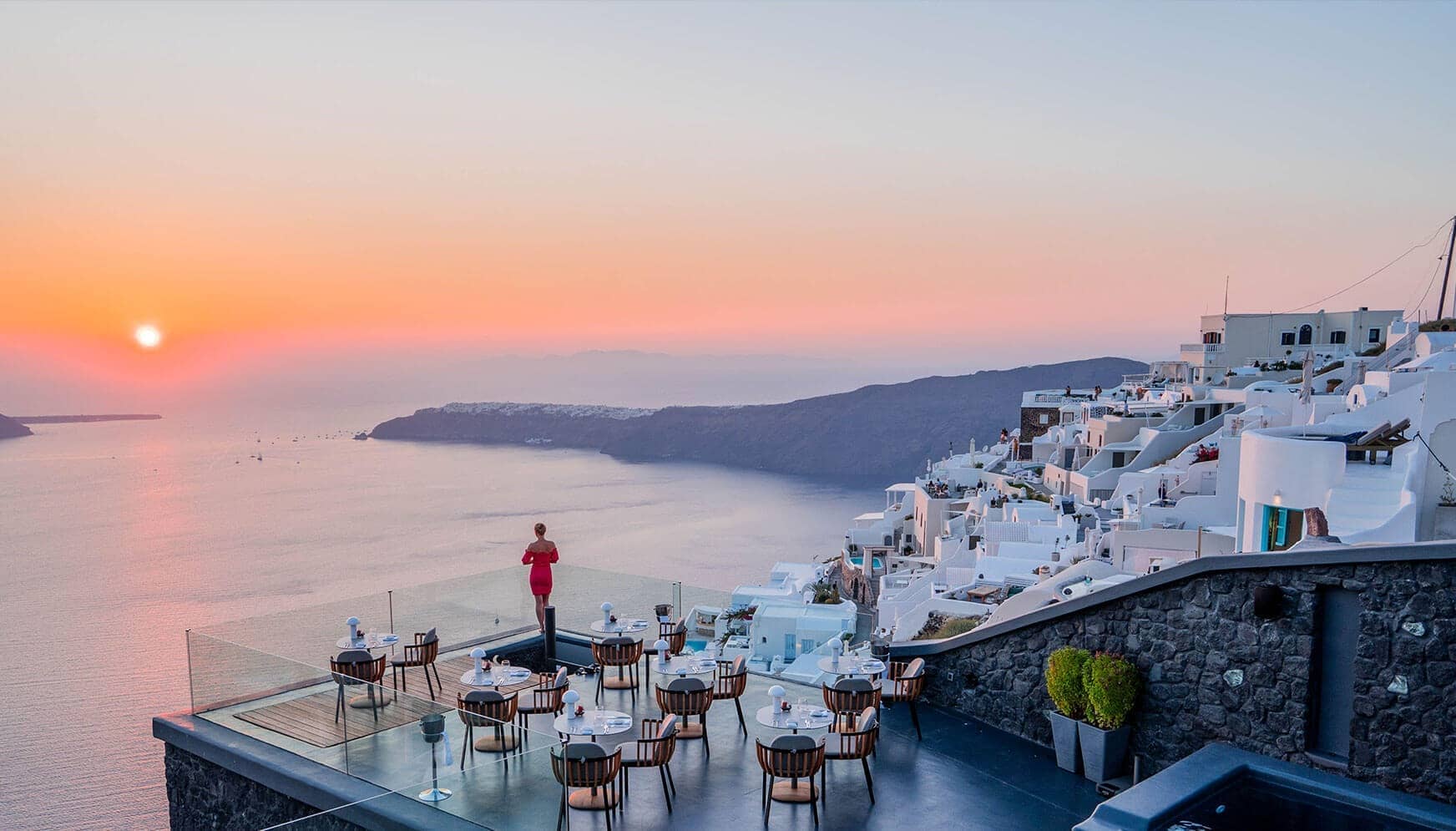
Witnessing the sunset in Oia is a quintessential Santorini experience. Popular viewing spots like the Castle of Oia can get extremely crowded. For a more serene experience with equally stunning views, consider Skaros Rock or the Akrotiri Lighthouse.

Sunset Viewing Tips:
- Arrive 1-2 hours before sunset for the best spots
- Book a restaurant table with sunset views for a more comfortable experience
- Consider alternative viewpoints like Skaros Rock for fewer crowds
- Visit during shoulder season for the best balance of weather and crowds
Sunset Cruise / Sailing Trip
Arguably the most magical way to experience the sunset is from the waters of the Aegean Sea. Numerous catamaran cruises and sailing trips sail around the caldera, often including stops at the hot springs and sometimes offering meals and drinks onboard. These tours are highly recommended.
Cruise Options:
- Daytime cruises with swimming stops
- Romantic sunset cruises with dinner
- Private charters for intimate experiences
- Traditional sailing boats for authentic experiences
Wine Tasting: Volcanic Terroir
Santorini is renowned for its unique viticulture and distinctive wines, especially those made from the indigenous Assyrtiko grape. The vines are traditionally trained low to the ground in basket shapes (kouloura) to protect them from strong winds and to utilize the moisture from the volcanic soil.

Top Wineries:
- Santo Wines: Spectacular caldera views with tastings
- Domaine Sigalas: Boutique winery with exceptional Assyrtiko
- Venetsanos Winery: Sunset tastings with panoramic views
- Gavalas Winery: Family-owned with traditional methods
Wine Specialties:
- Assyrtiko: Crisp, mineral-rich white wine
- Vinsanto: Sweet dessert wine made from sun-dried grapes
- Nykteri: Complex white wine aged in oak barrels
- Mavrotragano: Rare indigenous red grape variety
Activities and Tours
Explore our comprehensive activities guide for Santorini to discover:
- Guided archaeological tours
- Hiking and walking tours
- Photography workshops
- Cooking classes with local chefs
- Scuba diving and snorkeling
- Helicopter tours over the caldera
Savoring Santorini: Local Flavors

Street Food & Quick Bites
- Gyros: A fast, delicious, and incredibly cheap street food option – perfect for a quick and satisfying meal
- Souvlaki: Grilled meat skewers with pita bread and tzatziki
- Spanakopita: Spinach and feta cheese in flaky phyllo pastry
Sweet Treats
- Baklava: Santorini-style baklava, generously soaked in local honey
- Loukoumades: Delightful Greek honey donuts
- Galaktoboureko: Custard-filled phyllo pastry with syrup
Local Specialties
- Fava: A creamy and flavorful purée made from yellow split peas (a local specialty)
- Melitinia: Sweet cheese pastries traditionally made for Easter but often available year-round
- Tomatokeftedes: Tomato fritters made with Santorini's famous cherry tomatoes
- White Eggplant: Sweet, tender variety unique to Santorini

Dining Experiences
- Traditional Tavernas: For an authentic Greek feast, seek out establishments away from main tourist areas for better value
- Fine Dining: Caldera-view restaurants offering innovative Greek cuisine
- Sunset Dining: Book months ahead for restaurants with prime sunset views
- Local Wineries: Combine wine tasting with traditional mezze platters
Shopping: Treasures to Take Home
Bring a piece of Santorini back with you by choosing authentic souvenirs:
- Santorini Wines: A bottle of local Assyrtiko or Vinsanto makes for a wonderful gift or keepsake
- Handmade Ceramics: Beautifully crafted pottery reflecting local artistry
- Evil Eye Jewelry (Mati): A popular Greek talisman believed to ward off bad luck
- Local Produce: Sun-dried tomatoes, capers, and other local agricultural products
- Volcanic Pumice Stones: A natural exfoliant and a direct piece of Santorini's geology
- Handwoven Textiles: Traditional Greek fabrics and clothing
- Local Honey: Thyme honey from the island's wild herbs
Accommodation & Budgeting: Your Santorini Stay

Santorini offers a wide spectrum of accommodation, from luxurious cliffside suites to budget-friendly hostels.
Where to Stay in Santorini
Oia: Luxury and Romance
Renowned for its opulent hotels featuring caldera views, private pools, and hot tubs. Generally, Oia is the most expensive area.
Examples: Old Castle Oia, Amaze Suites, Esperas, La Perla Villas and Suites
Price Range: €200-1,000+ per night
Fira: Central Hub
As the capital, Fira provides the broadest selection of accommodations across all budget ranges. It's also a convenient base if you plan to use public buses.
Examples: Orama Hotel & Spa, Villa Irini Fira, Lemon Suites Santorini, Anemomilos
Price Range: €100-600 per night
Imerovigli & Firostefani: Tranquil Elegance
These villages offer stunning views and a good mix of hotel options, often quieter than Fira.
Example: Trieris Villa & Suites
Price Range: €150-800 per night
Budget-Friendly Areas
For more affordable or less crowded stays, consider villages like Akrotiri, Kamari, Perissa, Emporio, Pyrgos, and Megalochori.
Example: Makris Beach Hotel in Kamari
Price Range: €50-200 per night
Hostels & Budget Options
An excellent choice for solo travelers and those on a tighter budget.
Examples: Caveland (Karterados), Youth Hostel Anna, Bedspot Hostel
Price Range: €25-80 per night
Cave Houses: Unique Santorinian Experience
For a truly unique Santorinian experience, stay in a traditional cave house hotel. Many have been beautifully renovated into luxurious accommodations.
Example: Villa Bordeaux
Santorini on a Budget: Tips & Tricks
Yes, experiencing Santorini without breaking the bank is entirely possible!
Money-Saving Tips:
- Travel during the off-season (winter months are cheapest)
- Embrace delicious and affordable street food like gyros
- Purchase local wine from supermarkets or wineries instead of pricier bars
- Dine at tavernas away from the prime cliffside locations
- Utilize the public bus system for getting around
- Choose to stay in less expensive areas such as Perissa or Kamari
- Book accommodation and ferry tickets well in advance
- Enjoy free activities: hiking, photography, exploring villages, beach visits
Budget Breakdown (per day):
- Budget: €50-80 (hostels, street food, public transport)
- Mid-range: €100-200 (3-star hotels, tavernas, some activities)
- Luxury: €300+ (luxury hotels, fine dining, private tours)
The Iconic Santorini Blue

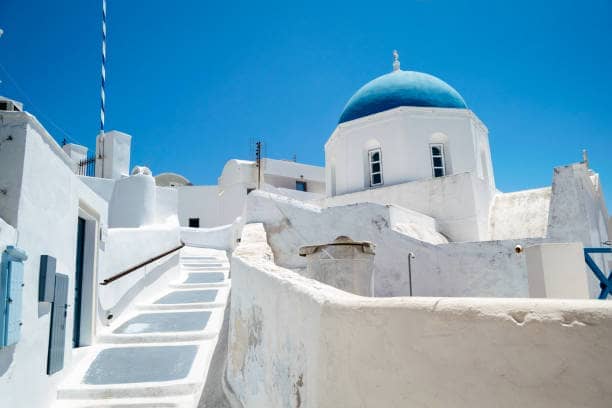
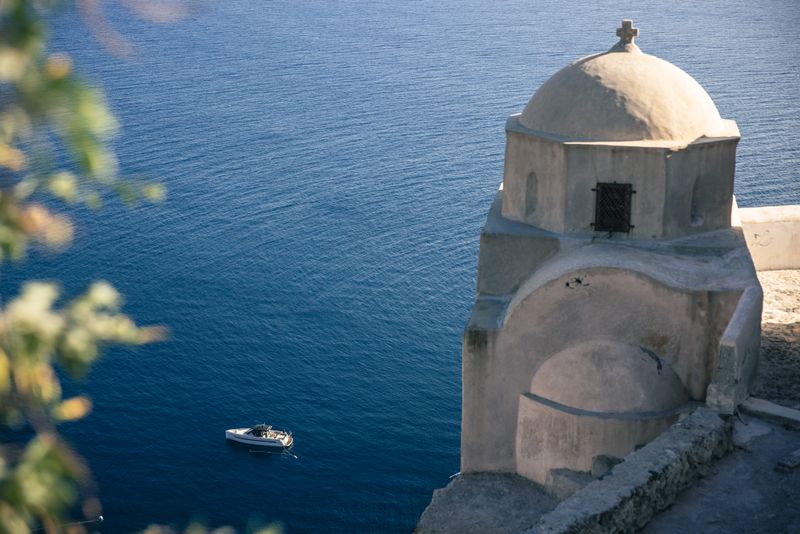
The quintessential image of Santorini is undeniably its landscape of gleaming whitewashed buildings crowned with vibrant blue domes. This stunning and harmonious blue and white color scheme is not just aesthetically pleasing; it's a powerful symbol of Greek national pride. This iconic look was even reinforced by a law passed in 1974, ensuring the preservation of this unique visual identity that makes Santorini instantly recognizable and utterly captivating worldwide.
The specific blue used on the domes is called "Cycladic blue" or "Greek blue" and represents:
- The Sea: Reflecting the endless Aegean waters surrounding the islands
- The Sky: Symbolizing the vast Mediterranean sky
- Freedom: A tribute to Greek independence and national pride
- Tranquility: Evoking the peaceful, meditative quality of island life
This color combination, mandated by law, ensures that all new construction maintains the traditional aesthetic that has made Santorini one of the world's most photographed destinations.
Frequently Asked Questions
Q1: What is the best way to get to Santorini?
A: You can reach Santorini by plane via its international airport (JTR) with direct flights from Athens and major European cities, or by ferry from Athens (Piraeus port) and other Greek islands. Ferries offer a more scenic journey while flights are faster. Check our ferry tickets page for convenient booking.
Q2: When is the best time to visit Santorini?
A: The shoulder seasons (April to mid-May and September to October) are ideal for pleasant weather, fewer crowds, and better prices. Peak season is June to early September (hottest, most crowded, most expensive). Winter is the quietest and cheapest but with cooler weather and some business closures.
Q3: What are the must-see villages in Santorini?
A: Oia (famous for sunsets and blue domes), Fira (the vibrant capital), Imerovigli (for tranquil views), and Pyrgos (a preserved former capital) are highly recommended. Each offers unique character and photographic opportunities.
Q4: What are some unique activities to do in Santorini?
A: Taking a sunset cruise, visiting the volcano and hot springs, exploring the Akrotiri archaeological site, and wine tasting at local wineries are unique Santorinian experiences. Check our activities page for bookings and detailed information.
Q5: Is Santorini expensive? How can I visit on a budget?
A: Santorini can be expensive, but budget travel is possible. Visit in the off-season, eat street food, use public transport, stay in hostels or budget hotels in less central areas, and book in advance. A budget of €50-80 per day is achievable.
Q6: What is the best way to get around Santorini?
A: Options include public buses (cheapest), renting a car (most comfortable), or renting an ATV/motorcycle (more freedom but with considerations for safety). Taxis are available but costly for longer distances.
Q7: What kind of beaches does Santorini have?
A: Santorini has unique volcanic beaches with black, red, or white sand/pebbles, such as Red Beach, Perissa, Perivolos, Kamari, and White Beach. Each offers distinctive landscapes due to the island's volcanic origin.
Q8: Where can I find good accommodation in Santorini?
A: Options range from luxury hotels in Oia with caldera views to a wide variety of hotels and hostels in Fira, and more budget-friendly choices in villages like Perissa or Kamari. Consider a unique stay in a traditional cave house hotel for an authentic experience.
Q9: How many days should I spend in Santorini?
A: We recommend at least 3-4 days to see the main attractions without rushing. A week allows for a more relaxed pace, day trips, and deeper exploration of the island's culture and hidden gems.
Q10: Can I do day trips from Santorini to other islands?
A: Yes! Popular day trips include nearby islands like Naxos, Paros, and Mykonos. Ferry connections are frequent during summer months. Consider our island hopping packages for convenient multi-island visits.
Ready to experience the magic of Santorini? Start planning your perfect Cyclades adventure with our comprehensive guides, ferry bookings, and activity recommendations. For more Greek island inspiration, explore our complete Cyclades islands guide.