Gesponsert von Booking.com
Last updated: May 28, 2026
We get asked this question constantly: Milos or Naxos? Both are among our absolute favourites in the Cyclades, and both are a world away from the overcrowded streets of Mykonos or the caldera cliffs of Santorini. But they're remarkably different islands, and the right choice depends almost entirely on what kind of traveller you are.
Here at Discover Cyclades, we've spent weeks on both islands across multiple seasons. In this guide we break down every angle: beaches, food, cost, logistics, and overall vibe, so you can make the call with confidence.
→ Full Milos guide | Full Naxos guide
The Quick Answer
| What You Want | Winner |
|---|---|
| Dramatic, otherworldly beaches | Milos |
| Long golden family beaches | Naxos |
| Authentic food and village culture | Naxos |
| Boat tours and sea caves | Milos |
| Nightlife and buzzing towns | Naxos (Naxos Town) |
| Best overall value | Naxos |
| Easier to get to from Athens | Naxos |
Beaches: Volcanic Drama vs Golden Sand
Milos
Milos has over 80 beaches, and no two look the same. That variety is almost unfair. The island's volcanic origin means the coastline shifts constantly between white pumice cliffs, rust-red rock formations, turquoise sea caves, and glittering black pebbles.
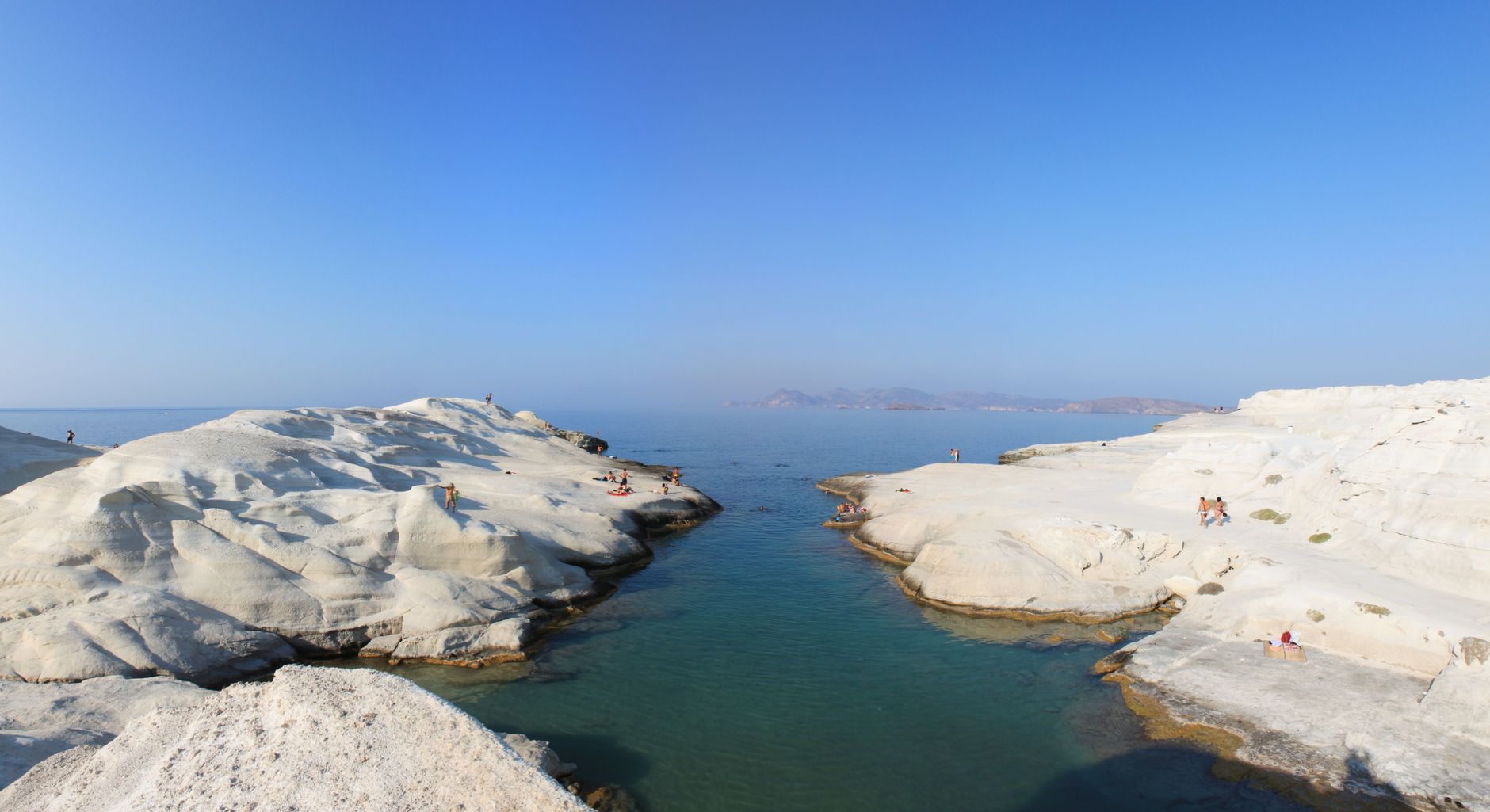
Sarakiniko is the star of the show: a sweep of smooth white volcanic rock that looks like a lunar surface, broken by a narrow inlet of impossibly blue water. In the early morning, before the boats arrive, it's one of the most serene spots in Greece. Photographers come from across Europe for the golden-hour light here.
Kleftiko, on the island's southwest tip, is only reachable by boat. The sea caves there were once a hiding place for pirates, and the rock formations rise several storeys above the water. A half-day boat tour stopping at Kleftiko is, in our view, the single best excursion in the Cyclades.
Firiplaka, Tsigrado, and Paleochori are also exceptional, each with a completely different personality.
The honest caveat: some of Milos's most celebrated beaches require a car, a boat, or a short climb to reach. That's part of the adventure, but it's worth knowing in advance.
Naxos
Naxos doesn't have volcanic drama, but it does have some of the finest sand beaches in the entire Aegean. Agios Prokopios and Plaka run together in a near-continuous stretch of powder-soft golden sand along the island's west coast. Plaka alone is over four kilometres long.
The water here is shallow and calm, ideal for families with young children. Agios Prokopios in particular has gentle surf, easy beach access, and a relaxed strip of sunbeds and tavernas within walking distance. It regularly features in lists of the best beaches in Greece, and rightly so.
Further south, Agia Anna and Kastraki are quieter alternatives with the same quality of sand and water but fewer crowds.
Winner: Milos for volcanic drama and uniqueness; Naxos for long sandy beaches and family swimming.
Things to Do
Milos
The must-do on Milos is a full-day or half-day boat tour. Most depart from the port of Adamas and take you around the island's western and southern coasts, stopping at Kleftiko, the coloured cliffs of Sikia cave, and several secluded swimming spots. We strongly recommend booking in advance in July and August.
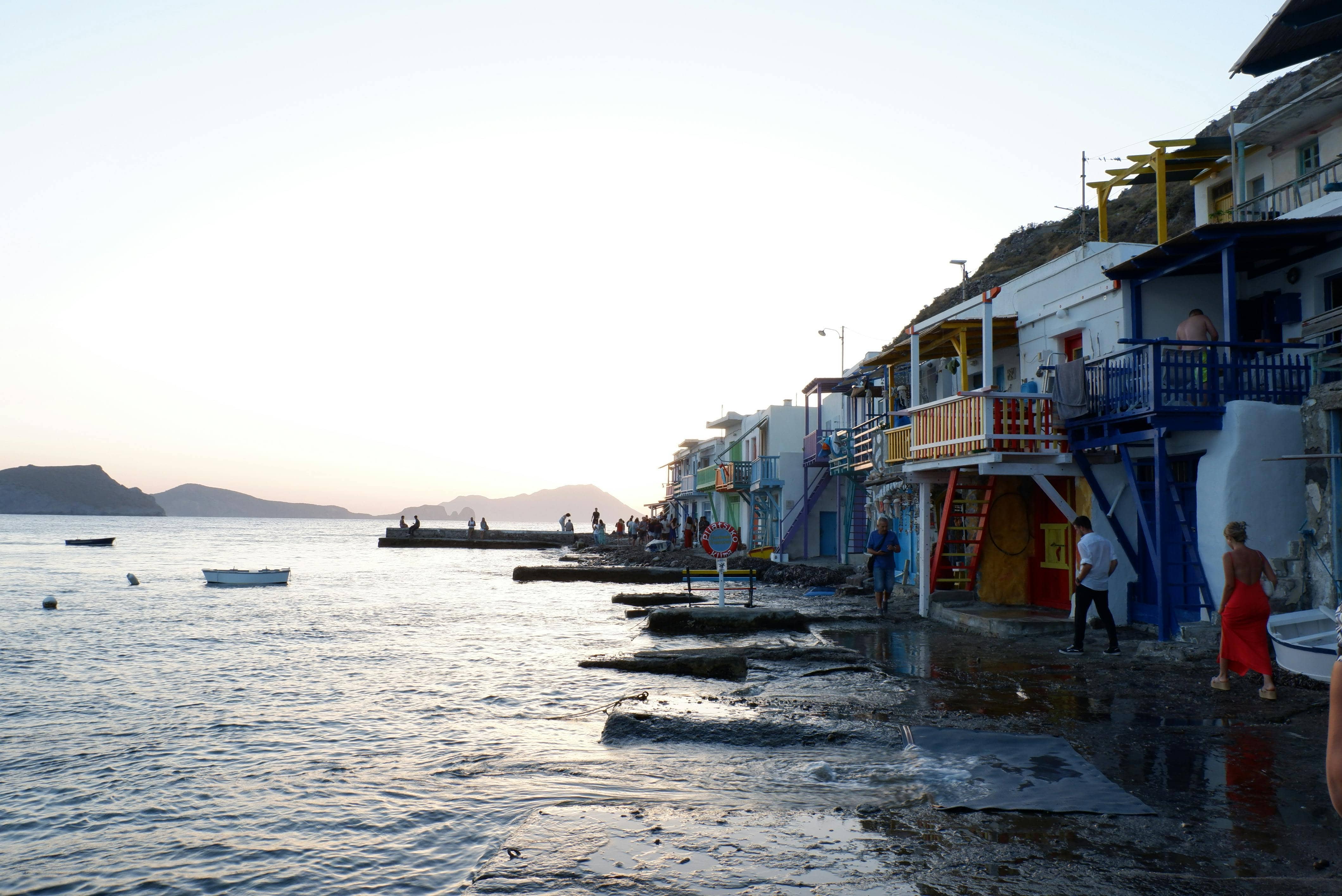
The village of Plaka sits on a hilltop overlooking the island and is worth visiting at sunset. The 13th-century Venetian kastro above Plaka gives you 360-degree views across the caldera-like bay. The village of Klima below is one of the most charming in the Cyclades, with brightly painted fishing-boat garages called syrmata built directly into the sea cliffs.
The Catacombs of Milos (the only Christian catacombs in Greece) are a genuinely surprising historical site near the village of Trypiti. They date to the 1st century AD and can hold your attention for a solid hour.
Naxos
Naxos is the largest island in the Cyclades and has more interior to explore than any of its neighbours. The Tragea valley in the centre of the island is a patchwork of olive groves, Byzantine churches, and medieval tower houses. Villages like Halki, Filoti, and Apeiranthos feel genuinely off the tourist trail.
Climbing Mount Zeus (Zas), at 1,001 metres the highest peak in the Cyclades, is a rewarding four-hour hike. The trail begins near the village of Filoti.
In Naxos Town (Chora), the Portara (a massive marble doorway from an unfinished 6th-century BC Temple of Apollo) sits on a small peninsula connected to the waterfront by a causeway. It's free to visit and extraordinary at dusk.
Naxos also has a very good Archaeological Museum inside the kastro district of Chora.
Food and Culture
Naxos
Naxos is the most agriculturally self-sufficient island in the Cyclades. That's not a minor detail — it directly shapes the quality and authenticity of the food. The island produces its own potatoes, olive oil, honey, citrus, cheese, and meat. Most tavernas source locally as a matter of course, not as a marketing strategy.
Graviera is the local hard cheese, similar to a nutty gruyere, and it's extraordinary. Naxian potatoes (particularly the small, waxy variety from the mountain farms) are famous across Greece. You'll find them fried, baked, and roasted on every menu.
In the mountain villages, family tavernas serve slow-cooked lamb and kid goat alongside homemade wine. The liqueur made from citron (kitro), a citrus fruit grown almost exclusively on Naxos, is the island's signature digestif.
The Kitron Museum in Halki town is worth a brief stop to understand the island's agricultural history.
Milos
Milos has a more modest but genuinely charming food scene rooted in its fishing heritage. The island's most celebrated dish is pitarakia: small fried or baked pies stuffed with local mizithra cheese and wild herbs. Every bakery and taverna makes them slightly differently, and hunting down your favourite version is one of the pleasures of the island.
Fresh fish is, predictably, very good here. In the harbour village of Adamas, you'll find a cluster of reliable seafood tavernas. The family restaurant O! Hamos! is a local institution: noisy, generous, and full of locals.
Winner: Naxos wins clearly on food depth, variety, and cultural authenticity. Milos wins on fishing-village charm.
Cost
Both islands are significantly cheaper than Santorini or Mykonos, but Naxos has the edge on value.
| Category | Milos | Naxos |
|---|---|---|
| Mid-range hotel (per night) | €80–€250 | €60–€200 |
| Dinner for 2 (taverna) | €40–€60 | €35–€55 |
| Car rental (per day) | €45–€70 | €40–€65 |
| Boat tour (half day) | €45–€65 pp | Not standard |
| Beach sunbed | €8–€15 | €8–€12 |
The boat tour is a real added cost on Milos. You'll want to do at least one, and it adds roughly €50–€65 per person to your budget. Factor that in when comparing overall costs.
Getting There and Around
Getting to Milos
Milos is served by Milos Airport (MLO), which has direct seasonal flights from Athens (40 minutes) and a small number of European charter connections. Most travellers arrive by ferry from Piraeus. The journey takes 4–7 hours depending on the vessel: high-speed catamarans do it in around 4–4.5 hours, conventional ferries take 6–7 hours.
Getting to Naxos
Naxos also has a small airport (JNX) with direct flights from Athens (45 minutes). Ferry connections from Piraeus are faster and more frequent than Milos. High-speed ferries take 3.5–4.5 hours, conventional ferries around 5.5 hours. Naxos also sits on the main Cyclades ferry line, making it one of the easiest islands to reach and to island-hop from.
Getting Between Milos and Naxos
A direct high-speed ferry connects the two islands in approximately 3 hours. Services are operated by SeaJets and Minoan Lines, but they don't run daily. Check the schedule carefully, especially outside peak season (late June to early September).
Getting Around Each Island
Both islands require a rental car or scooter to explore properly. Public bus networks exist but cover only the main routes. On Milos especially, a car is essential: many of the best beaches are at the end of dirt tracks that no bus will take you down.
The Verdict
Choose Milos if: You're a photographer, a beach connoisseur, or a traveller who values unique landscapes above all else. You want to do a boat tour of sea caves. You don't need nightlife or a wide food scene.
Choose Naxos if: You're travelling with family, you care deeply about authentic Greek food and village culture, you want a longer sandy beach, or you're on a tighter budget. You'll also want a solid base for island hopping, since Naxos sits at the heart of the Cyclades ferry network.
Can't decide? Do both. The ferry between them takes 3 hours, and a 9-day trip splitting time between the two islands is one of the most satisfying itineraries we know in Greece. Combine with our Naxos vs Paros vs Milos comparison if you're considering adding a third island.
Also considering Santorini in the mix? Read our Milos vs Santorini comparison for a head-to-head on those two volcanic heavyweights.
Frequently Asked Questions
Is Milos or Naxos better?
It depends on what you're looking for. Milos is better for dramatic volcanic beaches, boat tours, and unique photography. Naxos is better for families, authentic Greek food, mountain villages, and overall value. If you want wild scenery and don't mind limited nightlife, choose Milos. If you want a relaxed, affordable, family-friendly island with great food, choose Naxos.
Which has better beaches, Milos or Naxos?
Milos wins for sheer drama and variety with over 80 beaches, including the lunar landscape of Sarakiniko and the sea caves of Kleftiko. Naxos wins for long golden sandy beaches like Plaka and Agios Prokopios, which are ideal for swimming and families. If you want otherworldly scenery, Milos is unbeatable. If you want pristine soft sand and calm shallow water, Naxos is the better choice.
Which is better for families, Milos or Naxos?
Naxos is the better choice for families. Its west coast beaches (especially Agios Prokopios and Plaka) have shallow, calm, crystal-clear water that's safe for children. The island is large enough to have good supermarkets, pharmacies, and reliable services. Milos is also family-friendly but its dramatic beaches can have stronger waves and some require more effort to reach.
Which is cheaper, Milos or Naxos?
Naxos is generally cheaper than Milos. A mid-range hotel in Naxos costs roughly €60–€200 per night, while Milos runs €80–€250. Dinner for two in a local taverna costs around €35–€55 on Naxos versus €40–€60 on Milos. Both islands are significantly cheaper than Santorini or Mykonos.
How do you get between Milos and Naxos?
There's a direct high-speed ferry between Milos and Naxos operated by SeaJets or Minoan Lines. The journey takes approximately 3 hours. Ferries don't run every day, so check schedules in advance, especially outside peak summer season. Both islands are also well connected to Piraeus (Athens port), which makes it easy to route your trip through the capital.
Die Reise praktisch planen
Ihre Milos-Reise planen
Überfahrt, Unterkunft und Mobilität vor den gefragten Reisetagen organisieren.
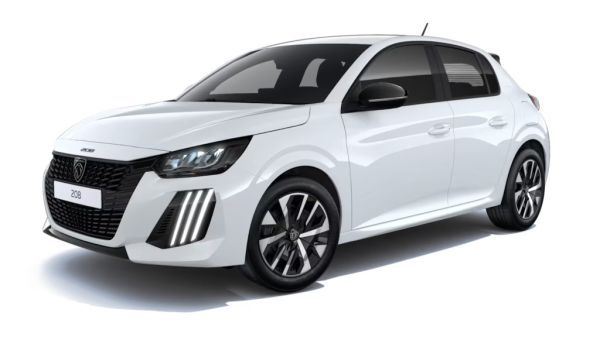
Mars Rent A Car
Partner auf Naxos, der mehr als 20 Jahre Service, Schutz ohne Selbstbeteiligung, kostenlose Zustellung, 24/7-Support und Abholung am Flughafen angibt.
Teil des Discover Cyclades-Redaktionsteams – Einheimische, die jede Saison Fähren fahren, wandern, essen und über diese Inseln schreiben.


