The unspoiled caldera island where volcanic drama meets timeless Cycladic tranquility
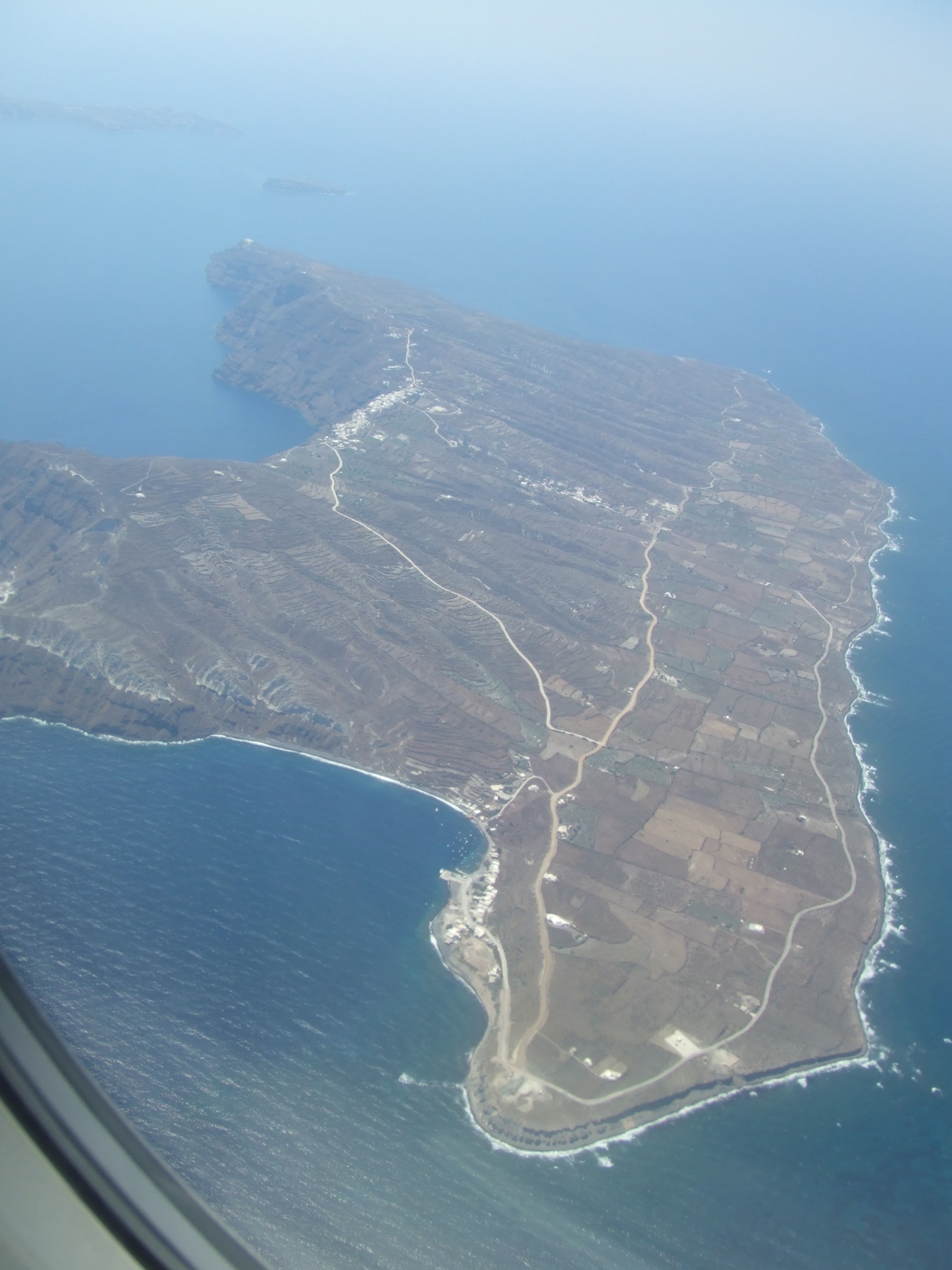
Thirasia sits directly across the caldera from Santorini, sharing the same volcanic origins and dramatic cliffside scenery — yet existing in a completely different world. While Santorini buzzes with millions of visitors each year, Thirasia remains home to roughly 300 permanent residents and receives only a trickle of curious day-trippers from Oia.
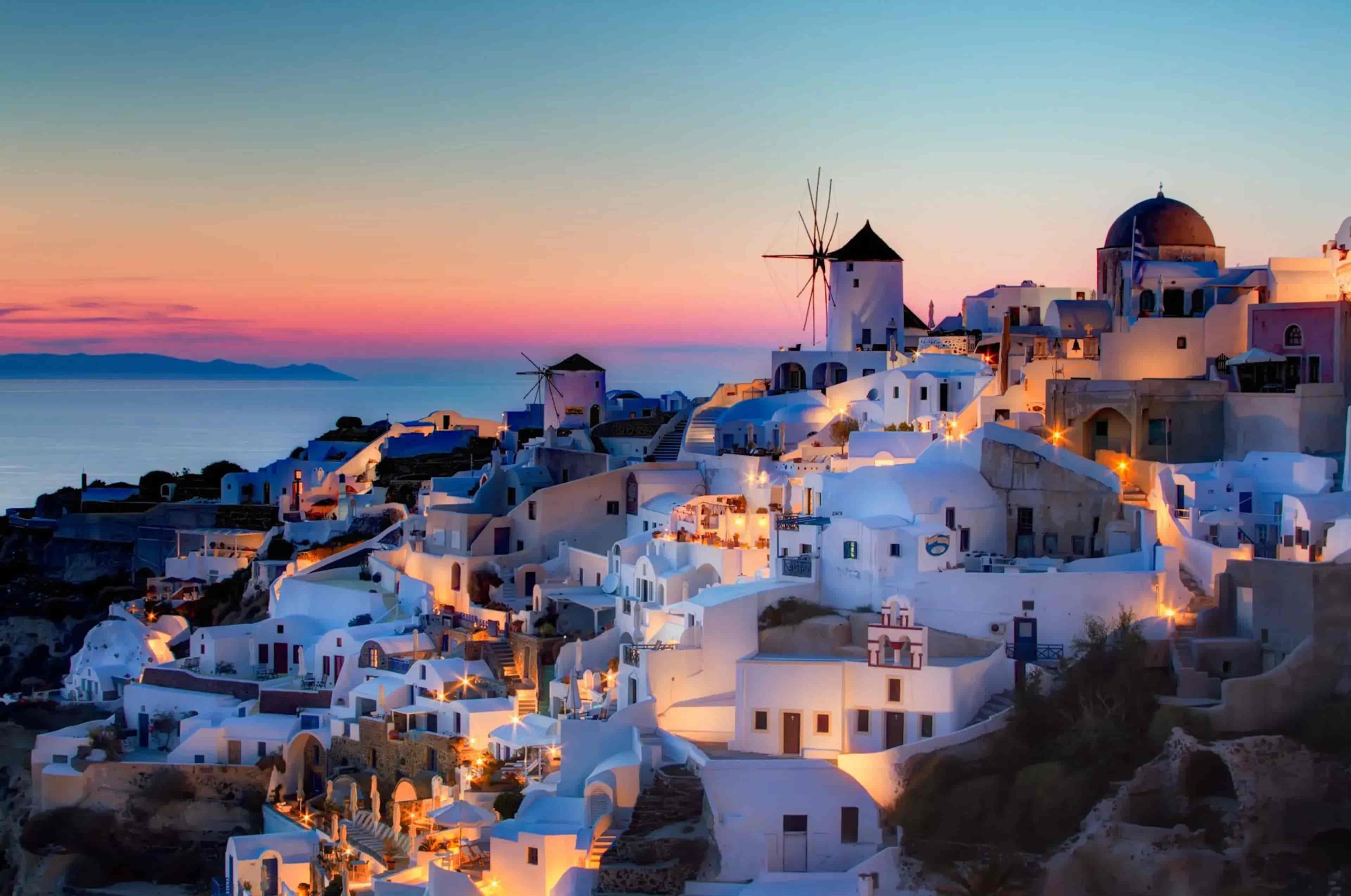
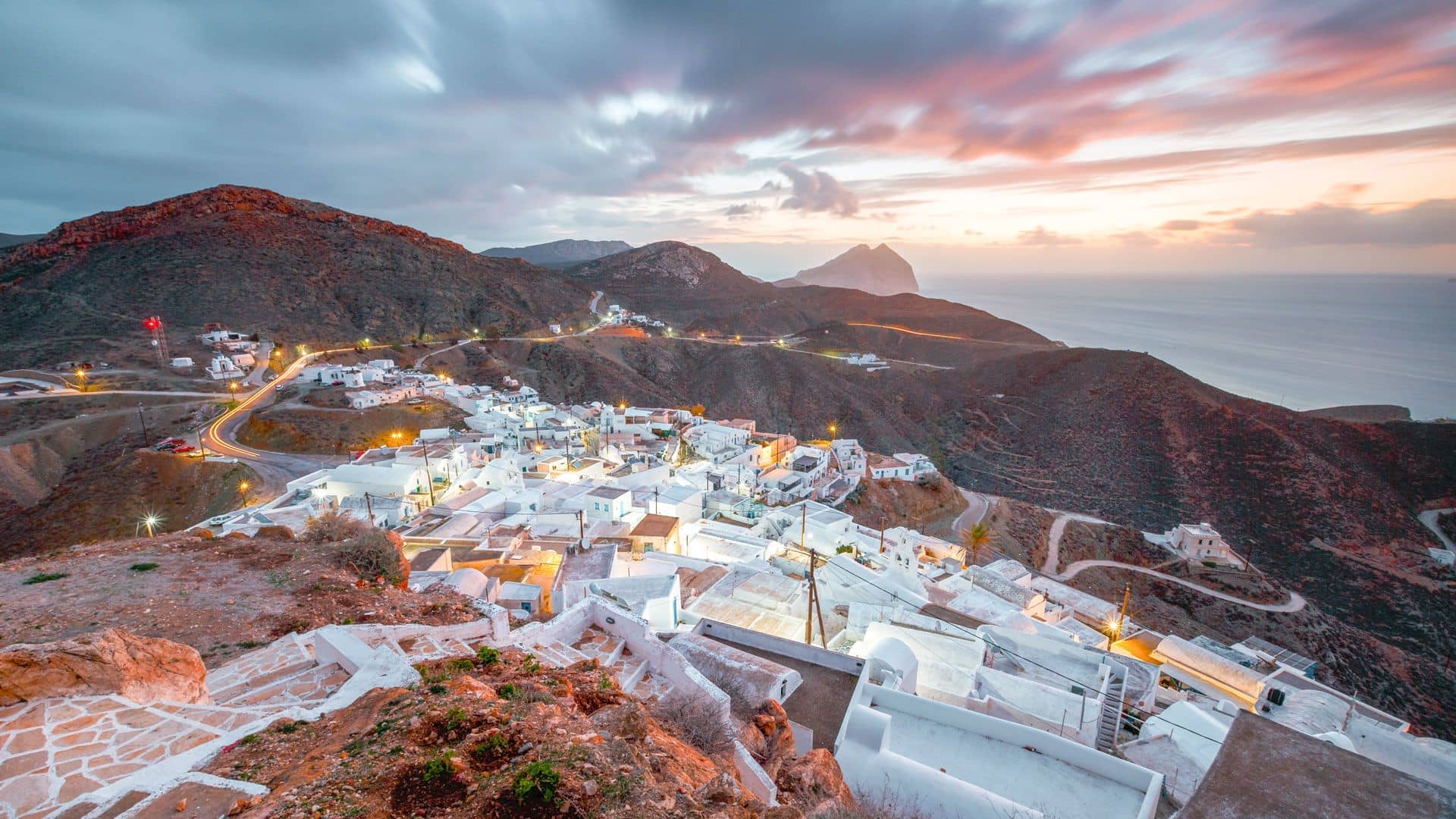
The island was once physically connected to Santorini until the catastrophic Minoan eruption around 1600 BC tore them apart. Today, the western rim of the caldera belongs to Thirasia, and its clifftop village of Manolas offers jaw-dropping views back across the flooded crater toward Fira and Oia — the same iconic panorama, but seen from the other side, without a single souvenir shop in sight.
Thirasia is a place of donkey paths, abandoned pumice quarries, tiny churches clinging to the cliff face, and evenings so quiet you can hear the sea lapping at the caldera walls hundreds of meters below. There is no nightlife, no resort, and no pretension — just raw volcanic beauty and the warm hospitality of islanders who still live by farming, fishing, and the rhythms of the seasons.
Thirasia is what Santorini was 50 years ago — the caldera without the crowds, the beauty without the performance.
Thirasia and Santorini were once a single round island called Strongili. The massive Minoan eruption around 1600 BC — one of the largest volcanic events in human history — blew the center apart, creating the caldera and separating Thirasia as a distinct island on the western rim.
In the 19th and early 20th centuries, Thirasia's pumice quarries provided building material exported throughout the Eastern Mediterranean. The quarries employed hundreds and brought modest wealth to the island. Remnants of the quarrying infrastructure can still be seen along the cliffs.
Archaeological excavations on Thirasia in the 1860s actually predated the famous Akrotiri dig on Santorini. French archaeologists uncovered Minoan-era ruins and pottery on Thirasia, hinting at the civilization that once thrived here before the eruption buried everything.
While Santorini transformed into one of the world's most visited destinations, Thirasia remained a farming and fishing community. Its residents chose not to pursue mass tourism, and the island retains a character that Santorini lost decades ago — a living example of what caldera life once looked like.
Explore the heart of Thirasia
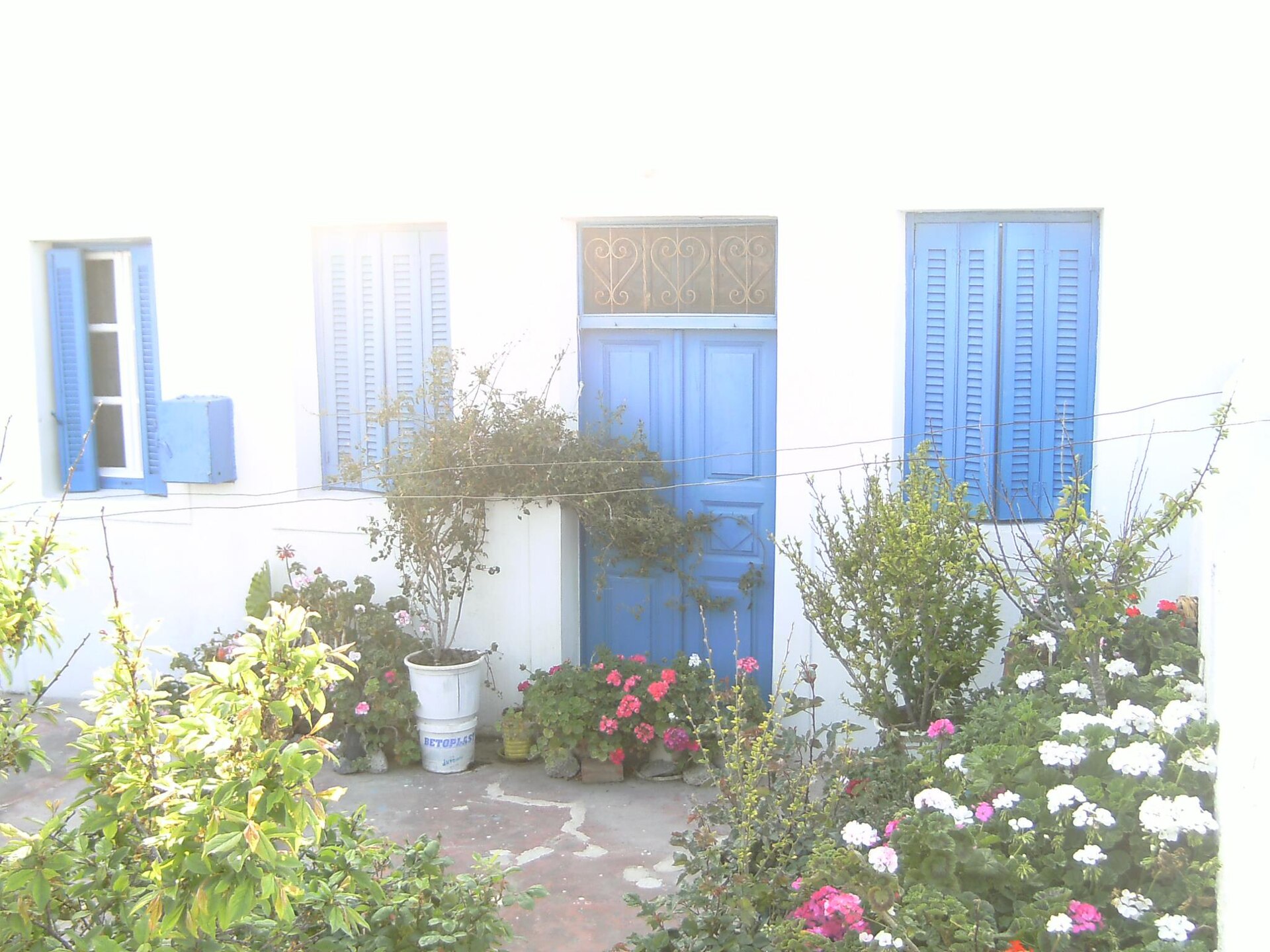
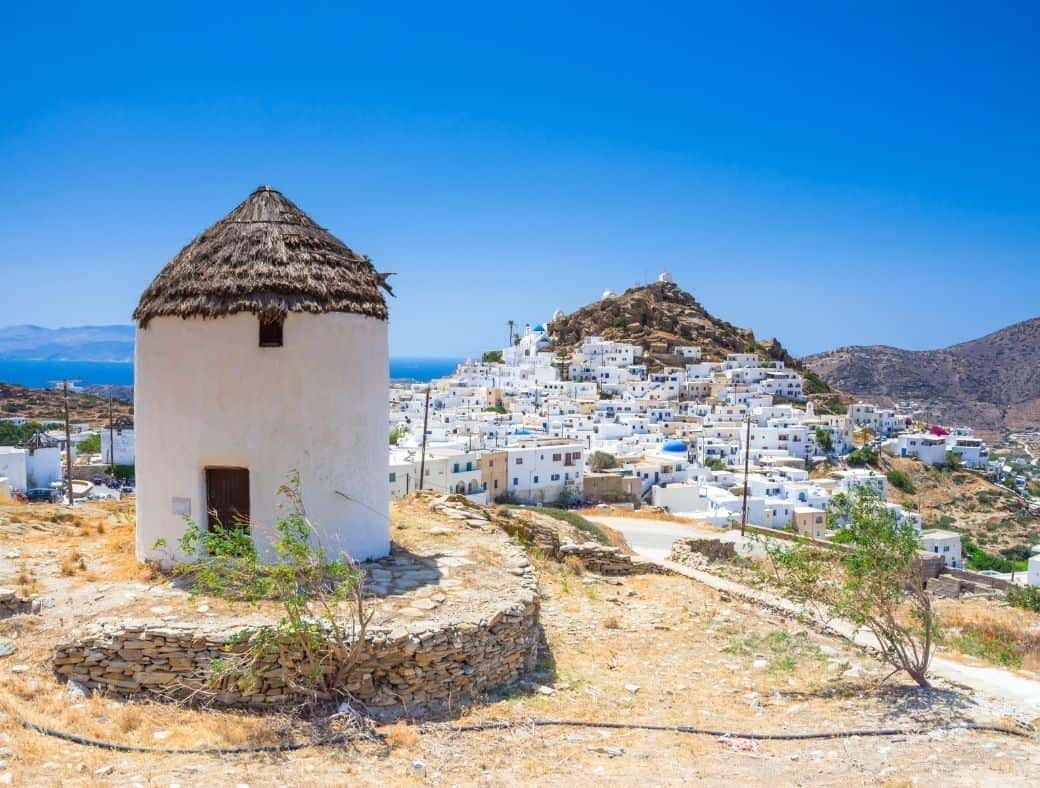
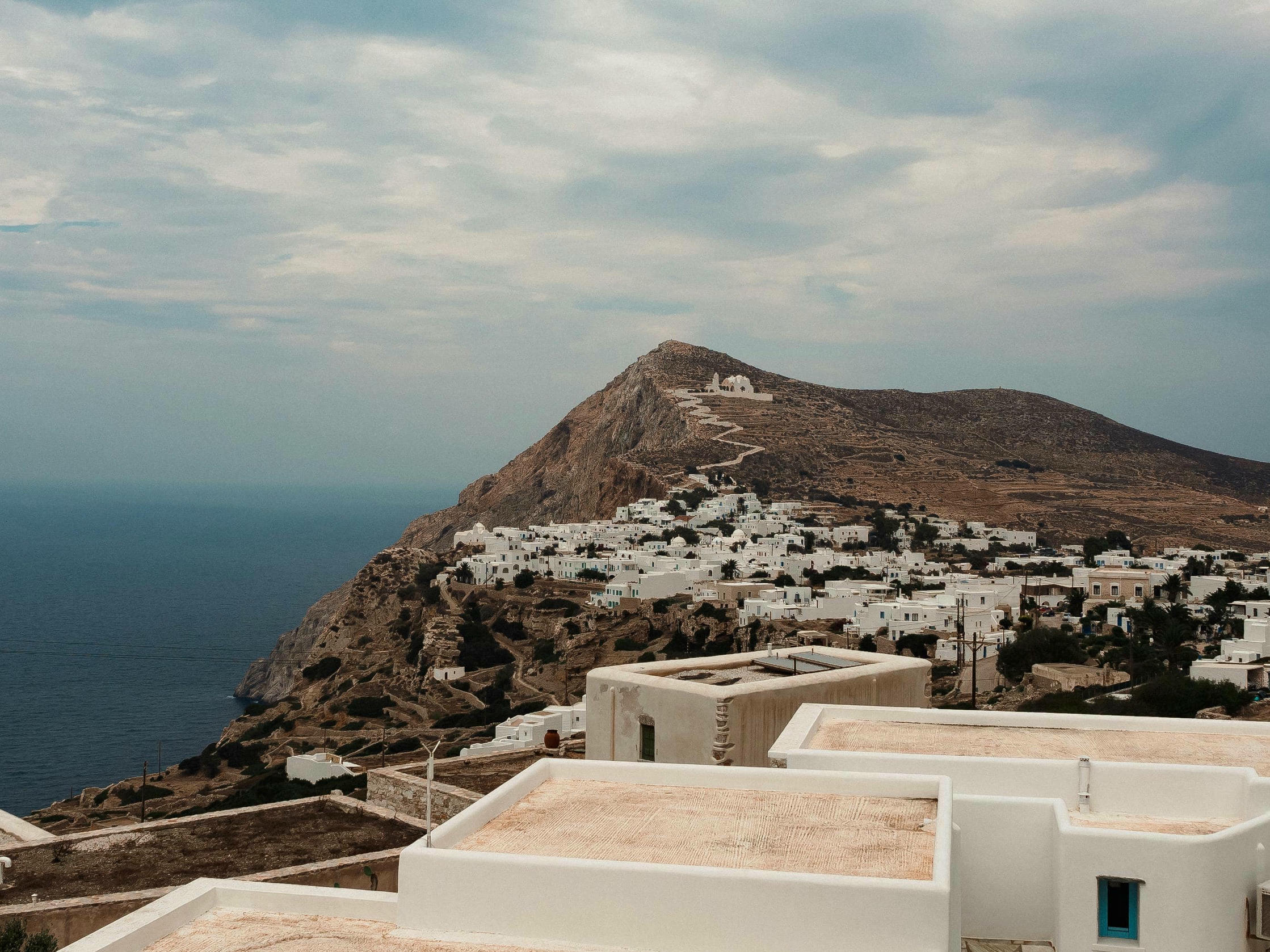
Perched 200 meters above the caldera on the cliff edge, Manolas is Thirasia's main village and one of the most atmospheric settlements in the Cyclades. Whitewashed houses with blue doors line narrow lanes, and the views across the caldera to Santorini are staggering. The village has a handful of tavernas, a small shop, and the Church of Agios Konstantinos. Reaching Manolas from the port below requires climbing roughly 300 steps — or riding a donkey.
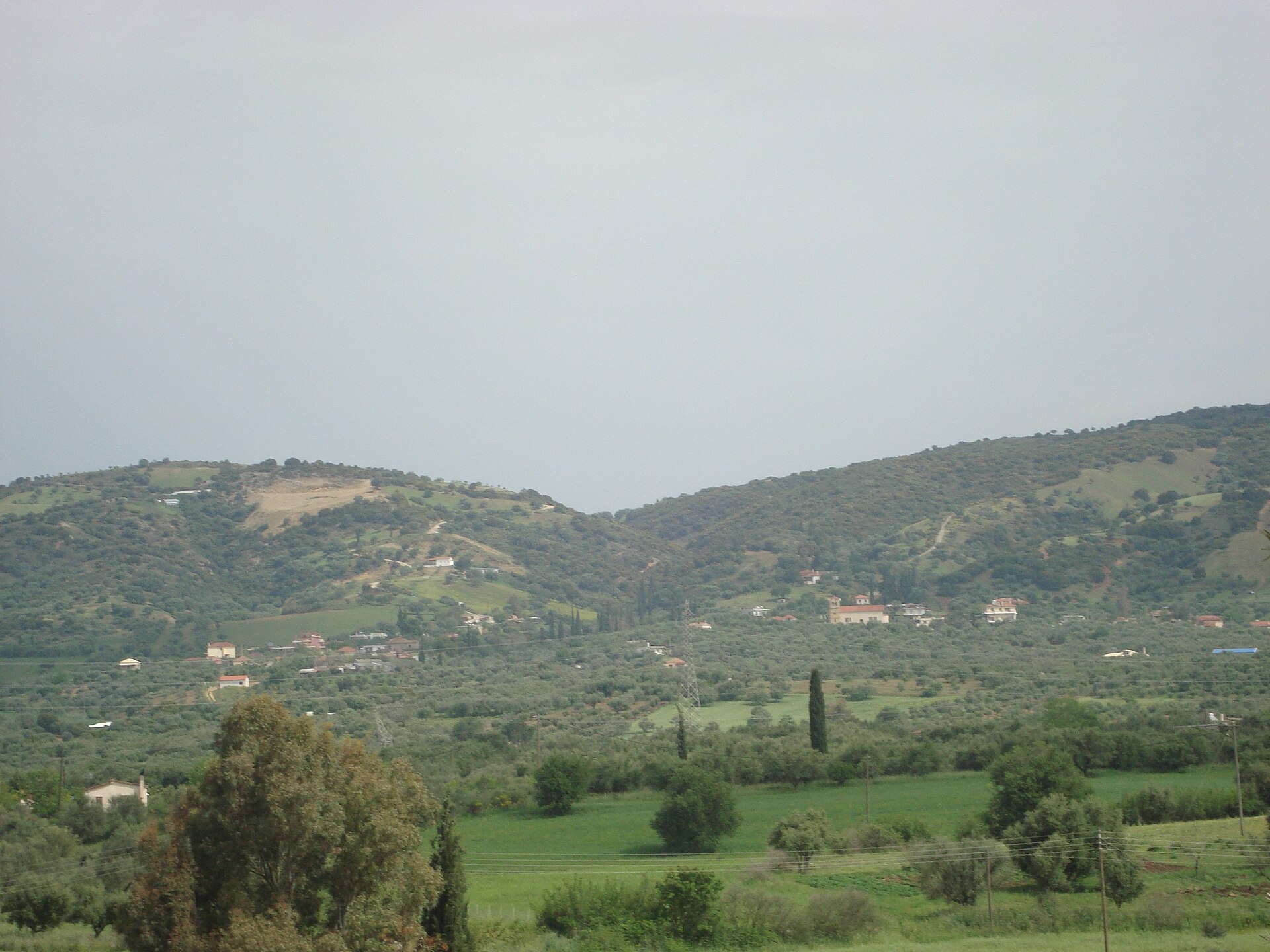
Potamos is a tiny agricultural settlement in the island's interior, surrounded by terraced fields, vineyards, and dry-stone walls. Life here has barely changed in generations. The handful of houses are home to farming families who still cultivate tomatoes, capers, and fava beans in the volcanic soil.
A small cluster of houses on the island's higher ground, Kera is home to the Church of Panagia Kerafini, an important local religious site. The settlement is surrounded by wild terrain with views stretching across the open Aegean to the west.
Agrilia occupies the southern tip of the island, a quiet area with scattered houses near the coast. The landscape is stark and volcanic, with dramatic cliff formations dropping into the sea. It is one of the most isolated spots on an already isolated island.
The best shores of Thirasia
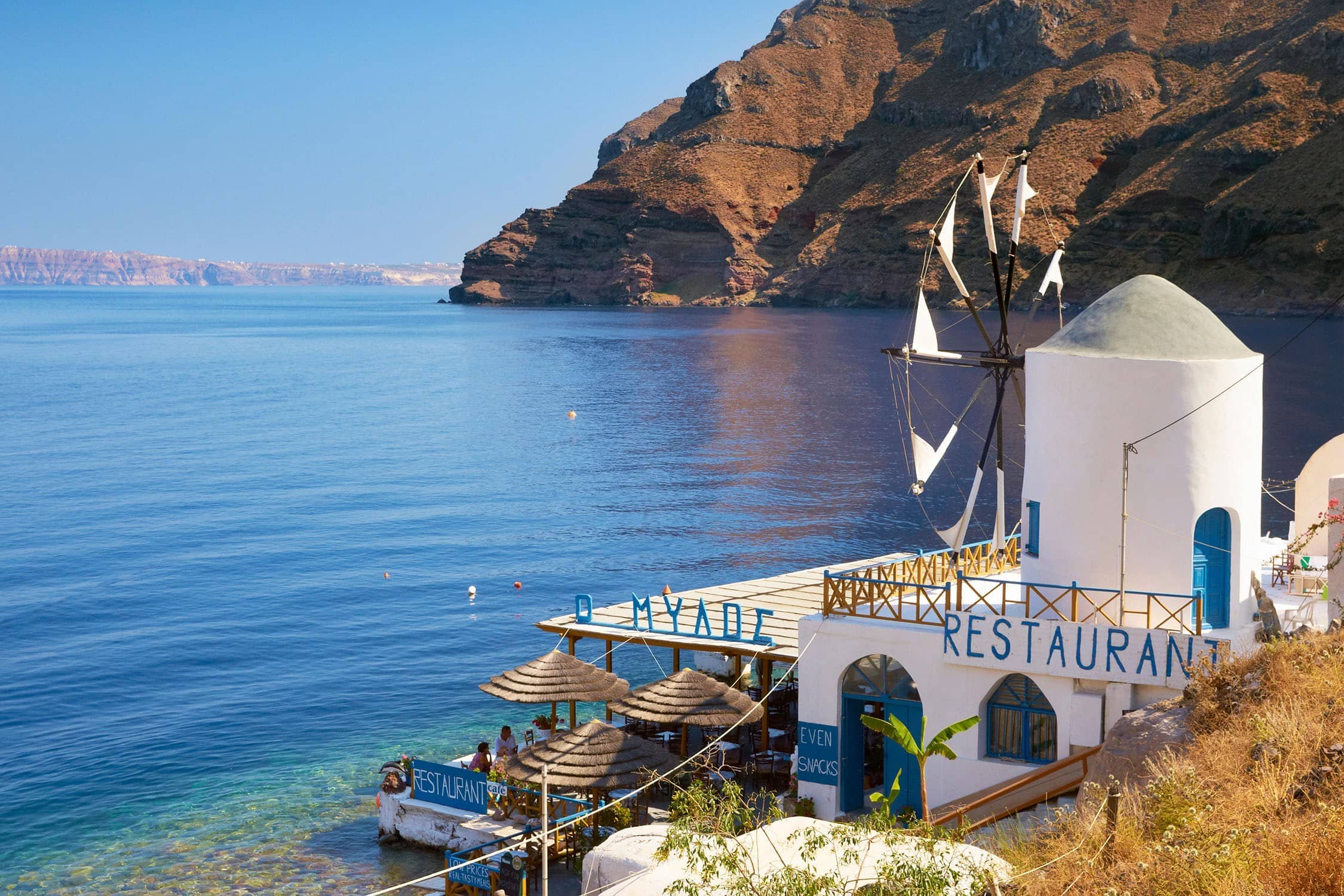
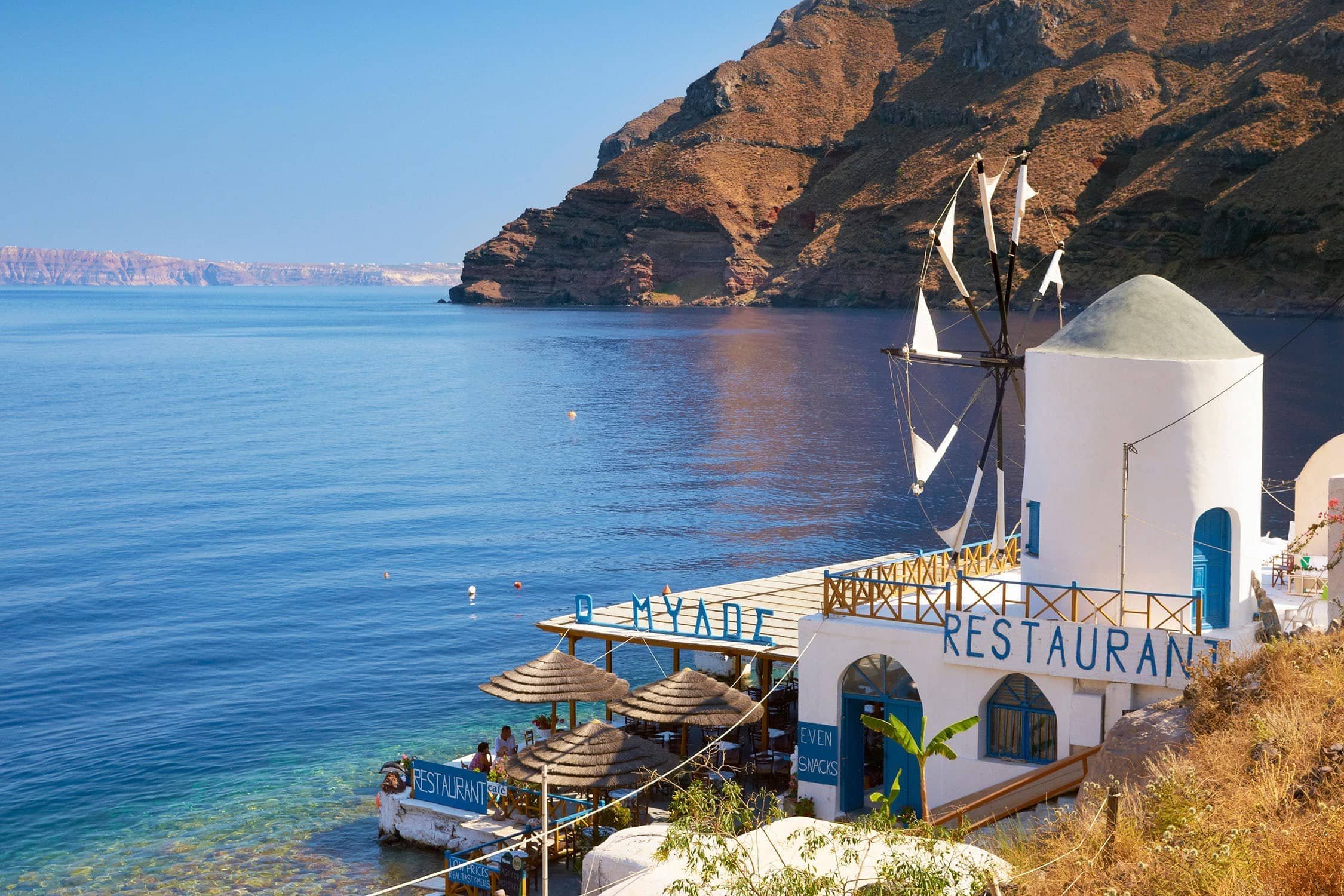
The main beach at Thirasia's old port, a dark volcanic sand and pebble shore beneath the towering caldera cliffs with a small taverna
Thirasia's current ferry port with a concrete jetty and a small pebble beach area, the first thing you see arriving by ferry
A remote, wild beach on the island's outer (western) coast, with dark sand and striking volcanic rock formations — nearly always deserted
Volcanic-soil produce and fresh Aegean seafood in a handful of honest tavernas
Creamy yellow split pea purée grown in Thirasia's volcanic soil, with a sweeter and more intense flavor than mainland varieties — drizzled with olive oil and capers
Deep-fried fritters made from sun-dried cherry tomatoes, onion, and mint — a Santorini-region specialty that reaches its purest form on Thirasia
Fresh octopus hung to dry in the sun then chargrilled, served with olive oil and vinegar — a staple at the waterfront tavernas
A local variety of white eggplant unique to the caldera islands, typically baked or fried, with a milder and creamier taste than common aubergines
A fresh, tangy soft cheese made from goat's milk on the island — spread on bread with tomato or eaten as a meze with local wine
The legendary sweet dessert wine of the caldera, made from sun-dried Assyrtiko grapes. Thirasia produces tiny quantities of this amber nectar, aged in oak barrels
From sunrise to sunset in Thirasia
Watch the sun rise behind Santorini from the caldera edge in Manolas. The light gradually illuminates Fira, Oia, and the volcanic islands in the center of the caldera — an extraordinary sight witnessed in near-total silence.
45 minDescend the roughly 300 stone steps from Manolas down to the old port of Korfos, passing abandoned pumice quarries and cave dwellings carved into the cliff face. Swim at the volcanic beach below, then brave the climb back up.
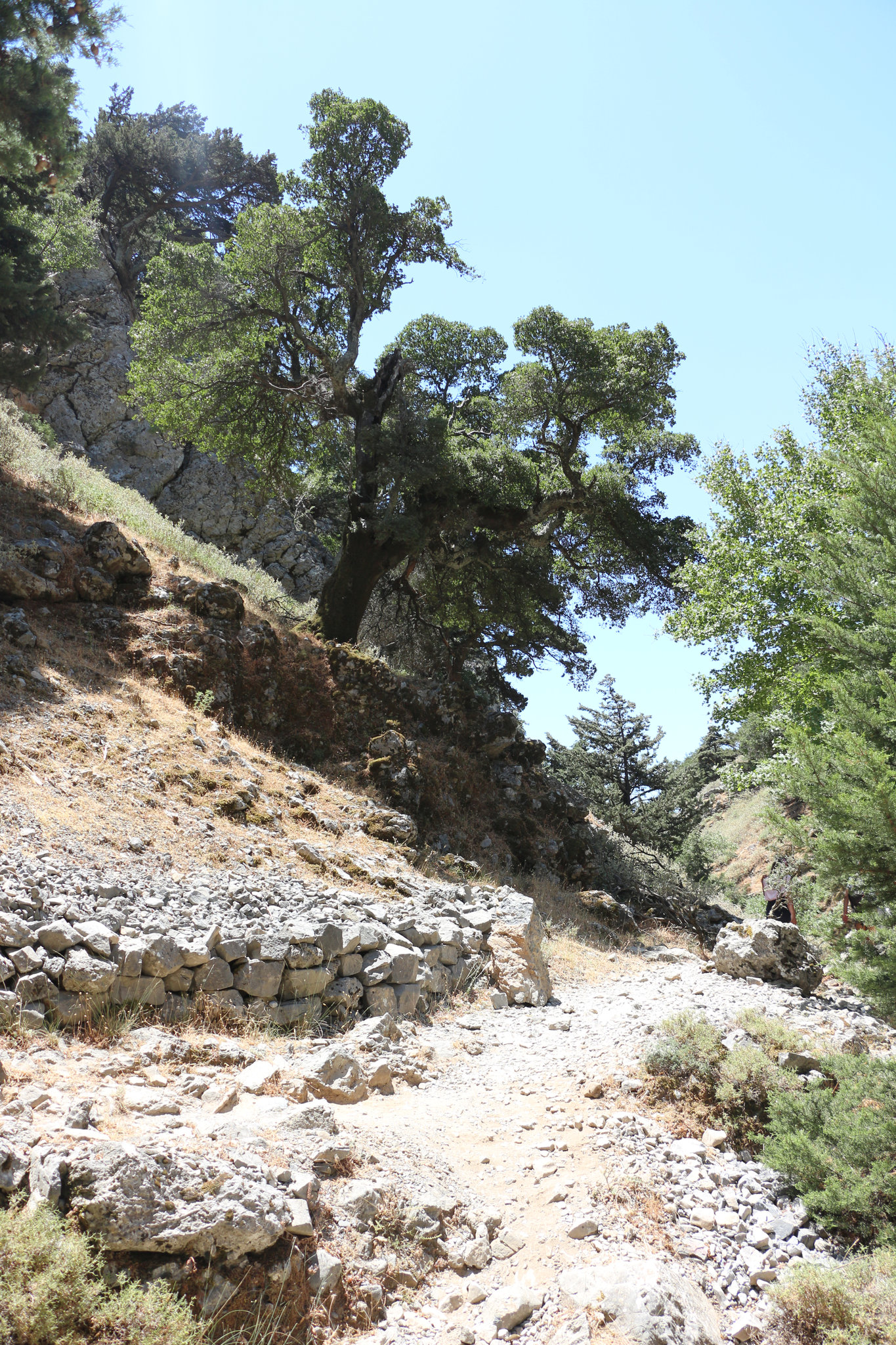
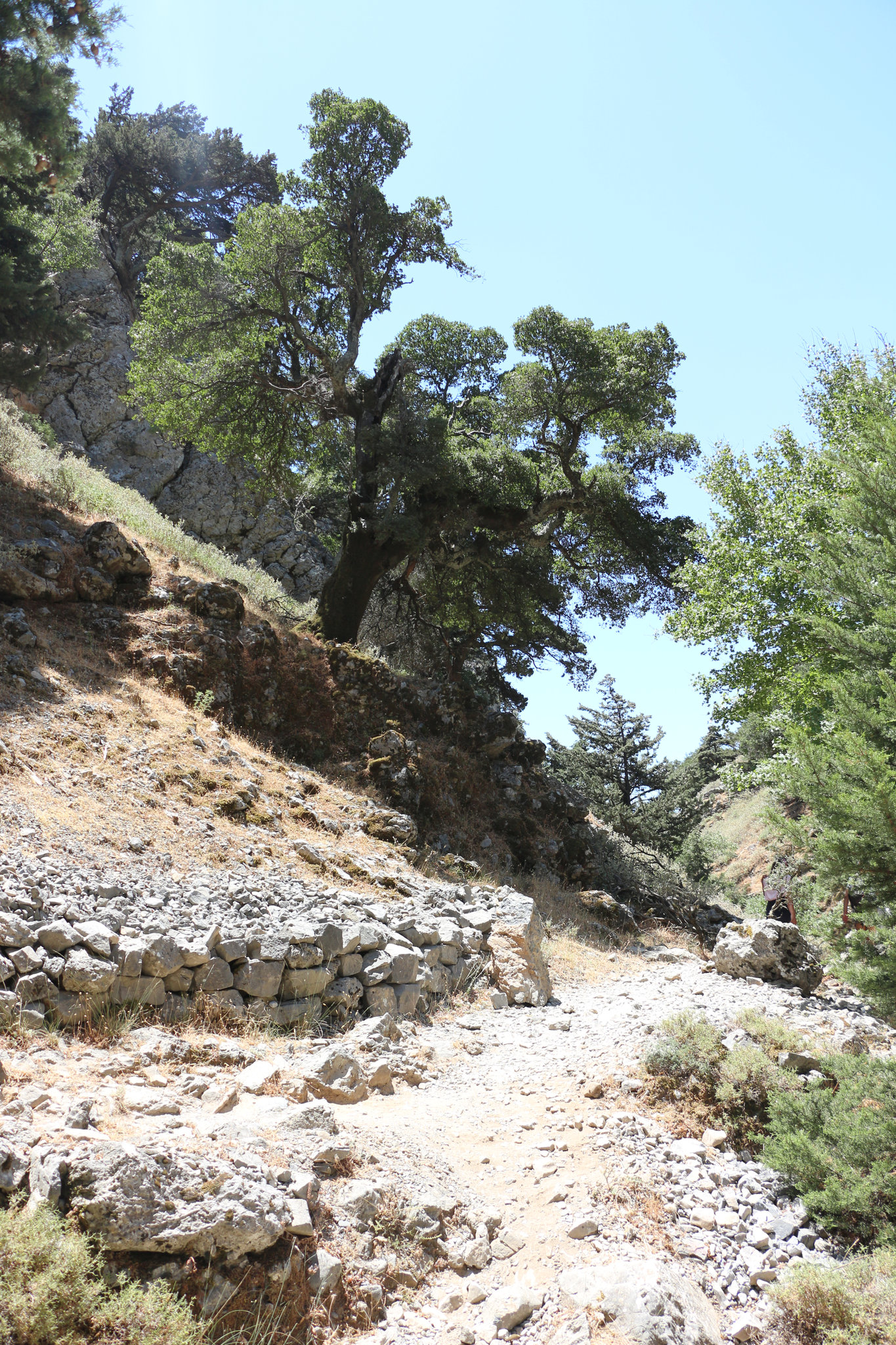
1 hourFollow the old donkey paths from Manolas through the island's interior to the farming hamlets of Potamos and Kera. The trail passes vineyards, dry-stone walls, and tiny chapels, with views of the open Aegean.
2.5 hoursHike to the wild outer coast and swim at the secluded beach of Agia Irini, surrounded by volcanic rock formations. Bring water and snacks — there are no facilities. The deep blue water here is exceptional.
2 hoursEnjoy grilled fish, tomatokeftedes, and fava at the small taverna by Korfos beach, sitting beneath the towering caldera cliffs. The freshness and simplicity of the food here is remarkable.
2 hoursWander through the abandoned pumice quarrying sites along the caldera cliff, remnants of the industry that once sustained the island. The dramatic industrial ruins set against the volcanic landscape are hauntingly photogenic.
1.5 hoursThirasia has dozens of tiny churches and chapels scattered across the landscape — far more than the population needs. Walk between them, each one whitewashed and lovingly maintained, many with panoramic sea views.
1.5 hoursWatch the sunset paint the caldera cliffs of Santorini gold and crimson from Manolas. This is the same legendary Santorini sunset, but viewed from the opposite side — and shared with perhaps a dozen people instead of thousands.
1 hourDine at one of Manolas's small tavernas as darkness falls over the caldera. The lights of Santorini twinkle across the water, the food is home-cooked and honest, and the silence is extraordinary.
2 hoursFind the perfect time for your Thirasia trip
Ferry routes and travel connections
Curated tours and activities
Join a caldera cruise that includes a stop on Thirasia, with time to climb to Manolas, swim at Korfos, and enjoy lunch with views.
Guided hike across Thirasia's volcanic landscape, visiting pumice quarries, cave dwellings, and the clifftop churches with geological commentary.
Insider tips for your Thirasia trip
Everything you need to know about Thirasia
Our AI travel assistant knows everything about Thirasia
Cross the caldera to the island that time forgot. The same volcanic drama, none of the crowds — just raw beauty and the warmest welcome in the Aegean.