
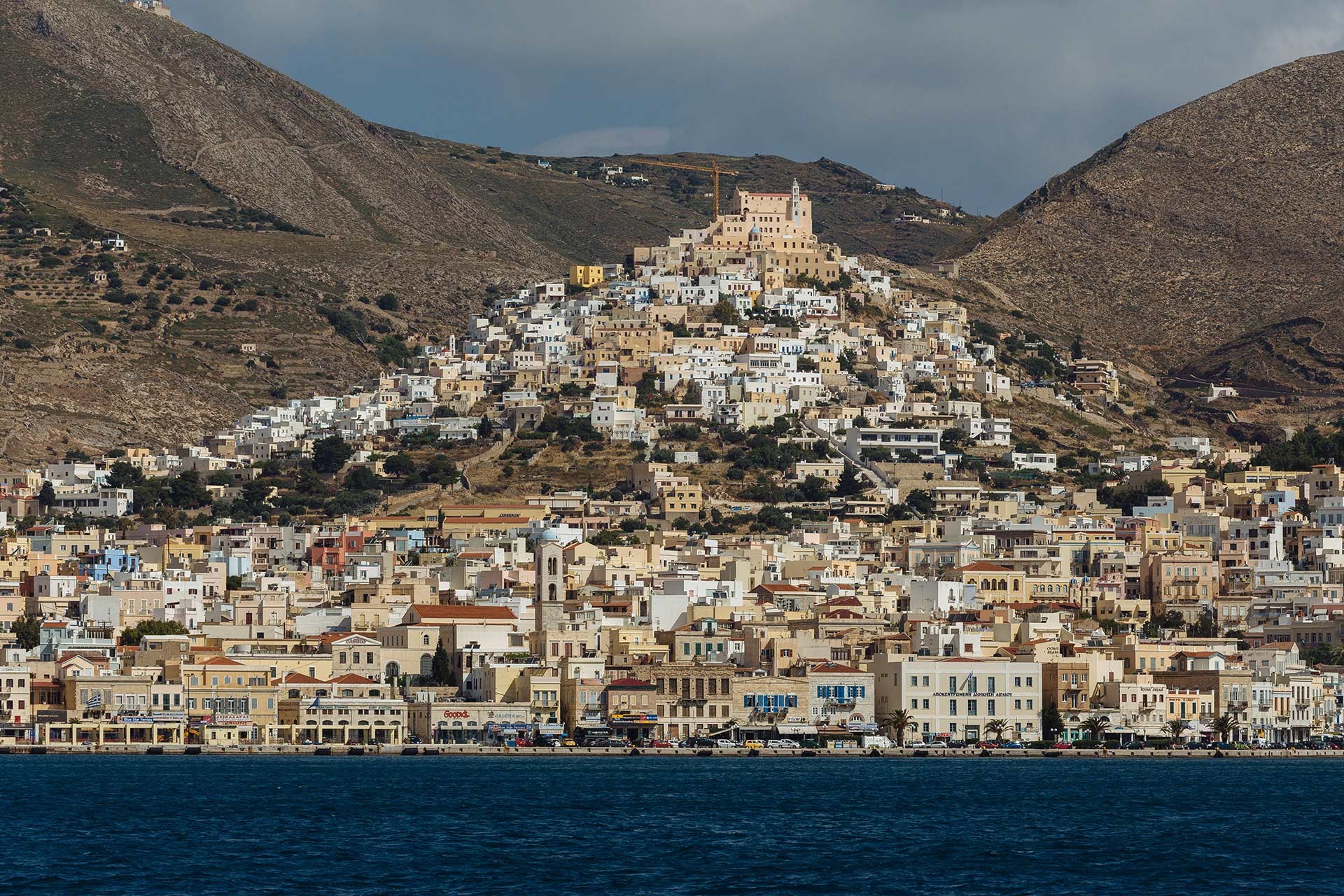
 区域 01
区域 01埃尔穆波利
新古典主义首府
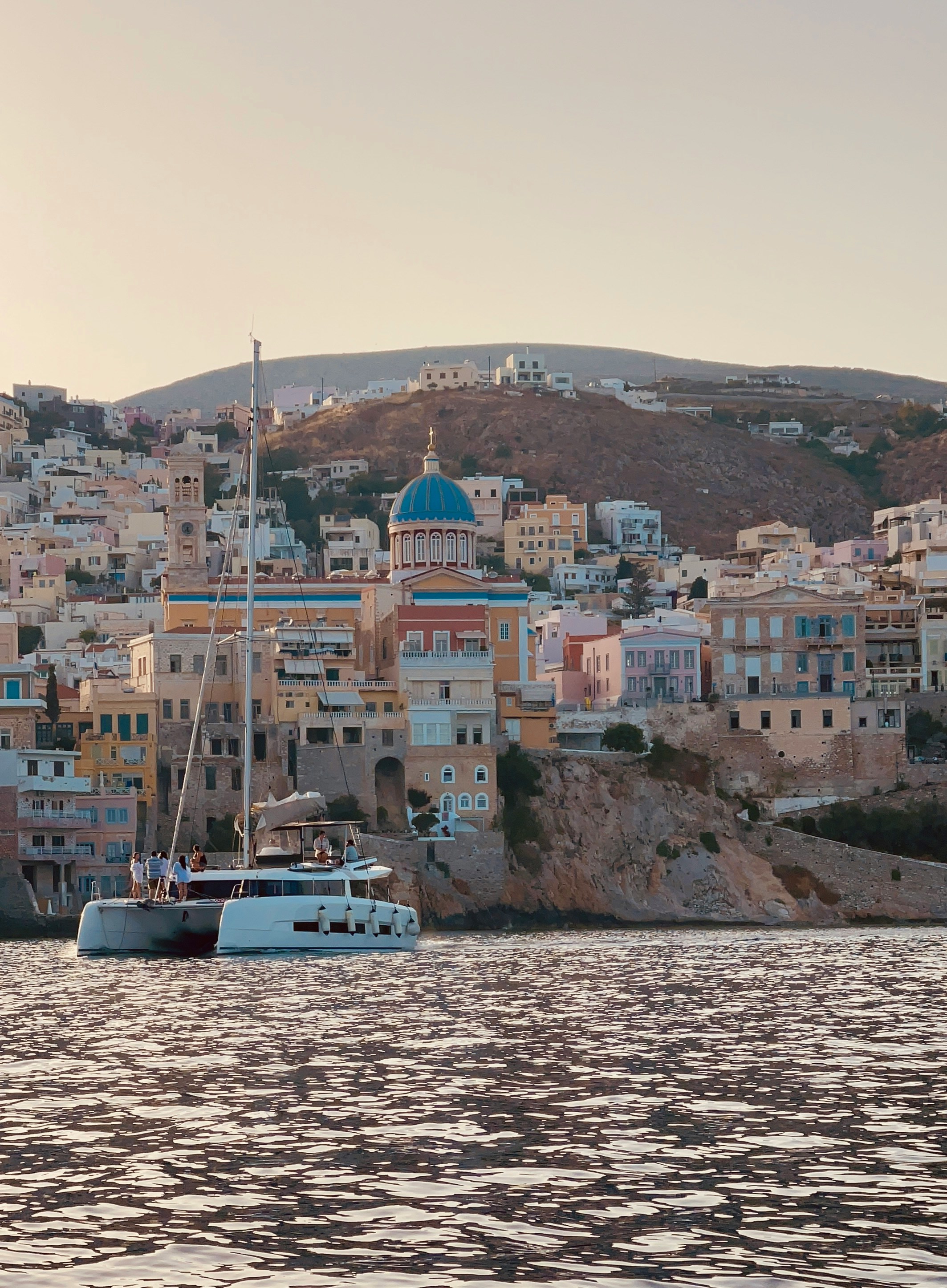
埃尔穆波利和基克拉迪的任何城镇都不一样。它由难民在1820年代建成,宏伟的米亚乌利斯广场、大理石铺就的街道、气派的商人宅邸,以及被称为迷你斯卡拉歌剧院的阿波罗剧院,都反映出一种国际化的雄心,曾让它一度成为希腊最重要的城市。如今,它是一座充满活力的首府,有出色的餐厅、全年营业的咖啡馆和从不间断的文化日程。
- 米亚乌利斯广场,希腊群岛最宏伟的广场之一
- 阿波罗剧院,经过修复的19世纪歌剧院,定期有演出
- 瓦波利亚区的埃尔穆波利历史博物馆
锡罗斯完整旅游攻略:探索新古典风埃尔穆波利斯与阿波罗剧院。当地专家独家提示、最佳旅游时间和2026年实用旅游建议。。立即规划,畅游爱琴海。

渡轮时长:取自 Ferryhopper 单日时刻表样本中最快的航班(2026年8月12日)。非实时数据;请在预订时核对时间。
海岛探索
塑造这座岛屿的村庄与海滩。点击章节即可前往,并将其加入您的行程。
村庄 · 埃尔穆波利
章节01 / 12
章节 01
村庄

埃尔穆波利和基克拉迪的任何城镇都不一样。它由难民在1820年代建成,宏伟的米亚乌利斯广场、大理石铺就的街道、气派的商人宅邸,以及被称为迷你斯卡拉歌剧院的阿波罗剧院,都反映出一种国际化的雄心,曾让它一度成为希腊最重要的城市。如今,它是一座充满活力的首府,有出色的餐厅、全年营业的咖啡馆和从不间断的文化日程。
Touristas AI 会为您的日期核对渡轮、住宿与时间安排。
01 · 岛屿概况
锡罗斯是基克拉迪群岛的首府岛,有优雅的新古典主义城市埃尔穆波利和山顶的天主教老城区上锡罗斯。从雅典乘渡轮只需4小时,这里全年都有文化活动和精美建筑,还有著名的卢库马德斯和哈尔瓦多皮塔甜点。
锡罗斯以最美妙的方式打破了人们对基克拉迪的所有刻板印象。这里不是一座只有白色村庄和慵懒海滩的岛,而是整个基克拉迪行政区的行政和文化首府。岛上的埃尔穆波利是19世纪新古典主义的杰作,曾是希腊最重要的港口城市。大理石铺就的广场、气派的联排宅邸、仿照斯卡拉歌剧院建造的宏伟阿波罗剧院,还有一座至今仍在造船的船厂,赋予了锡罗斯一种在群岛中独一无二的都市活力。
埃尔穆波利上方耸立着上锡罗斯,这是一座中世纪的天主教老城区,比山下的城区早了好几个世纪。狭窄如迷宫的小巷一路爬升到山顶的圣乔治主教座堂,与对面山头上的东正教复活教堂遥相呼应。天主教与东正教、中世纪与新古典、工作之城与海岛天堂,这种双重身份让锡罗斯拥有基克拉迪其他岛屿都无法比拟的文化层次。
锡罗斯真正与众不同的,是它全年不息的活力。当其他岛屿从11月到4月进入冬眠时,锡罗斯依然生机勃勃,21,000多名常住居民让餐厅、咖啡馆和文化场所四季都热热闹闹。这座岛出产著名的卢库米软糖(土耳其软糖),举办锡罗斯国际电影节,现场音乐和戏剧演出的水准足以让希腊本土的城市刮目相看。再加上南岸出色的海滩、内陆的传统村庄,以及基克拉迪性价比最高的一些餐厅,这是一座能让每一种旅行者都满载而归的岛。
“锡罗斯提醒你,基克拉迪不只是明信片,也是真实生活优雅而有目标地展开的地方。”
02地图位置
03 · 住宿推荐
区域 01新古典主义首府
埃尔穆波利和基克拉迪的任何城镇都不一样。它由难民在1820年代建成,宏伟的米亚乌利斯广场、大理石铺就的街道、气派的商人宅邸,以及被称为迷你斯卡拉歌剧院的阿波罗剧院,都反映出一种国际化的雄心,曾让它一度成为希腊最重要的城市。如今,它是一座充满活力的首府,有出色的餐厅、全年营业的咖啡馆和从不间断的文化日程。
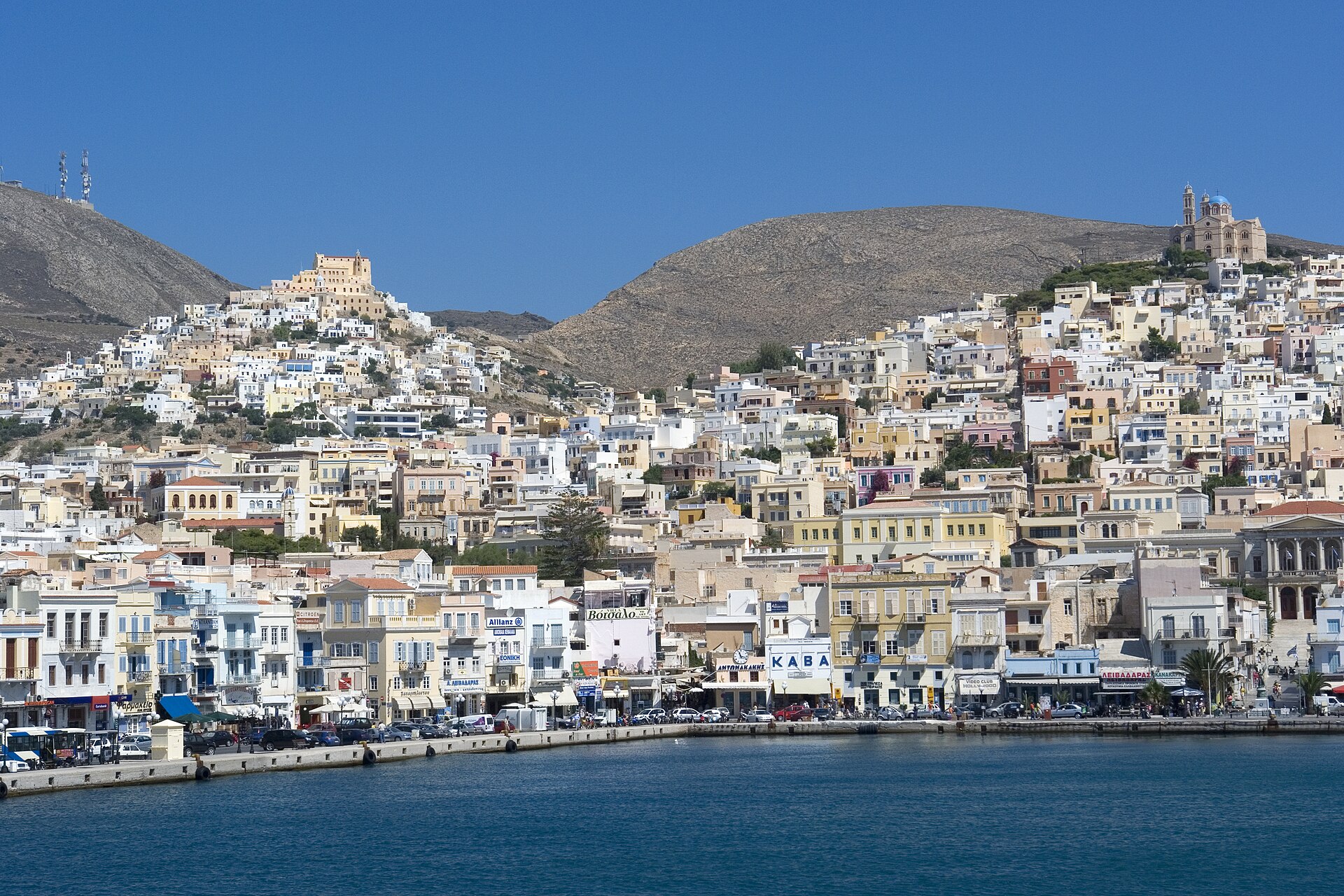 区域 02
区域 02中世纪天主教老城区
Photo: Hans Peter Schaefer, http://www.reserv-a-rt.de, CC BY-SA 3.0, via Wikimedia Commons
上锡罗斯坐落在埃尔穆波利上方的一座圆锥形山丘上,是一座中世纪迷宫:狭窄的拱形小巷、白色房屋和小礼拜堂一路爬升到天主教的圣乔治主教座堂。从山顶可以俯瞰整个东海岸,迷宫般街道里的氛围,与山下新古典主义的恢宏气派判若两个世界。
 区域 03
区域 03海滩村
Photo: Olavfin, CC0, via Wikimedia Commons
加利萨斯是锡罗斯最受欢迎的海滩区,位于西海岸一个避风的海湾里,有长长的沙滩、适合家庭的游泳环境,以及一些酒店和小酒馆。这里是岛上主要的度假区,却依然保留着远离大众旅游的悠闲希腊风情。
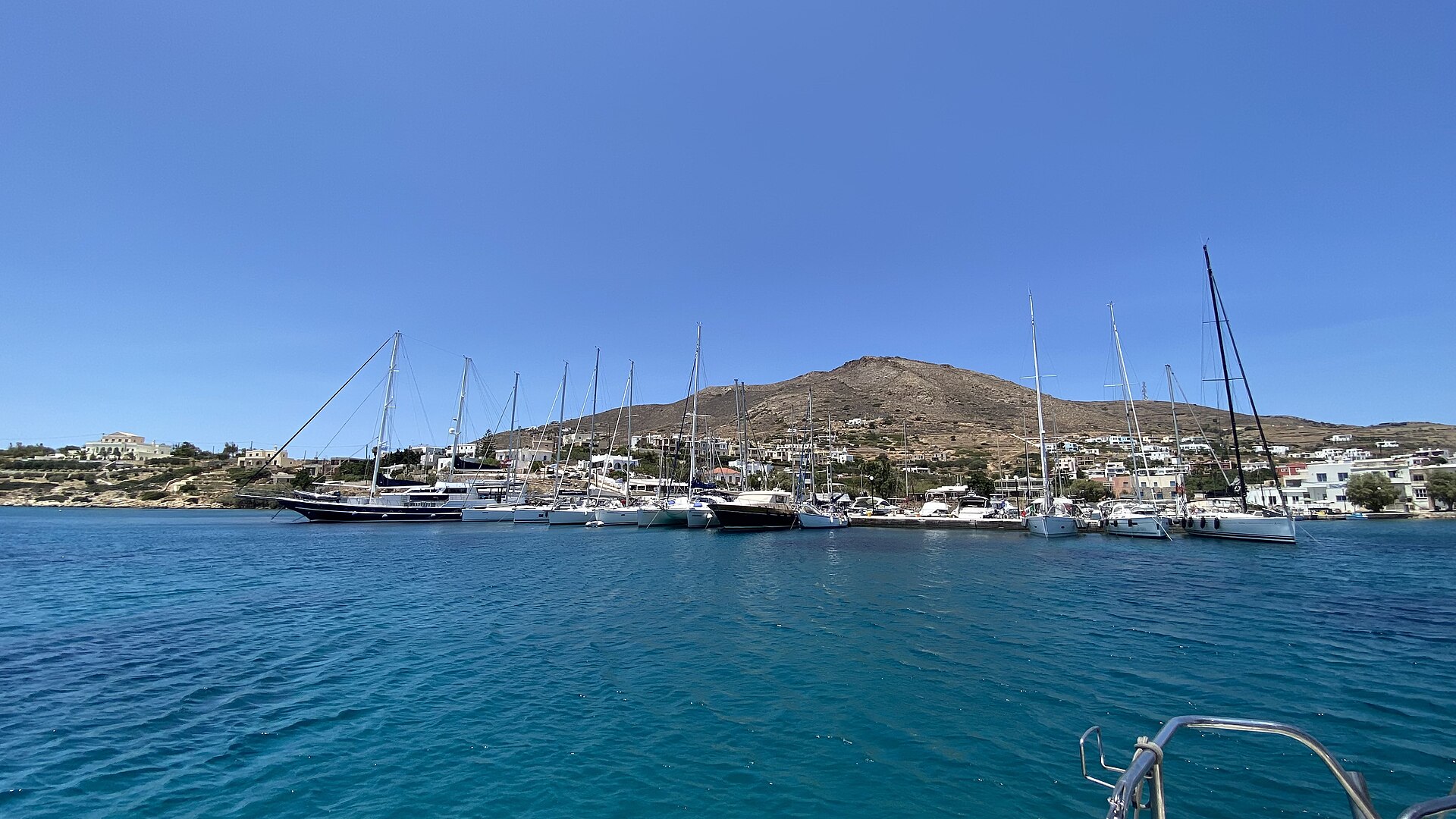 区域 04
区域 04国际范的游艇码头村
Photo: Sgroey, CC BY-SA 4.0, via Wikimedia Commons
菲尼卡斯是西南部一座充满活力的海滨村庄,是热门的目的地,有繁忙的游艇码头、众多小酒馆、咖啡馆、面包店和本地商店。这里的海滩能很好地避开夏季的北风(梅尔特米风),夏天大多数日子都能放心游泳,也是前往科基纳海滩步道的起点。
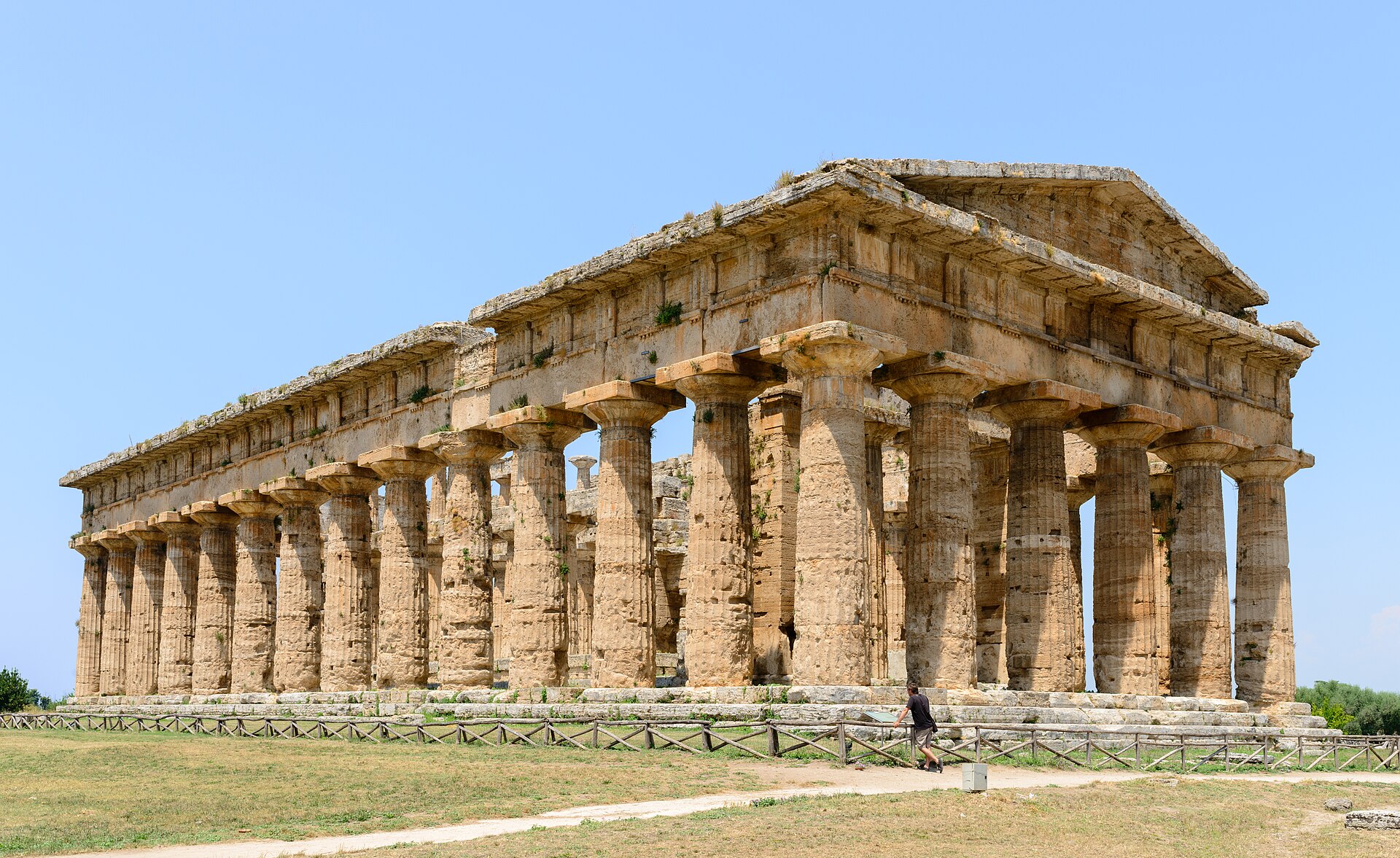 区域 05
区域 05贵族郊区
Photo: Norbert Nagel, CC BY-SA 3.0, via Wikimedia Commons
波塞多尼亚位于埃尔穆波利以南,是一片绿树成荫的聚落,散布着岛上富商阶层修建的优雅的19世纪避暑别墅。建筑优雅地融合了新古典主义和基克拉迪风格,掩映在花园和松树之间,是一处宁静的飞地,感觉就像希腊版的里维埃拉小镇。
 区域 06
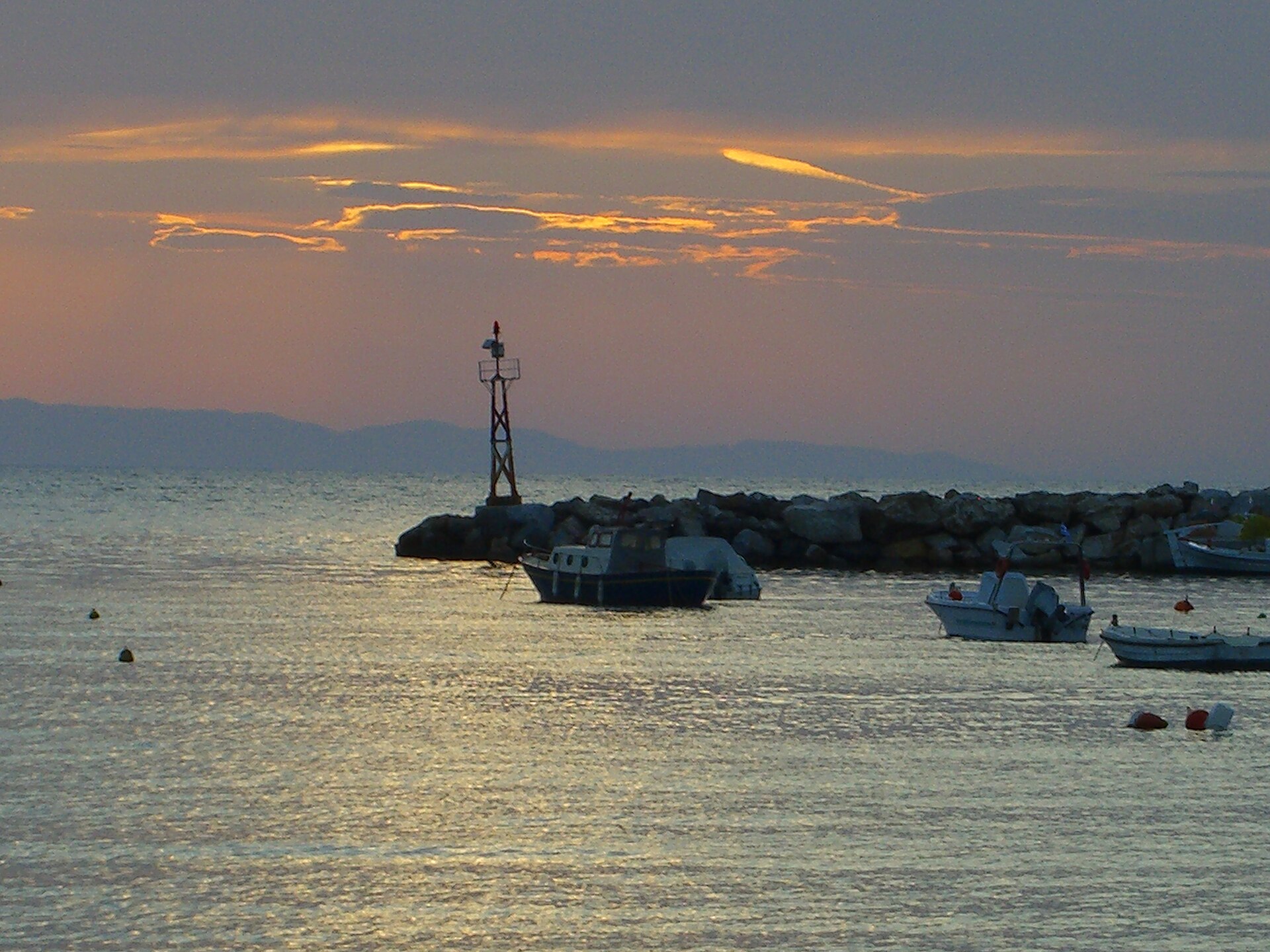
区域 06日落村
Photo: Kevin Stroup, CC BY 3.0, via Wikimedia Commons
基尼是西海岸一座迷人的渔村,以出色的鱼类小酒馆和壮观的爱琴海日落闻名。避风的海湾里有一片沙滩,村子保留着传统风貌,只有几家本地小店,社区氛围温暖。
04 · 故事
上锡罗斯由威尼斯人于13世纪建立,他们在此创建的天主教社群延续至今。这座中世纪城区迷宫般的小巷、拱形通道和山顶的圣乔治主教座堂,反映了几个世纪的拉丁影响,也让锡罗斯成为基克拉迪唯一拥有重要天主教传统的岛屿。
希腊独立战争期间(1821年),来自希俄斯、普萨拉和其他遭受重创岛屿的难民涌入锡罗斯,建立了埃尔穆波利。这座以商业之神赫尔墨斯命名的新城迅速成为希腊最重要的港口,拥有船厂、仓库和富裕的商人阶层,他们修建的宏伟新古典主义建筑至今仍屹立不倒。
到19世纪中叶,埃尔穆波利已是希腊首屈一指的工业中心,也是全国第一座拥有街道照明、医院、印刷厂和公共剧院的城市。内奥里昂船厂造出了希腊最早的蒸汽船,城里的商品交易所足以与希腊本土任何地方相媲美。
虽然比雷埃夫斯最终取代埃尔穆波利成为希腊的主要港口,锡罗斯的文化基因却展现出强大的韧性。阿波罗剧院经过修复重新开放,锡罗斯国际电影节引来全球关注,而岛上的常住人口确保了传统、美食和本地生活从未沦为只为游客准备的季节性表演。


05 · 海滩
锡罗斯 的最佳海岸
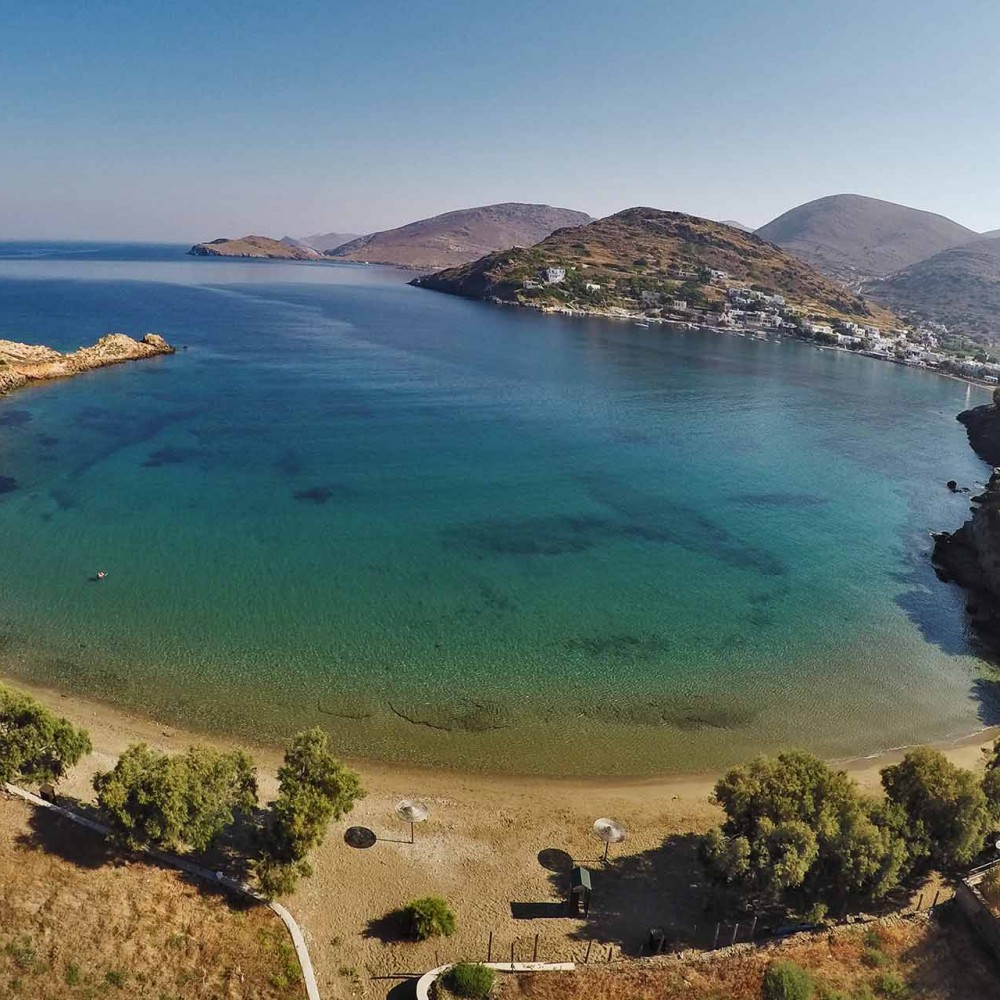 热门、适合家庭01
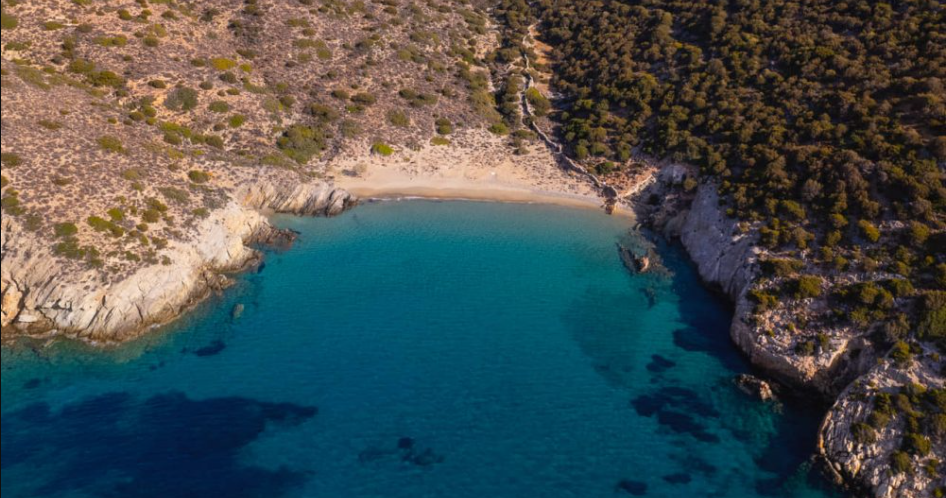
锡罗斯最大、设施最完善的海滩,一个避风的沙湾,海水平静,有躺椅,还有一排海滨小酒馆和酒吧
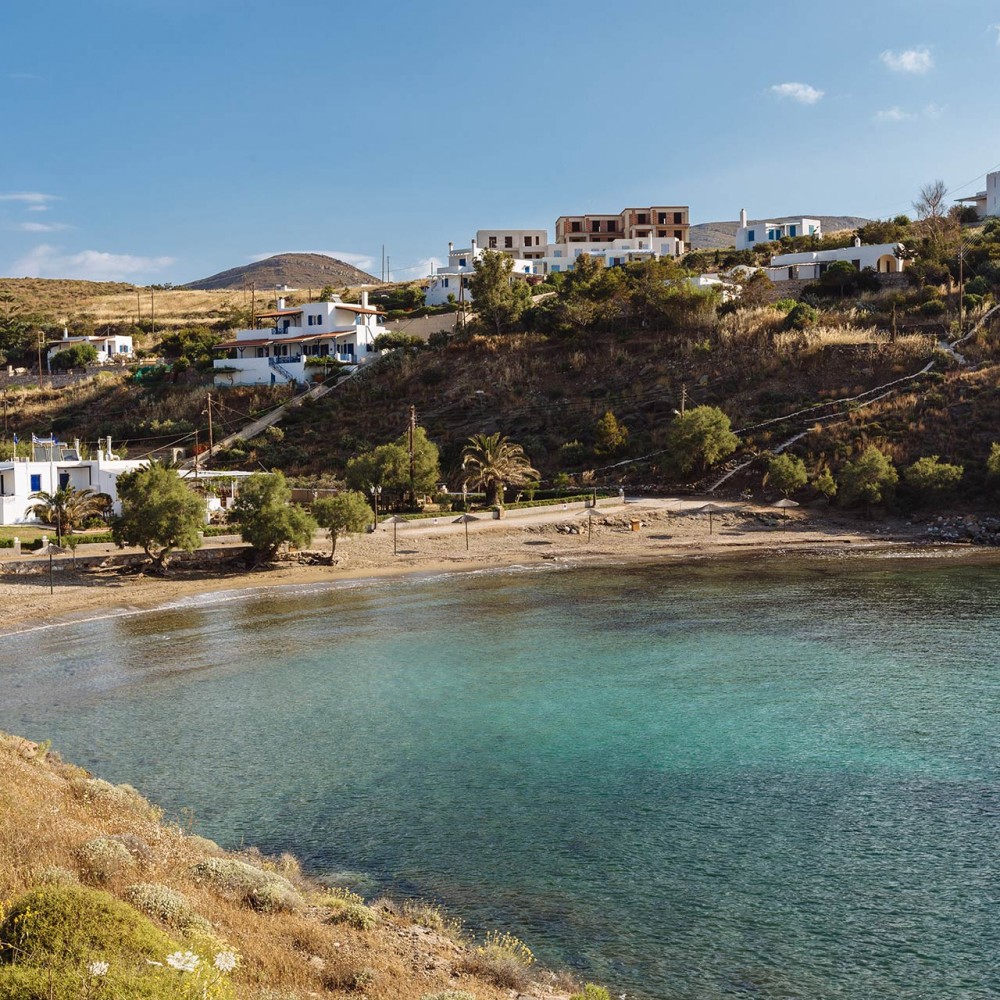 平静、风景优美02
波塞多尼亚附近一片受保护的沙滩,海水浅而碧绿,可以眺望斯特龙吉洛小岛,一直是岛上最美的海滩之一
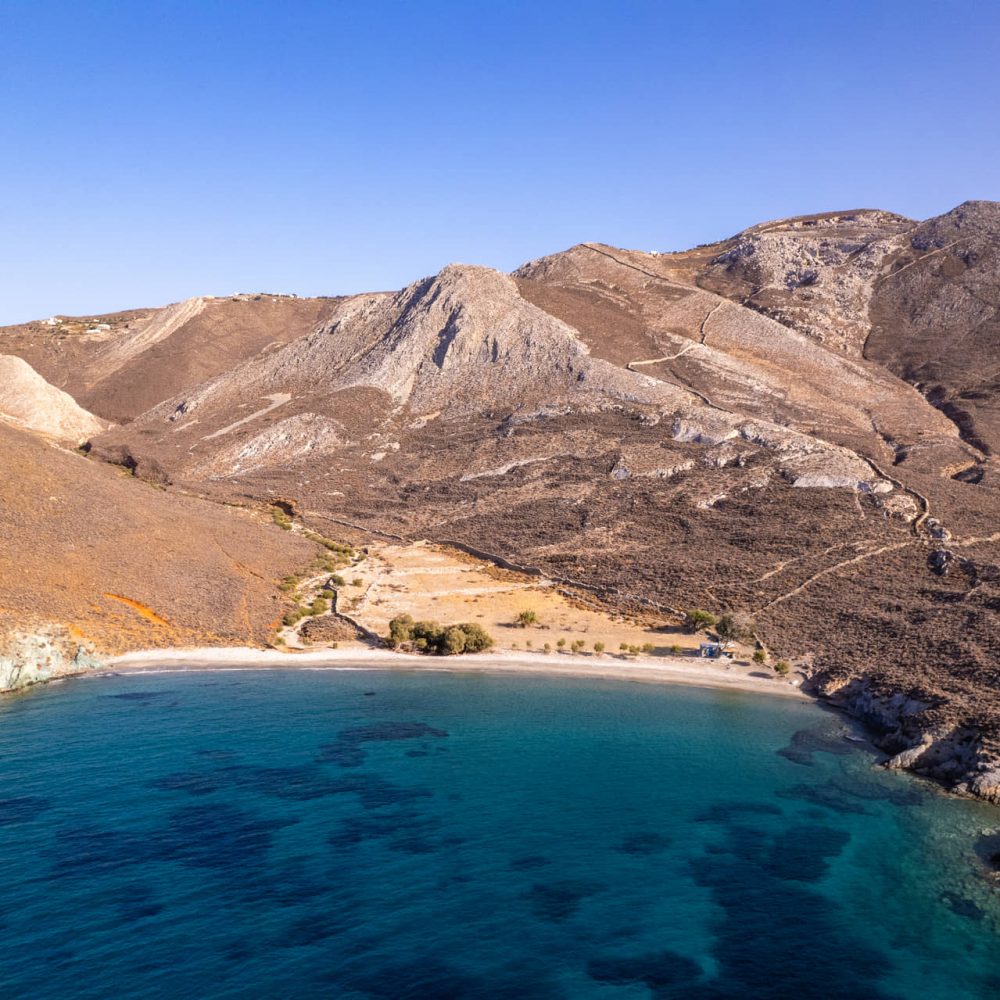 避风、传统03
南岸一个深而避风的海湾,无论刮什么风,海水都很平静,是岛上游泳最有保障的地方之一
 有个性的村庄海滩04
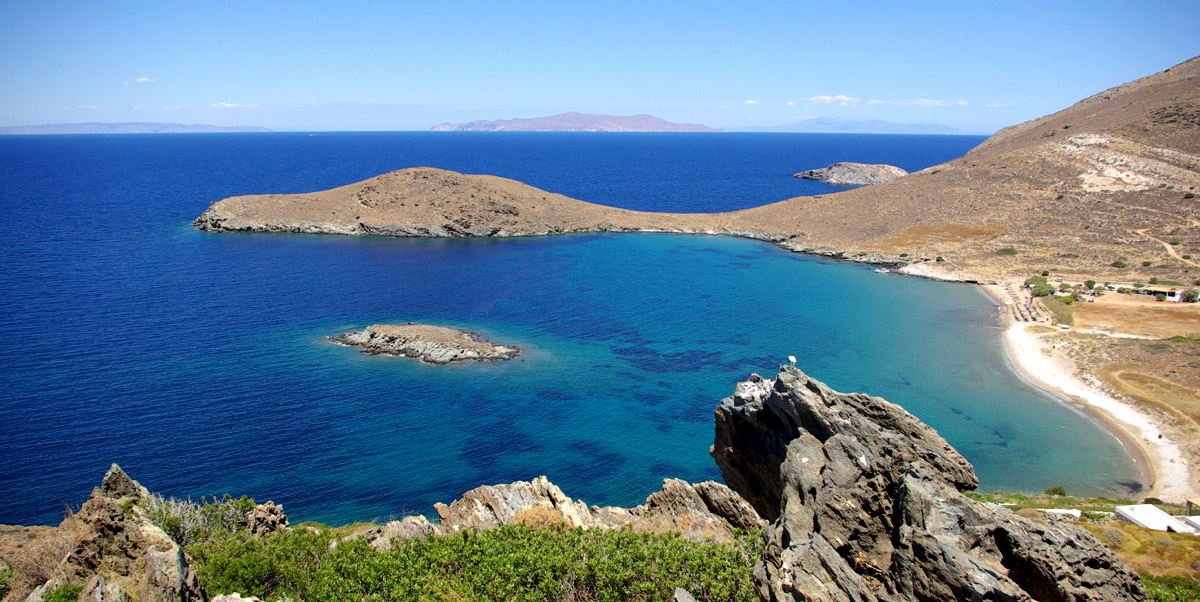
位于基尼渔村的一片沙滩,小酒馆就在水边,还有全岛最美的日落。先游泳,再吃烤鱼,最后看一场日落秀
 安静、天然05
Photo: G Da, CC BY-SA 3.0, via Wikimedia Commons
基尼以北一片美丽的沙砾海滩。从这里有一条风景优美的步道,通往完全隐秘的瓦尔瓦鲁萨海滩。
 本地人气、热闹06
Photo: M. Ρούσσα / The original uploader was Marizax at Greek Wikipedia., CC BY 3.0 gr, via Wikimedia Commons
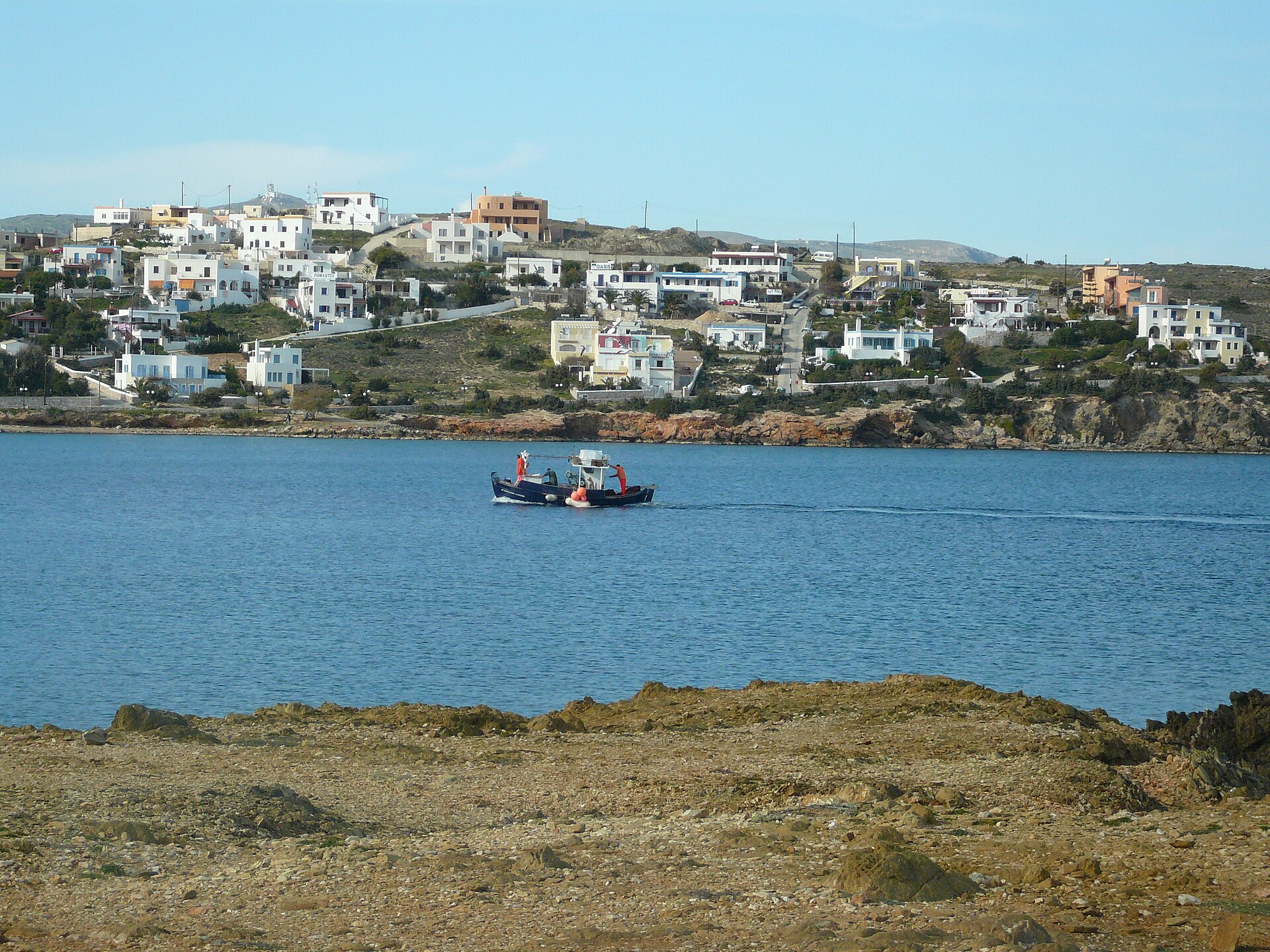
东岸一片小沙滩,深受埃尔穆波利当地人喜爱,离城区很近,有海滩酒吧,氛围地道,没有旅游气息
租车与全地形车
畅游锡罗斯每一处海滩
比较提供港口和酒店送车服务的本地租车公司。
06 · 餐桌风味
基克拉迪传统、国际化的精致与几百年制糖传承交汇的美食十字路口
这是锡罗斯最有名的特产:玫瑰、乳香和佛手柑口味的手工卢库米软糖,出自可追溯到1830年代的老作坊。口感和风味远胜任何量产货。
锡罗斯独有的传统牛轧糖威化,夹着杏仁和蜂蜜,酥脆香甜,是这座岛传奇糖果传统中最完美的伴手礼
一种只在锡罗斯生产、受PDO保护的陈年硬质奶酪,味道浓烈,类似帕玛森,却带有鲜明的希腊式酸香。以上锡罗斯村(San Michele)命名。
基克拉迪风味的刺山柑沙拉,用醋、橄榄油和番茄拌制。味道鲜明爽口,是海滨烤鱼的完美搭档
基尼的海滨小酒馆以鲜鱼闻名全基克拉迪,简单地烤一烤,配上柠檬和橄榄油,再加上日落美景,令人终生难忘。
日益兴起的手工酿造圈里,有本地精酿啤酒厂,也有重新复兴的葡萄园。搭配传统小菜(meze)品尝,感受这座岛富有创意的饮食文化。
07 · 岛上一日
从日出到日落的 锡罗斯
从宏伟的米亚乌利斯广场出发,探索埃尔穆波利新古典主义的恢宏气派。参观市政厅,欣赏瓦波利亚区的商人宅邸,探头看看阿波罗剧院,再逛逛早市,这一切都能在大多数游客吃完早餐之前完成。
沿着中世纪天主教老城区蜿蜒的小巷拾级而上,途中在马科斯·万瓦卡里斯博物馆(蕾贝提卡音乐的发源地)和数不清的小礼拜堂驻足。山顶的圣乔治主教座堂会用半个基克拉迪的全景回报你。
探索设在昔日铅加工厂里的工业博物馆,引人入胜。了解埃尔穆波利如何成为希腊第一座工业城市,展品涵盖造船、纺织、制革,以及让这座小岛成为经济强岛的先驱技术。
开车上到锡罗斯崎岖的北部,那里公路到了尽头,徒步小径才刚开始。徒步前往卡斯特里考古遗址,寻访费雷西底洞穴,或者跋涉到只能步行到达的北部隐秘海滩。
前往受保护的阿加索佩斯沙滩,享受完美的游泳日。即使别处刮着梅尔特米风,这里浅而碧绿的海水依然平静,漂浮在近海的斯特龙吉洛小岛,为本已美丽的景色再添一笔如画的背景。
走访埃尔穆波利历史悠久的糖果作坊,那里从1830年代起就一直手工制作卢库米软糖。品尝玫瑰、乳香和佛手柑口味,试试哈尔瓦多皮塔牛轧糖威化,了解让锡罗斯闻名全希腊的制糖传统。
漫步在波塞多尼亚绿树成荫的街道上,欣赏埃尔穆波利商业精英修建的19世纪避暑别墅。新古典主义与基克拉迪风格交融的建筑掩映在花园和松树间,仿佛走进了希腊海岛生活的另一个时代。
把晚餐安排在基尼的海滨鱼类小酒馆,正好赶上日落。点一份当天的烤鱼、本地刺山柑和圣米哈利奶酪,看太阳就在你眼前沉入爱琴海。这是基克拉迪最棒的用餐体验之一。
如果时间合适,去阿波罗剧院看一场演出,这座珠宝盒般的歌剧院是仿照斯卡拉歌剧院建造的。即使没有演出,也有导览带你参观它华丽的内部。之后,去米亚乌利斯广场一带热闹的咖啡馆和酒吧逛逛。
游览与活动
预订锡罗斯精选体验
帆船出游、日落巡游、潜水与烹饪课程。
08 · 何时前往
为您的 锡罗斯 旅行寻找最佳时间
16-23°C
低 人潮
东正教复活节庆典、咖啡馆文化渐渐热闹、理想的步行天气
25-31°C
中等 人潮
埃尔穆波利节、海滩季、锡罗斯国际电影节
20-26°C
低至中等 人潮
海水温暖、文化活动延续、丰收季节、金色光线
10-16°C
低 人潮
全年不息的本地生活、狂欢节庆典、安静的文化探索
09 · 交通前往
渡轮路线及交通连接
从
高速船 / 普通渡轮
时长
2-4小时
价格
€25-48
从
高速船 / 普通渡轮
时长
30分钟-1.5小时
价格
€12-25
从
高速船 / 普通渡轮
时长
30分钟-1小时
价格
€8-18
从
高速船 / 普通渡轮
时长
1-2小时
价格
€15-28
从
高速船 / 普通渡轮
时长
1.5-2.5小时
价格
€18-32
10 · 跳岛游
锡罗斯可乘渡轮前往11座邻近岛屿。以下是来自我们完整基克拉迪渡轮目录的现行跳岛航线。
国际化的海滩俱乐部、小威尼斯,以及神圣的提洛岛。
起 €15.30
神圣的朝圣地、1,000多座鸽舍和手工大理石村庄。
起 €12.00
起 €36.50
起 €20
起 €20
起 €20
起 €8.50
起 €6.70
起 €20
起 €7.50
起 €20
11 · 预订
渡轮、酒店、租车和区域指南:读完这篇锡罗斯指南后所需的一切。
12 · 出行须知
锡罗斯 旅行内幕提示
锡罗斯 · 2026 年更新
常见问题
有关 锡罗斯 的所有信息
电子报
每两周一封邮件:新海滩、渡轮变动、酒店优惠。绝无垃圾邮件。
免费基克拉迪 7 日行程
绝无垃圾邮件,可随时退订。
