 区域 01
区域 01纳克索斯镇(霍拉)
威尼斯与基克拉迪交融的首府
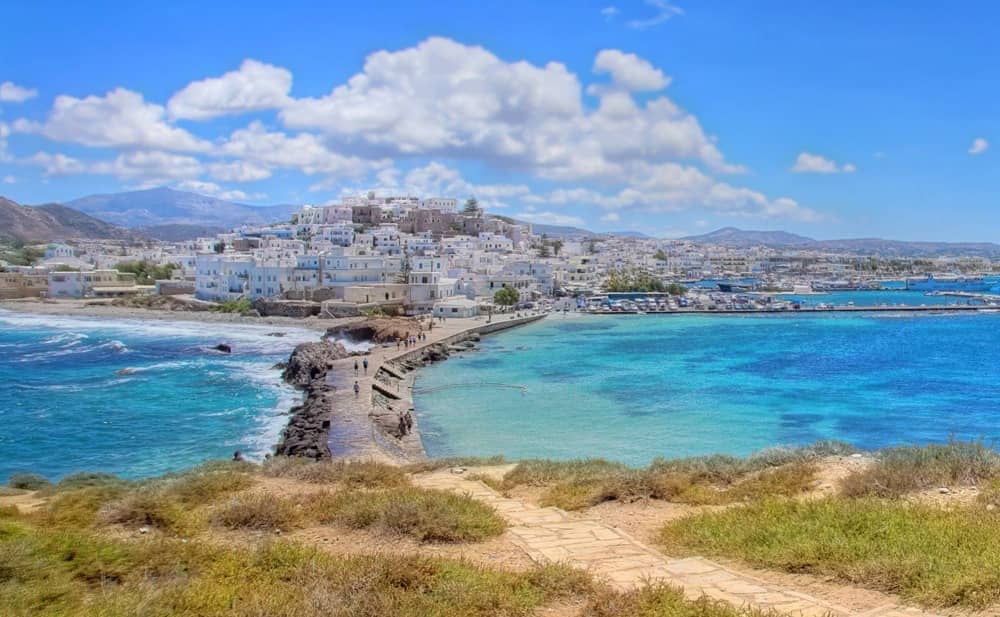
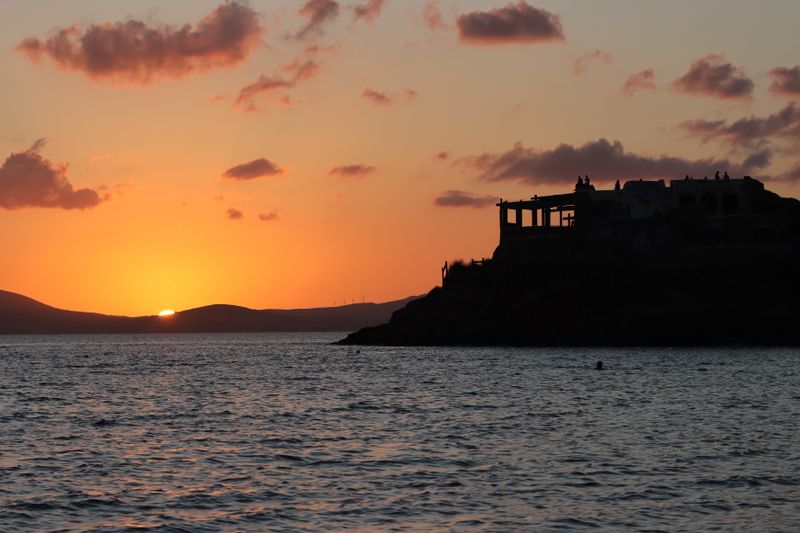
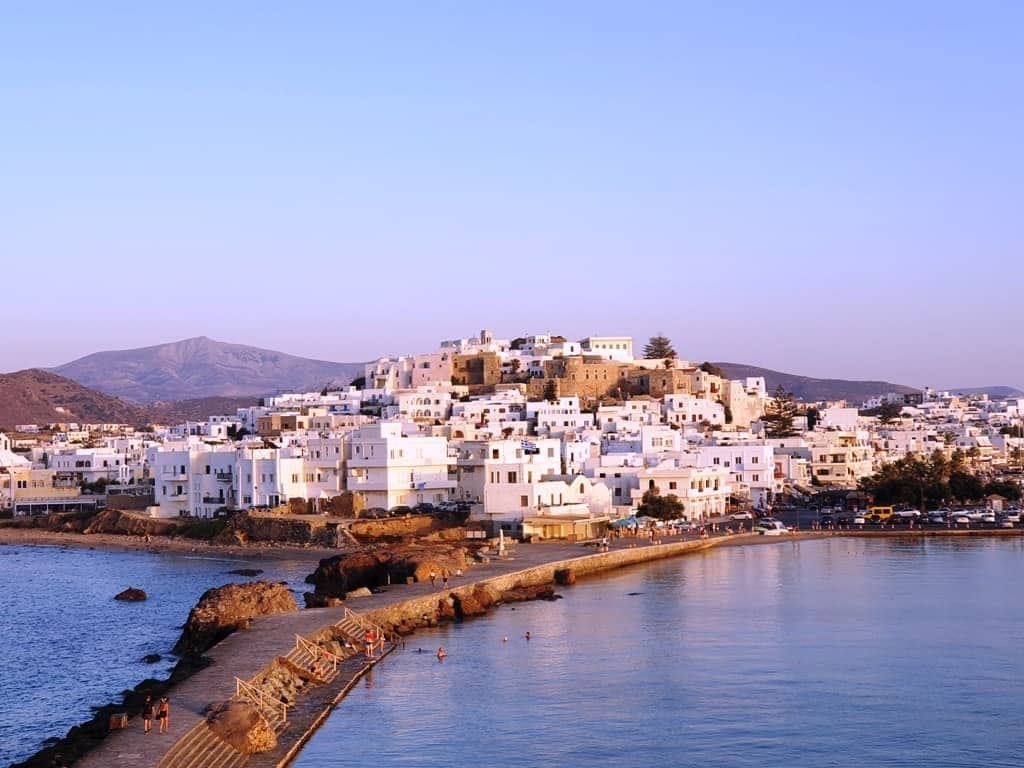
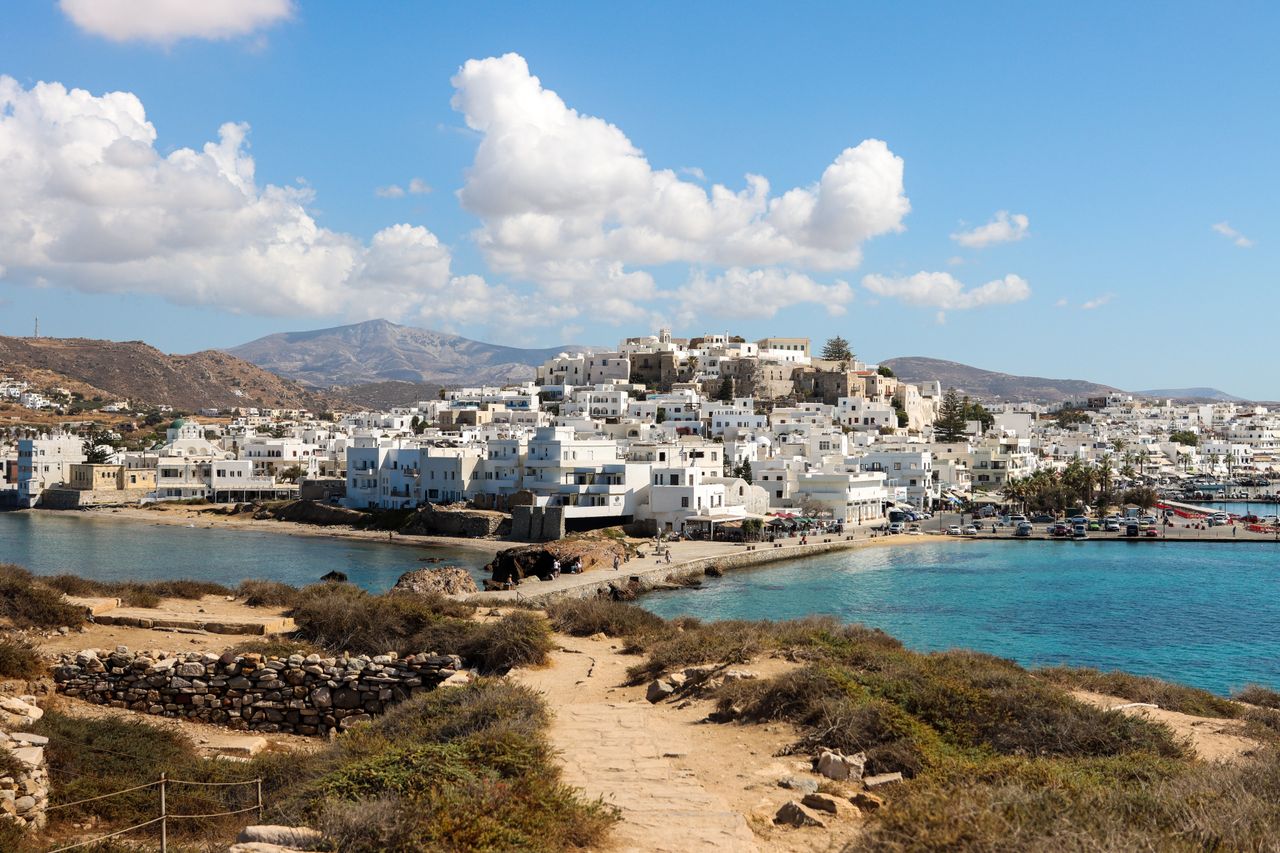
纳克索斯镇是一座层次丰富的城市,威尼斯的气派与基克拉迪的纯白在这里交汇。海滨满是热闹的餐厅、咖啡馆和商店,但真正的惊喜在山坡上的城堡区:13世纪的威尼斯城堡街区里有天主教堂和贵族塔楼民居,可以远眺整个港口。堤道半岛上的波塔拉,自然是看日落的不二之选。
- 波塔拉,框住日落的标志性阿波罗神庙之门
- 有中世纪宅邸和天主教堂的威尼斯城堡区
- 设在威尼斯时期校舍里的考古博物馆
纳克索斯完整旅游攻略:探索波尔塔拉神庙门、宙斯山与普拉卡海滩。当地专家独家提示、最佳旅游时间和2026年实用旅游建议。。立即规划,畅游爱琴海。
渡轮时长:取自 Ferryhopper 单日时刻表样本中最快的航班(2026年8月12日)。非实时数据;请在预订时核对时间。
海岛探索
塑造这座岛屿的村庄与海滩。点击章节即可前往,并将其加入您的行程。
村庄 · 纳克索斯镇(霍拉)
章节01 / 11
章节 01
村庄

纳克索斯镇是一座层次丰富的城市,威尼斯的气派与基克拉迪的纯白在这里交汇。海滨满是热闹的餐厅、咖啡馆和商店,但真正的惊喜在山坡上的城堡区:13世纪的威尼斯城堡街区里有天主教堂和贵族塔楼民居,可以远眺整个港口。堤道半岛上的波塔拉,自然是看日落的不二之选。
Touristas AI 会为您的日期核对渡轮、住宿与时间安排。
01 · 岛屿概况
纳克索斯是希腊基克拉迪群岛中最大的岛屿,土地肥沃,拥有普拉卡等绵长的沙滩和标志性的波塔拉大理石门。从雅典乘渡轮只需3.5小时(比雷埃夫斯至纳克索斯),在文化、美食和海滩的结合上,群岛中没有哪座岛比它更出色。从邻近的帕罗斯出发,帕罗斯至纳克索斯渡轮最快只要25分钟。
纳克索斯是基克拉迪的巨人,这个称号它当之无愧。430平方公里的面积让周边岛屿相形见绌:从希腊最长的几片沙滩,一路升高到云雾缭绕的扎斯山顶(1,004 m),那是基克拉迪群岛的最高峰。港口小镇上有一座13世纪的威尼斯城堡,内陆山谷出产爱琴海最好的土豆、奶酪和柑橘,而山村里的时间,仿佛是以世纪而不是以年来计算的。
古希腊人认为纳克索斯是最受眷顾的岛屿。神话中,忒修斯抛弃阿里阿德涅之后,狄俄尼索斯在这里找到了她,并赐予这座岛永恒的丰饶。这份丰饶随处可见:铺满特拉格亚山谷的橄榄林和柑橘园,为古代世界各地雕塑家供应石料的大理石采石场,还有宏伟的波塔拉。这座巨大的大理石门是僭主吕格达米斯始建的公元前6世纪阿波罗神庙的入口,已屹立2,500年,每天傍晚都把帕罗斯上空的落日框在其中。
如今的纳克索斯已成为基克拉迪最全面的家庭度假地,却丝毫没有失去原汁原味。西海岸有绵延数公里的金色沙滩和浅浅的碧绿海水:阿吉奥斯普罗科皮奥斯、阿吉亚安娜和普拉卡一向跻身希腊最美海滩之列。内陆的阿佩兰索斯(“大理石村”)、菲洛蒂和哈尔基等村庄,保留着石塔、民间音乐和手工艺传统构成的山地文化。还有美食:纳克索斯的格拉维埃拉奶酪获得了PDO原产地保护,阿尔塞尼科奶酪要在山洞里陈放至少六个月,小小的本地土豆长在火山土里,基特隆利口酒则用香橼叶蒸馏而成,这种香橼在基克拉迪其他地方都没有种植。
“在纳克索斯,群山记得众神,大海亲吻着最长的海滩,每一餐都让人尝到大地的慷慨。”
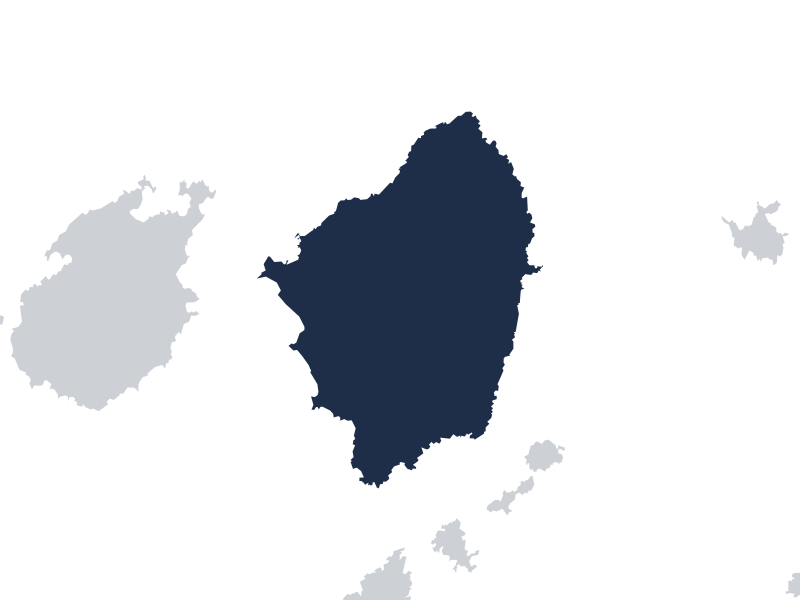
02地图位置
03 · 住宿推荐
想看波塔拉日落、逛城堡区,就住纳克索斯镇(霍拉),这也是我们给首次到访者的默认推荐。如果海滩优先,就选阿吉奥斯普罗科皮奥斯或普拉卡(浅滩沙地,适合家庭)。浏览纳克索斯酒店,或查看完整的纳克索斯住宿指南。
区域 01威尼斯与基克拉迪交融的首府
纳克索斯镇是一座层次丰富的城市,威尼斯的气派与基克拉迪的纯白在这里交汇。海滨满是热闹的餐厅、咖啡馆和商店,但真正的惊喜在山坡上的城堡区:13世纪的威尼斯城堡街区里有天主教堂和贵族塔楼民居,可以远眺整个港口。堤道半岛上的波塔拉,自然是看日落的不二之选。
 区域 02
区域 02大理石村
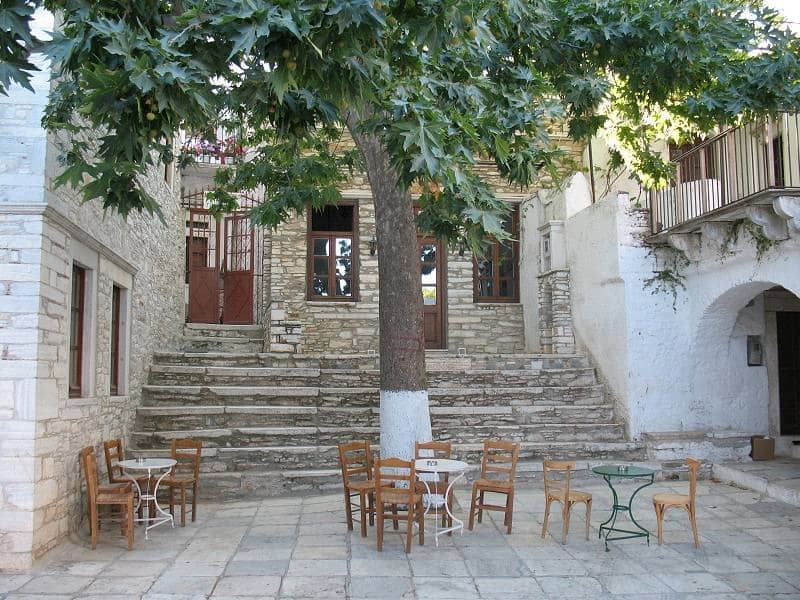
阿佩兰索斯是纳克索斯最有特色的村庄,全部用本地大理石和灰色石头建成,与典型的基克拉迪白色风格截然不同。村子由克里特难民建立,至今保留着自己的方言、民歌和强烈的独立性格。狭窄的大理石小巷蜿蜒穿过塔楼民居、四座小博物馆和传统咖啡馆(kafenia),村里的老人们在那里一边喝希腊咖啡一边争论。
 区域 03
区域 03柑橘之村
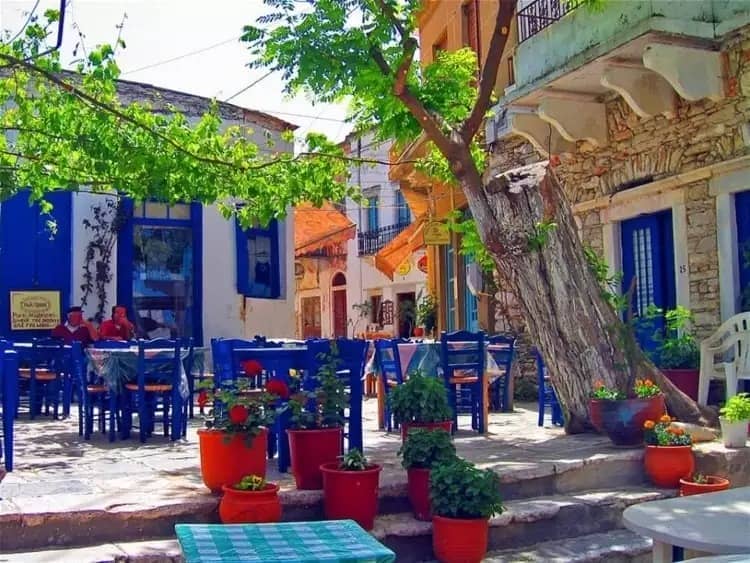
哈尔基曾是纳克索斯的商业中心,位于特拉格亚山谷中心,四周环绕着橄榄林和柑橘园。瓦林德拉斯基特隆酒厂自1800年代起就在这里酿造岛上的柑橘利口酒。附近的拜占庭教堂普罗托斯罗尼圣母教堂(6–7世纪)保存着基克拉迪最古老的一些壁画。
 区域 04
区域 04山地门户
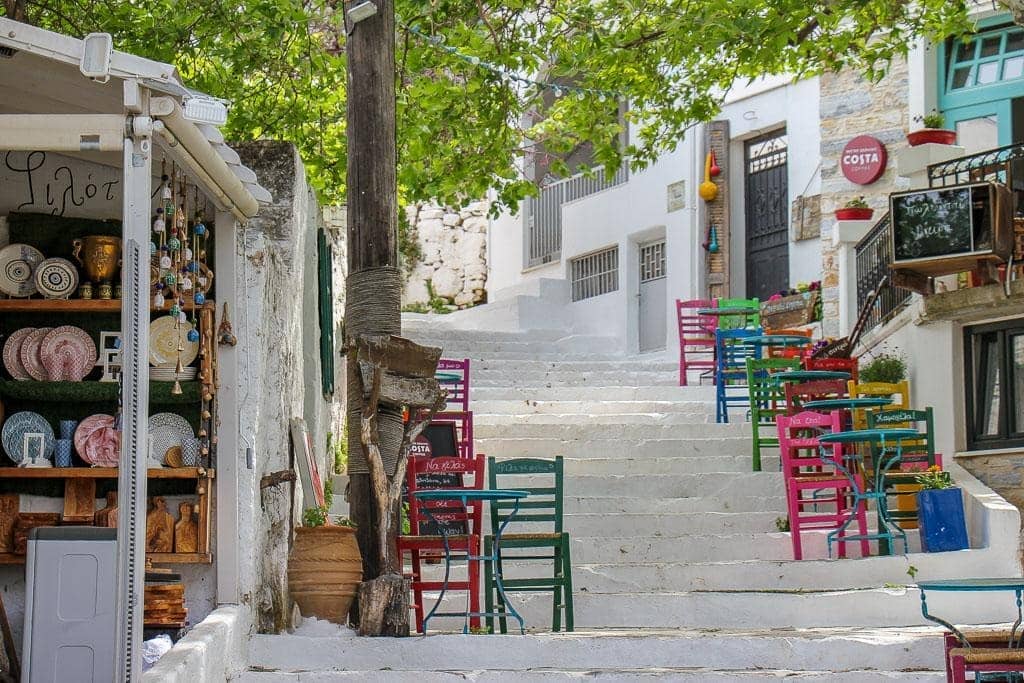
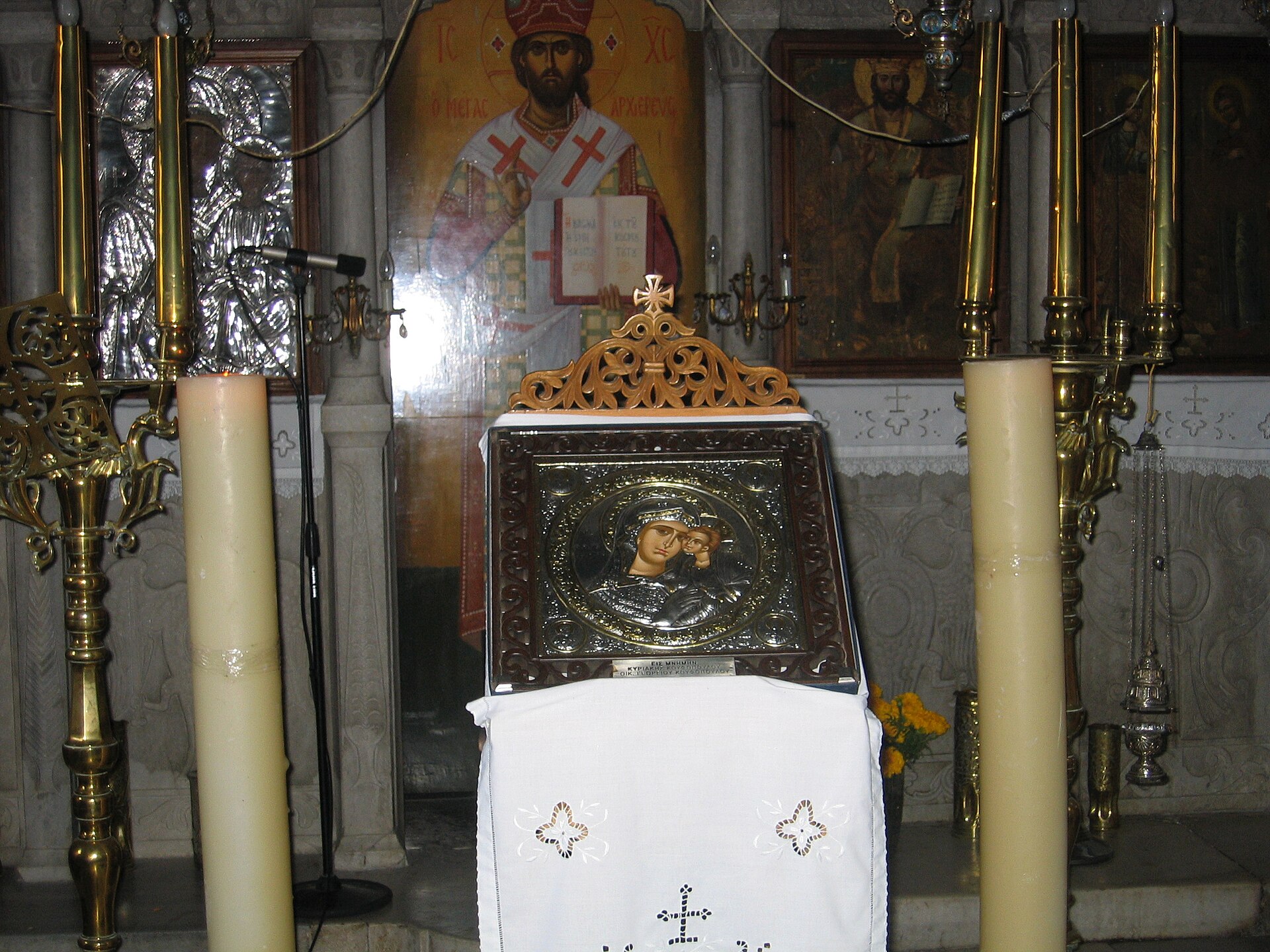
菲洛蒂是纳克索斯最大的山村,白色房屋在扎斯山脚下围成一座圆形剧场。这里是登顶徒步的起点,还有几家出色的小酒馆,供应山里养的肉和本地奶酪。气势恢宏的菲洛蒂蒂萨圣母教堂俯临中心广场,村里的生活都围绕着广场上的咖啡馆展开。
 区域 05
区域 05隐秘的圆形剧场
Photo: Zde, CC BY-SA 4.0, via Wikimedia Commons
科罗诺斯紧贴在纳克索斯东北部陡峭的山坡上,白色房屋在梯田之间层层倾泻而下。它是岛上最偏远、最传统的村庄之一,以金刚砂开采历史、烈性的本地拉基酒和8月热闹的宗教节庆(panigiri)闻名,届时全岛的人都会赶来听音乐、跳舞、一起吃饭。
04 · 故事
希腊神话中,忒修斯抛弃阿里阿德涅之后,狄俄尼索斯在纳克索斯找到了她并坠入爱河。酒神赐予这座岛非凡的丰饶,这里也成了狄俄尼索斯崇拜的中心。古代神庙、大理石采石场和巨大的波塔拉门,都证明了古人对这座岛有多么看重。
波塔拉是一座未完工的阿波罗神庙的大理石门,由僭主吕格达米斯于约公元前530年开始修建。如果当年建成,它将是当时希腊最大的神庙。这座高6米的大门由四块巨大的大理石砌成,已屹立2,500年,如今是全岛最具辨识度的象征。
1204年第四次十字军东征之后,威尼斯冒险家马可·萨努多征服了纳克索斯,建立纳克索斯公国,统治基克拉迪大部分岛屿长达三个世纪。纳克索斯镇的威尼斯城堡(kastro)里有天主教堂、贵族宅邸和塔楼民居,是爱琴海保存最完好的中世纪要塞城镇之一。
与大多数基克拉迪岛屿不同,纳克索斯从未完全依赖大海。肥沃的内陆养活了一代又一代农耕社区,出产闻名的格拉维埃拉奶酪(现已受PDO保护)、土豆、基特隆柑橘利口酒和橄榄油。阿佩兰索斯等村庄保持着独特的文化身份,有自己的方言、大理石建筑和民间音乐传统。

05 · 海滩
纳克索斯 的最佳海岸
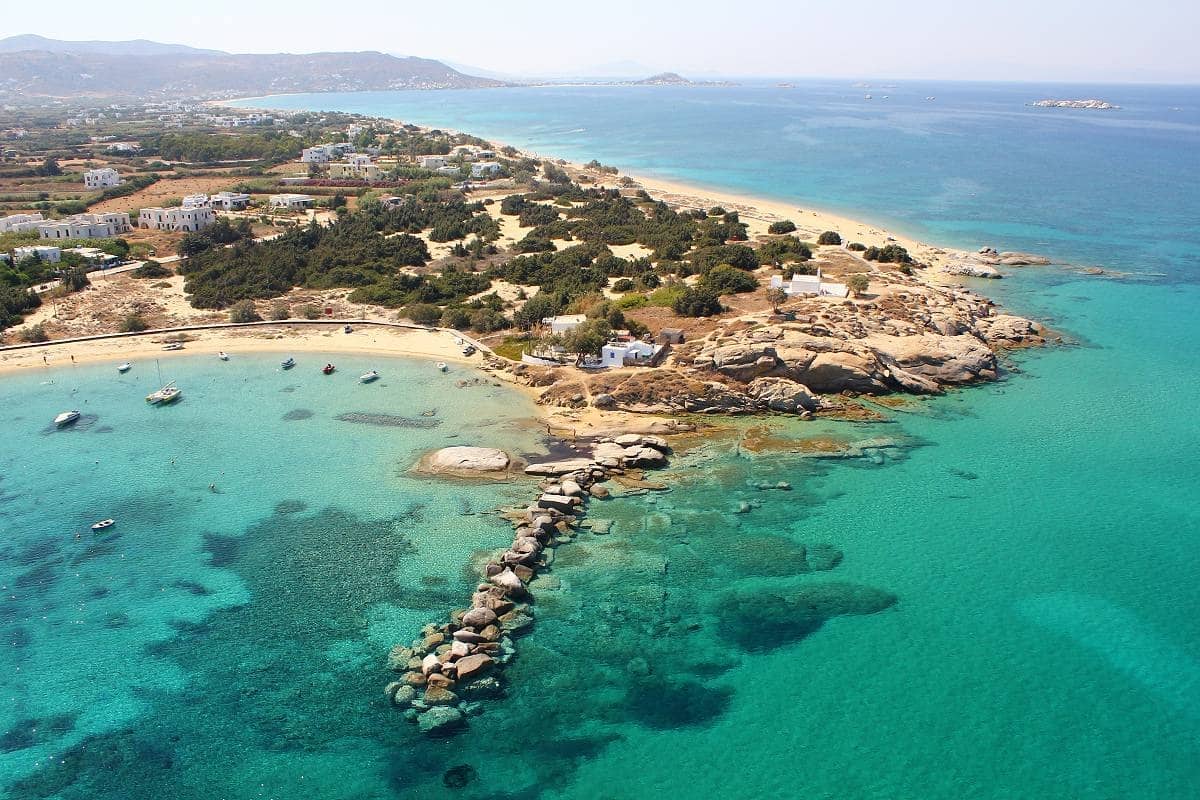 绵延、纯净01
绵延数公里的金色沙滩从阿吉亚安娜一路向南。越往南走越清静,有沙丘、雪松,海水清澈得泛出碧绿的光
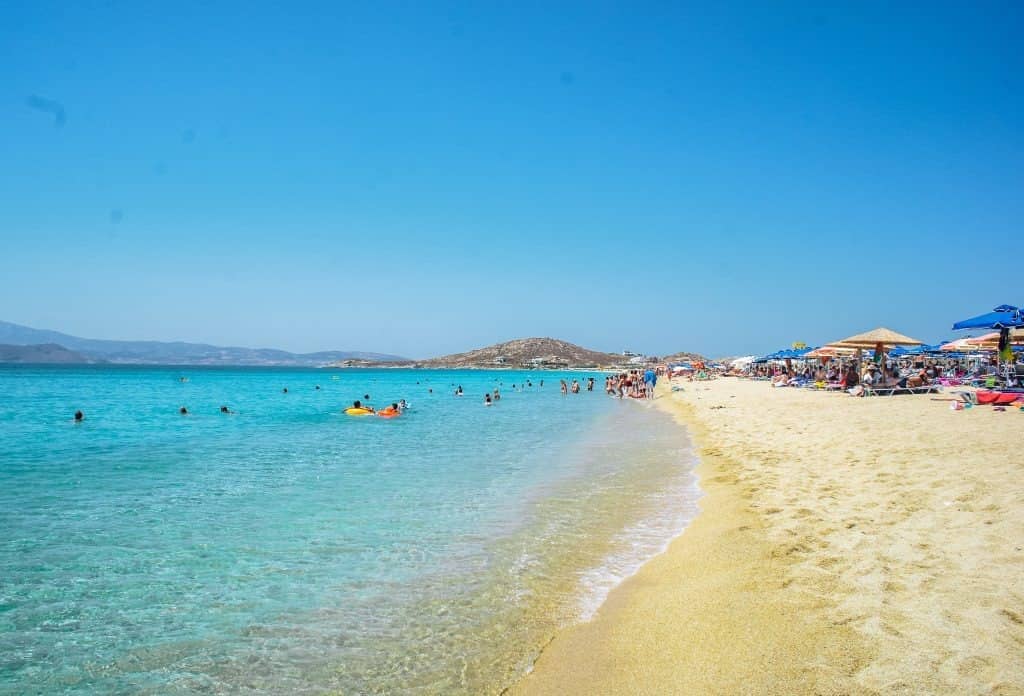 经典、适合家庭02
屡次被评为希腊最美海滩之一。开阔的海湾铺满细腻的金沙,碧绿的海水浅得像温热的洗澡水,设施齐全
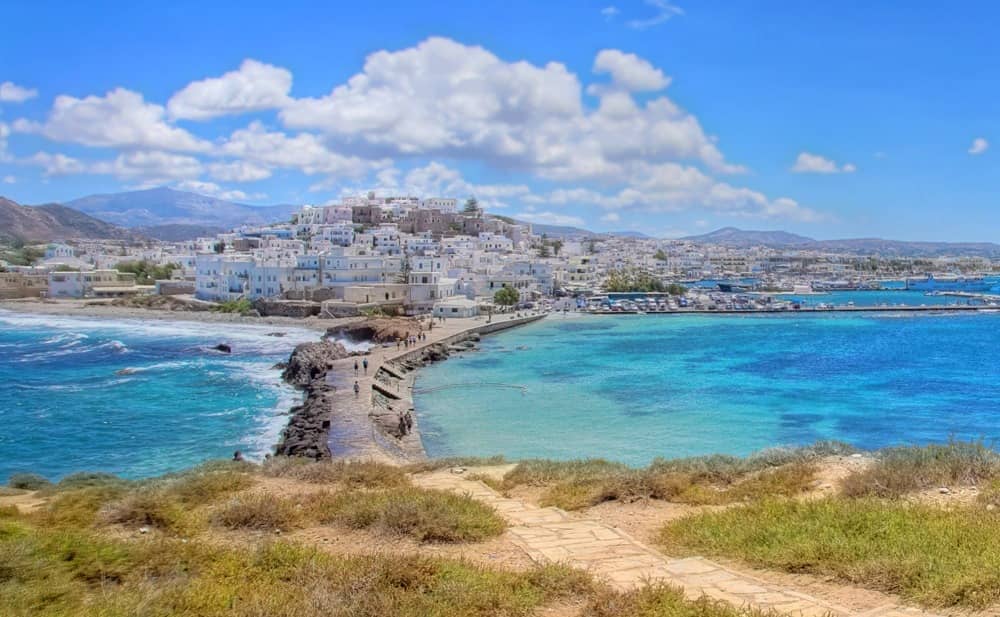 迷人、悠闲03
一片紧挨小渔港的小沙滩,柽柳提供天然树荫,离水几步远就有传统小酒馆供应烤鱼
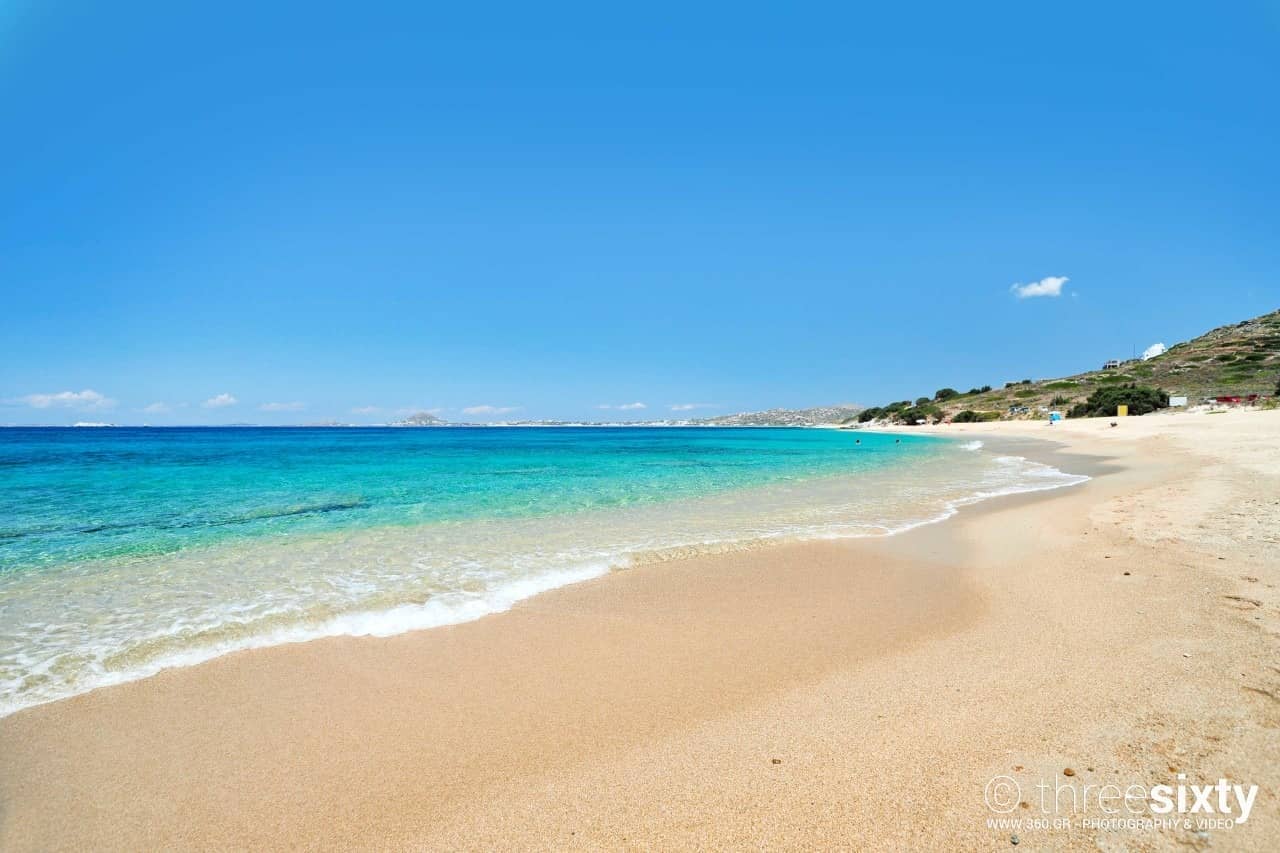 运动、壮观04
一座壮观的海岬把两个海湾分开。避风的南侧适合游泳;多风的北侧(撒哈拉)适合帆板和风筝冲浪。视线可一直延伸到帕罗斯。
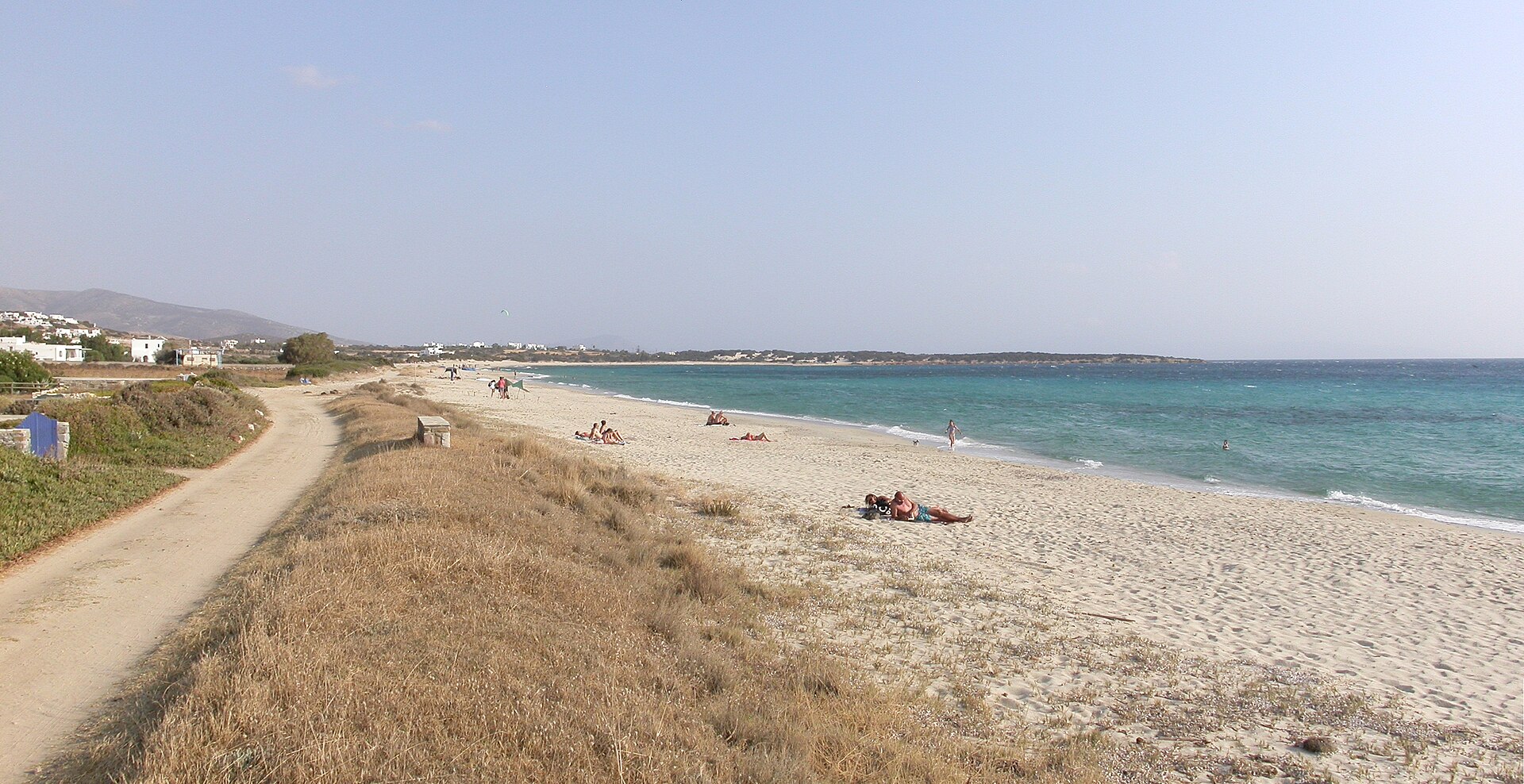 隐秘、野性05
Photo: Stepanps, CC BY-SA 4.0, via Wikimedia Commons
米克里维格拉以南一片未经开发的长沙滩,背靠沙丘和青翠的山丘。这是纳克索斯最美、人最少的海滩之一
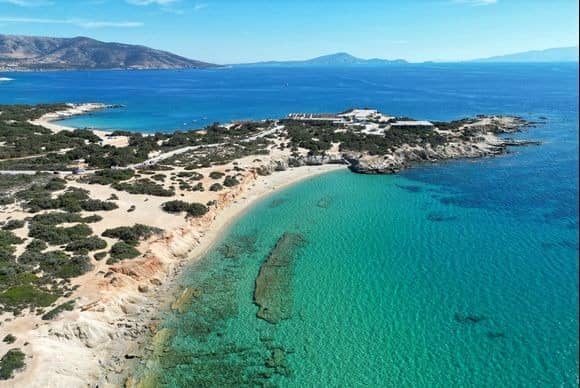 野性、天然06
岛屿南端一处受保护的海角,有雪松林、岩石小海湾和零星的沙滩。这里一座废弃酒店的遗迹已成了涂鸦艺术的画布
租车与全地形车
畅游纳克索斯每一处海滩
比较提供港口和酒店送车服务的本地租车公司。
租车 · 3 家本地合作伙伴
用您自己的交通工具探索每个海滩、村庄和隐秘角落
每天€20起
每天€20起
每天€30起
06 · 餐桌风味
基克拉迪最富饶的岛屿,从山地奶酪到柑橘利口酒,出产的食材让每道菜都更上一层楼
一种质地紧实、风味浓郁的PDO保护奶酪,以牛奶为主,加入绵羊奶或山羊奶制成。带坚果香,层次复杂,被公认为希腊最好的格拉维埃拉。
纳克索斯独有的陈年硬质奶酪,味道辛辣浓烈。传统上用山羊奶制作,在山洞里陈放至少六个月。
长在火山土里的金皮小土豆,口感绵密,风味浓郁。它是受保护的特产,也是全岛人的心头好。
用香橼树叶制成的柑橘利口酒,在纳克索斯已有150多年的酿造历史。分为三种浓度:绿色(甜)、黄色(均衡)和透明(干)。
纳克索斯版的经典焗意面,加入本地格拉维埃拉和阿尔塞尼科奶酪以及慢炖的肉,比希腊本土任何版本都更浓郁。
在纳克索斯山区吃野生香草长大的散养羊,配土豆和柠檬慢烤。这是岛上逢年过节必上的菜。
07 · 岛上一日
从日出到日落的 纳克索斯
趁人潮到来之前沿堤道走到波塔拉,看太阳从那座未完工阿波罗神庙的巨大大理石门中升起。古老的石头在晨光中泛出琥珀色的光。从港口步行只要五分钟。
从菲洛蒂或阿里亚泉登山口出发,挑战基克拉迪最高峰(1,004 m)。山顶可360度俯瞰整个基克拉迪群岛,沿途还会经过扎斯洞(神话中宙斯的出生地)。
城堡区是纳克索斯镇的中世纪要塞街区。从设防的城门进入,寻找贵族塔楼民居,参观天主教堂(纳克索斯公国是信奉天主教的威尼斯人所建),再去设在昔日耶稣会学校里的考古博物馆看看。馆内的基克拉迪人像收藏尤其出色。
自驾或骑车穿越特拉格亚山谷,在哈尔基品尝基特隆利口酒,参观拜占庭时期的德罗西亚尼圣母教堂(希腊仍在使用的最古老教堂之一,有7世纪壁画),再去大理石村阿佩兰索斯,最后在菲洛蒂吃一顿山里的午餐。
到米克里维格拉多风的北侧玩风筝冲浪或帆板。平静的水面、稳定的风和沙质海底,让这里成为基克拉迪最安全、最适合初学的地点之一,有好几家学校开课。
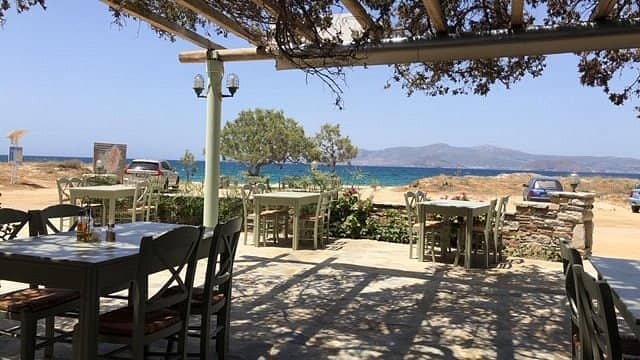
在菲洛蒂或阿佩兰索斯的梧桐树下坐下,吃慢烤羊肉、本地奶酪焗纳克索斯土豆、野菜和自制面包。这里的山间小酒馆供应着基克拉迪最好的一些传统菜肴,价格却公道得令人吃惊。
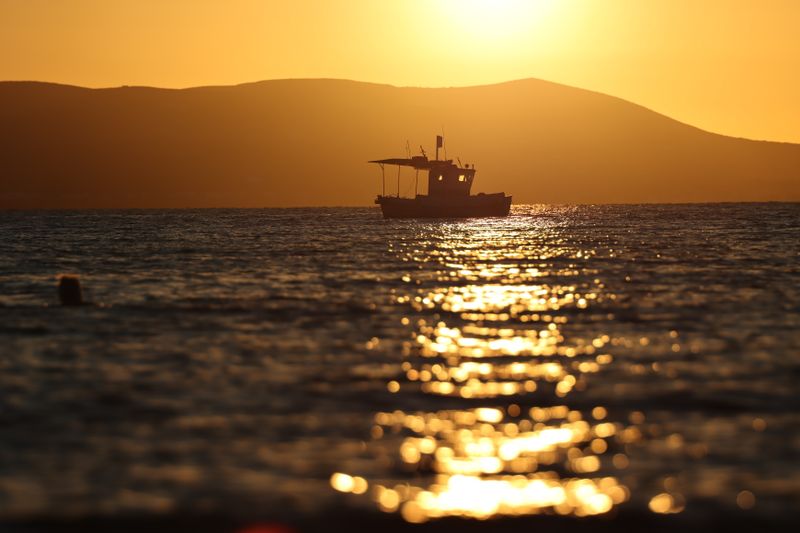
加入每晚聚在波塔拉的人群,看太阳沉到帕罗斯背后,被古老的大理石门完美框住。带上一瓶纳克索斯葡萄酒,坐在周围的遗迹上,看天空从金色变成深红。
游览与活动
预订纳克索斯精选体验
帆船出游、日落巡游、潜水与烹饪课程。
08 · 何时前往
为您的 纳克索斯 旅行寻找最佳时间
17-24°C
低 人潮
特拉格亚山谷野花遍野、最佳徒步天气、山村里的复活节盛宴
25-33°C
高 人潮
海滩旺季、狄俄尼索斯节(8月)、适合水上运动的风况、山村宗教节庆
21-27°C
中等 人潮
海水温暖、葡萄和橄榄采收、金色光线、极佳的徒步条件
10-16°C
非常低 人潮
山村生活照常、本地节庆、满眼青翠、扎斯山可能下雪
09 · 交通前往
渡轮路线及交通连接
从
高速船 / 普通渡轮
时长
3.5-5.5小时
价格
€32-55
从
高速船 / 普通渡轮
时长
30分钟-1小时
价格
€8-18
从
高速船 / 普通渡轮
时长
30分钟-1.5小时
价格
€15-30
从
高速船 / 普通渡轮
时长
1.5-3小时
价格
€20-40
从
高速船 / 普通渡轮
时长
1-2小时
价格
€15-28
10 · 跳岛游
纳克索斯可乘渡轮前往13座邻近岛屿。以下是来自我们完整基克拉迪渡轮目录的现行跳岛航线。
紧贴悬崖的霍佐维奥蒂萨修道院,以及《碧海蓝天》里清澈见底的海水。
起 €20
米洛波塔斯海滩、传奇夜生活,还有位于壮丽山顶、传说中的荷马墓。
起 €8.50
碧绿得不可思议的海水、天然岩石泳池,小基克拉迪的终极避世之地。
起 €7.00
纳乌萨的威尼斯古港、世界级帆板运动和大理石山村,就在海峡对岸。
起 €5.50
火山口、火山日落,地中海被拍得最多的岛屿。
起 €12.20
起 €6.50
起 €20
起 €20
起 €16.00
起 €20.00
起 €20
起 €94.70
起 €8.50
11 · 预订
渡轮、酒店、租车和区域指南:读完这篇纳克索斯指南后所需的一切。
12 · 出行须知
纳克索斯 旅行内幕提示
纳克索斯 · 2026 年更新
常见问题
有关 纳克索斯 的所有信息
电子报
每两周一封邮件:新海滩、渡轮变动、酒店优惠。绝无垃圾邮件。
免费基克拉迪 7 日行程
绝无垃圾邮件,可随时退订。