Спонсор: Booking.com
TL;DR: 60-секундный обзор
- 24 обитаемых острова, каждый со своей атмосферой — от тусовочного Миконос до гастрономического Сифнос.
- Узловые острова: Парос, Сирос, Санторини и Миконос для удобного паромного сообщения.
- Месяцы с лучшим соотношением цены и качества: Май–июнь и сентябрь–октябрь — теплое море, меньше людей, более низкие цены.
- Пиковый сезон: июль–август — отличное место для ночной жизни, но оживленное и дорогое.
- Инструмент планирования: Touristas AI на сайте Discover Киклады дает ответы в реальном времени на паром и рейс и строит индивидуальные маршруты.
- Бронируйте заранее: Летом ежедневно отправляется более 50 паромов, но расписание меняется в зависимости от ветра и погоды.
Что изменится на Кикладах в 2026 году
Киклады, это группа греческих островов в Эгейском море. В 2026 году их ждут большие перемены.
Ежегодно сюда приезжают миллионы. Острова больше не являются просто остановками «солнце и море». Каждый остров теперь предлагает что-то свое.
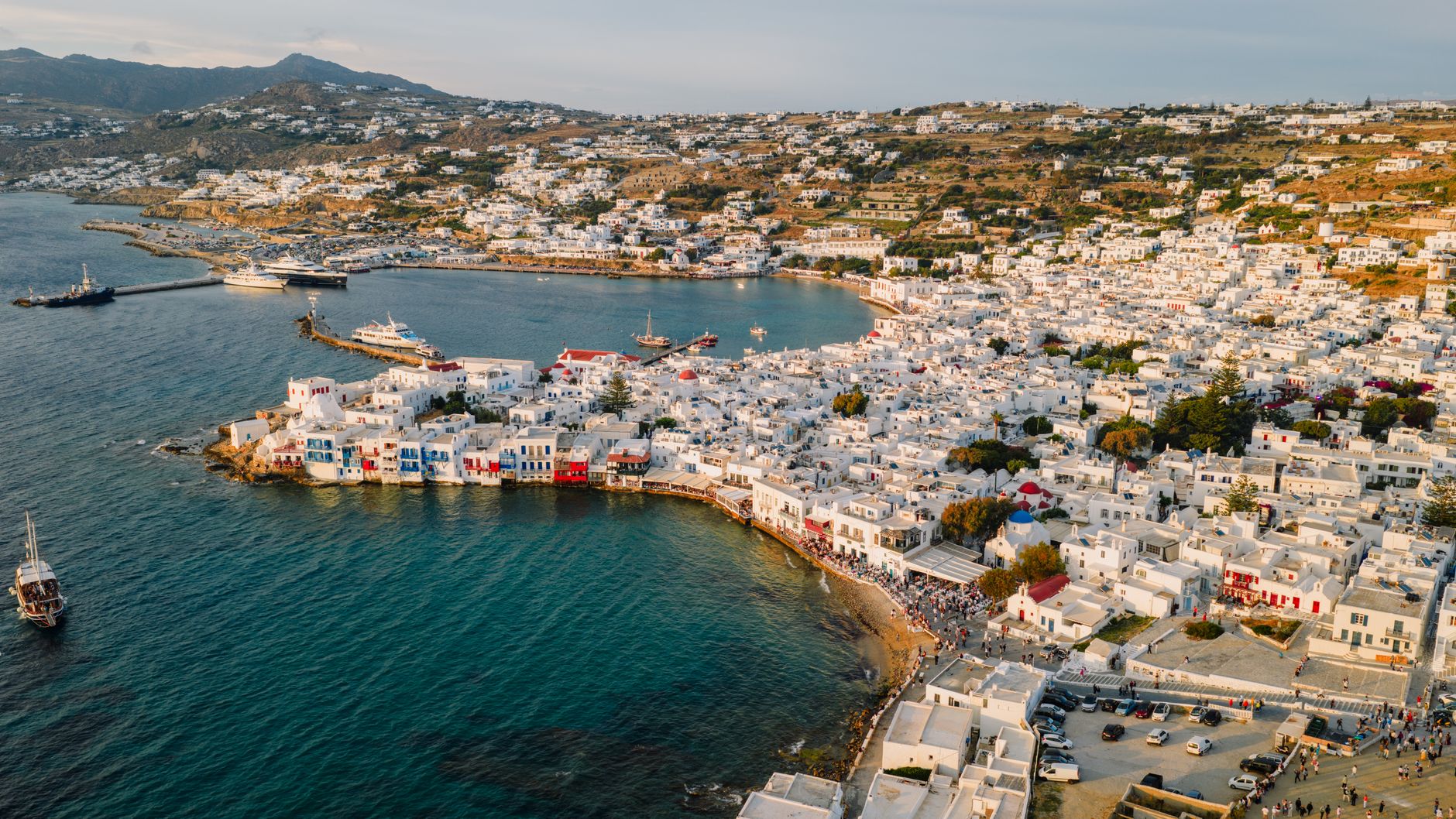
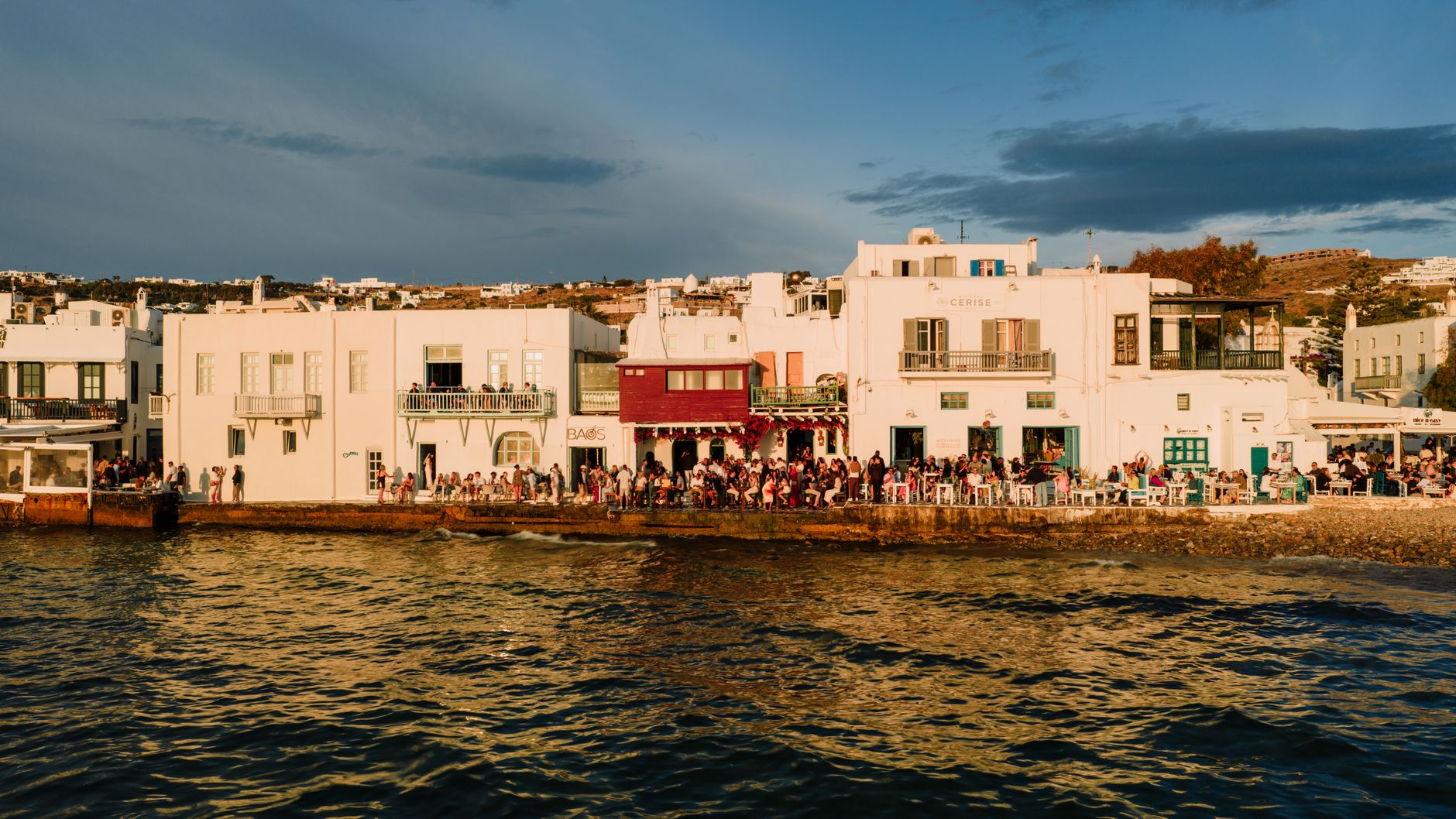
Миконос предлагает ночную жизнь и пляжные клубы. Санторини предлагает потрясающие виды на кальдеру. Sifnos, это тихое очарование группы, ориентированное на еду. Сирос отличается неоклассической архитектурой и атмосферой местного города.
Самый большой сдвиг? Цифровые инструменты теперь упрощают путешествие по островам. Touristas AI поможет вам планировать маршруты, выбирать острова и избегать головной боли при планировании.
Как Touristas AI упрощает путешествие по островам
Искусственный интеллект теперь встроен в планирование поездки на Discover Киклады. Touristas AI — это умный помощник в путешествиях на платформе. Это не просто чат-бот, а планировщик, знающий острова.
Устранение головной боли при планировании переправы
Координация 24 островов раньше требовала экспертных знаний. Сегодня существует более 50 ежедневных рейсов и множество операторов (Blue Star, Seajets, Golden Star Ferries).
- Мгновенные ответы, 24 часа в сутки, 7 дней в неделю: Информация о пароме и рейсе в режиме реального времени — даже если ветер Мельтеми вызывает изменения в последнюю минуту.
- Умные маршруты: предлагает лучший заказ на острова с учетом паромного сообщения, что сокращает время на пересадку.
Сопоставление островов
Touristas AI подберет ваш стиль путешествия к нужному острову.
- Еда и традиции: Попробуйте Сифнос.
- Водные виды спорта: отправляйтесь на Парос или Наксос.
- Скрытые сокровища: Откройте для себя Милос или Кифнос, распространение посетителей за пределы самых оживленных центров.
Парос и Антипарос: Центральный узел
Парос и Антипарос расположены в географическом центре Киклад. Они сочетают космополитическую энергию с аутентичной островной атмосферой.
Парос: остров универсалов
Парос сложно сравнить с чем-либо еще. Он сочетает в себе энергию Миконоса с традициями Наксоса.
Три города, которые стоит знать:
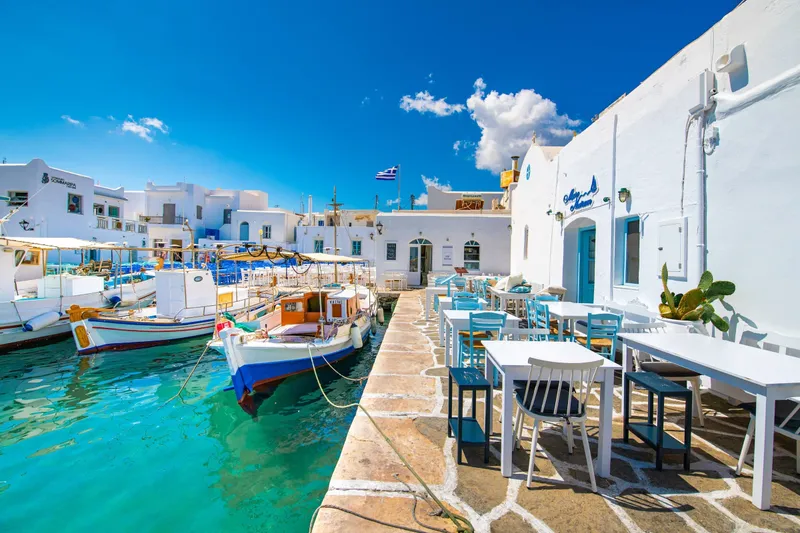
- Науса: Венецианский порт с затонувшим замком (Кастелли). Узкие переулки, коктейль-бары и лучшая ночная жизнь на острове.
- Парикия: главный порт и историческая столица. Не пропустите Панагия Экатонтапилиани (Церковь 100 дверей) и франкский замок, построенный из древнего мрамора.
- Лефкес: старая горная столица. Панорамные виды и начало Византийской тропы — тихо и красиво.
Лучшие пляжи:
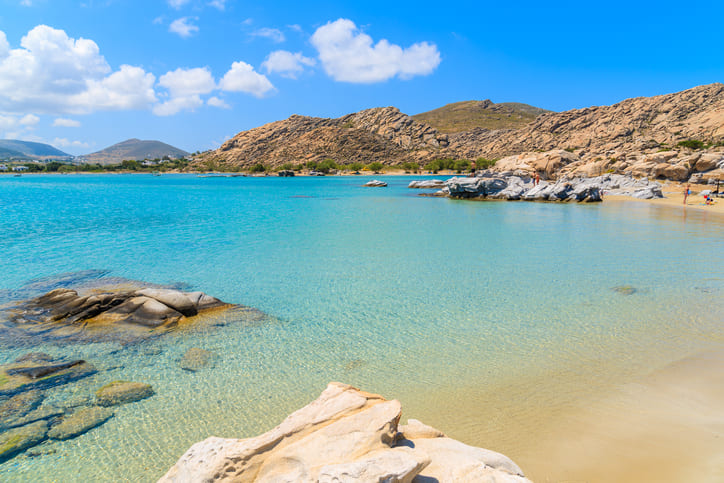
- Колимбитры: знаменитые гранитные скалы.
- Золотой пляж: Виндсерфинг и кайтсерфинг мирового уровня.
- Калогерос: курорт из натуральной глины на камнях.
- Санта-Мария и Пунда: Пляжные бары и светская жизнь.
Парос был заселен с 3200 г. до н.э. Его Парийский мрамор использовался для изготовления Венеры Милосской и Крылатой Победы Самофракии. Посмотрите карьеры в Маратхи и фрагменты мрамора в зданиях Парикии.
Антипарос: простой и особенный
На пароме из Пунты (Парос) за 7 минут можно добраться до Антипарос.
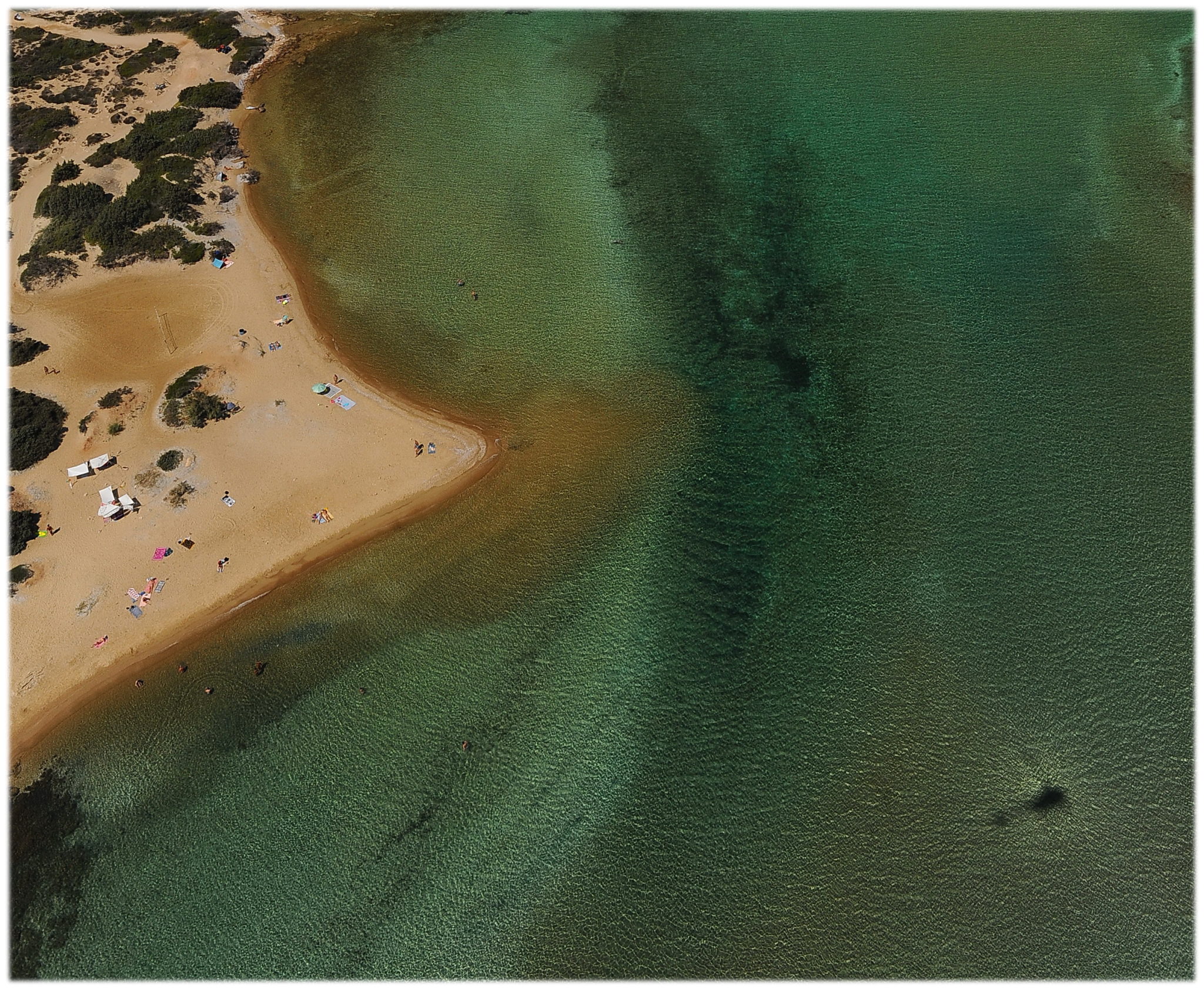
- Пещера: самая глубокая вертикальная пещера в Европе: 411 ступенек вниз, к сталактитам и древним надписям.
- Деспотико: Необитаемый островок с главным святилищем Аполлона — одним из лучших археологических памятников на Кикладах.
- Хора (Кастро): построен вокруг венецианского замка 15-го века. Неторопливая прогулка по пешеходной улице.
Сифнос: продовольственная столица Киклад
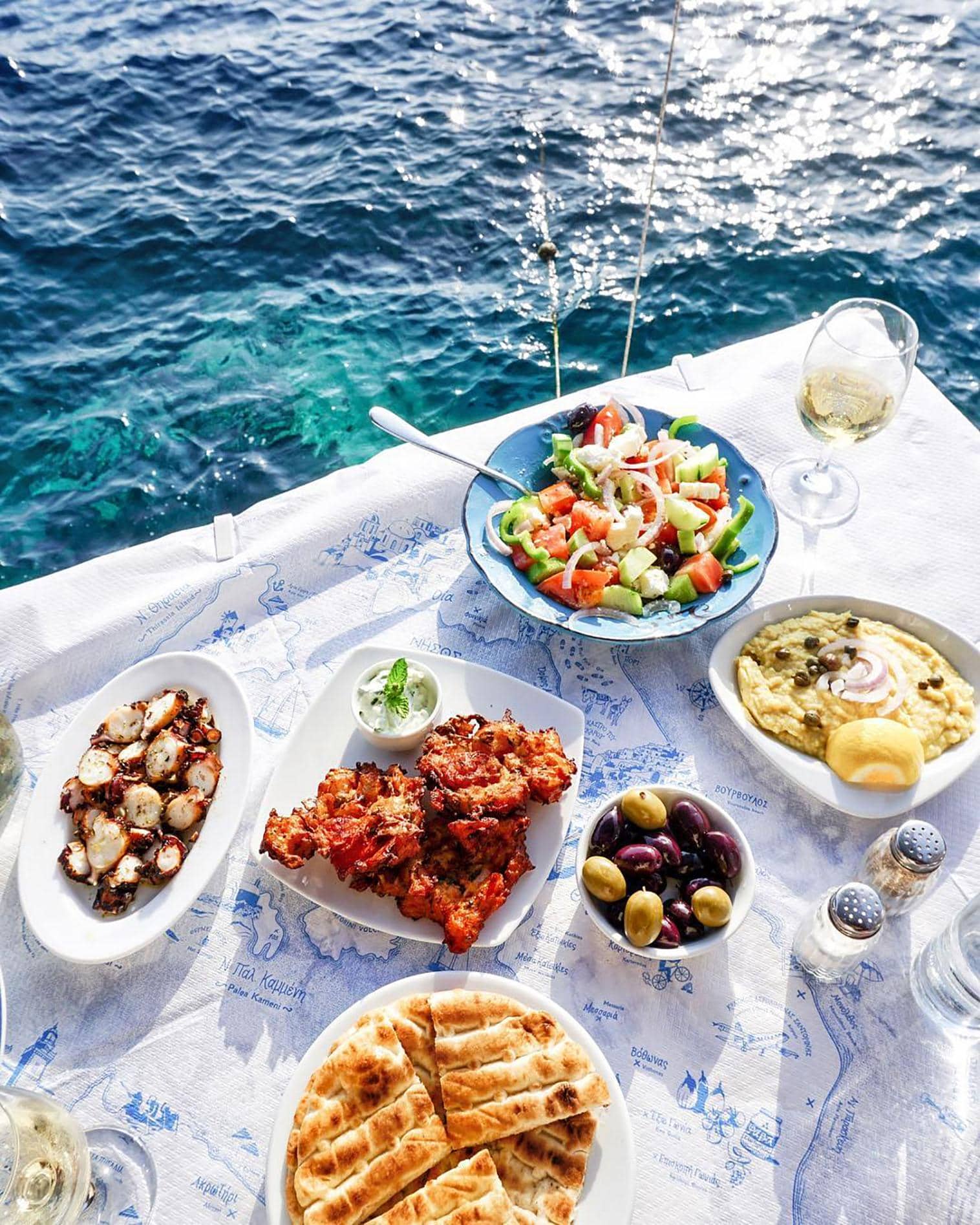
Сифнос, продовольственная столица Киклад. Это родина Николаоса Целементеса, отца современной греческой кухни. Здесь гончарное дело и кухня идут рука об руку.
Глиняные горшки и местные блюда
Сифнос имеет богатые залежи глины. Местные жители веками изготавливали кастрюли для приготовления пищи, и именно эти кастрюли формируют пищу.
– Ревитада: нут, приготовленный на медленном огне в глиняном горшочке в дровяной печи на ночь. Традиционный воскресный обед.
- Мастело: козлятина или баранина в глиняном горшке с красным вином и укропом, приготовленная на ветках виноградной лозы.
- Маноура: местный сыр, выдержанный в винном осадке, — пряный и самобытный. См. наш Кулинарный гид.
Деревни для посещения
- Аполлония: Столица. «Стено» — главная улица с ресторанами, барами и магазинами, работающими по ночам.
- Кастро: Средневековая укрепленная деревня на скале. Ниже находится часовня Семи Мучеников.
- Артемонас: неоклассические особняки и зеленые дворы.
Каждый сентябрь Кикладский гастрономический фестиваль Николаоса Целементеса собирает на Сифнос поваров со всех островов.
Санторини и Миконос: большая двойка
Эти два острова стимулируют греческий туризм. Они не могли быть более разными.
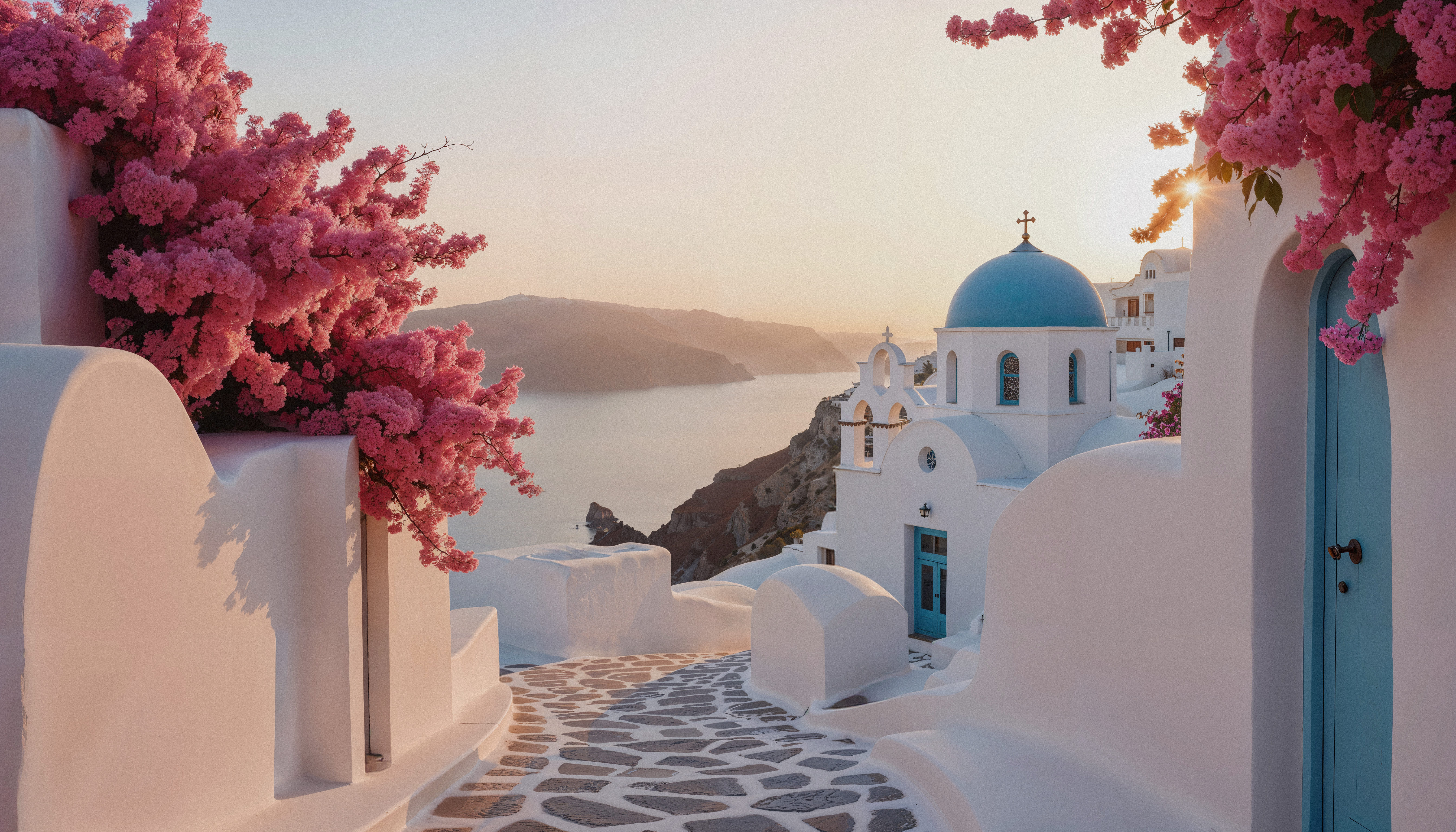
Санторини (Тира): вулканический остров
Санторини, геологическое чудо. Мощное извержение около 1613 года до нашей эры создало кальдеру, которую вы видите сегодня.
Деревни Кальдеры:
- Ия: Знаменитые закаты и роскошные пещерные отели.
- Фира. Столица — магазины, рестораны и виды на кальдеру.
- Имеровигли: «Балкон Санторини» — высочайшие виды, больше покоя.
Пляжи и вино:
- Красный пляж, Перисса (черный песок) и Вличада — все вулканические и уникальные.
- На острове производят вино Ассиртико. Ознакомьтесь с нашим Путеводителем по винодельням.
Миконос: остров вечеринок
Миконос означает развлечения, роскошь и свободу.
– Пляжные клубы: Psarou, Super Paradise и Paraga устанавливают стандарты. См. наш Путеводитель по пляжным клубам.
- Печально известная ночная жизнь: ветряные мельницы, Маленькая Венеция и ночные бары в Хоре.
- Делос: объект Всемирного наследия ЮНЕСКО и место рождения Аполлона — в нескольких минутах езды на лодке.
Сирос и Тинос: история и вера
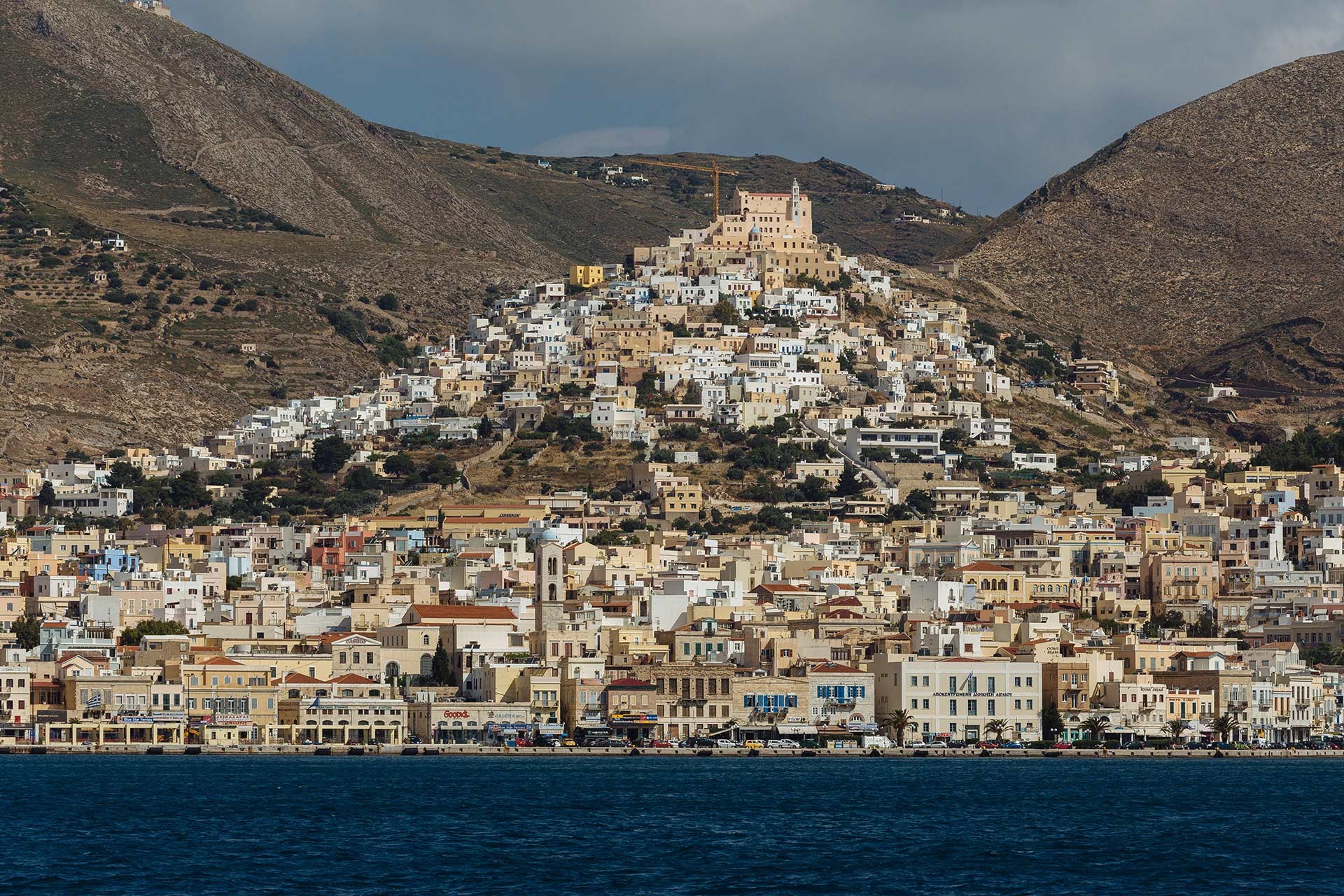
Сирос: элегантная столица
Сирос, столица префектуры Киклады. Он отличается от побеленных островов.
Эрмуполис – неоклассический город. Эрнст Циллер спроектировал Ратушу и театр «Аполлон» (миниатюра Ла Скала). Ано Сирос на холме — это средневековая католическая деревня со своим характером.
Тинос: Искусство и вера
Тинос, «Святой остров», где находится храм Панагия Евангелистрия. Это также центр резьбы по мрамору в Греции.
- Пиргос: Деревня-музей под открытым небом — место рождения скульптора Яннулиса Халепаса. Здесь все мраморное.
- Голубьи: по всему острову расположено более 1000 богато украшенных каменных голубятен.
- Волакс: Деревня, окруженная огромными круглыми гранитными валунами.
Растущие альтернативы: Фолегандрос, Кифнос, Милос
Ищете что-то помимо известных имен? Эти острова быстро растут.
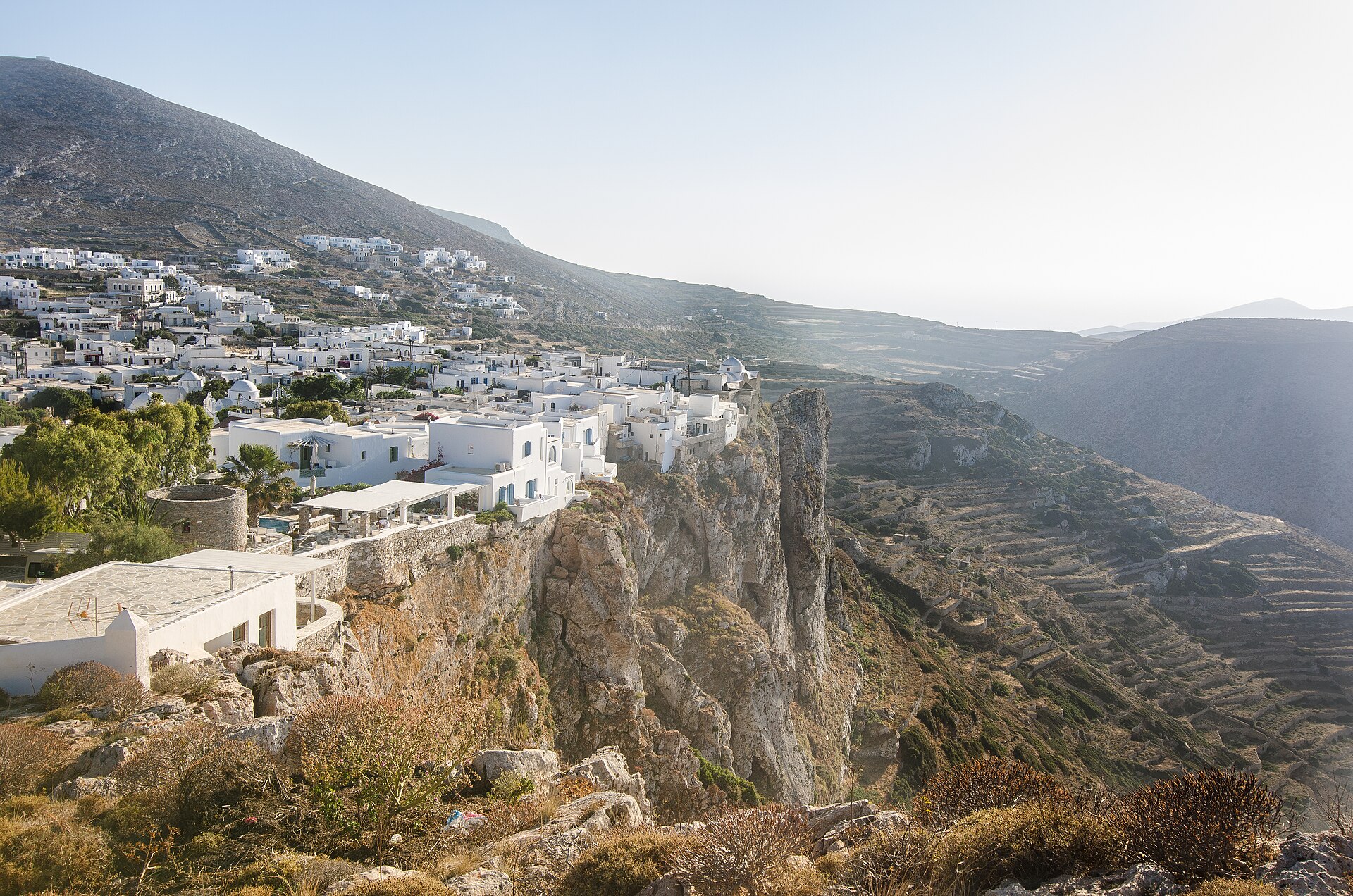
Фолегандрос: Драматический побег
Фолегандрос часто называют «альтернативным Санторини». Отвесные скалы и Хора, построенная на краю замка, делают его одной из самых красивых деревень на Кикладах.
Кифнос: аутентичный и термальный
На Китносе есть термальные источники в Лутре. Пляж Колона – это песчаная полоса, соединяющая остров с островком Агиос-Лукас. Это один из самых ярких видов Эгейского моря.
Милос: более 70 пляжей
Милос имеет более 70 пляжей. В Саракинико есть белые вулканические скалы, похожие на луну. Лучший выбор для пар и фотографов.
Паромы, погода и когда ехать
Отличное путешествие на Киклады сводится к логистике и времени.
Паромная сеть
Сеть густая. Главными транспортными узлами являются Парос и Сирос.
- Высокоскоростные паромы (Seajets и т. д.): быстро, но дороже. Возможна отмена при сильном ветре.
- Обычные паромы («Blue Star» и т. д.): медленнее, дешевле, устойчивее в бурном море. Доступные каюты.
Используйте Touristas AI для объединения маршрутов — расписания часто меняются. См. наш Путеводитель по паромам.
Фактор Мелтеми
В июле и августе ветры Мельтеми дуют с севера. Они охлаждают воздух, но могут задерживать скоростные паромы.
Проверьте погодные приложения. Спросите у Touristas AI выбор защищенных пляжей в ветреные дни.
Лучшие месяцы для посещения
– Июль–август: пик сезона. Лучшее место для ночной жизни. Самый загруженный и дорогой. – Май–июнь и сентябрь–октябрь: самое лучшее время. Теплое море, хорошая погода, низкие цены. Сентябрь – любимый месяц многих путешественников.
Заключение
Киклады в 2026 году останутся одним из лучших направлений в мире. Острова сохраняют свой характер, предлагая современные услуги.
Touristas AI упростил планирование поездки для всех. Хотите ли вы веры Тиноса, драмы Санторини, еды Сифноса или шума Миконоса, для вас найдется остров.
Нажмите кнопку чата ниже, чтобы спланировать поездку с Touristas AI.
Спланируйте поездку
Спланируйте даты поездки на Парос
Заранее организуйте паром, проживание и транспорт на острове для популярных дат.
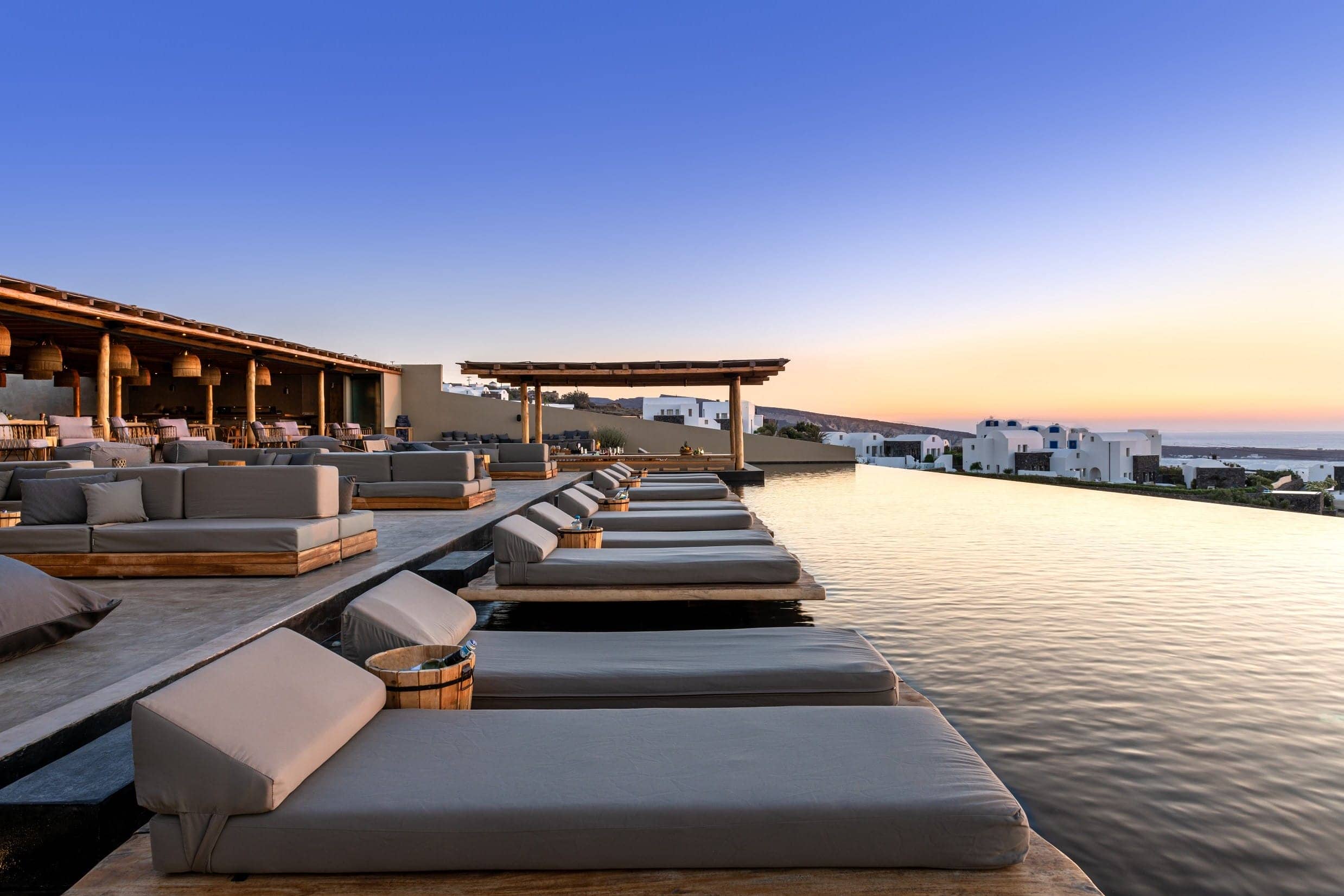
Athina Luxury Suites
Люксы с видом на кальдеру в Фире, с инфинити-бассейном и изысканной кухней.
Часть редакционной команды Discover Cyclades, местных жителей, которые переправляются на паромах, путешествуют пешком, едят и пишут об этих островах каждый сезон.