Patrocinado por Booking.com


Plan a Cyclades water-sports trip around the activity you want: windsurfing or kitesurfing lessons, a scuba programme, surface snorkeling, sailing or another beach-based session. Choose the location and instruction for your experience, then fit the activity into the rest of the stay.
For a Cyclades water-sports trip, use our Cyclades islands guide and individual island guides to compare bases. Then establish the provider, meeting point, participation requirements and terms of the actual lesson, hire or excursion.
Table of Contents

- Why Try Water Sports in the Cyclades
- Compare Water Sports Islands
- Windsurfing: Beaches and Lessons
- Kitesurfing: Beaches and Schools
- Diving & Snorkeling
- Sailing & Boat Activities
- Other Water Sports
- Choosing Travel Dates
- Booking Tips & Recommendations
- Safety & Equipment
- Frequently Asked Questions
Why Try Water Sports in the Cyclades
Choose the activity before choosing a beach. Windsurfing, kitesurfing, scuba diving and a boat excursion require different skills, equipment and conditions; a coast that attracts experienced riders may be unsuitable for someone's first lesson. Use this Cyclades guide to narrow the enquiries, then agree the precise meeting point and programme with the business running it.
Conditions to Compare
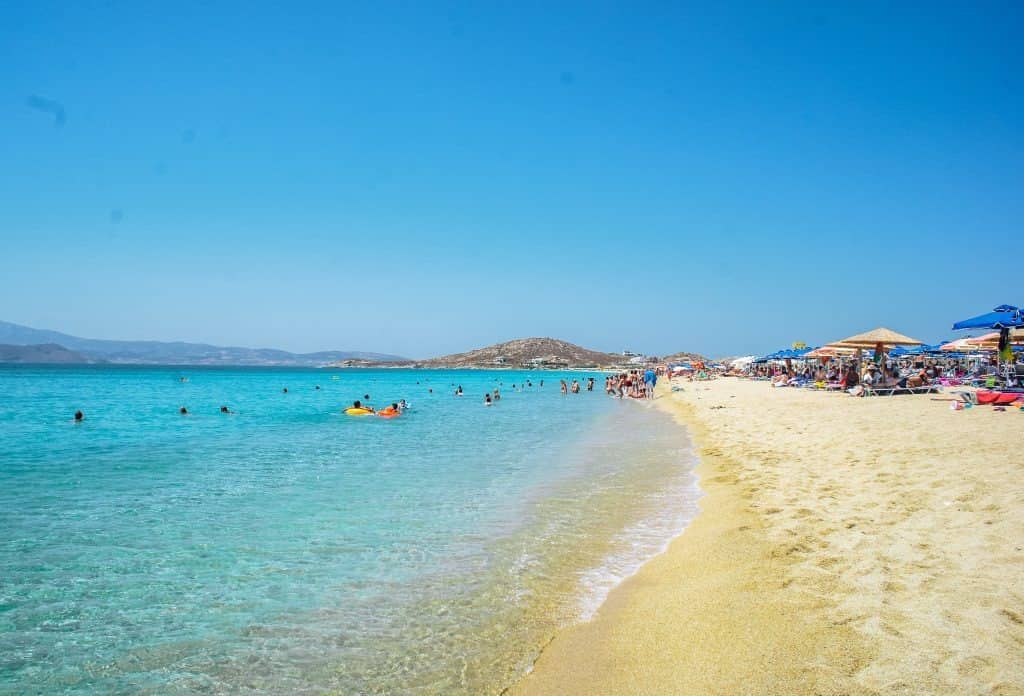
In the Cyclades, compare wind direction, sea conditions, the launch or entry area and the instruction available for your experience. A photograph of clear water cannot establish depth, currents or today's conditions. Neither an island's reputation nor a school's advertising certifies that a particular session suits you.
Beautiful Settings
Decide whether you want time on the water, a beach visit or a coastal view from a boat. They can be different outings. Establish how you reach the starting point, where belongings can be left and how the return works before choosing accommodation around an activity.
Variety of Activities
Board sports, diving, snorkeling and sailing are separate choices rather than an interchangeable beach package. Jet skiing, parasailing and towed activities need their own provider and participation checks. For a mixed group, compare what participants and companions would each be booking.
Compare Water Sports Islands
Paros and Naxos are useful starting points for researching windsurfing and kitesurfing. Mykonos, Milos and the other islands below call for a more specific enquiry about the activity, beach or departure point. This is a planning shortlist, not a ranking of safety, schools or conditions.
Paros: Windsurfing Beaches and Schools
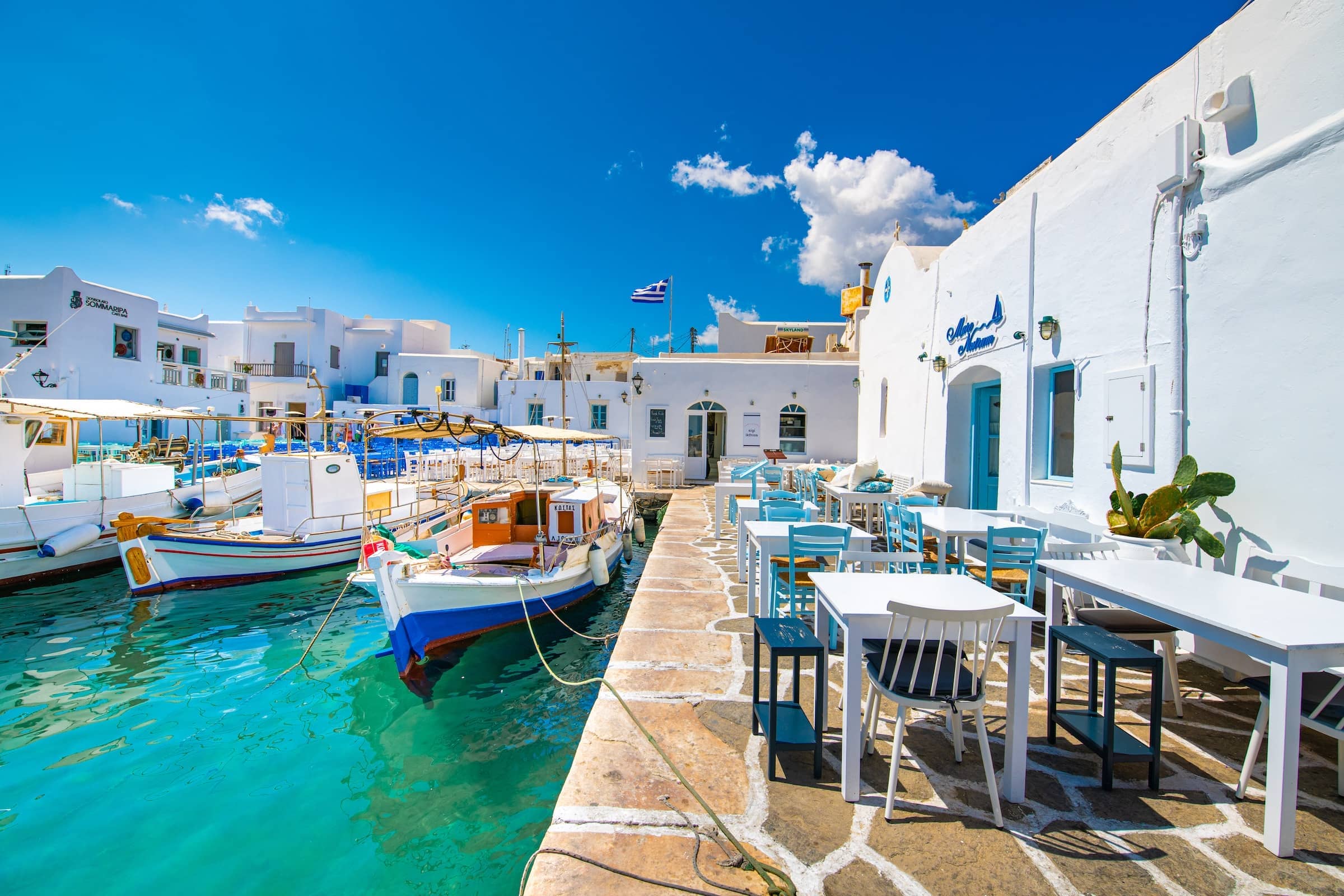
GNTO's Paros sea-activities guide identifies Chrysi Akti, usually called Golden Beach, for windsurfing and distinguishes Nea Chrysi Akti / Tserdakia. It also names Punta and Santa Maria in its kitesurfing discussion. Those names help locate enquiries; they do not establish today's instruction or equipment availability.
Ask which beach and launch area your school uses, whether the session is a first lesson or equipment hire, and what happens if the conditions change. Compare the journey from Parikia or your actual accommodation instead of relying on a universal drive time.
Plan the rest of the stay: use the Paros travel guide and things to do in Paros guide to compare places you could visit outside the session.
Naxos: Kitesurfing & Windsurfing Hub
The municipality's Greek Mikri Vigla description identifies two beach sections divided by rock: Parthena to the north and Limanaki to the south. Confirm the exact side and meeting point with the school; do not treat the whole area as one protected, shallow training lagoon.
For either kitesurfing or windsurfing, describe your actual experience and ask how the launch area, instruction and return arrangements fit it. A booking for a lesson and an independent equipment rental are different services. For snorkeling or a sailing outing, make a separate enquiry rather than assuming the same location or operator.
Plan the base: compare the Naxos travel guide and things to do in Naxos guide, including the journey between your accommodation and the named beach.
Mykonos: Variety of Water Sports

For Mykonos, identify the business and beach attached to a jet-ski, parasailing, water-skiing or other activity offer. A beach-club booking does not establish that equipment rental or an instructor is included. Ask where the activity starts and how non-participating companions would spend the time.
Use the Mykonos travel guide to compare the accommodation location and return transport; do not assume a waterfront venue is the activity's boarding point.
Milos: Plan Diving and Snorkeling Separately
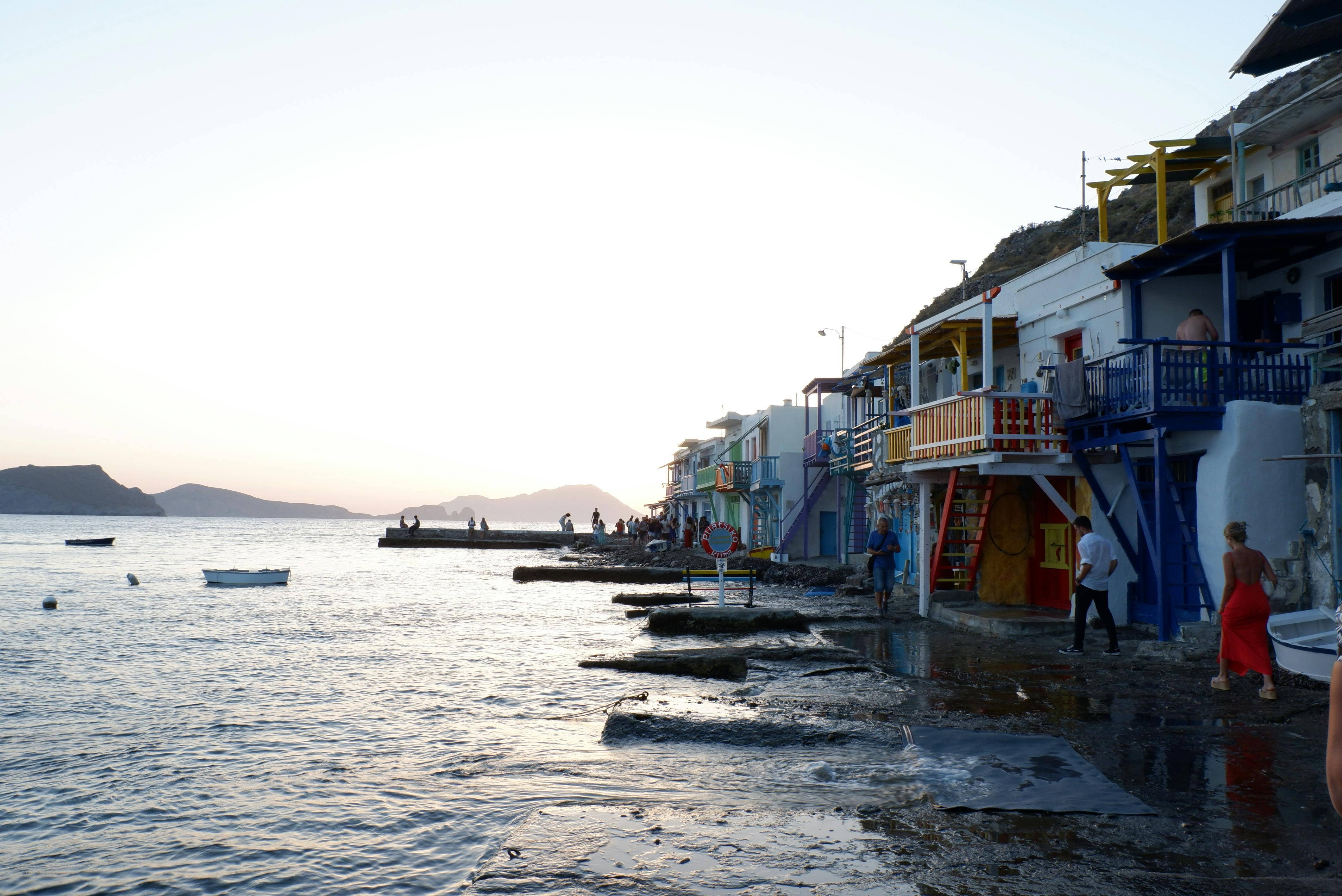
Choose between a scuba programme, a snorkeling outing and a boat trip along the coast. They may use different sites, starting points and equipment. A photograph of a cave or an itinerary naming Kleftiko does not establish that you will enter a cave, dive there or be able to land.
Ask the dive professional to assess the intended site against your certification and recent experience. For a snorkeling or sailing trip, clarify time in the water, supervision, boarding and the return. The Milos travel guide helps you fit the actual departure point into the rest of the stay.
Other Islands to Consider
For Koufonisia or another Small Cyclades stay, distinguish a shore visit from an organised snorkeling or boat activity and establish the actual provider. Clear-looking water is not a suitability assessment.
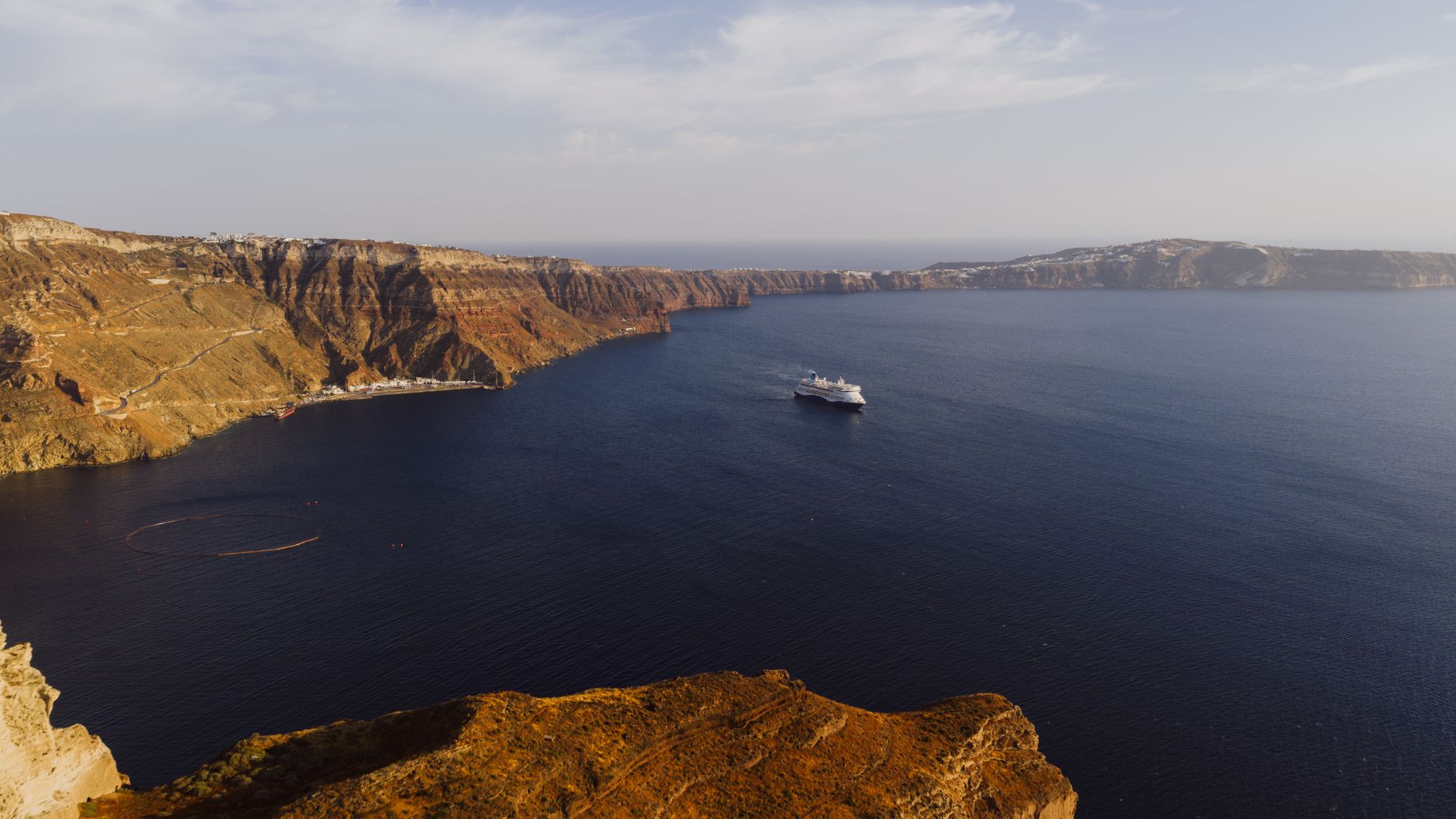
For Santorini, compare the stated sailing or diving departure point with your accommodation. For Ios, identify the particular beach and activity business rather than assuming every organised beach has the same equipment or programme.
Windsurfing: Beaches, Conditions and Lessons
A useful windsurfing choice connects a beach, a school and the conditions needed for your session. Start with the location, then compare instruction and equipment; a destination's reputation cannot do that assessment for you.
Compare Windsurfing Locations
On Paros, distinguish Golden Beach / Chrysi Akti from Nea Chrysi Akti / Tserdakia and ask the school to confirm its precise base. On Naxos, identify the bay in the Mikri Vigla area rather than relying on a general map label.
For Mykonos, Santorini or another island, establish whether the activity you want is actually offered for your dates before shaping the trip around it. Do not transfer the conditions or facilities of one named beach to a different coast.
Windsurfing Season
Compare May, June, July, August or September by the dates you can travel and the sessions a school can confirm. A summer wind pattern does not guarantee wind of the right strength or direction for a beginner. Conversely, a beach day that looks pleasant may not provide a useful windsurfing session.
Windsurfing Lessons
Tell the school whether you are starting from scratch, returning after a break or practising a specific skill. Ask about group size, instruction language, time actually spent training and how equipment is fitted. Agree whether the booking is one session or a course, without assuming a fixed number of hours produces a particular level.
Experienced riders should confirm what assessment precedes rental and which local operating limits apply.
Equipment Rental
Compare the actual board-and-sail package, duration and conditions of hire. Establish what is included, how equipment is checked and fitted, and the terms for damage, a shortened session or a weather change. Price the transport and any required extras with the rental.
The Paros travel guide is a starting point for planning the location; obtain the current equipment quote and operating instructions from the school.
Kitesurfing: Beaches and Schools
Choose the specific kitesurfing beach and school before selecting a course or independent hire. A broad claim about Naxos or the Cyclades cannot establish a suitable launching area, instruction or conditions.
Compare Kitesurfing Locations
At Mikri Vigla on Naxos, confirm the bay, the beach meeting point and the area used for launching. Its distinct shores should not be described as a universally protected beginner lagoon. Ask which conditions are required for your lesson and how the school decides whether to proceed.
For Paros, compare the exact provider and location; Punta and Santa Maria are enquiry points named by GNTO. For Mykonos and other islands, first confirm the service and date rather than assuming the same school infrastructure.
Kitesurfing Season
Treat May–September as dates to investigate, not a season-long promise of usable wind, opening hours or cheaper hire. Ask the school about the particular days and whether a multi-session course can move within your stay. Keep a land-based alternative for a session that cannot proceed.
Kitesurfing Lessons
A first course should be arranged as instruction, with the provider assessing your experience, water confidence and the session's conditions. Establish how the lesson is supervised and what assistance and return arrangements form part of the offer. Do not interpret a shallow-looking bay as permission to practise independently.
Returning or experienced riders should explain their recent practice and the equipment they use. Agree what the school needs to assess before independent hire; no fixed three-to-five-day programme guarantees a particular skill level.
Equipment Rental
Ask which kite, board and associated equipment the actual rental covers, how it is fitted, and what local assessment and restrictions apply. Clarify charges for damage or loss and the process if conditions change. A daily price without the hire period, included equipment and terms is not a comparable quote.
Use the Naxos travel guide for the wider stay and obtain the lesson or rental details directly from the chosen school.
Diving & Snorkeling
Scuba diving, surface snorkeling and viewing the coast from a boat are different activities. Choose the programme and site with the responsible professional; sea clarity and a destination photograph cannot establish a person's fitness, experience requirements or the day's conditions.
Choosing a Diving Location
For Milos, ask whether the proposed programme enters from the shore or a boat and which site is intended. Do not assume every dive is a cave visit or starts from the boat-trip harbour.
For Amorgos, Naxos, Santorini or Mykonos, identify the actual dive centre, programme and current meeting point. Compare how your qualification and recent diving experience fit the particular proposal, rather than treating an island name as a dive-site description.
Diving Season
For a June–September trip or an April, May or October visit, confirm the centre's dates and intended programme. Water temperature, visibility and access vary by site and day. A wetsuit or a summer date does not guarantee comfort, good visibility or that a dive will proceed.
Diving Courses & Certification
PADI explains the distinction between Discover Scuba Diving and certification: an introductory experience is not the same as completing an Open Water course. Ask which programme you would enrol in and what its participation requirements are.
PADI's certification FAQ describes knowledge development, confined-water practice and open-water training. Arrange the learning and in-water schedule before deciding how much of the holiday to allocate; do not treat a fixed course length as a guaranteed result.
Snorkeling
Compare a shore-entry plan with a guided outing or a snorkeling stop during a boat trip. Establish the actual water entry and exit, conditions and supervision; a boat itinerary's cave or cove name is not a recommendation to enter it yourself.
For Milos, Naxos, Koufonisia or another Cycladic island, plan the specific location rather than assuming every beach has hire equipment. Check the fit of a mask and fins with the provider, and explain any concerns about water confidence or mobility.
The Milos travel guide and individual island guides help with the wider journey, not with assessing a particular snorkeling site.
Sailing & Boat Activities
A sailing day in the Cyclades should be planned around the actual boat, departure point and return. A sightseeing cruise is not automatically a sailing lesson, and an advertised swimming stop depends on the selected outing and conditions.
Sailing Opportunities

Compare Santorini, Mykonos, Paros and Naxos through the trips you can actually join from your base. For any island, distinguish a day excursion from a multi-day charter, and verify the passenger meeting point separately from the ferry port. An island-hopping route needs its own boat, skipper and itinerary arrangements.
Types of Sailing Experiences
- Day trip: establish boarding and return times, intended stops and the amount of time available ashore or in the water.
- Sunset cruise: compare the departure point and evening return with your transport; do not assume dinner, drinks or a particular viewing position is included.
- Multi-day itinerary: agree the planned ports and the process for changes with the skipper or charter business. A private charter is not an unrestricted route guarantee.
- Private group: clarify the boat, permitted party and price for the complete booking, including separately charged services.
Boat Activities
For a catamaran or a traditional sailing boat, compare the actual vessel and boarding arrangements rather than inferring comfort or access from its category. Ask about the space your party can use, facilities and what a meal or snorkeling inclusion means in the selected offer.
Compare listed experiences on the activities page. For a longer route, use the island hopping guide, then confirm the charter's own departure and change arrangements.
Other Water Sports
Compare each activity separately: the equipment, participation limits and start point can differ even when several offers use the same beach name. A beach-club reservation is not proof that a water activity is available or included.
Jet Skiing
For a jet-ski offer, including one on Mykonos, establish who will operate it, what documents and participation requirements apply, and the permitted operating area. Ask the business and responsible port authority about the actual craft and rules; do not infer permission or an age limit from an old price guide.
Parasailing
For parasailing on Mykonos or elsewhere, ask about the operator's participation requirements, how launching and landing work, and what conditions may change or cancel the session. Compare the actual time and total price of the offer, not a generic per-session range.
Water Skiing & Wakeboarding
Explain whether you want a first lesson or a session using existing skills. Ask about instruction, the equipment and tow arrangements, fitting and the conditions needed for your level. A general beach-activities listing does not establish that a water-skiing or wakeboarding programme runs on your dates.
Kayaking
Compare a guided coastal outing with independent kayak hire. Establish the starting and finishing point, intended route, required experience and the process if conditions change. The ability to reach a cove by boat does not establish a suitable kayak route or an available landing.
Stand-Up Paddleboarding (SUP)
Choose the exact SUP location and instruction or hire arrangement. Ask how the provider assesses the wind, entry and return for your ability, and what fitted equipment is required. Smooth-looking water in a photograph is insufficient for choosing a route or judging a session's suitability.
Water Bikes & Pedal Boats
For a pedal boat or water bike, confirm the actual provider, participation limits, operating area and return time. A family label does not establish suitability for every age, swimmer or mobility need. Ask what is required for each person in your party before paying.
Choosing Travel Dates for Water Sports
Choose dates around the activity you want and the services you can confirm. Seasonal descriptions help frame an enquiry; they cannot establish wind, visibility, water comfort, a particular route or a school's opening on the day.
Windsurfing & Kitesurfing: Choosing Dates
For a May–September visit, ask a school which sessions can fit your experience and stay. Leave room in the programme for a weather change instead of assuming July or August produces a successful lesson. Compare the written quote rather than assuming May, June or September is cheaper or less busy.
Diving & Snorkeling: Choosing Dates
For April–October dates, confirm the centre or excursion first, then discuss the intended site and conditions with the responsible professional. Plan the equipment and time in the water for that programme; the month alone cannot establish visibility, temperature or comfort.
Sailing: Choosing Dates
For an April–October sailing plan, confirm the actual operator's dates and departure point, intended route and return arrangements. A sunset, meal or swimming stop is conditional on the selected trip. Read the change terms before choosing accommodation or another paid booking that depends on it.
Compare the best time to visit Cyclades guide and monthly weather guides, then use the current forecast and operator's assessment for the actual outing.
Booking Tips & Recommendations
For a Cyclades activity, compare what you are buying before comparing the headline price. Instruction, independent equipment hire and an excursion can have different participation requirements and terms.
Advance Booking

Prioritise a particular instructor, course or boat if it is central to the trip, and confirm the dates before making dependent bookings. A short stay leaves less room to move a session than several days in one base. Read the payment and weather-change terms; two-to-four-week and one-to-two-week rules do not prove availability or a better price.
Where to Book
- Direct operator: confirm the business that will conduct the activity, the booking reference and the contact for a change.
- Booking platform: distinguish the seller from the activity operator and read the selected offer's terms.
- Accommodation arrangement: ask which business is being booked and whether the activity is confirmed rather than merely requested.
Use our activities page to compare listed experiences. Verify the actual island, meeting point and date of an offer before committing.
What to Check Before Booking
Get a complete quote: activity or course, instruction, hire equipment, materials or certification fees where applicable, transfers and required extras. Establish group size, language, time at the activity and any experience or participation assessment.
Ask who supplies and maintains the equipment and what evidence supports any advertised qualification. Reviews can help frame questions, but cannot certify a provider's current authorisation, safety record or your personal suitability. Read change and cancellation terms, including the difference between an operator cancelling and your decision not to attend.
Published price examples, checked 4 November 2026. Use these named offers to compare the service, duration and pricing unit, then request a quote for your own dates.
Confirm the final payable total, availability and booking conditions for the date you choose. These two prices describe different services; they do not establish an island-wide price or an appropriate programme for a participant.
Safety & Equipment
Arrange an activity that fits your actual experience and requirements. A guide, professional credential or attractive location cannot guarantee a risk-free session. Obtain the briefing, equipment fitting and local operating instructions from the responsible provider.
Safety Considerations
- Conditions: check the current HNMS marine information and the operator's assessment for the site. A regional bulletin does not authorise a particular lesson or replace local restrictions.
- Experience: describe your recent practice, water confidence and any requirements the instructor needs to assess.
- Local layout: establish the launch, swimming and boat areas, entry and exit, and the agreed return.
- Assistance: learn the provider's communication and emergency procedure before starting; do not assume a rescue or particular response time is included.
Required Equipment
Ask the instructor or operator to identify and fit the equipment required for the session:
- Windsurfing and kitesurfing: board and sail or kite, the appropriate associated equipment, and any harness, helmet or flotation equipment the school specifies.
- Diving: agree the personal and rental gear with the centre, including mask, fins, exposure protection and the scuba equipment required by the programme. Clarify any separately charged item.
- Snorkeling: discuss mask, snorkel and fin fit, clothing for the conditions and any flotation or assistance required.
- Sailing: establish the vessel's safety equipment, including fitted lifejackets, and the briefing and assistance each passenger needs.
Use the provider's activity-specific briefing and instructions rather than treating this comparison list as training or a complete equipment checklist.
Insurance
Compare your policy with the actual activity, whether instruction or independent hire, and any applicable exclusions or excesses. Ask the provider what its insurance covers and how equipment damage or third-party liability is handled. An operator's policy and your own travel cover are different arrangements; neither a booking nor a signed form establishes comprehensive cover.
Frequently Asked Questions
Use these answers to prepare a specific enquiry. The activity, location, participant and date matter more than an island-wide claim.
Q1: Which Cyclades island is best for windsurfing?
A: Compare Paros's Golden Beach / Chrysi Akti with the exact Naxos beach and school you are considering. GNTO identifies Golden Beach and distinguishes Nea Chrysi Akti / Tserdakia; this is a useful starting point, not a measured ranking of Europe or a guarantee for your level. Confirm the school, launch area and session conditions.
Q2: Which Cyclades island is best for kitesurfing?
A: Investigate Mikri Vigla on Naxos and a specific Paros school, then compare the activity area and instruction. Mikri Vigla has distinct northern and southern shores; do not assume the whole place is a shallow, protected beginner lagoon. Tell the school your experience and confirm the precise bay used for the booking.
Q3: Do I need experience to try windsurfing or kitesurfing?
A: Ask for a beginner lesson rather than independent equipment hire, and explain your water confidence and any requirements the instructor needs to assess. Establish the teaching format, fitting and conditions required to start. A beginner course does not guarantee a skill level within a fixed number of hours or days.
Q4: What is the best time of year for water sports in the Cyclades?
A: Start with your travel dates and the programme a provider can confirm. Wind sports, diving and sailing need different conditions, so there is no single month that establishes suitability for them all. Keep room for a session or route change and recheck the actual forecast and operating decision during the stay.
Q5: How much do water sports cost in the Cyclades?
A: Published pages checked on 4 November 2026 show €170 per person for a two-hour private introductory kite lesson at Flisvos Kite Centre and a starting price of €65 for two hours of windsurf rental at Thalasea Sports. Confirm the selected date, service and final terms; a rental and a private lesson are different offers. Compare a current complete quote for the same service: instruction or hire period, equipment, group size, materials, transport and separately charged fees. Compare an introductory dive with the appropriate certification course as separate services. For a boat trip, distinguish the total for a private group from a per-person shared excursion. Read deposits, damage terms and cancellation conditions as well as the total.
Q6: Do I need to book water sports in advance?
A: Confirm ahead when a particular course, instructor, vessel or date is important. Check how much flexibility remains within your stay if a session moves. There is no universal booking deadline or promise of walk-in space; the relevant evidence is the actual offer and its payment and change conditions.
Q7: Is diving safe in the Cyclades?
A: Diving has risks, and a certification or equipment label cannot guarantee personal safety. Discuss your qualification, recent experience and the proposed site with the dive professional. Complete the programme's required screening and any medical assessment it calls for. An introductory experience and an independent certified dive are different activities; clarify which you would join.
Q8: Can I rent equipment without lessons?
A: It depends on the equipment, provider's assessment and local operating conditions. Explain your actual experience and ask what evidence or assessment is required before independent hire. A rental advertisement does not establish that a beginner can use the equipment without instruction or that every site is available.
Q9: What should I bring for water sports?
A: Obtain the provider's list for the exact session, including clothing, personal equipment, documents and anything needed for the journey and return. Ask where belongings can be left and what the package supplies. Do not assume every dive includes all gear or that a general beach packing list covers the activity.
Q10: Are there age restrictions for water sports?
A: Age and other participation requirements depend on the exact programme, equipment and applicable rules. Ask about each child or adult, including water confidence, fitting, supervision and any screening. A family-friendly advertisement does not establish that every activity is suitable for all ages or that every provider uses the same limits.
Q11: What if the weather is bad for water sports?
A: Follow the operator's instructions for a changed or cancelled session and check the written terms before booking. Establish whether rescheduling, another route or a refund would be offered, and what happens if no alternative fits your stay. Do not treat bad weather as an automatic refund entitlement or assurance that an advertised route can proceed.
Q12: Can I combine water sports with other activities?
A: Yes, you can plan other outings around an activity, provided the actual schedule and transport fit. Allow time for the briefing, changing, the return and any overrun before booking a meal, village visit or onward journey. For diving, discuss the rest of your travel schedule with the professional rather than assuming any combination is suitable.
Plan the wider stay with our island guides, ferry booking services and accommodation recommendations. For help organising choices, try the AI Trip Planner, then confirm activity details with the responsible provider or compare the listings on our activities page.
Organiza el viaje
Planifica tus fechas en Paros
Organiza ferry, alojamiento y transporte local antes de que se agoten las fechas más populares.

Athina Luxury Suites
Suites con vistas a la caldera en Fira, con piscina infinita y alta cocina.
Parte del equipo editorial de Discover Cyclades: lugareños que viajan en ferry, caminan, comen y escriben sobre estas islas cada temporada.