Patrocinado por Booking.com

Planning a Cyclades Trip from Australia

A Cyclades holiday from Australia involves more than the long-haul flight. Your international arrival, first Greek connection, island transfers and homeward flight all need to fit together. Start with the number of nights you can spend in Greece, then choose the islands and transport around those nights.
This guide covers flight comparisons from Australian cities, a Sifnos stay, two island-route ideas, seasonal decisions and practical preparation. Mykonos and Santorini can be part of the same trip as Paros or Naxos; a western Cyclades route brings a different set of ferry connections.
What to Consider When Travelling from Australia
Use your leave dates carefully. Count the outward and homeward travel days, local arrival dates and any connection night before allocating island stays. A holiday described as two weeks can leave fewer than fourteen nights in Greece.
Decide what you want to do. Compare beach time, villages, food, walking, archaeology and evening activities. Give the priorities enough time instead of changing islands every night.
Read current travel advice. Greece has earthquake, wildfire and other weather hazards. Follow current Smartraveller advice and local instructions for the places you will visit. Keep important transport connections flexible where the booking conditions allow.
Getting There from Australia: Flight Route Options
Search from your actual departure city to Athens, then compare the complete itinerary. Read each operating carrier, airport, connection, local date and baggage condition. A single price on a booking page does not tell you whether the journey involves separate tickets, a further stop or a change of airport.
Comparing Flights from Sydney, Melbourne, Brisbane and Perth
Singapore connections
Scoot publishes Athens–Singapore and Australian-city flight options. If a Singapore Airlines or Qantas itinerary includes another carrier, inspect the operating airline on the Athens sector. Compare the actual journey rather than assuming that the company selling the ticket operates every flight.
Check the following for each Singapore option:
- The number of flight sectors and the total elapsed journey, including the layover.
- Whether baggage is checked through and what happens if a delayed first flight affects the connection.
- Bags, meals, seat selection and other extras included in the selected fare.
- Any terminal transfer, entry formalities or overnight accommodation you will need.
Hong Kong and Bangkok connections
For a Cathay Pacific proposal via Hong Kong, or a Thai Airways proposal via Bangkok, read the entire flight sequence to Athens. Confirm every onward sector and its operator; do not infer a nonstop Athens service from the hub or airline name. Compare an additional European connection with the other itineraries offered for your dates.
If you want a stopover, distinguish it from an airport transit. Entry requirements, baggage collection and accommodation can change when you leave the airport or hold separate tickets.
Johannesburg and Addis Ababa connections
An offer involving Qantas to Johannesburg and Ethiopian Airlines onward via Addis Ababa contains multiple sectors and connections. Add each one, including any overnight wait and transit requirements, before comparing its total with a route through Asia or the Gulf. Choose it only if the actual itinerary and conditions suit your trip; a lower price on one sector is not the complete cost to Greece.
For every transit country, read the relevant travel advice and entry rules, even if Greece is the final destination. Airspace disruption can affect a journey far from its endpoint.
Planning a Departure from Perth
Search from Perth separately rather than applying an east-coast price or journey time. Compare the dates, connections and full fare of a Singapore option or an Emirates itinerary via Dubai if offered for your trip. The return may use a different connection or arrive home on a different local day.
Compare any positioning flight within Australia too. Add its baggage conditions, airport journey and connection risk before deciding to begin the international ticket in another city.
Budget or Full Service: Compare the Fare You Need
A useful comparison starts with the whole travelling party and the products you will use. A carrier category alone does not establish baggage, seat space, meals, refundability or a protected connection.
For a lower headline fare: add the cabin and checked bags you need, seats, meals and each separately charged sector. Read whether changes require a fare difference and whether a missed connection is covered by the ticket arrangements.
For a more inclusive fare: confirm the actual allowance and cabin product rather than assuming that every economy ticket includes the same benefits. Judge the extra cost against the particular conditions and facilities that matter to your group.
For a family, calculate the total together. For a solo traveller, include the room or transport charge that cannot be shared. Compare the final offer in the same currency and read the seller's conditions before paying.
Booking Tips for Australian Travellers
- Start with the dates that matter. Coordinate leave, international flights and any event or accommodation you particularly want. Compare actual offers instead of relying on a universal cheapest booking window.
- Read the seller and carrier roles. Whether using an airline, travel agent or comparison site, establish who issues the ticket and handles changes. Booking directly does not make every fare flexible.
- Price a stopover as part of the holiday. London, Paris or Rome can be an additional stay if the flights and entry requirements fit. Add the room, local journeys and the onward flight to Greece.
- Check your passport and permitted stay. Australian passport holders visiting for tourism can generally use the Schengen visa exemption for up to ninety days in any rolling 180-day period. Days elsewhere in Schengen count too. EU guidance requires a qualifying passport issued within the previous ten years and valid for at least three months after the planned departure from the EU; transit countries may have different requirements.
Read the official EES and ETIAS information for your nationality, passport and residence status. EES border registration and ETIAS travel authorisation are different systems, and exemptions apply. Check the current official instructions before travelling rather than paying an unofficial registration site or assuming every Australian dual national follows the same process.
Why Include Sifnos in Your Trip?

Sifnos gives a food, pottery and village focus to an island itinerary. Compare its place on the ferry network with the islands you have already chosen. It can be a main stay rather than a brief extra stop between better-known names.
The Sifnos Appeal: Food, Pottery and Villages
The Greek National Tourism Organisation identifies Sifnos with its cooking, pottery workshops and village traditions. Chef Nikolaos Tselementes came from the island. Revithada, a slow-cooked chickpea dish associated with its clay cooking pots, is one way to explore that food heritage.
Choose a village walk, meal or workshop around the food and craft traditions that interest you. In a class, ask what you will prepare, the language used and whether the experience is suitable for your group.
What to Do in Sifnos
Food and pottery
- Look for a cooking experience that explains the local dishes and the session's inclusions.
- Explore pottery in Artemonas or another workshop location. The municipality identifies the Ceramics Museum in Artemonas; confirm the museum or workshop's current visiting arrangements.
- Spend an evening in Apollonia, combining a village walk with a meal at a place whose menu suits you.
Beaches and religious heritage
- Vathi Beach is an option for a bay-side outing. Compare access, facilities and the day's conditions.
- Platis Gialos offers another beach base. For a family outing, assess the swimming conditions and supervise children near the water.
- Visit the Chrysopigi area for its coastal setting and religious heritage, respecting signs and worshippers.

Walking
Use the official marked-trail information to choose a route by its start, finish, length and grade. Plan a Sifnos walk around the weather, daylight and transport back. If you want to connect Kastro and Vathi, establish the full walking route and distance before setting out. Avoid walking during a heatwave.
Choosing a base
- Platis Gialos: compare a beach location with the journey to villages and other outings.
- Apollonia or Artemonas: consider a village stay and the route to meals, buses and walking starts.
- Kamares: compare a port-area stay with your ferry time and the precise property address.
Use the Sifnos accommodation guide to compare the areas, then confirm the property's access and arrival arrangements.
Paying for Your Cyclades Holiday
Plan how you will pay for each booking and day out. Carry a working card, a separate backup and some euros appropriate to your plans. Confirm how your accommodation, rental agency or activity provider takes payment and whether a deposit or later charge applies.
Cards, Cash and Booking Records
Read your card issuer's exchange-rate basis, international transaction and withdrawal fees, and any ATM operator charge. If a terminal offers Australian-dollar conversion, compare its terms before accepting; seeing AUD does not guarantee a lower cost.
Keep tickets, receipts and booking references accessible offline, and use the provider's actual check-in instructions. A digital receipt is not necessarily a boarding pass. Ensure any wallet or payment app you rely on works with your card and device, and keep a backup for a lost phone, low battery or failed transaction.
Before an excursion, ask about payments, supplies and any cash needed. Arrange essential cash before leaving the base where you can obtain it.
Island Hopping from Australia: Choosing a Route

Choose the number of island stays after allowing for international travel and your return to Athens. The first example uses thirteen nights and departure on day fourteen. Match each transfer day to a sailing or flight you can book.
A Four-Island Example for Fourteen Days
Days 1–3: Athens arrival and Mykonos — one Athens night and two Mykonos nights
Arrive in Athens on day one, then travel to Mykonos on day two if the flight or ferry and your arrival arrangements fit. This example uses one Athens night before the first island; adjust the plan if your arrival needs a different arrangement.
In Mykonos, choose among:
- A walk through Mykonos Town, including the windmills area.
- A Scorpios or Alemagou visit if the current programme, reservation and full charges suit you.
- Little Venice and an evening meal.
- A Delos excursion if the site and transport are operating for your date.
- The Mykonos DJ guide, followed by the venue's actual programme.
Compare Mykonos places to stay: Chora, Ornos and Platis Gialos offer different locations. Check the address, steps and return transport rather than assuming a beach or nightlife label establishes walking access.
Days 4–6: Paros — three nights
Travel to Paros on day four using a sailing you can book. Include the journeys from your Mykonos stay to its departure point and from Parikia to the next property.
- Explore Naoussa's harbour and the nearby village streets.
- For Golden Beach wind sports, ask the provider which session and conditions suit your experience.
- Visit Lefkes for a village outing.
- Consider Antiparos using the correct Paros departure point and a workable return.

Compare buses and your chosen outings with a Paros rental. For any car, scooter or quad, establish the right licence category, rental terms and insurance before reserving.
Days 7–9: Naxos — three nights
Use the actual Paros–Naxos sailing on day seven, then plan your stay around its arrival.
- Visit the Portara area when access and weather conditions allow.
- Compare Agios Prokopios, Plaka and Mikri Vigla as separate outings with different conditions.
- Choose a village route through Halki, Apeiranthos or Filoti, allowing for the journey rather than trying to cover everything in one afternoon.
- Explore local food, including cheeses, potatoes and Kitron, according to your interests and dietary needs.
Naxos combines coastal and inland possibilities. Select a base with suitable transport for the beaches, villages and other outings you want.
Days 10–13: Santorini — four nights; day 14: departure
Travel to Santorini on day ten if the dated route works. Include the road journey from Athinios and the final access to your accommodation.
- Compare Oia or Imerovigli, checking the particular room, view, steps and address.
- Research a Santo Wines or Venetsanos visit using the venue's current tasting and transport arrangements.
- Consider Santorini's volcanic coast, including Perissa or Kamari. Follow the municipal prohibition on approaching Red Beach; do not plan a scramble down to it.
- Visit Akrotiri when the archaeological site is open.
- Compare a caldera sailing's actual route, weather arrangements and inclusions.
For the homeward journey, compare the JTR–ATH flight with your international ticket and baggage arrangements. An evening departure from Athens does not by itself establish a workable same-day connection. If an Athens night is needed, shorten or extend the example explicitly rather than adding an uncounted night.
A Western Cyclades Alternative for Fourteen Days or More
Athens → Milos → Sifnos → Folegandros → Santorini is a route idea to test against the available dates. Find a workable departure for every leg before reserving accommodation around the route.
Choose the focus of each stay:
- Milos: coastal landscapes, Sarakiniko and a Kleftiko boat outing if conditions and the operating route allow.
- Sifnos: food, pottery and village walks.
- Folegandros: Chora and outings chosen for their terrain, access and return transport.
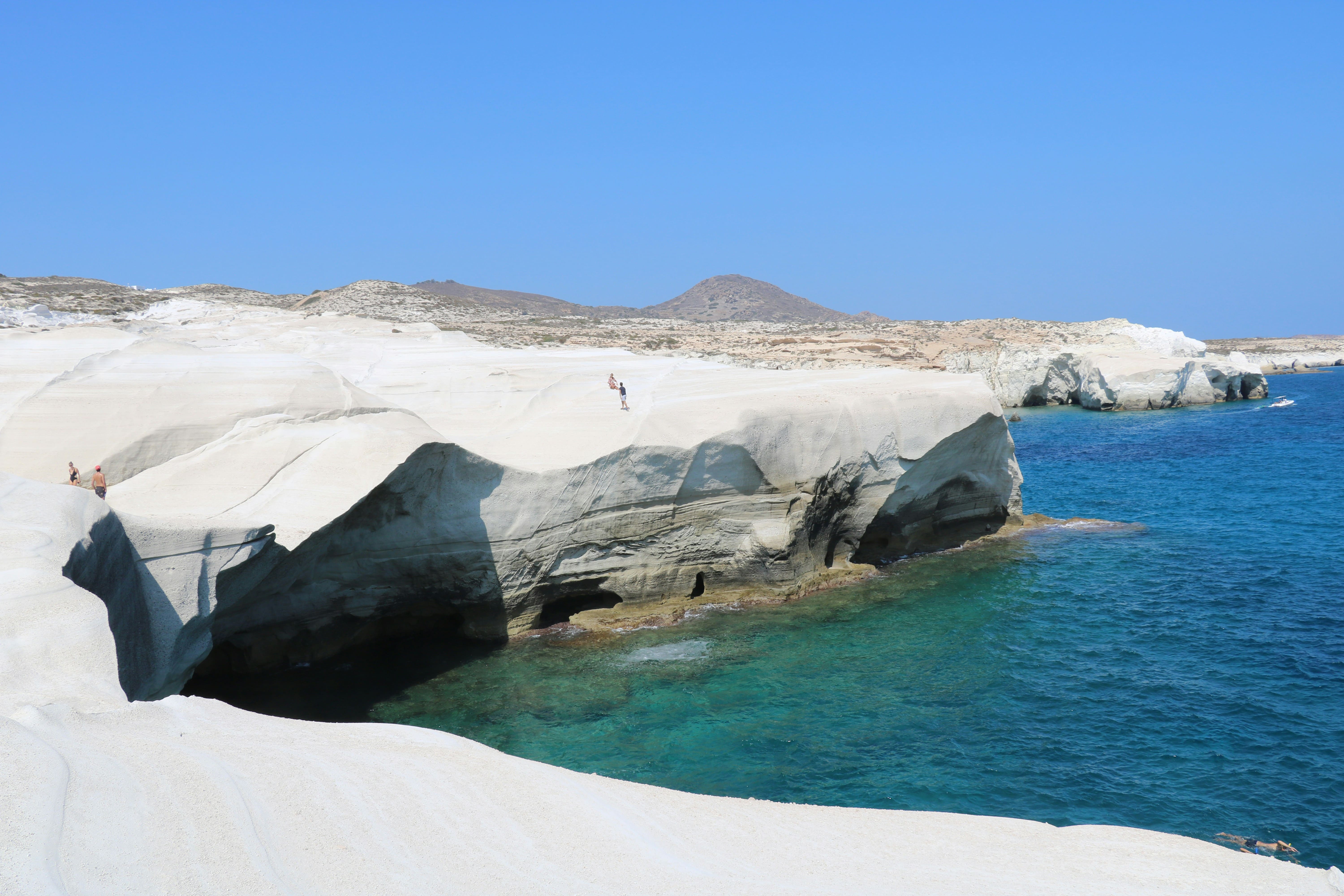
Allow enough nights for arrival, an activity day and departure on the islands that matter most to you. If a connection only works with an extra stop or wait, price that time and accommodation before committing. Removing one island can make the remaining stay more useful.
Comparing Ferries and Flights
Ferries can connect island stays directly when the selected route operates. Compare the vessel, stops, seat or cabin, any vehicle space, baggage instructions and port journeys. SEAJETS, Golden Star and other operator names do not establish identical facilities or schedules.
Flights need to be compared as complete itineraries. An island airport does not establish a direct scheduled flight to the next Cycladic island; a search may involve Athens. Read every flight sector and transfer. Air travel is also subject to weather and disruption.
You can combine an Athens–island flight with inter-island ferries and a final flight to Athens if all the dates work. Compare the whole cost and connection arrangements for the itinerary offered on your dates.
For ferry searches, our ferry tickets page and Direct Ferries are two places to research dates. Review the particular offer, payment options and ticket instructions; a search result is not a completed booking.
Before boarding:
- Follow the selected operator's reporting time and document instructions, including vehicle or pet requirements where relevant.
- Complete the required ticket collection or web check-in and keep the boarding documents available offline.
- Confirm the exact departure port and gate, then include the journey there with luggage.
- Read disruption notices before leaving and allow flexibility for separately booked connections.
- Ask a pharmacist or clinician about suitable motion-sickness advice if needed.
Choosing When to Visit from Australia
Compare the experience you want with seasonal business and transport schedules. Use the five periods below to decide which services and outings to research for your dates.
April and May: Walking, Villages and Spring Openings
Look at a village or walking itinerary alongside the beach possibilities. Check the selected accommodation, restaurant, activity and transport dates; some seasonal services may not have started. Pack layers and a rain option, and use the forecast to choose each day's outing.
If Easter traditions interest you, establish the actual holiday dates and local programme before booking. For swimming, assess the beach and day's conditions rather than a general monthly water-temperature range.
June: Combining Beach Time and Other Outings
June can be considered for a mixed itinerary of coast, villages and activities. Confirm the opening dates and departure options for your chosen week, then compare its room offers.
Arrange the first essential bookings, then leave room for weather-dependent activities. Shade, water and a workable return journey matter for walking and archaeological visits as well as beach days.
July and August: Plan the Dates and Daily Routine
If your Australian leave or school calendar points to these months, start with the particular stay, event or transport space you need. Compare actual offers and cancellation conditions instead of adding a fixed peak-season percentage to a hypothetical budget.
Plan activity around the daily heat advice, and review sea conditions and ferry notices. Summer northerly winds can affect crossings. Follow the marine forecast and operator notices, including changes to a planned boat excursion.
September and October: Check Each Service's End Date
Compare the outward and homeward connections as well as the islands. A venue, beach service or sailing may finish its season on a different date from another. Confirm the operating dates for the parts of the holiday you particularly want.
Choose walking and beach outings from the current forecast and conditions. Autumn does not guarantee calm seas, warmer swimming or an uncrowded visit; keep alternatives for activities that depend on weather.
November to March: Plan Around What Is Operating
A winter trip needs dated accommodation, transport and activity research. Choose a base with the practical services you need and establish opening arrangements directly. Seasonal gaps can affect how long you spend on each island and how you return to Athens.
Consider village time, food or an Athens stay if those fit your interests. Compare the actual prices instead of expecting winter to be universally cheap, and keep a plan for weather-related changes.
Practical Preparation for Australian Travellers
Money and a Complete Trip Budget
Build the budget from real offers in euros, then convert the total using the exchange rate and fees that will apply to your payment. Keep international flights and any Australian positioning journey separate from the amount you expect to spend each day in Greece.
For a lower-cost plan: compare the complete room or hostel booking, basic meals, public transport and the activities you want. Include paid site entry, beach equipment where hired and the transfer from a port or airport. A public beach outing can still involve transport and other charges.
For a mid-range plan: price the chosen room category, meals, rental days, ferry or flight sectors and selected tours. Distinguish a per-person fare from a room, vehicle or private-transfer charge shared by the group.
For a premium plan: request the full villa, private tour or charter quote, including extras, deposits and cancellation conditions. More expensive accommodation does not automatically include transport, food, a particular view or every activity.
Keep a separate allowance for changes or an additional night that your itinerary may require. Read insurance cover and exclusions separately when deciding how to handle unexpected expenses.
Payment preparation
- Read your bank's overseas-use instructions and keep a second payment method separate.
- Compare the exchange margin, card-issuer fees and ATM operator charge before a withdrawal.
- Record whether a quote is per person, per room, per vehicle or for the group.
- Read the bill for service charges and record any discretionary tip separately from the quoted price.
Packing for the Islands
Pack for the actual journeys as well as the accommodation. Choose luggage you can manage on steps and between transport stops; ask the property about access rather than assuming every arrival reaches its door by vehicle.
Bring:
- Sun-protective clothing, a broad-brimmed hat, sunglasses and suitable sunscreen.
- Comfortable walking footwear and layers appropriate to the forecast.
- Clothing suitable for the churches or monasteries you plan to visit.
- Your prescribed medicines and any required documentation, after checking entry rules.
- A refillable bottle where suitable drinking water is available, and a small day bag.
- Charging equipment, a Greek-compatible plug adaptor and devices whose input rating is suitable for the local electricity supply.
- Offline booking information and a way to keep essential documents dry.
Choose versatile clothes rather than packing for every imagined occasion. Confirm laundry access if you intend to use it; not every small island base has a convenient laundry. Leave unnecessary valuables at home and keep travel documents secure.
Staying Connected
Compare Australian roaming with a Greek SIM or eSIM. Review the allowance, expiry, calls, hotspot use, device compatibility and coverage for your intended bases. Greek mobile providers include Cosmote, Vodafone and Nova; a national network name does not guarantee reception at a particular cove or property.
Keep access to the phone number or authentication method your bank and airline use. If changing SIMs, establish how you will receive necessary login or payment approvals. Use accommodation Wi-Fi when available without making it the only way to reach an essential booking.
Useful preparation includes offline maps, a Greek language pack, the actual ferry or airline booking app where relevant, and a currency calculator. Google Maps, Google Translate, XE and WhatsApp can help organise information; none replaces official transport notices, valid tickets or the provider's contact details.
Health, Swimming and Personal Safety
Read current Smartraveller advice and discuss personal health preparation with a qualified professional. Check travel-insurance cover for medical care, evacuation and planned activities. Australia and Greece have no reciprocal agreement for free healthcare. For an emergency, call 112.
Ask about medicine documentation before departure, and identify local medical help rather than assuming every village has a pharmacy or hospital. For swimming, follow local advice and assess currents, boat traffic and coastal hazards; use a patrolled beach where possible. Keep away from prohibited cliff or beach access.
On busy transport and in public places, keep bags and essential documents secure. Plan a suitable route home after an evening out, and take particular care around traffic, steps and cliff paths.
For sun protection, use shade, covering clothes, a hat, sunglasses and sunscreen together. SunSmart recommends SPF50 or 50+ sunscreen, following the product directions and reapplying at least every two hours. A cool breeze or a shaded seat does not eliminate UV exposure.
Cultural Courtesy
Simple greetings can help: kalimera for good morning, efcharisto for thank you and parakalo for please or you are welcome. Ask before photographing people or entering a religious space, and follow its dress and visiting instructions.
Respect local quiet hours and the property's rules. Confirm opening times, reservations and return transport before an outing. Read menu prices and ask about anything unclear before ordering.
Travelling Responsibly

Take rubbish away, follow marked routes and respect protected or closed areas. Leave sand, stones and natural features where they are. Use proper bins and keep supplies for an outing without expecting facilities at every beach.
Conserve water at your accommodation: report leaks, avoid leaving taps running and follow any local restrictions. Ask before refilling bottles if you are unsure whether the supply is intended for drinking.
Explore local producers, workshops, restaurants and accommodation on the basis of their actual products and terms. Booking a local activity does not by itself establish better environmental performance. Ask how a boat trip, workshop or wildlife-related experience operates if that matters to your choice.
Spread your time across the places you want to understand. Allow time for a village visit or a longer stay instead of rushing between photo stops. Respect residents' access to streets, homes, worship and daily services.
Turning the Plan into a Bookable Trip
Start with your international dates and the nights actually available in Greece. Choose a route, compare each transport leg, and match the accommodation to the arrival point. Reserve the parts on which the rest depends after reading their change and cancellation conditions.
Before final payment, put the itinerary in order with local dates: flight or ferry, port or airport, room night, transfer and return connection. Keep provider contacts and booking documents accessible to the people travelling. If one leg does not work, adjust the number of islands or nights explicitly.
For the next planning step:
- Explore the Cyclades island guides.
- Read the ferry planning guide, then search your actual dates.
- Compare accommodation options for the bases you have chosen.
- Use the island comparison to narrow the route.
- See the seven-day itinerary for a shorter example.
Discuss any unresolved booking question with the actual carrier, property or activity provider before committing to a separate connection.
Related articles
- Santorini or Mykonos: choosing an island
- Where to stay in Sifnos
- Cyclades ferry planning guide
- Comparing the Cyclades islands
- Mykonos DJ guide
Sources
- Smartraveller's Greece advice for Australian traveller preparation; the live advice and local instructions should be checked again before departure.
- EU entry-document guidance, the Commission's EES exemptions information and the official EES/ETIAS portal for the requirements that apply to the traveller.
- Scoot's Athens route pages provide airline-network research, not a guaranteed dated offer or a fare for every Australian city.
- Visit Greece's Sifnos guide, the municipal pottery information and Sifnos Trails for the island's food, pottery and walking context.
- The municipal Red Beach prohibition for the restricted approach; do not replace it with a visitor's route description.
- ACCC currency guidance and myGov travel-finance preparation for payment-method costs and backups.
- Services Australia's reciprocal healthcare list identifies the participating countries; Greece is not listed.
- SunSmart protection advice for sunscreen and other sun-protection measures.
Organiza el viaje
Planifica tus fechas en Santorini
Organiza ferry, alojamiento y transporte local antes de que se agoten las fechas más populares.
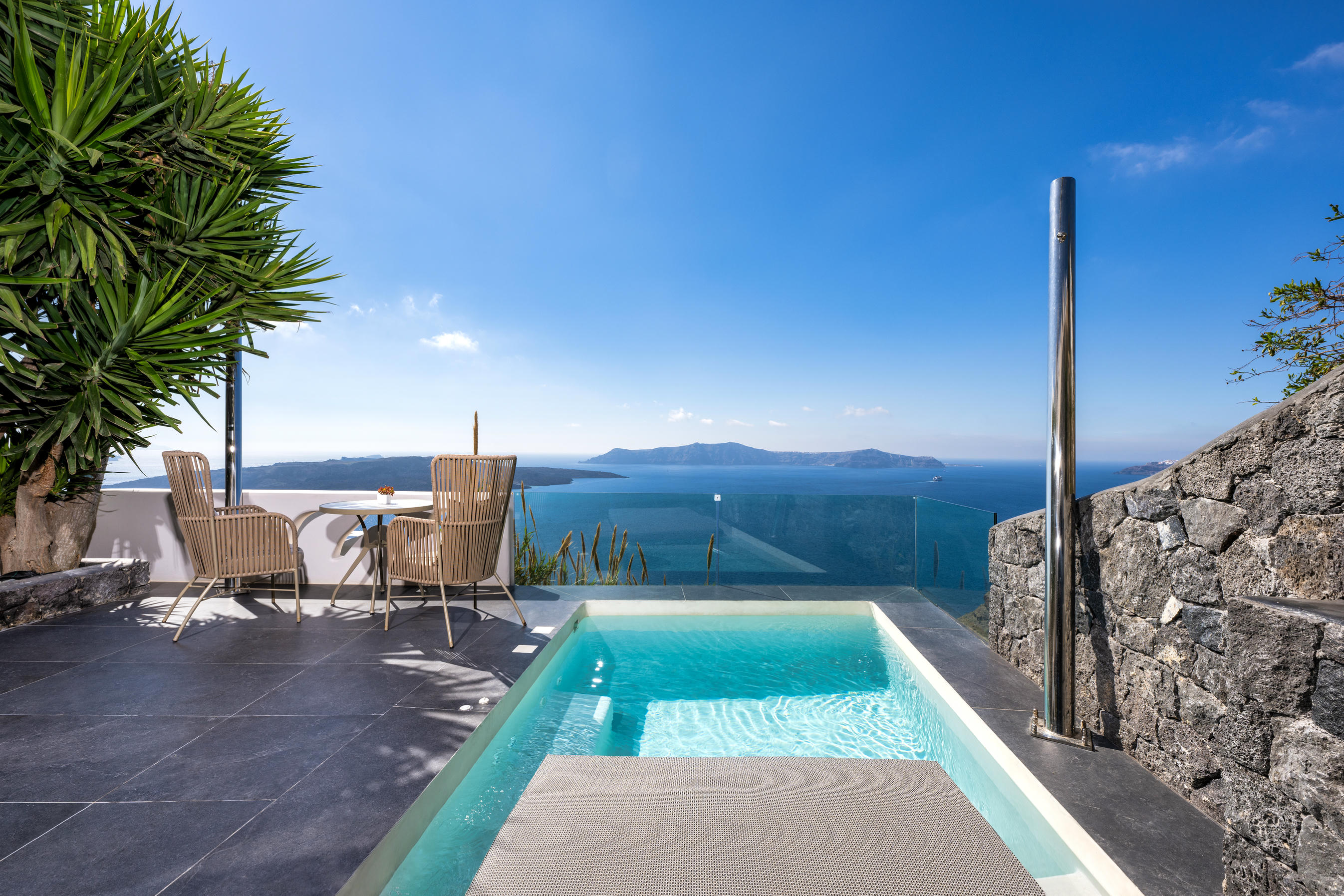
Athina Luxury Suites
Suites con vistas a la caldera en Fira, con piscina infinita y alta cocina.
Parte del equipo editorial de Discover Cyclades: lugareños que viajan en ferry, caminan, comen y escriben sobre estas islas cada temporada.